
⚠️ EMERGENCY PROTOCOL: Do Not Touch
If you discover water in electrical outlet cavities, do not attempt to unplug devices or touch the faceplate. Water conducts electricity, and stepping in a puddle while touching a wet receptacle can result in fatal electrocution. Immediately locate your main electrical panel and shut off the breaker controlling the affected circuit. Verify the power is off using a Non-Contact Voltage Tester (NCVT) like the Klein Tools NCVT-3 before proceeding.
Finding moisture or standing water in electrical outlet boxes is a critical failure that demands immediate remediation and a structural upgrade. Standard indoor receptacles are not sealed against moisture intrusion. When water breaches the faceplate, it compromises the internal bimetallic contacts, creates galvanic corrosion on brass terminals, and poses a massive arc-flash risk. According to the U.S. Consumer Product Safety Commission (CPSC), water exposure is a leading cause of residential electrical fires and ground faults.
This guide transitions from emergency drying protocols to the step-by-step installation of a code-compliant GFCI receptacle and an extra-duty weatherproof in-use cover, ensuring your outdoor or damp-location outlets are permanently sealed against future intrusion.
Phase 1: Safe Extraction and Drying Procedures
Once the breaker is locked out, you must properly extract the moisture. Never use a heat gun or hair dryer on high heat; excessive heat warps the thermoplastic polycarbonate bodies of modern receptacles, compromising their structural integrity and UL listing.
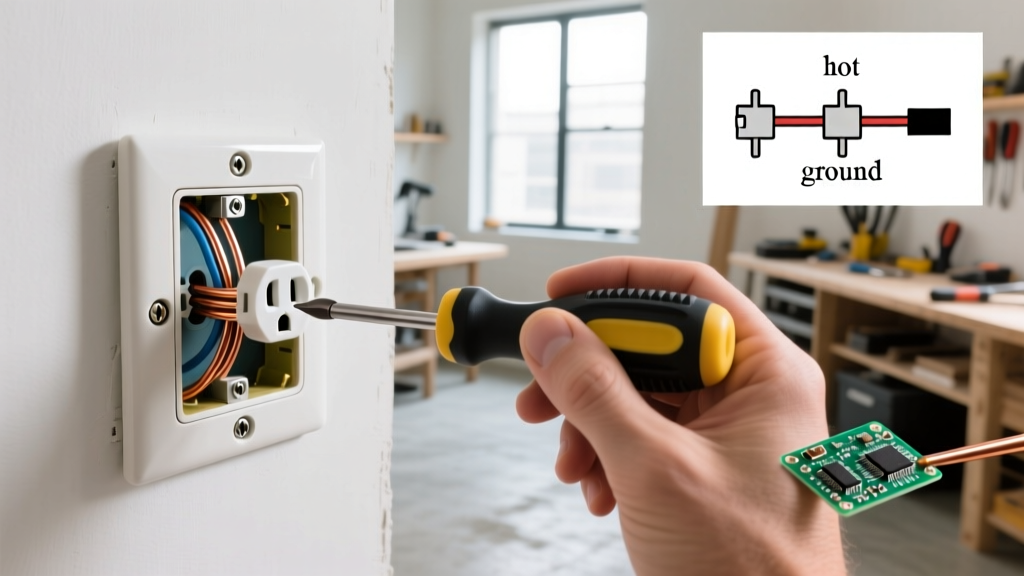
- Remove the Faceplate: Use a Robertson #1 or flathead screwdriver to remove the faceplate. Set it aside.
- Extract the Receptacle: Unscrew the top and bottom mounting straps. Gently pull the receptacle out of the gang box to expose the wiring cavity.
- Moisture Removal: Use canned compressed air (held upright to avoid freezing propellant discharge) to blow water out of the terminal boxes and the back of the gang box.
- Desiccant Drying: For damp masonry boxes, place silica gel desiccant packs inside the box for 24 hours to draw out ambient humidity.
Phase 2: Component Inspection & Damage Assessment
Before reinstalling or upgrading, you must determine if the existing hardware is salvageable. Water in electrical outlet components accelerates specific types of degradation.
| Damage Indicator | Standard Receptacle | GFCI Receptacle | Action Required |
|---|---|---|---|
| Green/White Crust on Brass Screws | Galvanic Corrosion | Galvanic Corrosion | Replace. Corrosion increases resistance and heat. |
| Melted or Discolored Plastic | Arc Tracking Damage | Internal Fault | Replace immediately. Check wiring gauge. |
| Tripped State (Won't Reset) | N/A | Sensor Board Short | Replace GFCI. Internal logic board is fried. |
| Rust on Mounting Strap | Surface Oxidation | Surface Oxidation | Clean or replace. Ensure box ground is solid. |
Phase 3: Step-by-Step Weatherproof & GFCI Installation
If the outlet is in a damp or wet location (e.g., exterior walls, garages, or near sinks), the 2026 NEC (Article 406.9) mandates the use of a Ground Fault Circuit Interrupter (GFCI) and an 'extra-duty' weatherproof in-use cover. We will install the Leviton 2091-SW (20A GFCI) and the Taymac TC5410 1-Gang Extra Duty Weatherproof In-Use Cover.
Step 1: Prep the Gang Box and Seal the Flange
Water usually enters through the gap between the faceplate and the siding or drywall. Clean the exterior perimeter of the gang box with isopropyl alcohol. Apply a continuous bead of GE Advanced Silicone 2 (Clear) around the top and sides of the box flange where it meets the building envelope. Leave the bottom uncaulked to allow any internal condensation to drain.
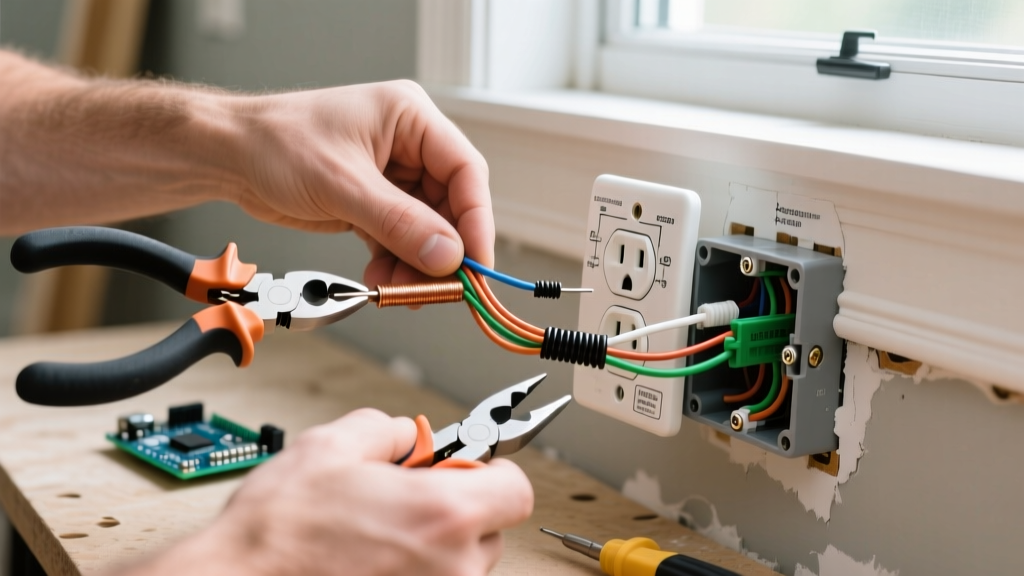
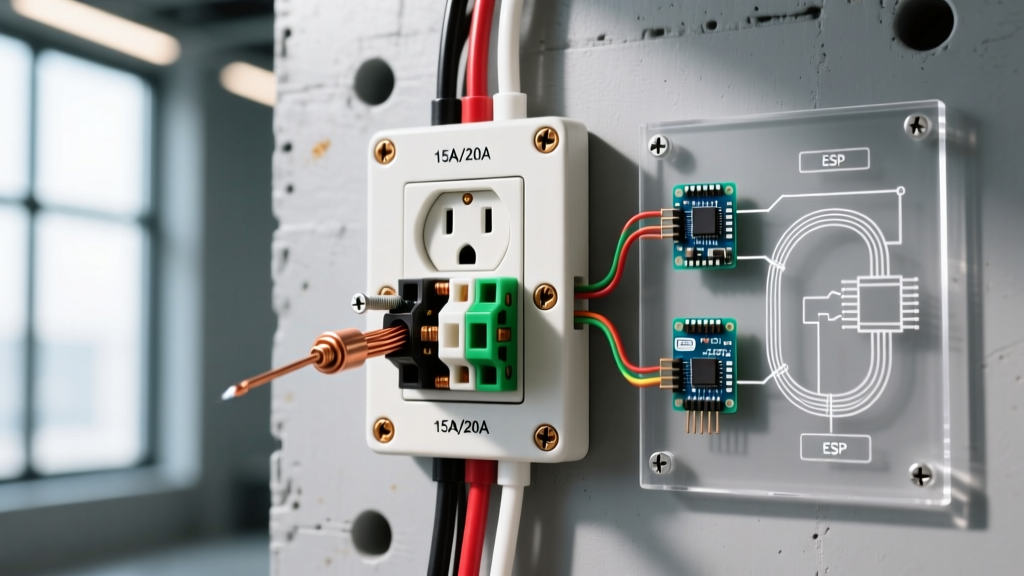
Step 2: Wire the Leviton 2091-SW GFCI
- Identify Line vs. Load: Use your multimeter to identify the 'Line' (power source) wires before shutting off the breaker. The 'Load' wires feed downstream outlets.
- Strip to Gauge: Strip exactly 5/8-inch of insulation from your 12 AWG or 14 AWG solid copper wires. The Leviton 2091-SW features a built-in strip gauge on the back of the chassis.
- Terminate and Torque: Insert the bare wire into the back-wire clamps (preferred over side-wiring for wet locations to minimize exposed copper). Tighten the terminal screws to 14 in-lbs of torque using a calibrated torque screwdriver to prevent thermal expansion loosening.
- Grounding: Attach the bare copper ground wire to the green grounding screw. If using a metal gang box, also run a 6-inch green grounding pigtail from the box to the receptacle ground.
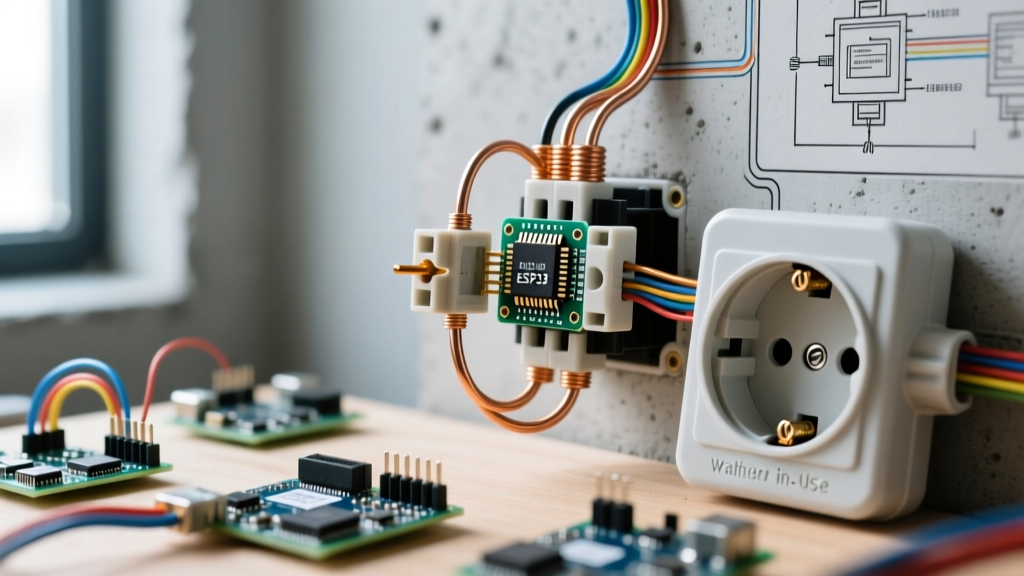
Step 3: Install the Taymac TC5410 In-Use Cover
Standard flat covers fail because they must be left open when a cord is plugged in, allowing direct rain exposure. The Taymac TC5410 provides 6.5 inches of interior depth, allowing cords to exit through a bottom compression gasket while the lid remains closed.
- Apply the Foam Gasket: Peel the adhesive backing off the closed-cell foam gasket and press it firmly against the back edge of the TC5410 hood.
- Mount the Hood: Feed the receptacle through the center opening. Secure the hood to the gang box using the provided 1-inch corrosion-resistant mounting screws, driving them directly into the factory-tapped holes on the box.
- Secure the Receptacle: Thread the receptacle mounting screws through the hood's internal straps and into the GFCI faceplate.
- Adjust the Bottom Flap: Route your appliance cord through the bottom ribbed compression seal. Snap the adjustable bottom flap upward to grip the cord tightly, forming a watertight seal.
Phase 4: Final Testing and Code Compliance
According to NFPA Electrical Safety guidelines, all GFCI devices must be tested immediately after installation and monthly thereafter. Plug a Gardner Bender GFI-3501 receptacle tester into the new outlet. Press the black test button on the tester. The GFCI should immediately trip with an audible click, and the tester's lights should indicate an open ground/tripped state. Press the 'RESET' button on the Leviton receptacle to restore power.
Furthermore, verify that the weatherproof cover's hinge operates smoothly and that the bottom cord-grip seal does not pinch or damage the outer jacket of your extension cords, which could expose inner conductors to future moisture.
Frequently Asked Questions (FAQ)
Why does my breaker trip immediately when it rains?
If your breaker trips during rain, you have water in electrical outlet cavities or a compromised underground splice. The moisture creates a low-resistance path to ground, triggering the GFCI or standard breaker. Inspect the exterior cover gaskets and ensure conduit seals are packed with duct seal putty.
Can I use a standard indoor receptacle if I put a weatherproof cover over it?
No. The NEC requires wet location receptacles to be rated for damp/wet environments. While a weatherproof cover provides the primary defense, UV degradation and condensation can still affect indoor-rated components over time. Always use a WR (Weather Resistant) rated receptacle, which features nickel-plated brass contacts and UV-stabilized thermoplastics.
How do I dry water out of a buried conduit?
If water has entered the underground PVC conduit feeding the outlet, you must disconnect the wires and use a shop-vac on the suction end to pull the standing water out. Follow up by pulling a foam conduit swab (or a rag tied to a fish tape) through the pipe to wipe the interior walls dry before reinstalling the conductors.
Expert Tip: When installing outdoor receptacles on masonry or stucco, always use a masonry box with a deep flange rather than a standard nail-on plastic box. Apply a polyurethane sealant behind the flange to prevent hydrostatic pressure from driving rainwater behind the siding and into the gang box.
By methodically drying the box, upgrading to a high-quality GFCI, and installing an extra-duty in-use cover, you eliminate the immediate danger of water in electrical outlet systems and ensure long-term compliance with modern safety codes.
For comprehensive guidelines on returning to flooded homes and managing electrical hazards, always consult the Ready.gov Flood Safety Protocols before re-energizing any submerged panels or branch circuits.