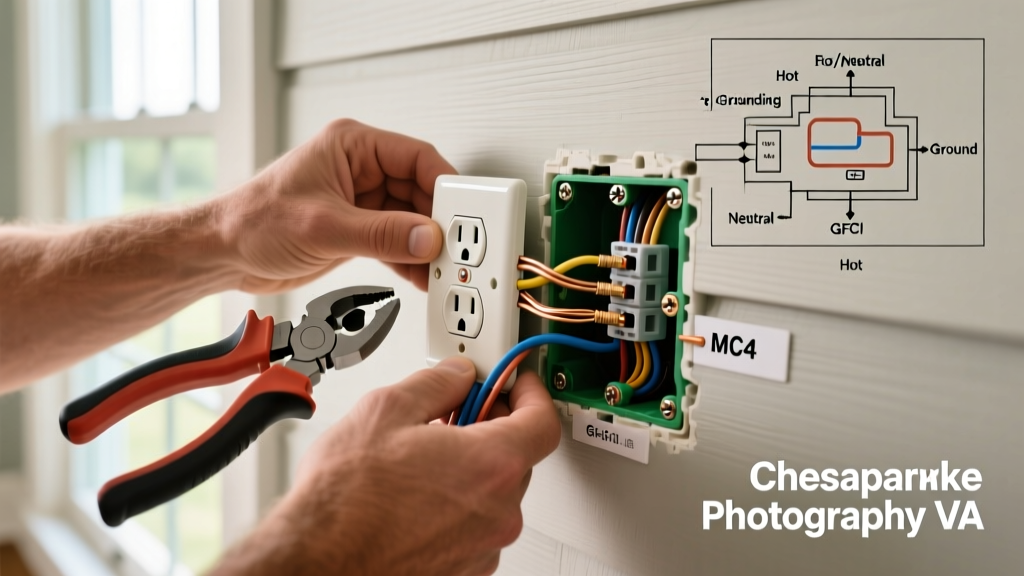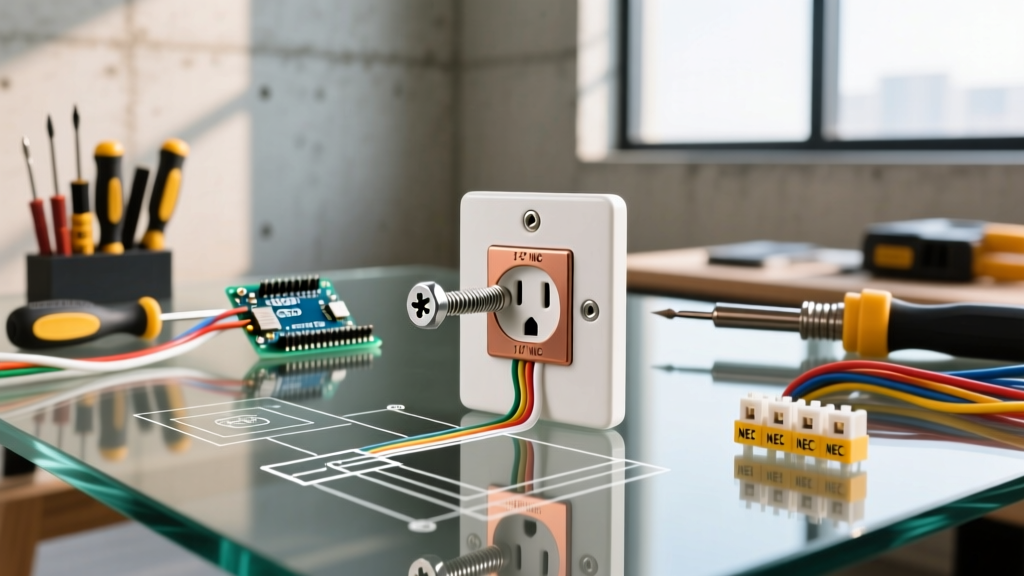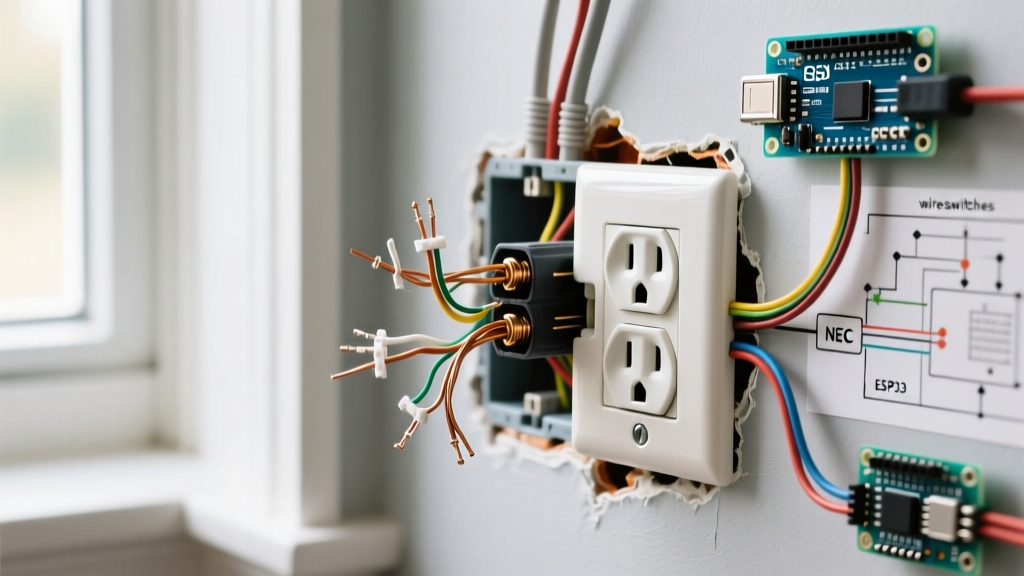

The Hidden Dangers of an Uncovered Electrical Outlet
An uncovered electrical outlet is far more than a cosmetic flaw in your drywall; it is a severe violation of the National Electrical Code (NEC) and a primary catalyst for residential arc faults. Whether you are dealing with a missing faceplate, a recessed drywall box, or exposed junction wiring, leaving the internal components of a receptacle exposed to the ambient environment introduces critical shock and fire hazards.
According to the Electrical Safety Foundation International (ESFI), electrical malfunctions cause over 50,000 home fires annually. When an outlet is uncovered, airborne dust, pet dander, and humidity can settle directly onto the hot brass and neutral silver terminal screws. Over time, this accumulation creates a conductive path known as 'carbon tracking,' which can trigger an arc fault—a high-power discharge that easily ignites surrounding drywall paper and wooden studs.
Risk Assessment Matrix: Exposed Receptacle Conditions
| Condition | Risk Level | Primary Hazard | Immediate Action Required |
|---|---|---|---|
| Missing Faceplate (Box flush with drywall) | Moderate | Shock hazard, dust ingress | Install standard 1-gang or 2-gang wall plate |
| Recessed Box (Gap > 1/8 inch) | High | Fire spread into wall cavity | Install a polycarbonate box extender |
| Exposed Wire Nuts / Abandoned Circuit | Critical | Direct short circuit, lethal shock | Cap wires, install blank cover plate |
| Damp Location (Missing WR Cover) | Critical | Electrocution, GFCI failure | Install in-use weather-resistant bubble cover |
Step-by-Step Diagnosis: Why is the Outlet Uncovered?
Before purchasing replacement parts, you must diagnose why the outlet is uncovered. The repair methodology changes drastically based on the physical state of the electrical box.
Scenario A: The Missing or Painted Faceplate
In older homes or post-renovation spaces, faceplates are often removed for painting and never replaced, or they crack due to overtightening. If the drywall is perfectly flush with the front edge of the electrical box (within 1/8 inch), the diagnosis is simple: you only need a replacement faceplate.
Scenario B: The Recessed Electrical Box
If the drywall was cut too deep, or multiple layers of paneling were added over the original wall, the electrical box may sit recessed inside the wall cavity. NEC Article 314.25 strictly prohibits gaps larger than 1/8 inch (3.17 mm) between the box and the wall surface in combustible walls. An uncovered outlet in this state allows a spark to bypass the faceplate and ignite the wall cavity.
Scenario C: Abandoned or Spliced Wiring
Sometimes, an uncovered outlet is actually an abandoned junction box where a previous homeowner removed the receptacle but left live wires inside. If you see wire nuts and no device, this is a junction box, not an outlet, and it requires a solid blank cover plate to contain potential arcing.
Required Tools and Materials for NEC-Compliant Fixes
To properly secure an uncovered electrical outlet, you need specific, industry-grade tools. Avoid cheap alternatives that compromise safety.
- Non-Contact Voltage Tester (NCVT): The Klein Tools NCVT-4 (approx. $25) is essential for verifying the circuit is dead before touching any exposed terminals.
- Box Extender: For recessed boxes, the Arlington Industries BE1 non-metallic box extender ($4-$6) is the industry standard. It slides over the existing device and bridges the gap to the drywall.
- Faceplates: Use high-impact polycarbonate plates like the Leviton Decora 8050-W ($2-$4). Avoid cheap thermoset nylon plates that crack easily when the drywall is uneven.
- Torque Screwdriver: The Wiha 645P or similar insulated torque driver ensures terminal screws are tightened to the manufacturer's specification (typically 14 inch-pounds for 14/12 AWG wire).
How to Safely Cover and Secure the Outlet
Follow this precise workflow to eliminate the hazards of an uncovered electrical outlet without violating electrical codes.
- Isolate the Circuit: Turn off the corresponding breaker at the main panel. Apply a piece of painter's tape over the breaker switch to prevent accidental re-engagement (a basic Lockout/Tagout procedure).
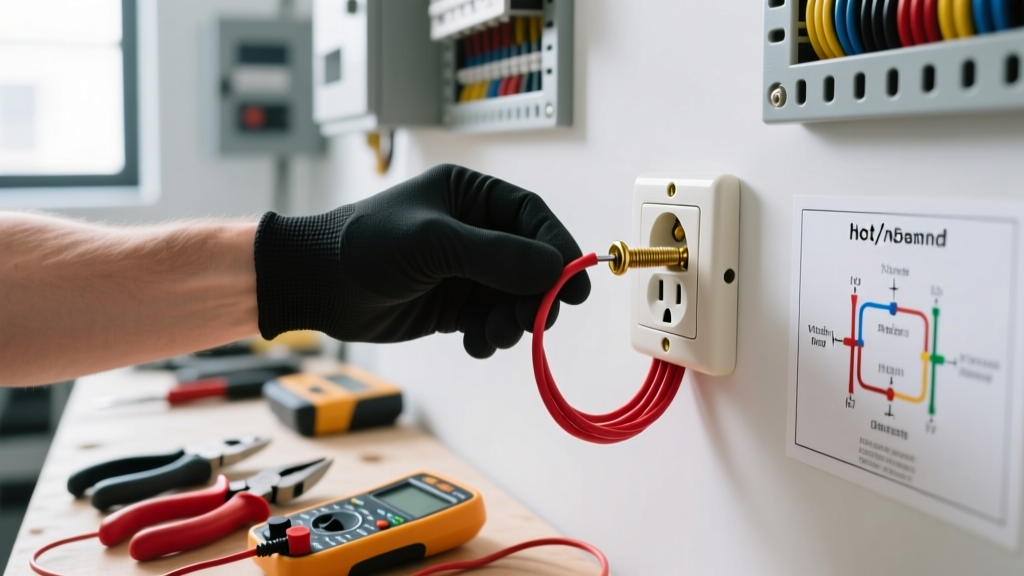
- Verify Zero Voltage: Insert your NCVT into the slots of the receptacle and touch it to the exposed side terminals. The tool must remain completely silent and unlit.
- Inspect the Box Gap: Measure the distance from the front of the electrical box to the drywall surface. If the gap exceeds 1/8 inch, proceed to step 4. If flush, skip to step 5.
- Install the Box Extender: Remove the receptacle from the box. Slide the Arlington BE1 extender into the existing box. Feed the wires through the extender. The flange of the extender will now sit flush against the drywall, creating a fire-proof barrier.
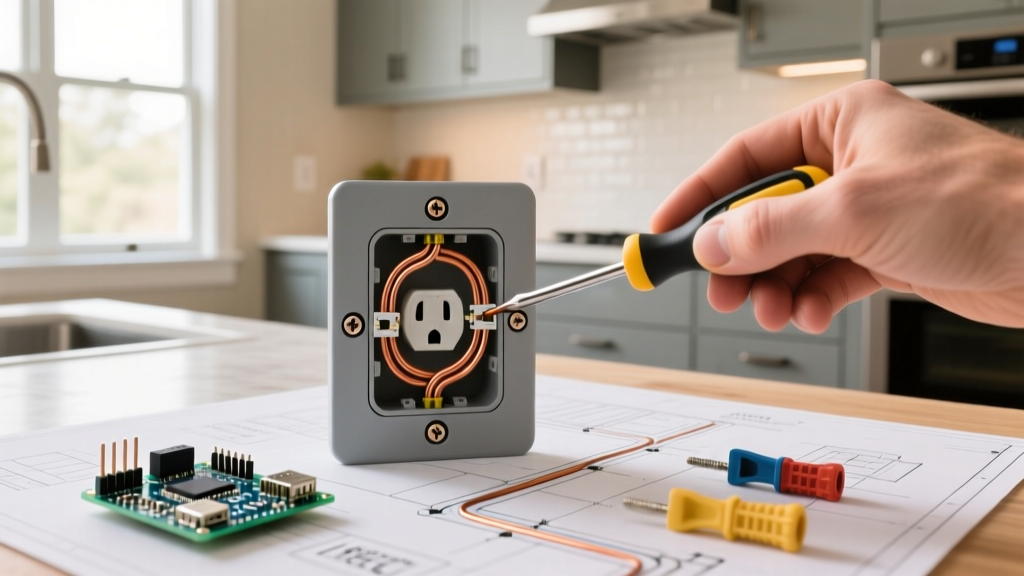
- Remount and Torque: Push the wires neatly into the back of the box (fold them in an accordion pattern, never jam them). Mount the receptacle to the extender/box. Tighten the terminal screws to 14 in-lbs to prevent thermal loosening over time.
- Secure the Faceplate: Attach the polycarbonate faceplate using the provided 6-32 machine screws. Do not overtighten, as this can warp the plastic and crack the drywall paper.
Expert Tip: Never use drywall shims or cardboard to fill the gap behind the faceplate mounting ears. This violates NEC 110.12 (Mechanical Execution of Work) and compromises the structural integrity of the receptacle, causing it to pull out of the wall when a plug is removed.
Material Comparison: Choosing the Right Box Extender
When dealing with a recessed, uncovered electrical outlet, selecting the correct extender material is vital for longevity and code compliance.
- Polycarbonate (PVC) Extenders: Pros: Non-conductive, won't crack, easy to trim with a utility knife. Cons: Cannot be used with metal-clad (MC) cable systems requiring continuous ground paths. Best for: Standard residential drywall with Romex (NM-B) wiring.
- Galvanized Steel Extenders: Pros: Maintains equipment grounding continuity for metal boxes. Cons: Difficult to cut, sharp edges, requires bonding. Best for: Commercial buildings or exposed basement block walls.
- Telescoping Plastic Extenders: Pros: Adjustable depth for wildly uneven walls. Cons: Bulky, requires a deep faceplate. Best for: Tiled backsplashes where the outlet is deeply recessed.
Special Cases: GFCI and Weather-Resistant (WR) Outlets
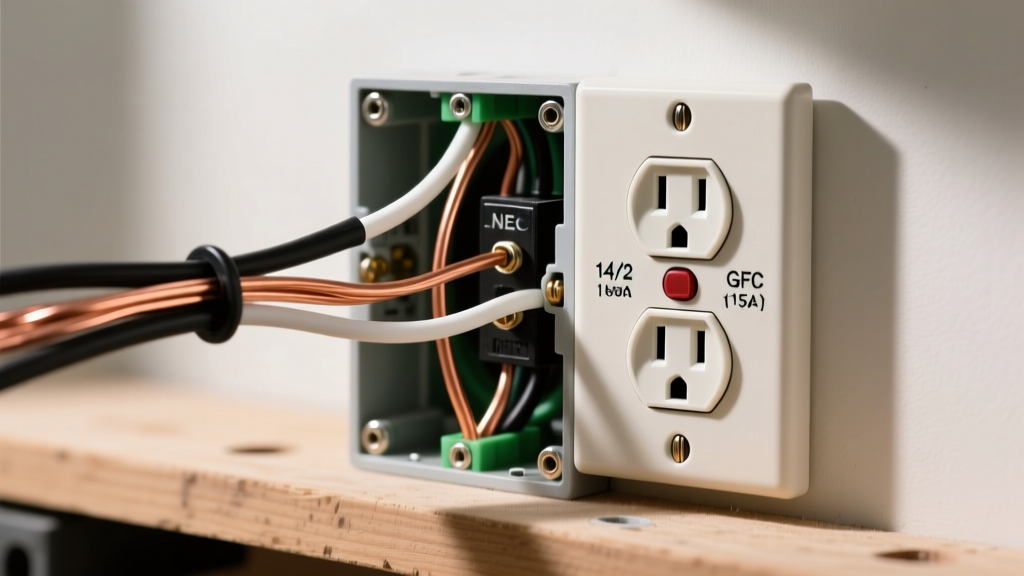
If your uncovered electrical outlet is located in a kitchen, bathroom, garage, or exterior wall, standard faceplates are illegal and dangerous. NEC Article 406.9 mandates that all 15A and 20A receptacles in damp or wet locations must be protected by a weather-resistant (WR) cover.
For exterior walls, you must install an 'in-use' bubble cover, such as the TayMac MX1000 (approx. $15). This allows you to plug in a cord (like a holiday light or power tool) while keeping the cover completely closed, preventing rain and snow from contacting the uncovered terminals. Furthermore, the receptacle itself must be stamped with 'WR' and 'TR' (Tamper Resistant) to withstand UV degradation and moisture ingress.
Frequently Asked Questions
Can I just use electrical tape to cover exposed wires inside the box?
Absolutely not. The Consumer Product Safety Commission (CPSC) warns against using tape as a substitute for proper insulation or cover plates. Electrical tape degrades over time, loses its adhesive properties due to heat, and is not rated to contain an arc fault blast. Live wires must be secured with UL-listed wire nuts or Wago connectors, and the box must be sealed with a solid, screw-on blank faceplate.
What if the drywall is heavily damaged around the uncovered outlet?
If the drywall is crumbling and the faceplate screws have nothing to grip, use a Leviton Renu 1-Gang Mid-Size plate or a specialized drywall repair ring (like the Caddy Ts1). These oversized plates or metal brackets bridge the damaged area, providing a solid mounting surface for the receptacle and covering the jagged drywall edges safely.
Is it safe to leave an outlet uncovered if the breaker is turned off?
No. According to Ready.gov and standard electrical safety protocols, an open box invites pests (like mice) to enter the wall cavity and chew on adjacent live wiring. Furthermore, a turned-off breaker can be accidentally flipped back on by another household member. The physical barrier of a faceplate must always be maintained, regardless of the circuit's current state.