
Why Outdoor Outlets Fail and How to Fix Them
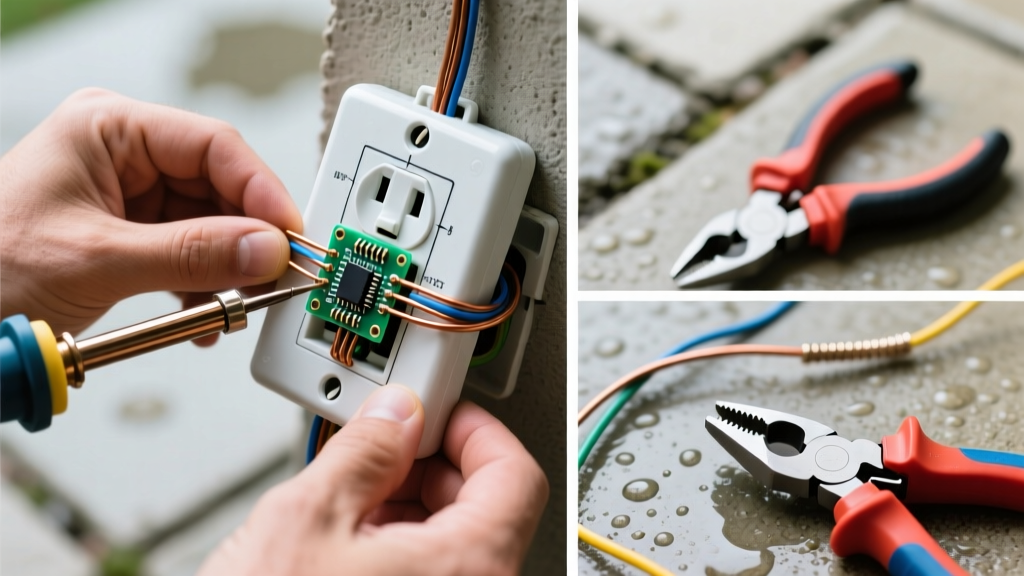
Exterior electrical receptacles endure some of the harshest conditions in any residential or commercial wiring system. Between extreme thermal cycling, UV degradation, driving rain, and humidity, outdoor outlets are highly susceptible to moisture ingress and internal corrosion. If your exterior outlet has stopped working, trips constantly, or features a cracked, yellowed cover, it is a critical safety hazard. Learning how to replace an outside electrical outlet properly ensures you maintain ground-fault protection and prevent shock hazards in damp environments.
Unlike interior receptacles, outdoor replacements require strict adherence to National Electrical Code (NEC) weatherproofing mandates. A standard indoor outlet installed outside will fail within months and pose a severe electrocution risk. This guide walks you through the exact materials, NEC requirements, and professional sealing techniques required to install a durable, code-compliant outdoor GFCI receptacle.
⚠️ CRITICAL SAFETY WARNING: Never work on an energized circuit. Always turn off the corresponding breaker at the main service panel and verify the absence of voltage using a non-contact voltage tester before touching any wires. If you are unsure about your home's wiring topology, consult a licensed electrician.
Required Tools and Materials
To achieve a lasting, weather-tight seal, you must use outdoor-rated (WR) components and extra-duty covers. Cheap, indoor-rated GFCIs will corrode rapidly when exposed to outdoor humidity.
| Component | Recommended Specification / Model | Estimated Cost |
|---|---|---|
| GFCI Receptacle | Leviton Decora 20A TR WR GFCI (Model 8371-W) | $28.00 - $35.00 |
| Weatherproof Cover | TayMac 1-Gang Extra Duty "In-Use" Cover (ML500) | $15.00 - $22.00 |
| Voltage Tester | Klein Tools NCVT-2 Non-Contact Voltage Tester | $20.00 - $25.00 |
| Sealant | GE Silicone II Kitchen & Bath (Clear, 10.1oz) | $6.00 - $9.00 |
| Wire Connectors | Ideal 341 Purple Wire-Nuts (for 12 AWG pigtails) | $5.00 |
Understanding NEC Requirements for Exterior Receptacles
Before beginning the physical replacement, it is vital to understand the code framework governing outdoor wiring. The National Fire Protection Association (NFPA) updates the NEC regularly, and current 2026 local adoptions strictly enforce two main rules for exterior outlets:
1. Mandatory GFCI Protection (NEC Article 210.8)
All 15-amp and 20-amp, 125-volt and 250-volt receptacles installed outdoors must have Ground-Fault Circuit Interrupter (GFCI) protection. This is non-negotiable. While you can use a GFCI breaker in the main panel, installing a GFCI receptacle at the point of use is generally preferred for easier resetting when a trip occurs.
2. Extra-Duty "In-Use" Covers (NEC Article 406.9)
The NEC mandates that outdoor receptacles in damp or wet locations must be enclosed in weatherproof covers that remain weatherproof even when a cord is plugged in (commonly known as "in-use" or "bubble" covers). Flat, flip-lid covers are no longer code-compliant for new installations or replacements in wet locations.
Step-by-Step Replacement Guide
Step 1: Isolate Power and Extract the Old Assembly
Shut off the breaker and test the outlet with your Klein NCVT-2. Remove the screws holding the existing weatherproof cover and the receptacle. Carefully pull the outlet out of the junction box. Take note of how the wires are connected. If the wires are pushed into the back "stab-in" holes, this is likely why the outlet failed; thermal expansion and contraction outdoors cause backstabbed connections to loosen and arc over time.
Step 2: Inspect and Prep the Junction Box
Exterior boxes are typically die-cast aluminum or PVC. Inspect the interior for white, powdery aluminum oxide corrosion or rust. Use a wire brush to clean the mounting threads. If the box is severely compromised or water is pooling inside due to a failed conduit seal, you must address the conduit entry points with exterior-grade duct seal putty before proceeding.
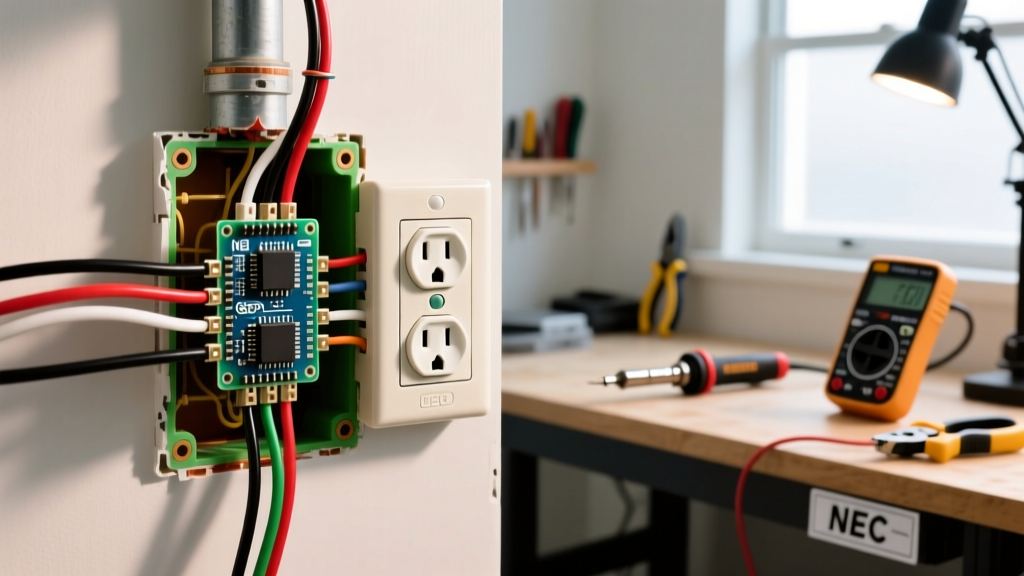
Step 3: Terminate the WR GFCI Receptacle
Identify the LINE and LOAD terminals on the back of the Leviton GFCI. The LINE terminals receive power directly from the breaker panel. The LOAD terminals feed power to downstream outlets.
- Strip the wires: Use the gauge on the back of the GFCI to strip exactly 5/8 inch of insulation from your 12 AWG or 14 AWG copper wires.
- Make secure connections: Wrap the bare copper clockwise around the brass (hot) and silver (neutral) terminal screws. Tighten them firmly. Leviton specifies a torque of 14 in-lbs for these screws to prevent thermal loosening.
- Pro-Tip (The Tape Wrap): Wrap two layers of high-quality vinyl electrical tape around the sides of the GFCI body, covering the exposed terminal screws. This prevents moisture or stray ground wires from shorting against the terminals inside the tight metal box.
Step 4: Install the Extra-Duty Cover and Seal
According to the Electrical Safety Foundation International (ESFI), proper weatherproofing is the primary defense against outdoor electrical fires. Mount the TayMac extra-duty cover over the receptacle.
The Silicone Sealing Strategy: Apply a generous bead of GE Silicone II across the top and both vertical sides of the cover where it meets the siding or masonry. Do not caulk the bottom edge. Leaving the bottom unsealed creates a vital "weep hole" that allows internal condensation to escape. Trapping condensation inside a fully caulked box will destroy the GFCI electronics from the inside out.
Troubleshooting Common Outdoor Wiring Scenarios
Even with a new GFCI, outdoor circuits present unique challenges. Here is how to handle common edge cases:
Scenario A: The GFCI Trips Immediately Upon Reset
If the new GFCI refuses to stay reset, you likely have a ground fault downstream on the LOAD side, or you have wired the Line and Load backward. Disconnect the wires from the LOAD terminals. If the GFCI now resets and holds, the fault is in the downstream wiring (e.g., a compromised landscape lighting transformer or a moisture-filled junction box further down the line).
Scenario B: Nuisance Tripping During Heavy Rain
If the outlet trips only during storms, moisture is breaching the enclosure. Check the cable entry points at the back of the junction box. If the cable jacket is cracked or the conduit fitting lacks a proper rubber sealing gasket, water will wick down the wire directly into the receptacle box. Apply exterior duct seal around all conduit entries.
Scenario C: Downstream Outlets Lose Power
If you replaced the outdoor GFCI but an interior outlet on the same circuit is now dead, you likely swapped the Line and Load wires. Use your voltage tester to identify the wire carrying constant voltage from the panel; that wire must connect exclusively to the brass and silver screws marked "LINE".
Frequently Asked Questions
Can I use a standard indoor GFCI outside if I have a bubble cover?
No. While the bubble cover protects against direct rain, it does not stop ambient humidity and condensation. Outdoor-rated receptacles (marked with "WR" for Weather Resistant) feature UV-stabilized plastics, nickel-plated brass contacts, and stainless steel mounting straps that resist corrosion. An indoor GFCI will corrode and fail prematurely.
Do I need to replace the outlet if the bubble cover is cracked?
If the cover is cracked but the GFCI test button still trips correctly and the reset button engages firmly, you may only need to replace the cover. However, if the cover has been cracked for an extended period, inspect the receptacle face for rust or mineral deposits. If corrosion is present, replace both the cover and the receptacle.
What is the difference between a 15-amp and 20-amp outdoor GFCI?
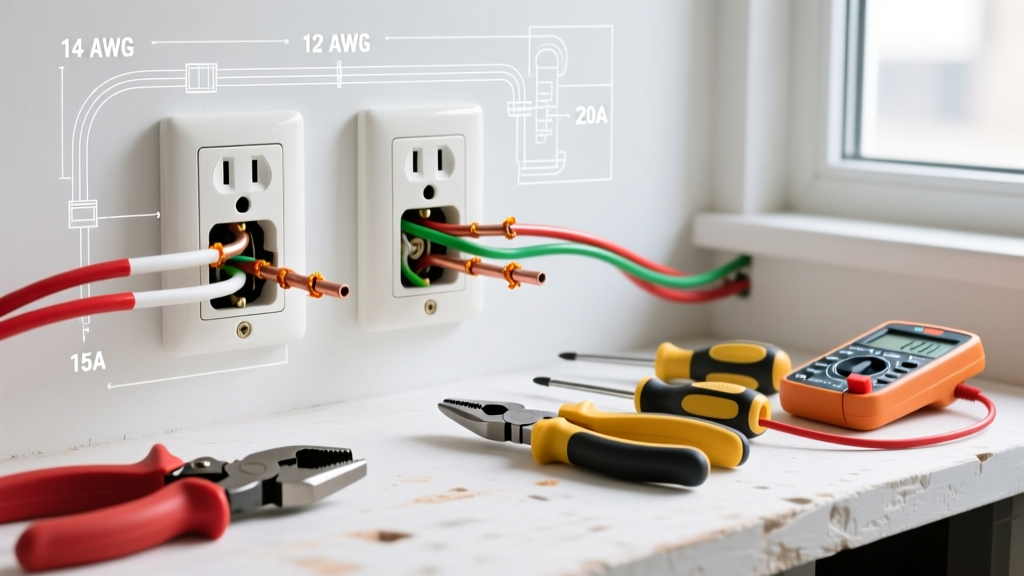
A 15-amp GFCI is standard for general-purpose outdoor use (14 AWG wire, 15-amp breaker). A 20-amp GFCI (Model 8371-W) features a T-slot neutral blade and is required if the circuit is wired with 12 AWG copper on a 20-amp breaker. It is highly recommended for outdoor spaces where you might plug in high-draw equipment like power washers, table saws, or heavy-duty electric snow blowers.
For more information on maintaining a safe home exterior, review the Consumer Product Safety Commission's home safety guides regarding outdoor electrical equipment and extension cord usage.