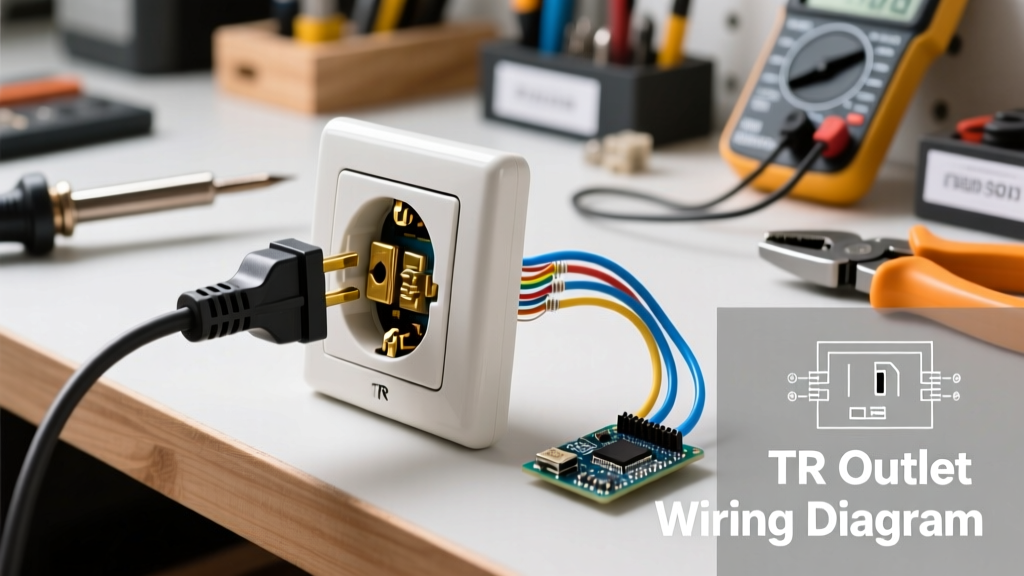

The Anatomy of a TR Electrical Outlet Shutter Mechanism
If you have ever tried to plug a lamp into a wall receptacle only to be met with a rigid, unyielding plastic barrier, you have encountered the internal shutter mechanism of a TR electrical outlet. Tamper-Resistant (TR) receptacles are no longer optional upgrades; they are the baseline standard for modern electrical safety. However, when the internal mechanism fails or binds, it transforms a simple plug-in task into a frustrating diagnostic puzzle.
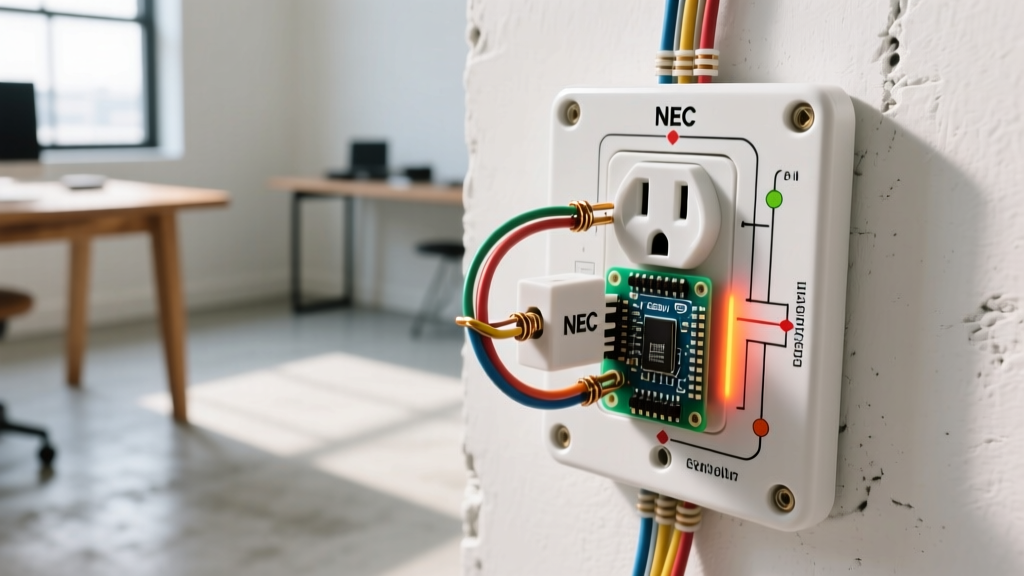
Unlike standard receptacles that offer an open path to the brass and nickel contacts, a TR electrical outlet features a dual-shutter system made of high-impact, flame-retardant nylon or polycarbonate. These shutters are held in place by internal beryllium copper or stainless steel spring clips. According to the Electrical Safety Foundation International (ESFI), the shutters are designed to require simultaneous, equal pressure on both prongs to open. This unequal-pressure requirement prevents children from inserting single objects—like paperclips or keys—into the hot or neutral slots.
When a TR electrical outlet rejects a plug, the issue rarely stems from the wiring itself. Instead, it is almost always a mechanical failure within the shutter housing, debris accumulation, or a physical defect in the plug prongs. In this comprehensive troubleshooting guide, we will dissect the exact failure modes of TR receptacles and provide step-by-step diagnostic procedures to restore functionality.
Top 4 Reasons Your TR Electrical Outlet Rejects Plugs
Before grabbing a screwdriver to replace the receptacle, you must isolate the root cause. Standard receptacles require roughly 8 to 10 Newtons of insertion force. A functioning TR electrical outlet requires between 15 and 25 Newtons. If the required force exceeds 30 Newtons, or if the plug simply will not seat, one of the following four issues is to blame.
1. Unequal Prong Insertion and Plug Defects
The most common 'failure' of a TR electrical outlet is actually a plug defect. If the prongs on your device's plug are slightly bent, folded, or manufactured with uneven lengths, the internal shutters will not receive the simultaneous pressure required to retract. Even a 1-millimeter discrepancy in prong length will cause the shutter on the longer prong side to open, while the shorter prong side remains locked, binding the entire mechanism.
- Diagnostic Test: Place the plug prongs on a perfectly flat surface (like a glass table or a machinist square). If one prong rocks or fails to make full contact, the plug is defective.
- Solution: Replace the plug head or use needle-nose pliers to carefully realign the prongs to a strict 90-degree angle relative to the plug face.
2. Debris and Drywall Dust in the Shutter Housing
During new construction or remodeling, drywall dust, paint overspray, and joint compound frequently infiltrate the receptacle slots. Because the tolerances between the TR shutters and the housing walls are less than 0.5 millimeters, even a fine layer of dust can act like cement, freezing the spring mechanism.
- Diagnostic Test: Shine a high-lumen flashlight into the slots. Look for white/gray dust accumulation or hardened paint on the beveled edges of the shutters.
- Solution: Turn off the circuit breaker. Use a can of compressed air with a precision straw to blow out the slots. For hardened paint, use a wooden toothpick or a non-conductive nylon pick to gently scrape the bevel edges. Never use metal tools or liquids.
3. Broken Internal Spring Tension
In budget-grade residential TR receptacles (typically priced between $1.50 and $2.50), the internal spring clips can snap or lose their temper after repeated heavy use or forceful plug removals. If the spring on one side breaks, the shutter will hang loose, blocking the slot entirely.
- Diagnostic Test: Insert a non-conductive plastic spudger into the hot and neutral slots individually. A functioning shutter will offer firm, springy resistance and snap back instantly. A broken shutter will feel mushy, scrape against the housing, or fail to return to the closed position.
- Solution: The receptacle must be replaced. Internal springs are not serviceable.
4. Carbon Tracking and Arcing Damage
If a high-draw appliance (like a space heater or window AC unit) was repeatedly plugged and unplugged while under load, micro-arcing can occur between the plug prongs and the internal brass contacts. Over time, this creates carbon tracking—a conductive, burnt residue that builds up on the nylon shutters, causing them to melt slightly and fuse to the housing.
- Diagnostic Test: Smell the receptacle face for ozone or burnt plastic. Visually inspect for black soot marks around the slot openings.
- Solution: Immediate replacement is required. Carbon tracking is a severe fire hazard that compromises the dielectric strength of the plastic housing.
Step-by-Step Diagnostic Testing for TR Receptacles
If the mechanical shutters appear clean and functional, but the outlet is still failing to deliver power to the device, you must verify the electrical integrity of the TR contacts using a multimeter and a receptacle tester.
- Verify Circuit Power: Use a non-contact voltage tester (NCVT) to confirm the circuit is live before inserting a plug tester.
- Insert a Solenoid Tester or Plug Analyzer: Use a tool like the Klein Tools RT250. Because the RT250 has standard, perfectly machined prongs, it will easily defeat the TR shutters. If the RT250 indicates an 'Open Hot' or 'Open Neutral' but the breaker is on, the internal TR contacts have failed to grip the plug prongs.
- Terminal Voltage Check: Turn off the breaker, remove the receptacle cover, and pull the outlet from the gang box. Turn the breaker back on. Set your multimeter to VAC. Place the probes directly on the brass (hot) and silver (neutral) terminal screws. You should read between 118V and 122V. If you have voltage at the terminals but not at the face, the internal TR bus bar connection has fractured.
TR vs. Standard Receptacles: Grade Comparison Matrix
Not all TR electrical outlets are manufactured equally. The insertion force and longevity of the shutter mechanism vary wildly depending on the NEMA grade of the receptacle. When troubleshooting repeated failures, upgrading to a higher grade is often the most cost-effective long-term solution.
| Receptacle Grade | Model Example | Avg. Insertion Force | Spring Material | 2026 Retail Price |
|---|---|---|---|---|
| Residential | Leviton T5320-WCP | 20 - 25 Newtons | Carbon Steel | $2.50 - $3.50 |
| Commercial / Spec | Hubbell 5262-TR | 15 - 18 Newtons | Beryllium Copper | $7.00 - $9.50 |
| Hospital Grade | Pass & Seymour 5262-HGTR | 12 - 15 Newtons | Stainless Steel | $14.00 - $18.00 |
Note: Hospital Grade (HG) TR receptacles feature reinforced yokes and highly calibrated springs designed for thousands of insertions without losing tension, making them the ultimate fix for 'stubborn' outlet complaints in high-traffic areas.
Code Compliance and Safety Standards (NEC 2026)
When replacing a faulty TR electrical outlet, you cannot revert to a standard, non-TR receptacle. As of the 2026 National Electrical Code (NEC) cycle, Article 406.12 strictly mandates that all 15- and 20-ampere, 125- and 250-volt non-locking receptacles installed in dwelling units, guest rooms, and childcare facilities must be tamper-resistant. This includes GFCI and AFCI receptacles. Attempting to bypass a broken TR mechanism by filing down the internal shutters is a direct violation of the NEC and voids the UL listing of the device, potentially exposing the homeowner to severe liability in the event of an electrical fire or injury.
Pro-Tip for Electricians: When installing commercial-grade TR outlets in areas prone to moisture, ensure you are using WR (Weather-Resistant) TR receptacles. The UV-stabilized polycarbonate shutters in WR models resist the swelling and binding that standard nylon shutters experience in high-humidity environments.
Frequently Asked Questions
Can I use a plug adapter to bypass a broken TR shutter?
No. Using a cheater plug or a 3-prong to 2-prong adapter does not bypass the TR mechanism; it merely shifts the insertion point. If the internal shutter is physically broken or jammed with debris, no adapter will safely bridge the connection, and attempting to force one can cause the adapter prongs to snap off inside the receptacle.
Why does my new TR electrical outlet feel incredibly tight?
New TR receptacles, particularly residential grades, have stiff factory-calibrated springs. The insertion force will naturally decrease by about 15% after the first 20 to 30 plug cycles as the polycarbonate shutters wear in. If it remains excessively difficult to use after a month, replace it with a Commercial or Spec-grade TR outlet.
Do TR outlets wear out faster than standard outlets?
Mechanically, TR outlets have more moving parts, which introduces a new point of failure (the shutter springs). However, electrically, the internal brass contacts are identical to standard receptacles. According to OSHA electrical safety guidelines, the primary wear factor in any receptacle is the loss of contact tension on the brass grips, which TR status does not negatively impact.