
The NEC Mandate: Why 'In-Use' Covers Are Non-Negotiable
If you have ever failed an exterior electrical inspection, the culprit is frequently the receptacle cover. For decades, flat metal plates were the standard for outdoor outlets. However, wind-driven rain, sprinkler systems, and capillary action routinely defeated these flat covers, leading to ground faults, tripped breakers, and severe shock hazards. To combat this, the National Fire Protection Association (NFPA) fundamentally rewrote the rules for exterior receptacle enclosures. Today, installing a compliant outdoor electrical box weatherproof cover quick-fit single outlet protector is not just a best practice; it is a strict legal requirement under the National Electrical Code (NEC).
Modern exterior electrical safety relies on 'extra-duty' or 'while-in-use' covers. These enclosures are engineered to maintain a weatherproof seal even when a cord is plugged in and the lid is closed. In 2026, with extreme weather events increasing in frequency, the integrity of your exterior electrical enclosures is more critical than ever. Inspectors are actively rejecting outdated flat covers and poorly sealed die-cast metal boxes in favor of advanced, quick-fit polycarbonate solutions that guarantee long-term moisture exclusion.
Breaking Down NEC Article 406.9(B)(1)
To understand the legal framework, we must look directly at the National Fire Protection Association (NFPA) 70: National Electrical Code. Specifically, NEC Article 406.9(B)(1) dictates the rules for 15- and 20-ampere receptacles installed in damp or wet locations.
NEC 406.9(B)(1) Wet Locations: 'All 15- and 20-ampere, 125- and 250-volt nonlocking-type receptacles installed in wet locations shall be listed and shall have an enclosure that is weatherproof whether or not the attachment plug cap is inserted.'
This single sentence outlawed the old 'bubble covers' that only protected the outlet when nothing was plugged in. If a homeowner plugs in a holiday light display or a power washer and the cover cannot close and seal over the cord, the installation is in direct violation of the NEC. Quick-fit single outlet protectors are specifically molded with deep, hinged domes and flexible cord grommets to satisfy this exact code section.
What Defines a 'Quick-Fit' Single Outlet Protector?
The term 'quick-fit' or 'easy-fit' in the electrical industry refers to a specific generation of polycarbonate in-use covers designed to solve the installation headaches associated with traditional die-cast metal bubble covers. Traditional metal covers require precise threading, often feature fragile pin-hinges that snap during installation, and struggle to seal against uneven exterior siding like stucco, cedar shakes, or vinyl lap siding.
A premium quick-fit protector—such as the TayMac MX1000 1-Gang Extra-Duty In-Use Cover or the Bell 5423 series—utilizes a unibody polycarbonate construction with a 'living hinge.' This eliminates metal hinge pins that corrode and seize. Furthermore, quick-fit models feature an oversized, flanged backplate with a pre-attached, high-durometer silicone gasket. This gasket compresses unevenly to fill the gaps created by textured exterior wall finishes, ensuring a watertight seal without the need for unapproved chemical sealants.
Comparative Analysis: Quick-Fit Polycarbonate vs. Traditional Die-Cast Metal
When sourcing materials for an exterior outlet upgrade, electricians and DIYers must choose between legacy metal designs and modern quick-fit polymers. Below is a 2026 market and performance comparison to guide your purchasing decision.
| Feature | Quick-Fit Polycarbonate (e.g., TayMac MX1000) | Traditional Die-Cast Metal (e.g., Bell 5361-0) |
|---|---|---|
| Material Composition | UV-stabilized Polycarbonate | Powder-coated Zinc/Aluminum Alloy |
| Average Retail Price (2026) | $16.50 - $22.00 | $12.00 - $18.00 |
| Hinge Mechanism | Unibody Living Hinge (Corrosion-proof) | Stainless Steel Pin Hinge (Prone to seizing) |
| Siding Adaptability | High (Flexible flange compresses into stucco/wood) | Low (Rigid metal requires perfectly flat mounting) |
| Internal Receptacle Gasket | Pre-attached foam yoke gasket included | Sold separately or omitted in budget kits |
| UV Degradation Risk | Low (If UV-inhibited; cheap ABS plastics will yellow) | Moderate (Powder coat chips, leading to oxidation) |
Step-by-Step Installation for Code Compliance
Installing an outdoor electrical box weatherproof cover quick-fit single outlet protector requires attention to detail. The International Association of Electrical Inspectors (IAEI) frequently notes that improper installation of listed weatherproof enclosures voids their UL rating. Follow these precise steps to ensure compliance and longevity.
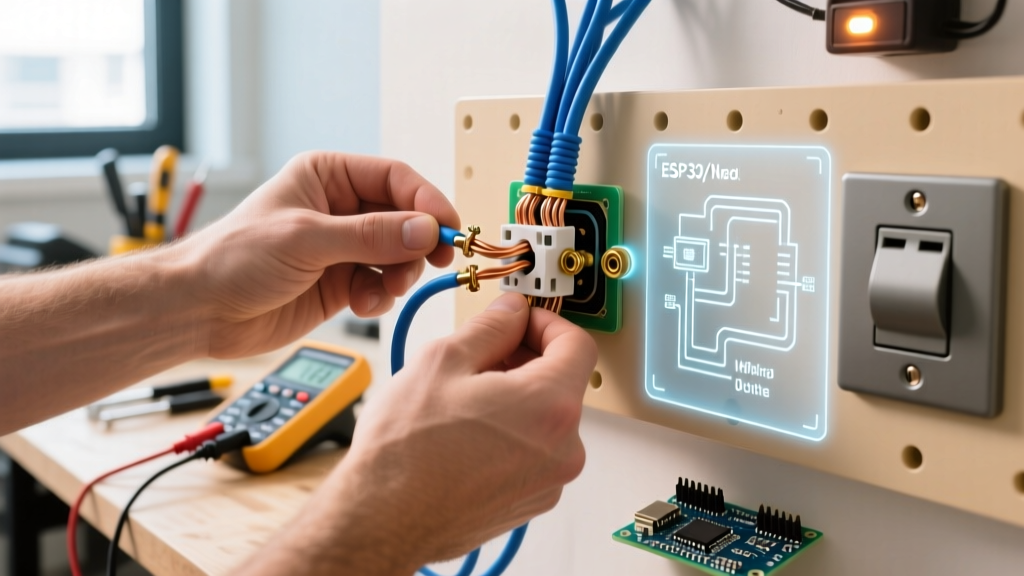
- Verify Power Isolation: Use a non-contact voltage tester (NCVT) and a multimeter at the receptacle to confirm the circuit is de-energized. Lock out and tag out the breaker panel.
- Remove the Existing Enclosure: Unscrew the old cover and pull the receptacle forward. Inspect the interior of the electrical box for corrosion, water pooling, or degraded wire insulation. If the box is rusted through, it must be replaced before proceeding.
- Install the Foam Yoke Gasket: This is the most commonly skipped step. Slide the provided foam gasket over the receptacle so it sits between the receptacle's metal yoke (strap) and the interior face of the weatherproof cover. This prevents water that breaches the outer shell from entering the electrical box.
- Position the Quick-Fit Cover: Align the cover over the receptacle. Ensure the internal cord-grommet flaps are facing downward. Feed the mounting screws through the cover's pre-drilled holes and into the electrical box's threaded hubs.
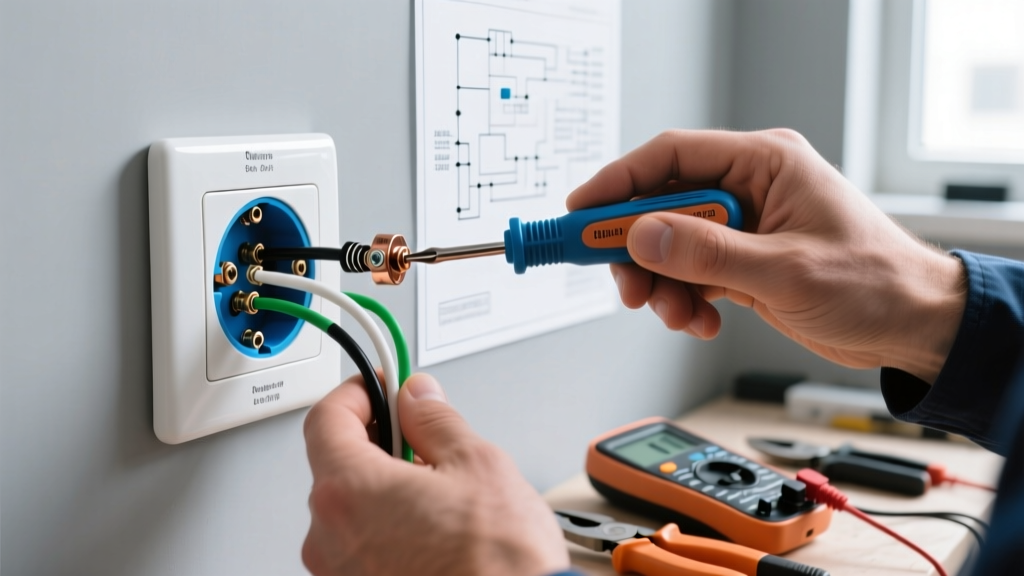
- Torque to Specification: Tighten the mounting screws evenly. If using a polycarbonate quick-fit cover, do not over-torque. Use a screwdriver to snug the screws until the silicone gasket compresses and bulges slightly at the edges. Over-tightening to >15 in-lbs will crack the polycarbonate flange, instantly failing the weatherproof rating.
- Test the 'In-Use' Seal: Plug in a heavy-duty outdoor extension cord. Close the lid. The lid must latch completely without pinching the cord jacket. If the cord is too thick and prevents the latch from engaging, the installation fails NEC 406.9(B)(1).
Common Inspection Failures & Edge Cases
Even with a high-quality quick-fit single outlet protector, electricians and homeowners routinely fail inspections due to peripheral errors. Be aware of these specific edge cases:
- The Caulking Violation: Many DIYers attempt to bead silicone caulk around the top and sides of the weatherproof cover to 'ensure' a watertight seal. This is a massive red flag for inspectors. Caulk degrades under UV exposure, traps condensation inside the enclosure, and voids the UL listing of the gasketed cover. If water gets in, it cannot drain out. Rule of thumb: Never caulk the top or sides of a gasketed outdoor electrical box.
- Missing the Bottom Weep Hole: Quick-fit covers feature a small drainage channel or 'weep hole' at the bottom hinge. If you caulk the bottom edge (which is sometimes permissible depending on local AHJ amendments), you must leave this weep hole completely clear to allow internal condensation to escape.
- Using Drywall Screws: The NEC requires all exterior hardware to be corrosion-resistant. Using standard zinc-plated drywall screws to mount the cover will result in rust streaks and eventual structural failure within 18 months. Always use the stainless steel or heavily coated screws provided in the quick-fit kit.
- Receptacle Orientation: While the NEC does not explicitly mandate the orientation of the ground pin (up or down) for standard outdoor receptacles, installing the ground pin 'up' is an industry best practice for exterior locations. If water bypasses the cover gasket, it will drip down the face of the receptacle and fall off the bottom, rather than pooling directly into the energized hot/neutral slots.
Frequently Asked Questions
Can I use a quick-fit cover on a GFCI receptacle?
Yes, and you must. All 15A and 20A outdoor receptacles are required by NEC 210.8(A)(3) to have Ground-Fault Circuit-Interrupter (GFCI) protection. Quick-fit single outlet protectors are designed with deep 'extra-duty' domes specifically to accommodate the bulky physical profile of modern GFCI receptacles, which protrude further from the mounting yoke than standard duplex receptacles.
Do quick-fit polycarbonate covers shatter in freezing temperatures?
Cheap, non-UV-stabilized ABS plastic covers will become brittle and shatter if struck by a falling branch in sub-zero temperatures. However, premium quick-fit covers manufactured from high-impact, UV-stabilized polycarbonate (like those rated for -40°F to 140°F) maintain their structural integrity and flexibility even in extreme winter conditions. Always check the packaging for the specific temperature rating and UL listing.
What if my exterior siding is deeply textured, like stone veneer?
If the stone veneer or stucco is too uneven for the standard silicone gasket to seal, you must use a specialized mounting block or siding block (such as the Arlington Industries 8141 series) behind the electrical box. This provides a perfectly flat, code-compliant mounting surface for your quick-fit weatherproof cover, ensuring the gasket can do its job without being compromised by the masonry.
For more comprehensive guidelines on exterior electrical safety and workplace compliance, refer to the Occupational Safety and Health Administration (OSHA) Electrical Safety Guidelines. Upgrading to a modern, quick-fit weatherproof enclosure is a minor investment that guarantees code compliance, protects your home's electrical infrastructure, and ensures the safety of anyone utilizing your exterior power sources.