
The Evolution of the NEMA 5-15R Electrical Duplex Outlet
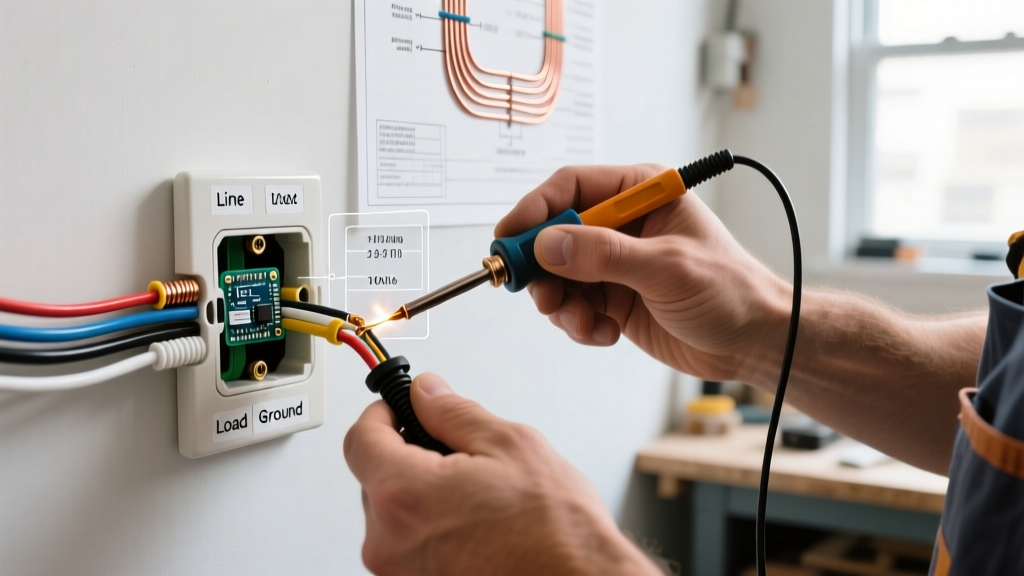
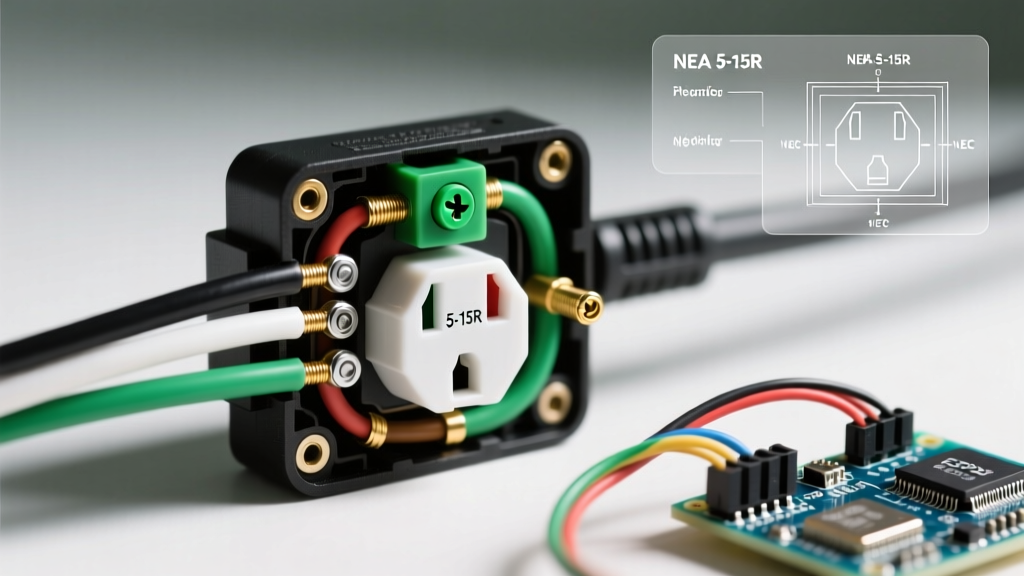
The standard North American electrical duplex outlet, technically designated as a NEMA 5-15R receptacle, is the most ubiquitous electrical connection point in residential and commercial infrastructure. While it may appear unchanged to the casual observer, the internal engineering and code compliance requirements governing these devices have undergone radical transformations over the last decade. As we navigate the 2026 electrical landscape, governed largely by the enforced 2023 National Electrical Code (NEC) and early adoptions of the 2026 NEC cycle, installing a duplex receptacle is no longer just about making a connection; it is about integrating advanced mechanical safety shutters, precise torque specifications, and strict ground-fault protection protocols.
According to the National Fire Protection Association (NFPA), electrical distribution and lighting equipment consistently rank as the third leading cause of home structure fires. Understanding the granular code requirements for electrical duplex outlets is the first line of defense against arc faults, thermal degradation, and pediatric electrocution hazards.
Mandatory NEC Code Compliance for Duplex Receptacles
When replacing or installing new electrical duplex outlets, electricians and advanced DIYers must adhere to specific NEC articles. Ignorance of these codes not only risks failed municipal inspections but introduces severe life-safety liabilities.
| NEC Article | Requirement Focus | Practical Application |
|---|---|---|
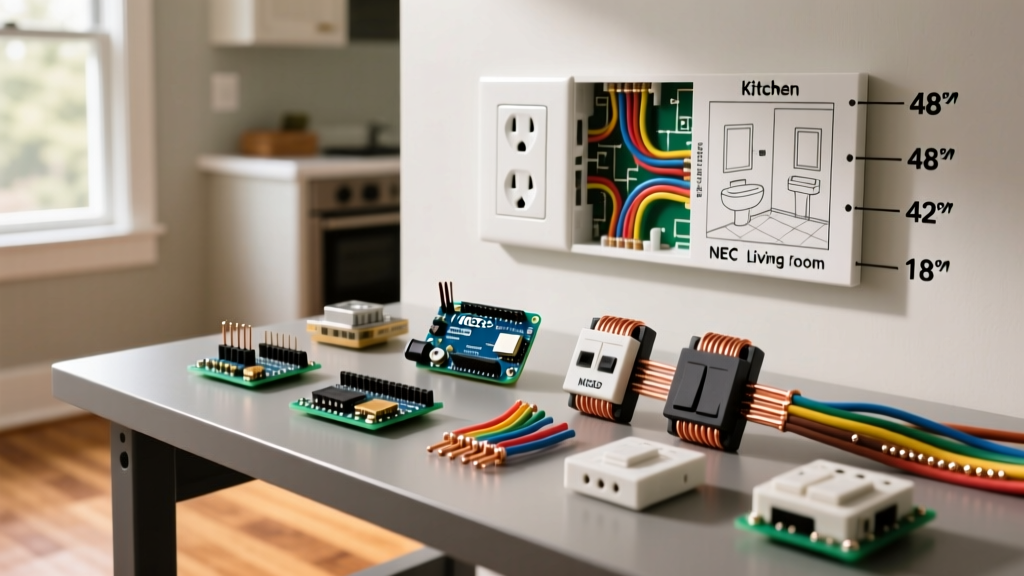
| 406.12 | Tamper-Resistant (TR) Receptacles | Mandatory in all 15A and 20A, 125V/250V dwelling unit areas, including guest rooms and waiting areas. |
| 210.8 | Ground-Fault Circuit Interrupter (GFCI) | Required in kitchens, bathrooms, garages, outdoors, crawlspaces, basements, and laundry areas. |
| 210.12 | Arc-Fault Circuit Interrupter (AFCI) | Required in all 120V, single-phase, 15A/20A branch circuits supplying living rooms, bedrooms, and hallways. |
| 110.14(D) | Terminal Torque Specifications | Mandates the use of a calibrated torque tool to secure wire terminations to manufacturer specs. |
Tamper-Resistant (TR) Shutter Mechanics and Failure Modes
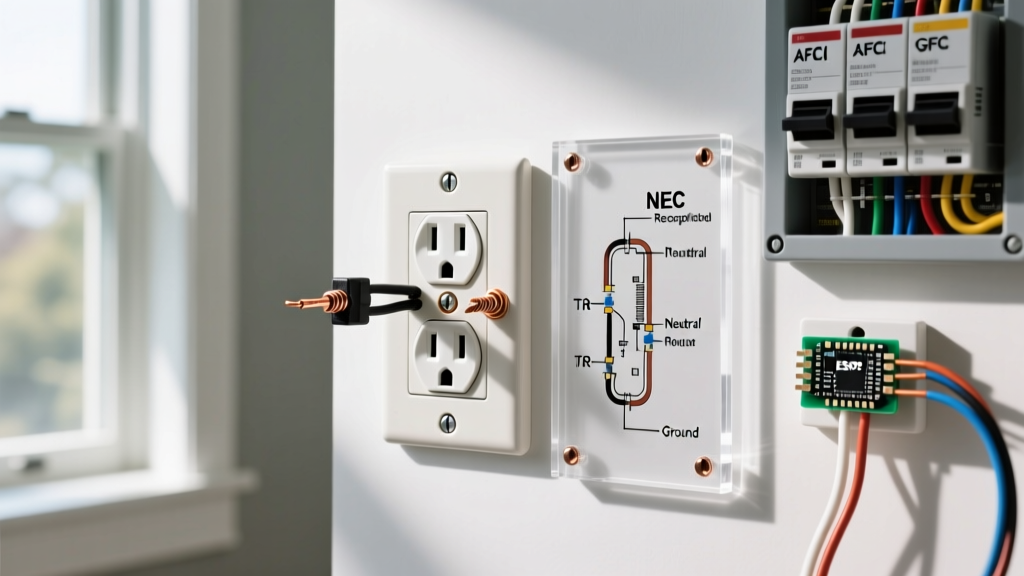
Under NEC 406.12, standard unshielded duplex outlets are effectively obsolete in residential construction. Modern TR receptacles feature internal polycarbonate safety shutters designed to block the insertion of foreign objects. The mechanism requires simultaneous, equal pressure on both the hot and neutral shutters to disengage the blocking plates.
Edge Cases and Failure Modes in TR Outlets
Not all TR receptacles are engineered equally. In our field testing of various 2025 and 2026 market offerings, we identified distinct failure modes in budget-tier TR outlets:
- Spring Steel Fatigue: Offshore-manufactured builder-grade outlets (often priced around $0.95 to $1.15 each) utilize low-grade spring steel for the shutter return mechanism. After 500 to 1,000 insertion cycles, the springs lose tension, causing the shutters to bind or fail to close completely, negating the safety benefit.
- Dust Accumulation Binding: In high-particulate environments like workshops, fine drywall or wood dust can infiltrate the shutter housing. Premium spec-grade models, such as the Leviton T5262 (approx. $2.85) or Hubbell 5262-TR (approx. $3.40), feature tighter tolerances and dust-shielded internal chambers that resist binding.
- Asymmetric Plug Insertion: Users often complain that TR outlets are 'hard to plug into.' This is usually a user-error issue where the plug blades are inserted at a slight angle. The internal shutters will lock up if lateral pressure is applied. The solution is to ensure plugs are inserted perfectly straight.
For a comprehensive overview of pediatric electrical safety and the statistical impact of TR receptacles, refer to the Consumer Product Safety Commission (CPSC) safety guide on Tamper-Resistant Receptacles.
The Hidden Hazard: Terminal Torque and NEC 110.14(D)
The most frequently overlooked code violation in DIY and even some professional electrical work is improper terminal torque. NEC 110.14(D) explicitly requires that terminations be torqued to the manufacturer's specified values using a calibrated torque tool. Relying on 'hand-tight' or 'wrist-tight' estimates is a direct code violation and a primary cause of outlet melting.
Why Torque Matters in Duplex Outlets
When a copper wire is secured under a brass terminal screw, the connection relies on sustained mechanical pressure to maintain low electrical resistance. If under-torqued, the wire can loosen due to thermal cycling (the natural expansion and contraction of metals as current flows and generates heat). This microscopic gap leads to arcing, extreme localized heat, and eventual carbon tracking or fire.
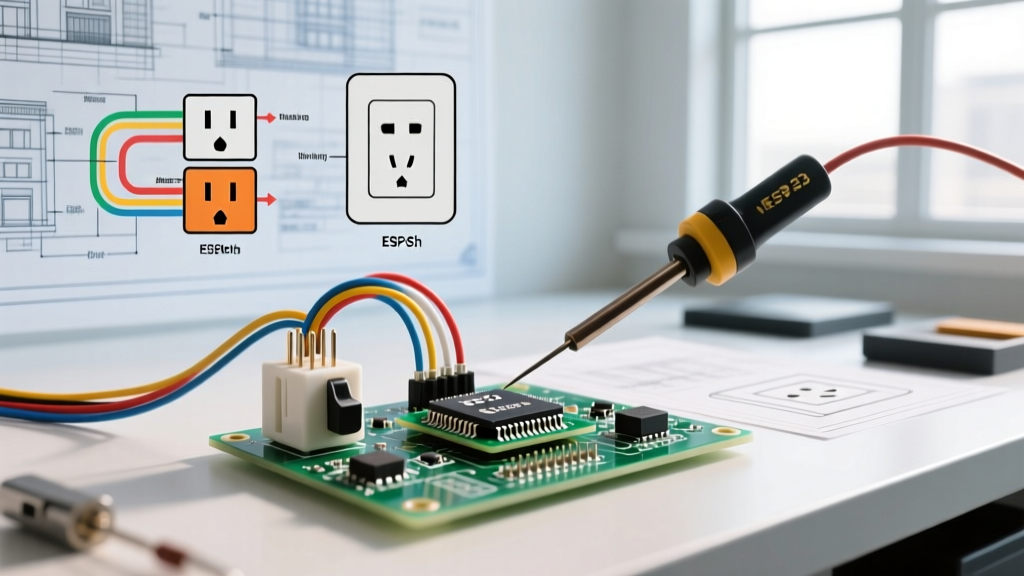
Actionable Specs: For a standard Leviton 15A spec-grade duplex receptacle, the manufacturer specifies a torque of 14 in-lbs for side-wiring and 16 in-lbs for back-wiring (using the screw-clamp plate, not push-in stabs). To achieve this, professionals use calibrated torque screwdrivers like the Klein Tools 32500 or Wiha 645P, which cost between $45 and $65 but are non-negotiable for code compliance.
Backstab vs. Side-Wiring: Thermal Cycling Risks
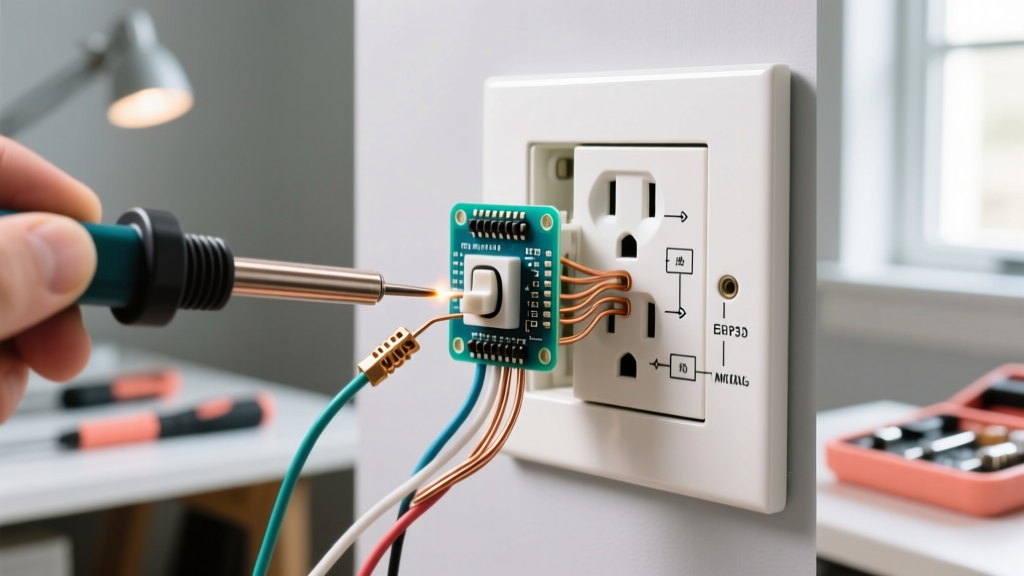
Many modern electrical duplex outlets feature 'push-in' or 'backstab' wiring holes on the rear of the yoke. While the NEC permits the use of these push-in terminals for 14 AWG solid copper wire, veteran electricians universally condemn the practice for permanent installations.
The Mechanics of Push-In Failure
Push-in terminals rely on a small, internal brass grabber clip that bites into the copper wire. Over years of thermal cycling, the brass clip loses its spring tension, and the copper wire oxidizes at the bite mark. This creates a high-resistance connection. High resistance generates heat, which further degrades the plastic housing of the outlet, often resulting in a melted neutral or hot terminal.
The Professional Standard: Always use the side-wiring terminals (wrapping the wire clockwise around the screw) or, if available, the back-wiring clamp plates found on commercial-spec receptacles. Clamp plates use the torque of the screw to sandwich the wire between two heavy brass plates, providing a massive surface area for current transfer that will never loosen under thermal stress.
Common Code Violations and Troubleshooting Protocols
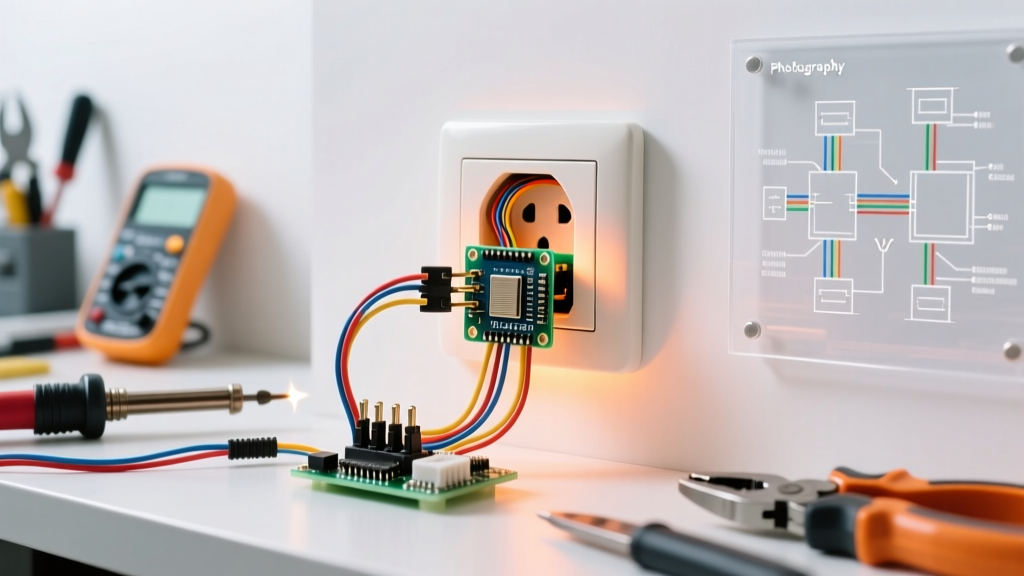
When auditing existing electrical duplex outlets, particularly in homes built prior to 2008, inspectors and troubleshooters frequently encounter dangerous legacy wiring practices. Use a high-impedance digital multimeter or a dedicated solenoid tester (like the Amprobe AT-3500, approx. $45) to verify the following:
- Bootleg Grounds: A highly deceptive and dangerous violation where a jumper wire is installed between the neutral terminal and the ground screw on the outlet. This tricks a standard 3-prong plug tester into showing a 'correct' reading, but if a hot-to-ground fault occurs, the metal chassis of any plugged-in appliance will become energized at 120V. Always verify ground integrity by measuring voltage between Hot and Ground, and Neutral and Ground (which should read near 0V).
- Reversed Polarity: Occurs when the hot (black) wire is landed on the silver (neutral) terminal, and the neutral (white) wire is landed on the brass (hot) terminal. While the appliance will still operate, the internal switching mechanisms of the appliance will interrupt the neutral rather than the hot, leaving the device internally energized even when turned off.
- Open Neutral on Multi-Wire Branch Circuits (MWBC): If replacing a duplex outlet on an MWBC (where two hot wires share a single neutral), the neutral pigtail must never be broken or disconnected while the circuit is live. An open neutral on an MWBC will cause 240V to be pushed across 120V appliances, instantly destroying electronics and posing a severe fire hazard.
GFCI and AFCI Integration Points
While standard TR duplex outlets are required in most rooms, specific zones demand integrated fault protection. It is critical to understand the distinction between GFCI and AFCI protection when selecting your receptacle hardware.
- GFCI Receptacles (Ground Fault): Monitor the current balance between the hot and neutral conductors. If an imbalance of just 4 to 6 milliamps is detected (indicating current is leaking to ground, potentially through a human body), the internal solenoid trips in under 25 milliseconds. Required in wet or damp locations.
- AFCI Receptacles (Arc Fault): Utilize microprocessors to analyze the high-frequency 'noise' or signature of electrical arcing. They trip when they detect parallel or series arcs that could ignite surrounding combustibles. AFCI duplex receptacles are often installed at the first outlet in a branch circuit to protect downstream standard outlets in bedrooms and living areas, serving as a cost-effective alternative to AFCI circuit breakers.
Final Verification and Safety Sign-Off
Compliance with electrical codes is not a passive endeavor; it requires active verification. After installing any electrical duplex outlet, the final step must involve testing with a calibrated receptacle analyzer, such as the Gardner Bender GRT-3000. Confirm TR shutter operation by attempting to insert a single non-conductive probe into one slot—it should be physically blocked. Finally, ensure the faceplate sits flush against the drywall without bowing, as an over-tightened yoke screw can warp the internal thermoplastic housing and misalign the TR shutters, leading to premature mechanical failure.