
Navigating the NEC: A Code-First Approach to Receptacles
Understanding the myriad of electrical wall outlet types is not just a matter of matching plug shapes; it is a strict exercise in National Electrical Code (NEC) compliance. Whether you are wiring a new addition, upgrading a kitchen, or installing a Level 2 EV charger, selecting the wrong receptacle configuration or ignoring location-specific mandates will result in failed inspections and severe fire or shock hazards. As we move through the 2023 NEC adoption cycle and look toward 2026 local amendments, the requirements for tamper resistance, weather resistance, and fault protection have expanded significantly.
This guide decodes the exact NEC articles governing residential and commercial outlet types, providing the specific product ratings, wire gauges, and installation parameters required to pass inspection on the first visit.
Standard 15A vs. 20A Receptacles: NEMA Configurations & Circuit Rules
The most common electrical wall outlet types in North America fall under the NEMA 5 series (125V, grounded). However, a frequent point of confusion—and a common cause for inspector red-tags—is the mismatch between circuit breaker amperage and receptacle rating.
| NEMA Config | Rating | Wire Gauge (Copper) | Breaker Size | NEC Rule & Application |
|---|---|---|---|---|
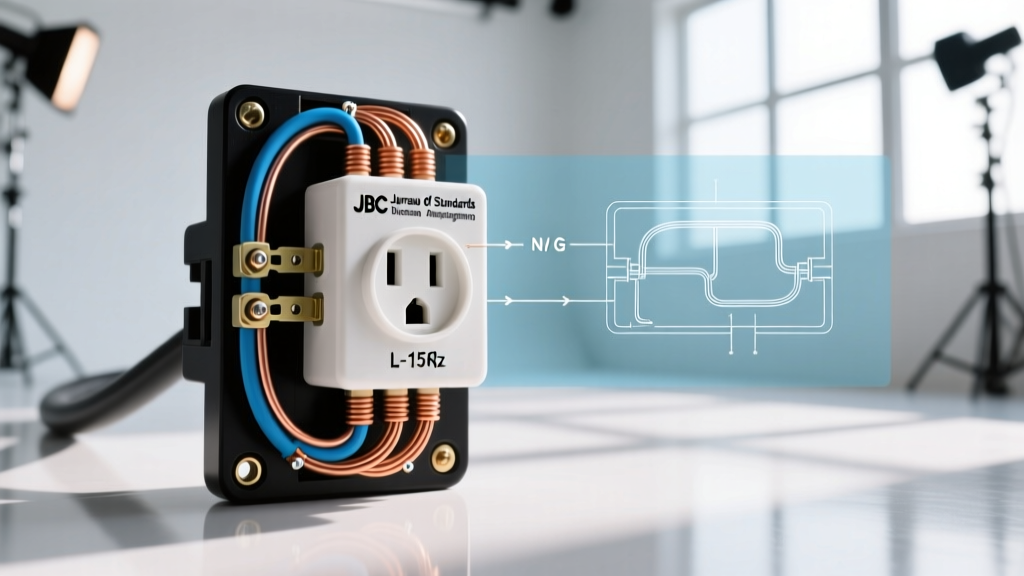
| 5-15R | 15A / 125V | 14 AWG or 12 AWG | 15A (or 20A*) | Standard bedrooms, living rooms. *Allowed on 20A circuits if multiple outlets exist (NEC 210.21(B)(3)). |
| 5-20R | 20A / 125V | 12 AWG or 10 AWG | 20A | Kitchen small-appliance branches, bathrooms, garages. Features a T-shaped neutral slot. |
| 6-50R | 50A / 250V | 6 AWG (or 4 AWG) | 50A | Welders, heavy shop equipment. No neutral, hot-hot-ground only. |
| 14-50R | 50A / 125/250V | 6 AWG (or 4 AWG) | 50A | Electric ranges, RV hookups, and hardwired EV chargers. Hot-hot-neutral-ground. |
The Single Receptacle Exception (NEC 210.21(B)(1))
If you are installing a single receptacle on an individual branch circuit (meaning only one outlet on that breaker), the receptacle's amperage rating must exactly match the branch circuit rating. You cannot put a 15A NEMA 5-15R on a dedicated 20A circuit. You must use a 20A NEMA 5-20R. This prevents a user from plugging in a 20A appliance that could draw continuous current and overheat a 15A receptacle yoke.
Tamper-Resistant (TR) Mandates: Beyond the Basics
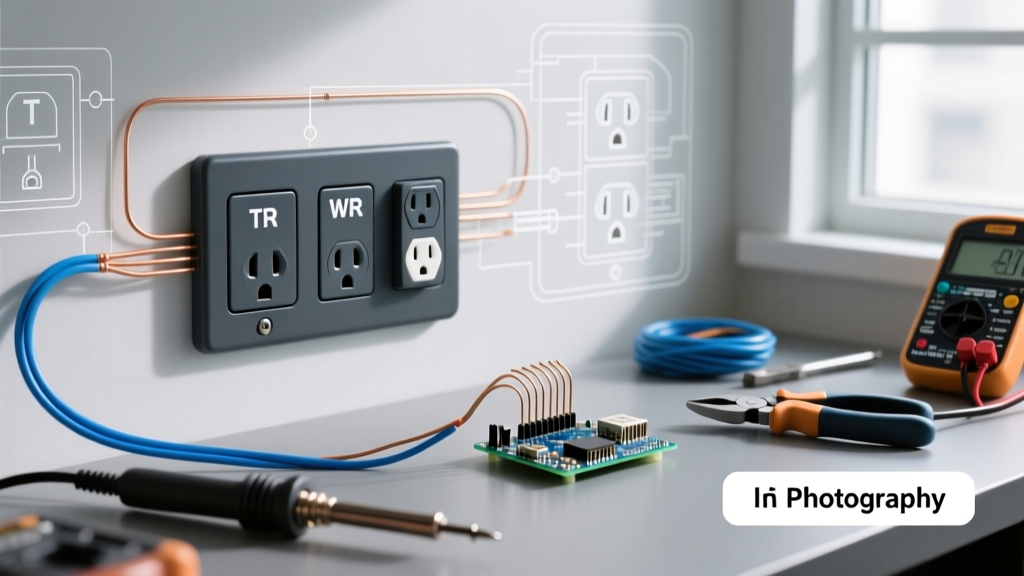
Since its introduction in the 2008 NEC, the Tamper-Resistant (TR) requirement has saved countless children from severe electrical burns. Under NEC 406.12, all 15A and 20A, 125V and 250V non-locking receptacles in dwelling units must be listed as tamper-resistant.
- The Mechanism: TR receptacles feature internal spring-loaded shutter plates. According to UL 498 testing standards, these shutters require simultaneous, equal pressure on both slots to open. A child pushing a single object (like a hairpin or key) into one slot will not disengage the shutter.
- Expanded Locations: The NEC has progressively expanded TR requirements beyond just child-occupied areas. As of recent code cycles, TR receptacles are required in guest rooms, dormitories, and even certain commercial waiting areas.
- Product & Cost: Standard TR models, such as the Leviton T5320-W (15A) or Hubbell TR520 (20A), typically cost between $1.50 and $3.50 each. There is no financial or practical reason to install non-TR receptacles in modern construction.
Weather-Resistant (WR) & Damp Location Rules
Outdoor outlets face extreme environmental stressors, including UV radiation, freezing temperatures, and corrosive salt air. NEC 406.9(A) mandates that all 15A and 20A receptacles installed in damp or wet locations must be listed as Weather-Resistant (WR).
Inspector's Note: A standard indoor TR receptacle installed on a covered porch will fail inspection. Covered porches are classified as 'damp locations.' The receptacle yoke must bear the 'WR' stamp, indicating it is constructed with UV-stabilized thermoplastics and nickel-plated brass contacts to prevent corrosion and cold-weather shattering.
Weatherproof Cover Requirements
The receptacle itself is only half the battle. NEC 406.9(B)(1) requires that receptacles in wet locations (where exposed to direct rain or hose spray) must have an 'in-use' weatherproof cover. These bubble covers (often called extra-duty covers) allow a cord to be plugged in while keeping the cover fully closed and sealed. Expect to pay $8.00 to $15.00 for a high-quality, die-cast aluminum in-use cover from brands like TayMac or Bell.
GFCI vs. AFCI: Protection Methods vs. Outlet Types
It is vital to distinguish between the physical outlet type and the protection method. Ground Fault Circuit Interrupter (GFCI) and Arc Fault Circuit Interrupter (AFCI) are safety mechanisms that can be integrated directly into the receptacle or handled at the circuit breaker.
Class A GFCI Receptacles (NEC 210.8)
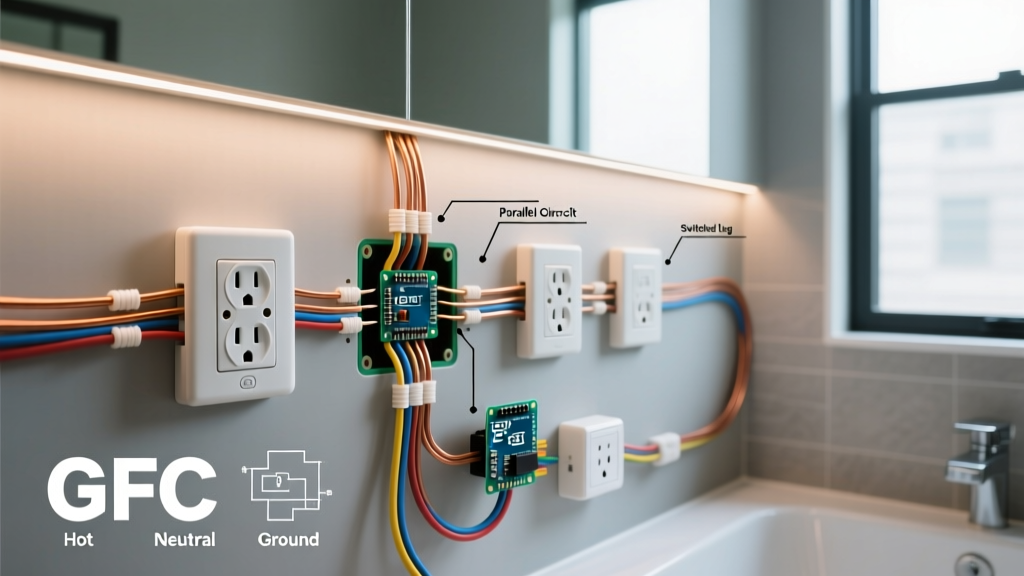
GFCI protection is required in areas where water and electricity are in close proximity: bathrooms, kitchens, garages, outdoors, crawl spaces, and laundry areas. A Class A GFCI receptacle trips when it detects a ground-fault current imbalance of 4 to 6 milliamps.
- Feed-Through Wiring: A single GFCI receptacle (costing $15.00 - $25.00) can protect multiple downstream standard receptacles if wired correctly through the 'LOAD' terminals.
- Testing: The U.S. Consumer Product Safety Commission (CPSC) recommends testing GFCI receptacles monthly using the built-in test button, as the internal metal-oxide varistors (MOVs) can degrade over time due to power surges.
AFCI Protection (NEC 210.12)
AFCI protection prevents electrical fires caused by arcing (sparking) in damaged wires. While AFCI protection is required for almost all 120V, 15A and 20A branch circuits in dwelling units (bedrooms, living rooms, hallways), it is rarely achieved via an AFCI wall receptacle. Instead, inspectors typically require an AFCI circuit breaker in the main panel, or a combination of an AFCI breaker and a standard TR receptacle at the first outlet in the circuit.
High-Voltage Specialty Outlets: Ranges and EV Chargers
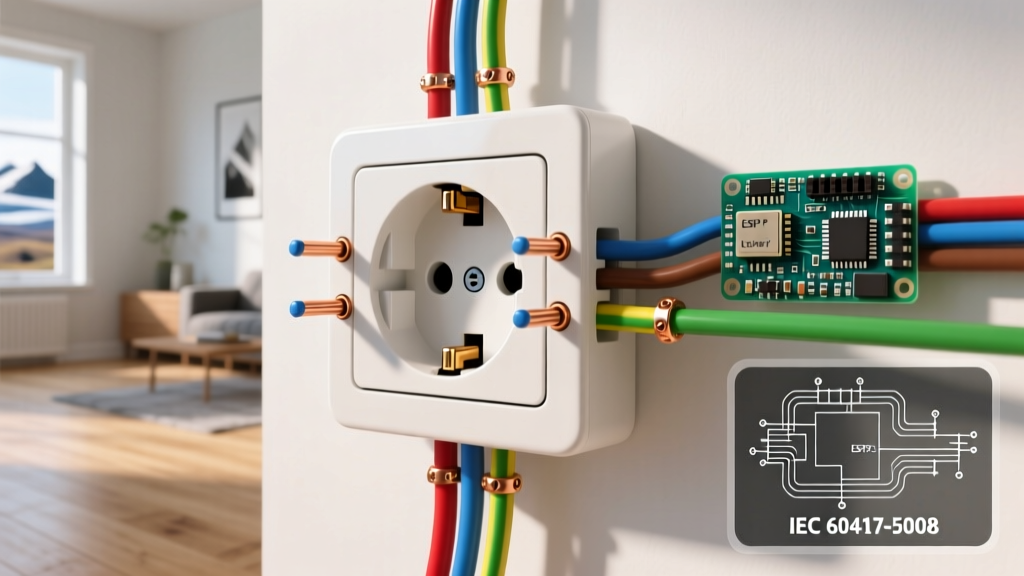
The rise of residential Electric Vehicle (EV) charging has made the NEMA 14-50R one of the most requested specialty electrical wall outlet types. Rated for 50 Amps and 125/250 Volts, this 4-prong receptacle provides two hot legs, a neutral, and a dedicated equipment grounding conductor.
- Wire Sizing: NEC 310.16 requires a minimum of 6 AWG copper wire (THHN/THWN) for a 50A circuit, though many electricians upsized to 4 AWG to mitigate voltage drop over long runs or to handle continuous load derating (NEC 210.20(A) requires branch circuits to be rated at 125% of the continuous load; a 40A EV charger requires a 50A breaker).
- Grounding Rules: Under NEC 250.140, the neutral and ground must remain strictly separated at the receptacle. You cannot bond the neutral to the ground at a 14-50R receptacle. This is a common, dangerous error made by DIYers converting older 3-prong ranges to 4-prong cords.
- Torque Requirements: The 2023 NEC (110.14(D)) strictly mandates that all terminations on high-amperage receptacles must be torqued to the manufacturer's specified inch-pound settings using a calibrated torque screwdriver. Hand-tightening a 14-50R can lead to thermal expansion, loose connections, and catastrophic melting of the receptacle face.
Wall Spacing and the '6-Foot Rule' (NEC 210.52)
Knowing which outlet to install is only half the code battle; knowing where to install it is equally critical. NEC 210.52 dictates the spacing of receptacles in dwelling units to eliminate the need for extension cords.
- The Core Rule: No point along the floor line in any wall space can be more than 6 feet from a receptacle. This effectively means receptacles must be spaced no more than 12 feet apart.
- Wall Space Definition: A wall space is defined as any unbroken wall 24 inches or wider. This includes walls interrupted by doorways, fireplaces, or fixed cabinets.
- Countertop Spacing: Kitchen and dining countertops require a receptacle for every 4 feet of counter space, and no point along the wall line can be more than 24 inches from an outlet (NEC 210.52(C)). Furthermore, receptacles cannot be installed face-up on horizontal countertop surfaces to prevent liquid pooling.
Common Inspection Failures & Troubleshooting
According to data referenced by the Occupational Safety and Health Administration (OSHA) and local building authorities, improper receptacle wiring remains a top cause of electrical failures. Avoid these common red-tags:
- Bootleg Grounds: Using a jumper wire between the neutral and ground terminals on a 3-prong outlet to fool a tester. This is lethal; if the neutral wire breaks upstream, the metal casing of any plugged-in appliance becomes energized at 120V.
- Reversed Polarity: Swapping the hot (brass screw) and neutral (silver screw) wires. While some devices will still operate, the internal switches on appliances will only break the neutral path, leaving internal components energized even when turned 'off'.
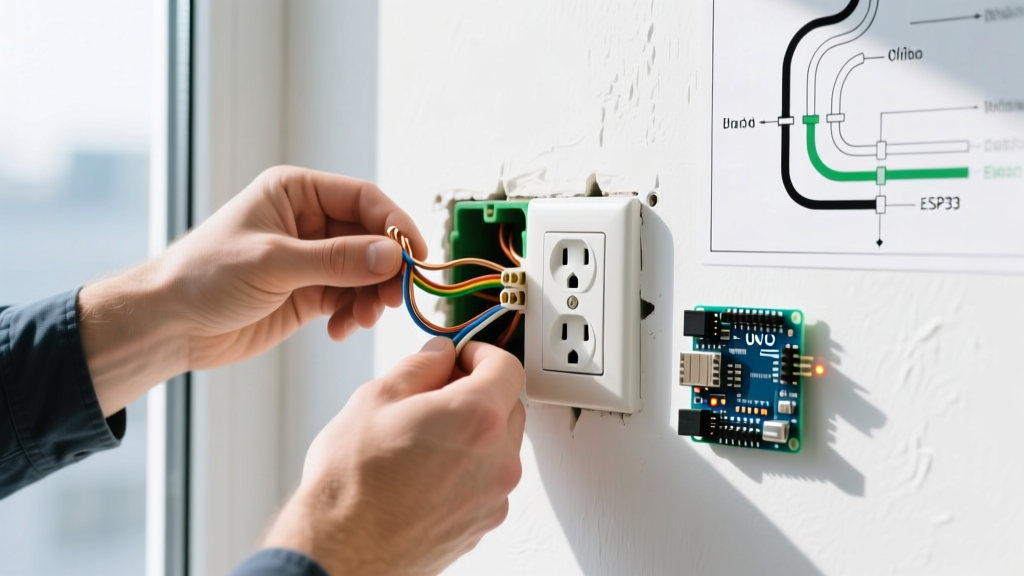
- Push-In Backstab Connections: While UL-listed, many master electricians and inspectors despise the push-in backstab terminals on 15A receptacles. The spring-loaded grips can weaken over time under heavy thermal loads (like space heaters), causing arcing. Always use the side screw terminals or wrap the wire clockwise around the screw for a secure, inspection-approved connection.
Final Thoughts on Code Compliance
The landscape of electrical wall outlet types is governed by a rigorous framework designed to adapt to modern electrical loads and historical safety data. By strictly adhering to NEC articles 210.8, 210.12, 210.21, and 210.52, and by selecting the correct NEMA configurations with TR and WR listings where required, you ensure a safe, functional, and code-compliant electrical system. For the most up-to-date code adoptions in your specific municipality, always consult your local Authority Having Jurisdiction (AHJ) and review the latest editions of the National Fire Protection Association (NFPA 70) guidelines before pulling wire.