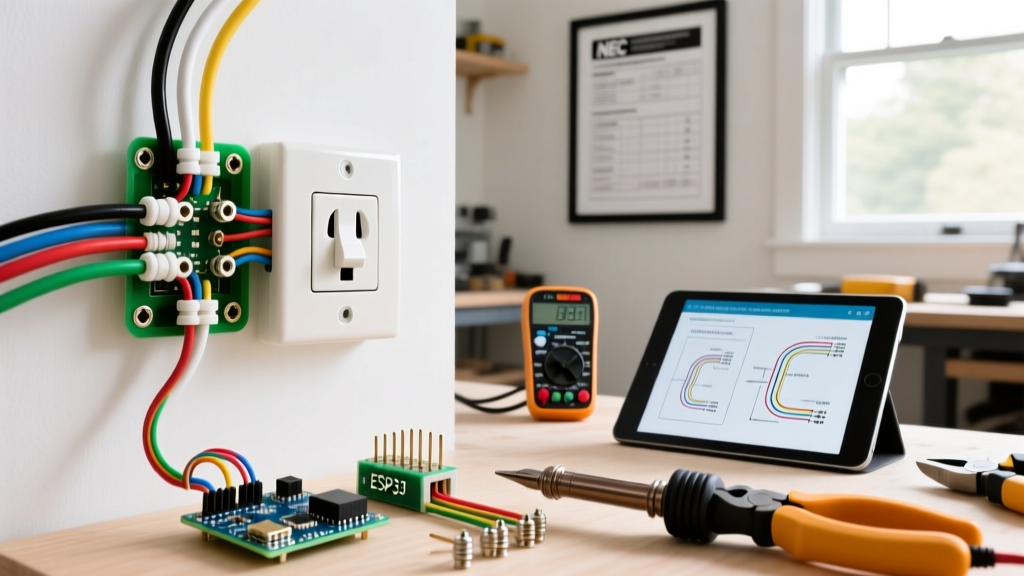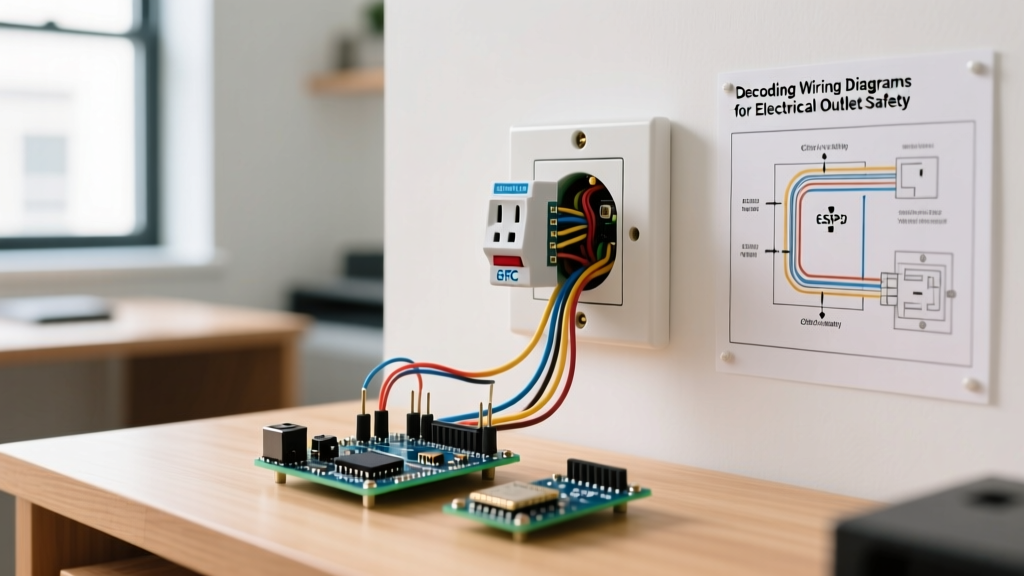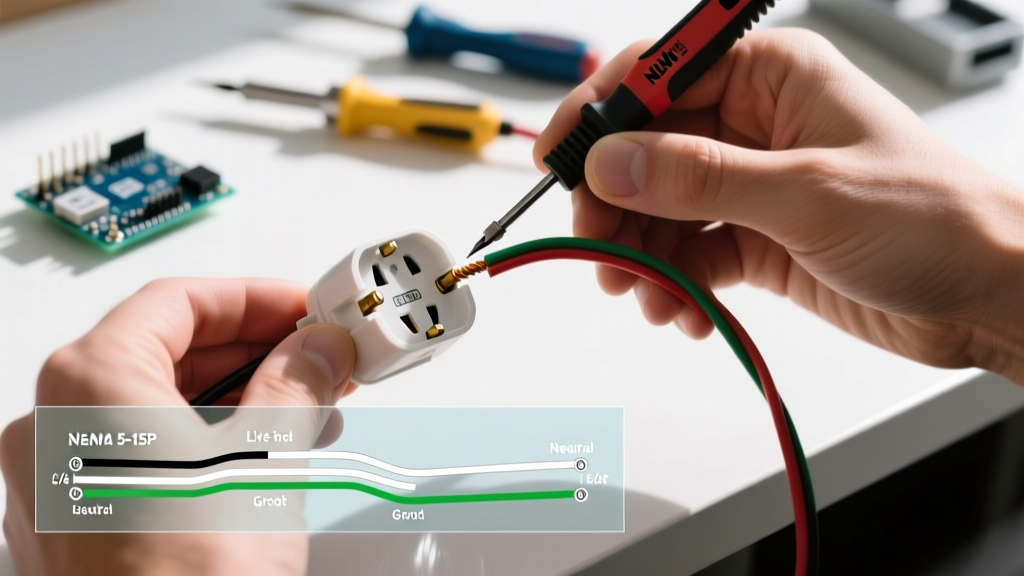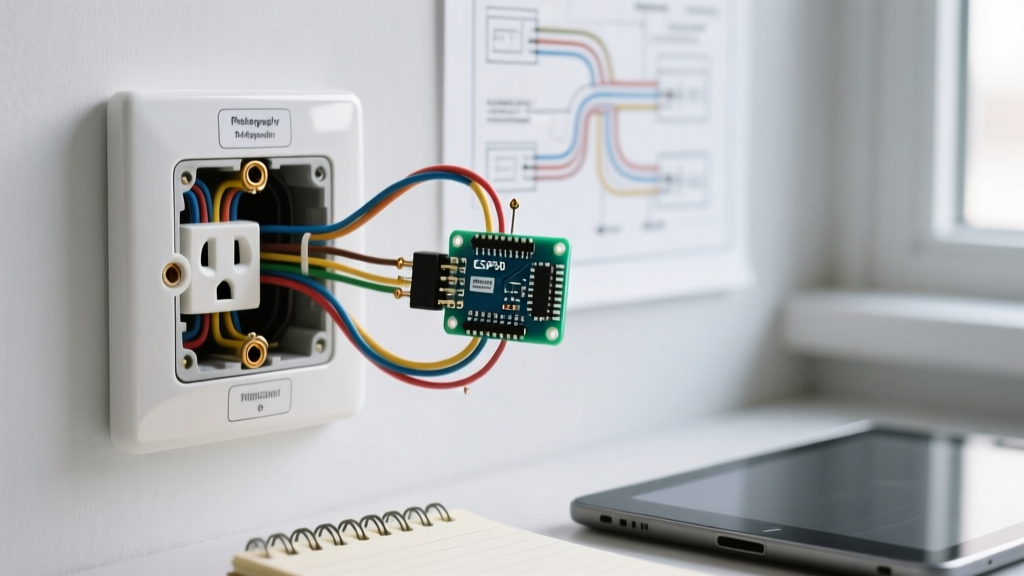

Understanding the Mexico Electricity Outlet Landscape
Working on a Mexico electricity outlet requires more than just a standard screwdriver and a US-centric mindset. While Mexico shares the same physical plug types (Type A and Type B) as the United States and Canada, the underlying electrical infrastructure, material availability, and governing codes present unique challenges for electricians and DIYers. As of 2026, the Norma Oficial Mexicana (NOM-001-SEDE-2018) remains the governing electrical code, which closely mirrors the US NEC but features distinct local amendments regarding conduit fill, grounding methodologies, and wire color coding.
Whether you are an expat upgrading a villa in San Miguel de Allende, a contractor wiring a new commercial space in Monterrey, or a homeowner troubleshooting flickering lights in Mexico City, having the right tools and locally sourced materials is non-negotiable. This guide breaks down the exact tools, testing equipment, and wiring materials required to safely install and upgrade Mexican receptacles.
Mexican vs. North American Electrical Standards
Before purchasing materials, it is critical to understand the baseline specifications of the Mexican grid. According to the International Electrotechnical Commission (IEC), Mexico operates on a 127V nominal voltage at 60Hz. However, voltage fluctuations and localized drops are common in rural and older urban grids.
| Feature | Mexico Standard (NOM-001) | US / Canada Standard (NEC / CEC) |
|---|---|---|
| Outlet Types | Type A (NEMA 1-15), Type B (NEMA 5-15) | Type A, Type B |
| Nominal Voltage | 127V (often fluctuates 110V-135V) | 120V |
| Frequency | 60Hz | 60Hz |
| Wire Sizing Label | AWG & mm² (e.g., 12 AWG / 3.31 mm²) | AWG primarily |
| Ground Wire Color | Green or Bare Copper | Green or Bare Copper |
| Phase Wire Colors | Black, Red, Blue (for 3-phase systems) | Black, Red, Blue |
Essential Hand & Power Tools for NOM-001 Compliance
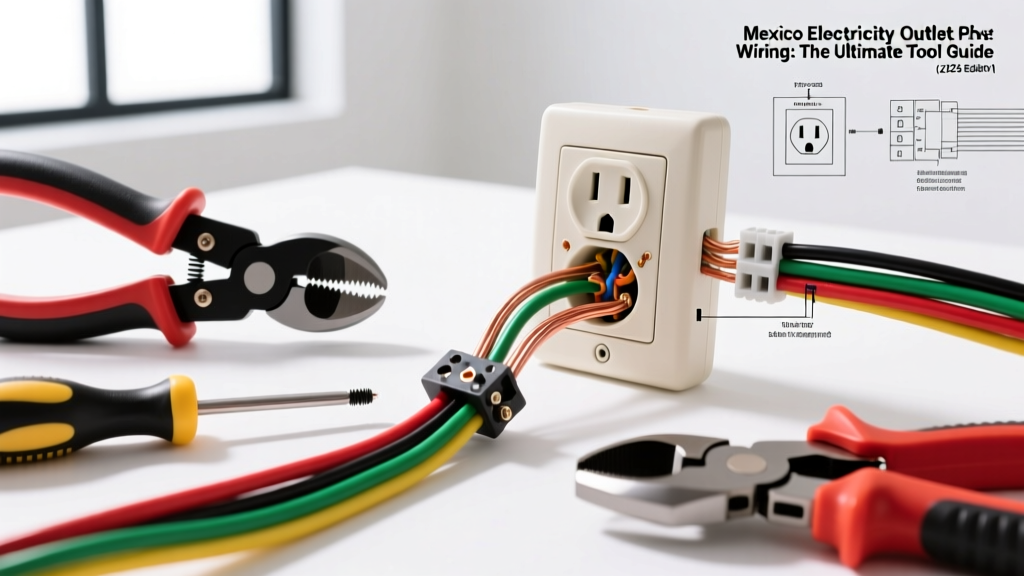
Mexican masonry and concrete construction (block and brick) dictate how outlets are mounted. Unlike US drywall installations that use nail-on or old-work boxes, Mexican outlets are typically housed in square or octagonal PVC or metal boxes embedded directly into masonry walls, requiring specific preparation tools.
1. Masonry & Box Preparation
- Rotary Hammer Drill: A Bosch GBH2-28L or similar SDS-plus rotary hammer is essential for chasing walls and cutting out recesses for standard 4x4 inch (100x100mm) Mexican masonry boxes.
- Chisel Set: SDS-plus flat and point chisels for cleaning out the masonry cavity before setting the box with plaster or mortar.
2. Wire Stripping & Termination
- Klein Tools Kat6 (Model 11055): Mexican wire insulation (especially older THW) can be brittle or overly thick. The Kat6 handles 14-12 AWG solid and stranded wire cleanly without nicking the copper, which is vital for passing NOM-001 inspections.
- Wiha Insulated SlimLine Screwdrivers: Rated to 1000V. Because lockout/tagout (LOTO) procedures are not universally enforced in older Mexican residential panels, insulated drivers are a critical safety net when working on live or potentially backfed circuits.
Wiring Materials: Navigating AWG vs. mm²
One of the most confusing aspects for foreign electricians working in Mexico is the dual-labeling of wire gauges. Local hardware stores (ferreterías) and major suppliers like Casa Saba or Home Depot Mexico stock wire labeled in both AWG and square millimeters (mm²).
Recommended Wire Types & Brands
Always look for the THW-LS (Low Smoke) or THHN designation. As of 2026, top-tier Mexican manufacturers like Condumex and IUSA dominate the market. A 100-meter roll of Condumex 12 AWG (3.31 mm²) THW-LS typically costs between $22 and $28 USD, depending on copper market fluctuations.
- 15A Circuits (Lighting/General): 14 AWG (2.08 mm²). Note: Many Mexican electricians default to 12 AWG for 15A circuits to mitigate voltage drop over long masonry conduit runs.
- 20A Circuits (Kitchen/Laundry): 12 AWG (3.31 mm²). Required by NOM-001 for small appliance branch circuits.
- Conduit: Polycón or similar heavy-wall PVC conduit (1/2" and 3/4") is standard. Flexible metallic conduit (Greenfield) is used for short drops to motors but is rarely used for standard wall outlets.
Expert Warning on Bootleg Grounds: In pre-2000s Mexican construction, it is incredibly common to find a Mexico electricity outlet wired with a "bootleg ground"—where the ground terminal is jumpered to the neutral wire inside the receptacle. Always test for this before assuming a 3-prong outlet is safely grounded.
Receptacles & Faceplates: What to Buy Locally
While you can import US receptacles, buying locally ensures compatibility with standard Mexican masonry boxes and faceplate dimensions. The NEMA WD6 standard governs the physical dimensions of Type A and B outlets, but local aesthetic preferences and safety codes dictate the best choices.
Top Receptacle Brands in Mexico (2026)
- Bticino (Legrand): The LivingLight Air and Matrix series are premium choices. They feature robust internal brass contacts that resist the arcing common in areas with frequent grid switching and brownouts. Expect to pay $4-$7 USD per receptacle.
- Schneider Electric (Sylvania Line): Excellent mid-tier option. Their tamper-resistant (TR) 5-15R models are fully NOM-001 compliant and widely available.
- Leviton: The Decora line is popular for modern renovations, though standard duplex receptacles remain the default for budget-conscious builds.
Testing & Diagnostics for the Mexican Grid
The Mexican electrical grid, particularly outside of major metropolitan hubs, is prone to harmonic distortion, voltage sags, and improper grounding. Standard $15 plug-in testers are insufficient for diagnosing these issues.
Must-Have Diagnostic Tools
- Fluke 117 True-RMS Multimeter (~$220 USD): Essential for measuring true voltage under non-linear loads. If a Mexico electricity outlet reads 115V on an average-responding meter but 128V on a True-RMS meter, you have severe harmonic distortion that can destroy sensitive electronics.
- Klein Tools NCVT-2 Non-Contact Voltage Tester: Features dual-range sensitivity. Crucial for tracing live wires through thick Mexican plaster and masonry walls where standard NCVTs fail to detect the electromagnetic field.
- Amprobe AT-3500 Advanced Cable Tracker: Used to trace ungrounded circuits back to the main breaker panel, a frequent necessity when upgrading older, unlabelled Mexican fuse boxes to modern breaker panels.
Troubleshooting Matrix: Common Mexico Outlet Failures
| Symptom | Likely Cause in Mexican Installations | Diagnostic & Repair Action |
|---|---|---|
| GFCI trips immediately upon reset | Shared neutral with another circuit, or moisture ingress in exterior masonry walls. | Isolate the neutral. Seal the exterior box with silicone and a weatherproof-in-use cover. |
| Voltage reads 60V-90V to ground | Induced voltage from parallel runs in metallic conduit, or a floating/open ground. | Use a solenoid voltage tester (Wiggy) to confirm ghost voltage. Pull a dedicated ground wire. |
| Faceplate cracks when tightened | Masonry box is set too deep or at an angle; plaster is uneven. | Use plastic box extenders (orejas) to bring the receptacle yoke flush with the finished wall. |
Adapter Materials for Temporary & Travel Setups
If you are not hardwiring an outlet but need to adapt foreign appliances to a Mexico electricity outlet, avoid cheap, ungrounded travel adapters. For high-draw appliances (like US 1500W space heaters or European 220V hair dryers), you must use specific step-up/step-down transformers.
For standard US electronics (laptops, phone chargers), the power supplies are typically universal (100-240V, 50/60Hz). A simple Type A to Type B grounding adapter (NEMA 1-15P to 5-15R) from a brand like Ceptic or VINTAR is sufficient, provided the physical wall outlet actually has a functioning ground wire. As noted by World Standards, Type A ungrounded outlets are still prevalent in older Mexican hotels and residences, making a 3-prong to 2-prong cheater plug necessary, though inherently less safe.
Frequently Asked Questions (FAQ)
Can I use US-purchased Romex (NM-B) cable in Mexico?
No. NOM-001 strictly prohibits the use of non-metallic sheathed cable (Romex) in most masonry and commercial constructions. You must use individual THW-LS or THHN conductors pulled through PVC or metallic conduit.
Are AFCI breakers required for bedroom outlets in Mexico?
As of the 2018 NOM-001 update (which carries through 2026), AFCI (Arc-Fault Circuit Interrupter) protection is not universally mandated for residential bedrooms in the same strict manner as the US NEC, though GFCI protection is strictly enforced for all wet locations, kitchens, and outdoor receptacles.
Why do my LED lights flicker when plugged into certain Mexican outlets?
This is often caused by voltage drops on long, undersized (14 AWG) circuits shared with heavy inductive loads like refrigerators or water pumps (tinacos). Upgrading the circuit to 12 AWG and installing a dedicated line for sensitive lighting resolves this issue.