
The Universal Standard: What Size Screws for Electrical Outlet Installations?
When upgrading to a modern USB-C receptacle, swapping a standard toggle for a smart Wi-Fi switch, or simply replacing a worn-out duplex outlet, the final step is securing the device to the electrical box. But if you drop a mounting screw into the wall cavity or find the included hardware doesn't fit your specific wall depth, you are inevitably left asking: what size screws for electrical outlet installations?
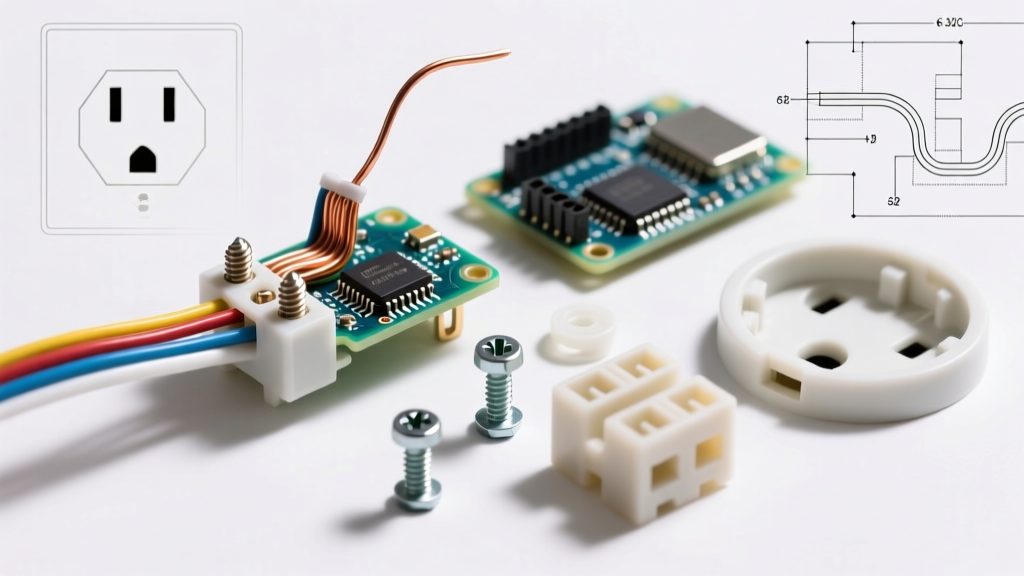
The short answer is that the universal North American standard for electrical outlet yoke (strap) mounting and cover plates is the #6-32 UNC machine screw. However, as any seasoned electrician knows, the length, head type, and application of that screw dictate whether your upgrade is safe, secure, and flush against the wall. This comprehensive replacement guide breaks down the exact specifications, edge cases, and troubleshooting steps for sourcing the right hardware in 2026.
Anatomy of the #6-32 UNC Standard
To confidently navigate the hardware aisle, you need to understand what the alphanumeric designation actually means. According to the NEMA Wiring Devices Standards, the dimensions of wiring devices and their corresponding mounting hardware are strictly regulated to ensure cross-brand compatibility.
- #6: This refers to the major diameter of the screw shaft, which measures exactly 0.138 inches.
- 32: This indicates the Threads Per Inch (TPI). A 6-32 screw has 32 threads in a single inch of length.
- UNC: Unified National Coarse. This is the standard thread profile used in North American electrical boxes, designed to resist loosening from vibration and thermal expansion.
Expert Warning: Never substitute a #6-32 machine screw with a #6 drywall or wood screw. Drywall screws feature a bugle head and aggressive, coarse threads designed for fibrous materials, not metal junction boxes. Using them can strip the box threads or fail to clamp the yoke securely, violating basic safety codes.
The Master Screw Matrix for Outlets & Switches
Different stages of the installation require different lengths and head types. Use this matrix to ensure you have the correct inventory before starting your replacement project.
| Application | Thread Size | Standard Length | Head Type | Notes & Best Practices |
|---|---|---|---|---|
| Yoke Mounting (Standard Box) | #6-32 UNC | 3/4 inch | Combo (Phillips/Slotted) | Standard for most 1-gang and 2-gang plastic/fiberglass boxes. |
| Yoke Mounting (Deep Box/Mud Ring) | #6-32 UNC | 1 inch to 1.5 inch | Combo or Hex | Required for tiled walls, plaster rings, or deep smart switches. |
| Cover Plate Mounting | #6-32 UNC | 5/16 inch or 3/8 inch | Slotted (Flathead) | Must sit flush; longer screws will crack plastic cover plates. |
| Grounding Pigtail to Metal Box | #10-32 UNC | 3/8 inch to 1/2 inch | Hex (Green) | Mandatory for metal boxes per NEC 250.148. |
The 'Goldilocks' Trap: Why Screw Length Matters
When determining what size screws for electrical outlet upgrades are appropriate, length is the most critical variable. Using a screw that is too short or too long introduces severe mechanical and electrical hazards.
When Screws Are Too Long
If you use a 1.5-inch screw in a shallow 2.5-inch deep metal junction box, the unthreaded shank or the tip of the screw may bottom out against the back of the box. Worse, it can press against the side of a Romex (NM-B) cable. Over time, thermal cycling and the vibration of plugging/unplugging devices can cause the screw tip to pierce the wire insulation, creating a dead short or a severe fire hazard. The National Electrical Code (NFPA 70) strictly mandates that box fill and internal clearances must not be compromised by mounting hardware.
When Screws Are Too Short
If you attempt to mount a standard outlet through 5/8-inch drywall using a 1/2-inch screw, you will only achieve 2 or 3 threads of engagement in the metal box tab. This results in a loose receptacle that will torque and twist every time a user pulls a plug from the socket, eventually breaking the wire connections on the terminal screws.
Upgrade Scenarios: Deep Boxes, Plaster Rings, and Tile
In 2026, the rise of bulky smart home devices and high-wattage USB-C receptacles has changed the geometry of the standard electrical box. Devices like the Lutron Caseta smart switches or Leviton 65W USB-C outlets have deep rear housings that push the mounting yoke forward, away from the wall.
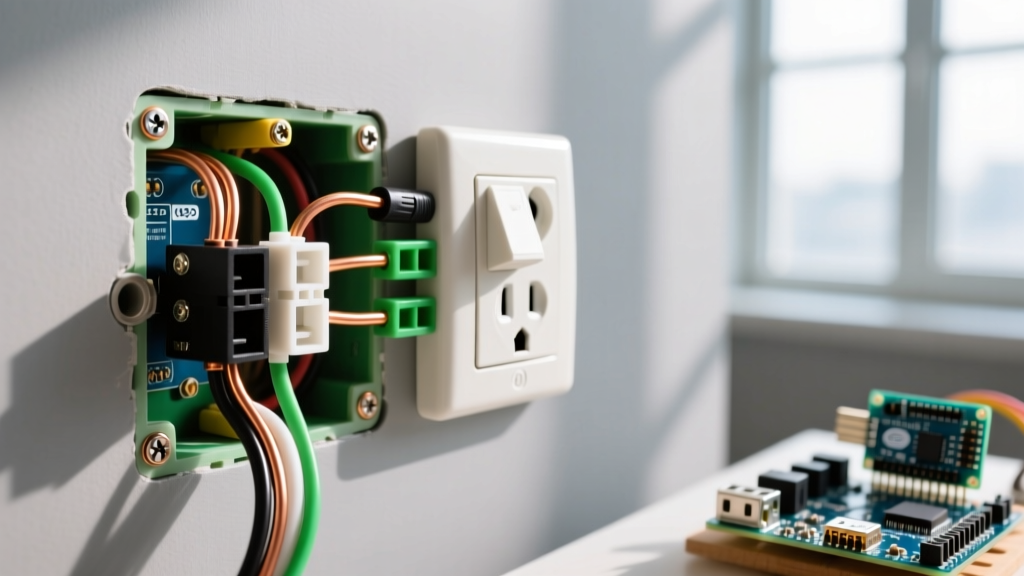
- Smart Switches & Deep Yokes: You will frequently need 1-inch or 1-1/4-inch #6-32 screws to bridge the gap between the protruding yoke and the recessed metal box.
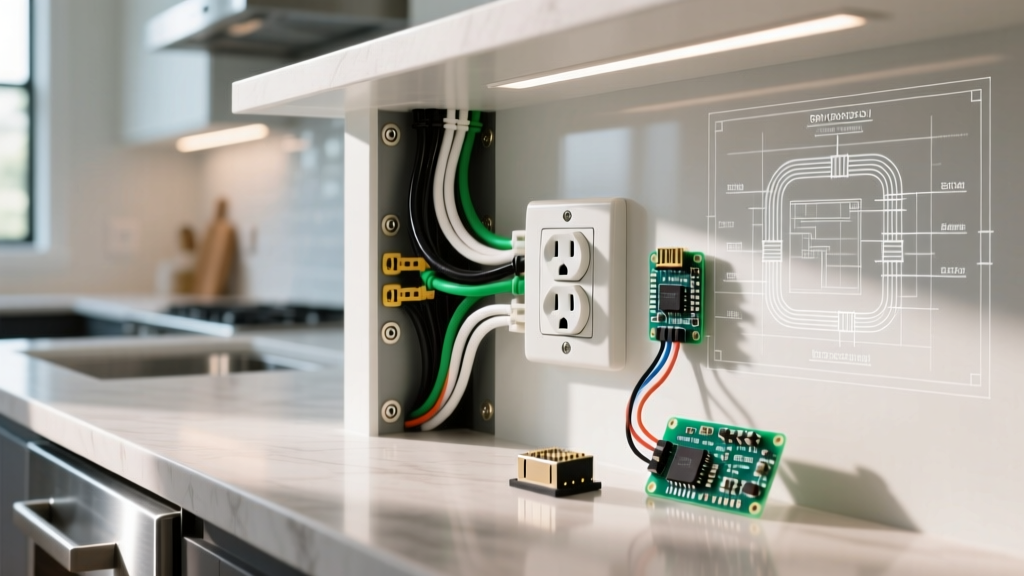
- Tiled Backsplashes & Stone: When replacing outlets in a kitchen backsplash, the tile and mortar add 3/8 to 1/2 inch of depth. Use 1.5-inch screws alongside plastic tile extender rings (often called 'goof rings') to provide a solid mounting surface.
- Plaster Mud Rings: In commercial or older residential construction, drywall mud rings can be set deep. Keep a supply of 2-inch #6-32 machine screws in your toolkit for these extreme recesses.
Troubleshooting Stripped Metal Box Threads
When replacing outlets in older homes (particularly those built between 1950 and 1980), you will inevitably encounter metal junction boxes with stripped #6-32 mounting holes. Because the steel tabs are relatively thin, over-tightening with a power drill easily destroys the threads.
How to fix stripped threads without replacing the box:
- The Bottoming Tap Method: Use a #6-32 bottoming tap (not a standard taper tap) to chase and clean the existing threads. This works if the threads are clogged with paint or drywall mud, but not if the metal is physically worn away.
- The #8-32 Oversize Method: Drill out the stripped hole with a #7 or 1/4-inch drill bit, then tap the hole with an #8-32 UNC tap. You can then use an #8-32 machine screw to secure the yoke. Note: You may need to slightly file the mounting hole on the outlet yoke to accommodate the larger #8 screw head.
- The Box Extender Method: If the box is severely damaged, install an Arlington Industries BE-1 or similar non-metallic box extender, which provides fresh, clean plastic threading for standard #6-32 screws.
Grounding Screws: A Different Beast
While the yoke and cover plate rely on the #6-32, the grounding screw is a completely different specification. When upgrading an outlet in a metal box, you must bond the bare copper grounding wire to the box itself. According to OSHA Electrical Safety Guidelines and NEC Article 250.148, the grounding screw must be sized appropriately for the grounding conductor.
The standard grounding screw is a #10-32 UNC with a green hex head. The #10 diameter (0.190 inches) provides the necessary shear strength and surface contact area to ensure a low-impedance fault current path. Never use a #6 screw for grounding a metal box, as it will not meet code and could fail during a short-circuit event.
Frequently Asked Questions (FAQ)
Can I use drywall screws to mount an electrical outlet?
No. Drywall screws are brittle, prone to snapping under torque, and feature coarse threads that will strip the fine 32-TPI threads inside a metal junction box. Always use zinc-plated or stainless steel #6-32 UNC machine screws.
What size screws do I need for a Leviton Decora wall plate?
Standard Leviton Decora (and any standard NEMA WD-1 compliant) wall plates use a #6-32 UNC screw that is 5/16 inches long. The head is typically a slotted flathead designed to sit flush with the plate's countersunk holes.
Why do some outlet screws have a green color?
Green screws are exclusively designated for grounding connections. On the outlet itself, the green screw is where the bare copper or green insulated grounding wire attaches. On a metal junction box, a green #10-32 hex screw is used to bond the grounding pigtail to the box.
My outlet is loose and wiggles even when the screws are tight. How do I fix it?
If the yoke is tight against the box but the outlet still wiggles, the drywall hole is likely cut too large, providing no structural support behind the yoke ears. Use 'cat whiskers' (plastic yoke extenders that fold over the plaster ears) or install a Goof Ring to bridge the gap between the outlet yoke and the drywall.
Final Thoughts on Hardware Selection
Knowing exactly what size screws for electrical outlet upgrades are required separates a frustrating, jury-rigged DIY job from a professional, code-compliant installation. By keeping a dedicated inventory of #6-32 machine screws in 3/4-inch, 1-inch, and 1.5-inch lengths, alongside a few #10-32 green grounding screws, you will be prepared for 99% of the replacement scenarios you encounter in modern homes. Always prioritize proper thread engagement, avoid over-tightening with impact drivers, and ensure your hardware never compromises the internal clearance of the electrical box.