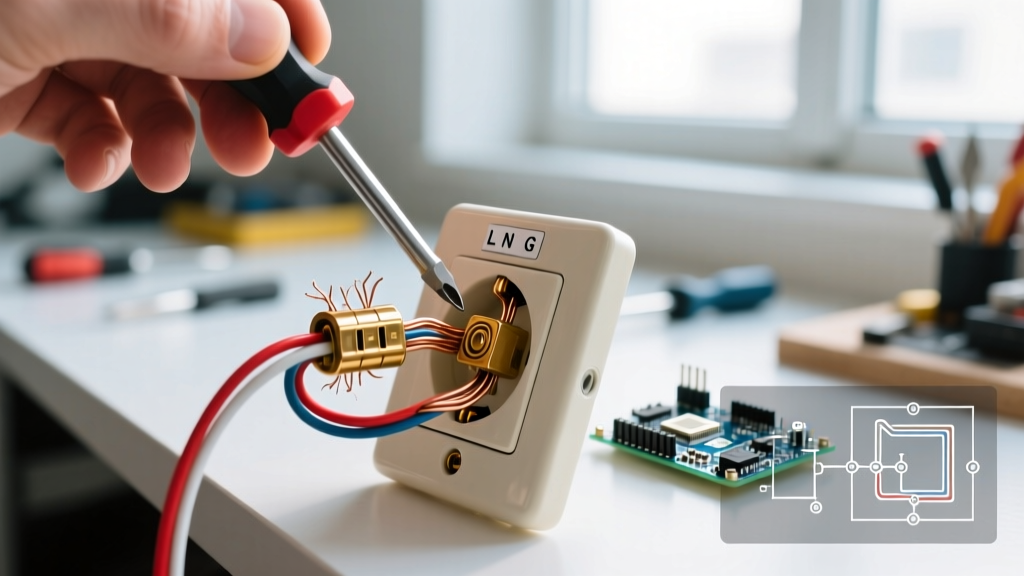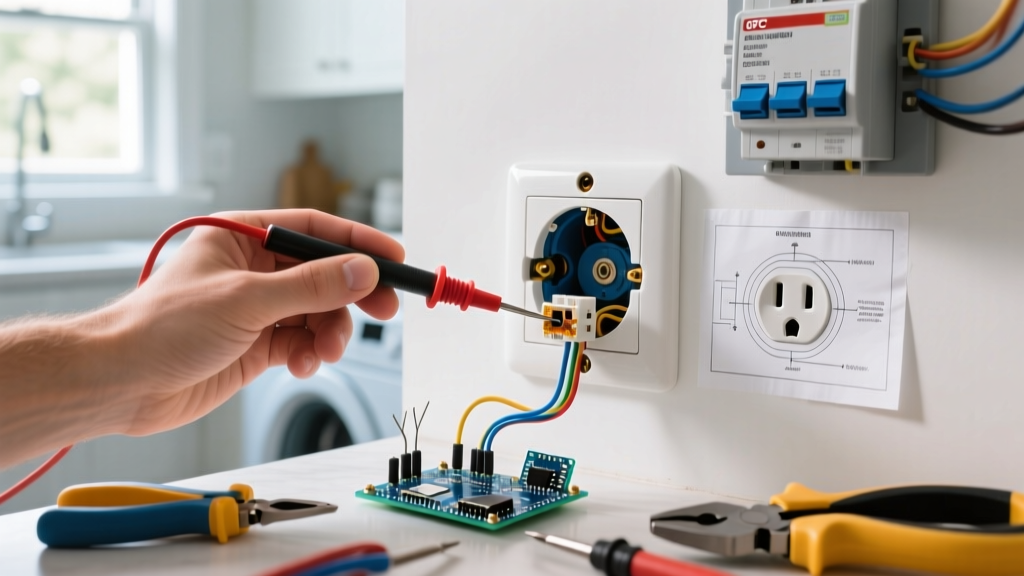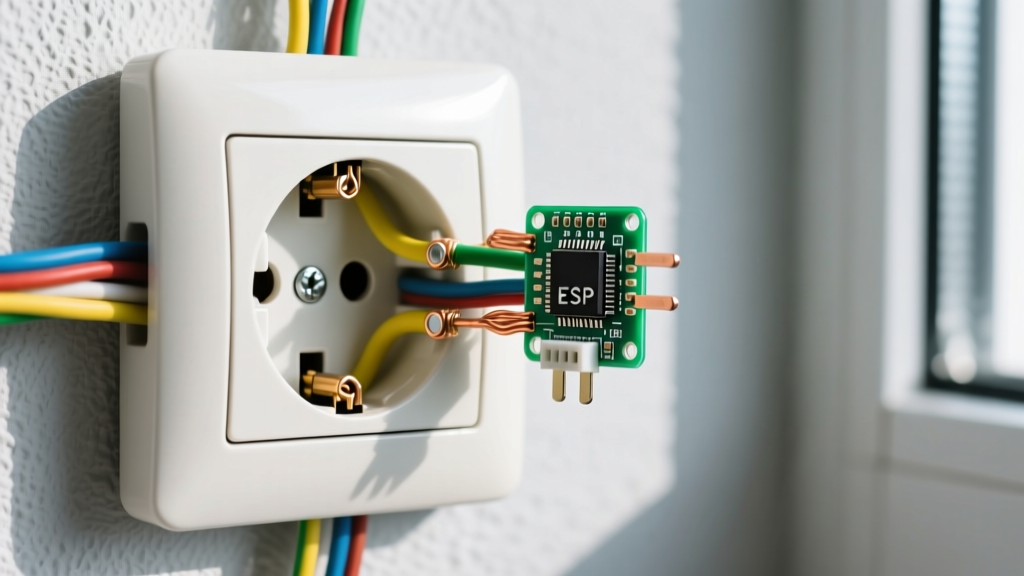

The True Electrical Outlet Replacement Cost in 2026
Whether you are upgrading a vintage home, replacing a melted receptacle, or adding a dedicated circuit for an EV charger, understanding the electrical outlet replacement cost is critical for budgeting your next wiring project. In 2026, the landscape of electrical pricing has shifted. While copper material costs have stabilized compared to the early 2020s, licensed electrician labor rates have climbed to an average of $95 to $150 per hour due to increased demand for smart home integrations and EV infrastructure.
For DIYers, the material cost of replacing a standard outlet is negligible, but the hidden expenses of specialized tools, code-compliant connectors, and potential drywall repair can add up. Below, we break down the exact costs, specific product models, and wiring scenarios you will encounter, helping you decide when to grab your wire strippers and when to call a licensed professional.
2026 Cost Comparison Matrix: DIY vs. Professional Installation
The following table outlines the average costs for the most common receptacle replacement scenarios. DIY costs reflect premium, code-compliant materials (such as Tamper-Resistant and commercial-grade spec receptacles), while professional costs include a standard one-hour minimum service call and labor.
| Receptacle Type | DIY Material Cost | Pro Installed Cost | Primary Use Case |
|---|---|---|---|
| Standard 15A Duplex (TR) | $2.50 - $5.00 | $125 - $175 | Bedrooms, living rooms, hallways |
| 20A GFCI Receptacle | $18.00 - $28.00 | $175 - $250 | Kitchens, bathrooms, garages |
| Combo AFCI/GFCI | $35.00 - $45.00 | $200 - $285 | Kitchens, laundry rooms (new code) |
| 50A NEMA 14-50 (240V) | $45.00 - $75.00 | $350 - $650 | EV chargers, electric ranges, dryers |
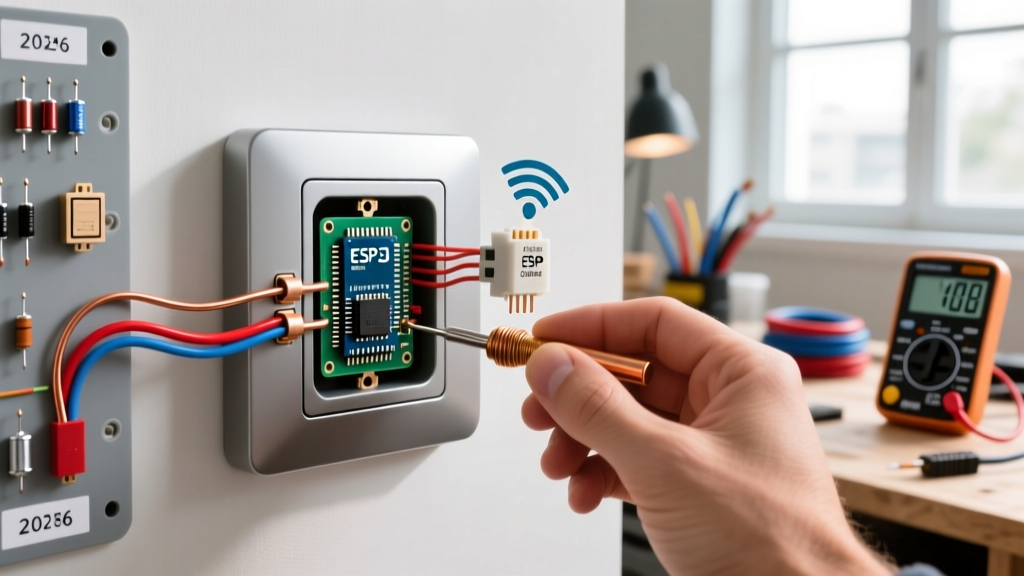
| Smart Wi-Fi Receptacle | $25.00 - $40.00 | $150 - $220 | Home automation, remote monitoring |
Scenario 1: Standard 15A and 20A Duplex Receptacles
The most common wiring scenario is replacing a standard 15-amp or 20-amp duplex receptacle. In 2026, the National Electrical Code (NEC) strictly mandates that all 15A and 20A, 125V and 250V non-locking receptacles in dwelling units must be Tamper-Resistant (TR). These feature internal shutters that prevent children from inserting foreign objects into the slots.
Material Specifics and Pricing
- 15A Builder Grade (e.g., Leviton R52-05320-WST): Costs around $1.50 to $2.50. These use push-in back-wiring which relies on spring tension. While cheap, they are prone to failure under heavy thermal cycling.
- 15A/20A Commercial Spec Grade (e.g., Leviton 5362-W or Eaton TR20W): Costs $3.50 to $6.00. These feature brass screw terminals and internal clamping plates for side-wiring. They offer vastly superior longevity and heat dissipation.
Pro Tip: Under NEC 110.14(D), if the receptacle is rated for 20 amps or higher, or if the circuit is over 100 amps, you must use a calibrated torque screwdriver to tighten the terminal screws to the manufacturer's specified inch-pound rating. A basic Wiha torque screwdriver costs about $45, which is a one-time DIY investment that ensures your connections won't arc or overheat.
Scenario 2: GFCI and AFCI Code Upgrades
Ground Fault Circuit Interrupter (GFCI) and Arc Fault Circuit Interrupter (AFCI) receptacles are non-negotiable in modern wiring scenarios. According to the National Fire Protection Association (NFPA), GFCI protection is required in all wet or damp locations, including kitchens, bathrooms, garages, crawl spaces, and outdoor patios. Recent code cycles have expanded AFCI requirements to almost all living spaces to prevent electrical fires caused by arcing faults.
Wiring Complexity and Costs
Replacing a standard outlet with a GFCI is slightly more complex because you must correctly identify the 'LINE' (power coming from the panel) and 'LOAD' (power continuing to downstream outlets) wires. If you wire a GFCI backward, it will still power the receptacle, but it will fail to protect downstream devices and may not trip during a ground fault.
A high-quality 20A GFCI receptacle, such as the Leviton GFTNL-W (which combines both GFCI and AFCI protection in one device), retails for approximately $38. While the material cost is high, it saves the expense of upgrading the breaker in the main panel to an AFCI breaker, which can cost $50+ per breaker plus panel labor.
If you hire an electrician to swap out an entire kitchen run of four outlets with GFCIs and ensure proper load-side protection, expect to pay between $400 and $600 for the complete job, factoring in the higher material costs and the time required to trace and verify downstream circuits.
Scenario 3: High-Voltage 240V Receptacles (EV and Appliances)
With the massive surge in electric vehicle adoption, installing a 50-amp NEMA 14-50R receptacle is one of the most requested electrical scenarios in 2026. This 240V outlet requires a dedicated circuit, 6 AWG copper wire (or 4 AWG aluminum), and a double-pole 50A breaker.
The Danger of Cutting Corners
The U.S. Department of Energy recommends professional installation for Level 2 EV charging infrastructure due to the continuous, high-draw nature of the load. A standard 50A breaker and a cheap, residential-grade NEMA 14-50 receptacle will often melt under the continuous 40-amp draw of an EV charger over a 6-hour charging session.
- Industrial Grade Receptacle (e.g., Hubbell 9450A or Bryant 9450FR): These heavy-duty units cost between $65 and $90. They feature massive brass contacts designed to handle continuous thermal loads without degrading.
- Professional Installation Cost: Running a new 6 AWG line from the panel to a garage typically costs $350 to $650, depending on the distance and whether drywall cutting is required.
Attempting to DIY a 240V circuit without pulling a municipal permit can void your home insurance policy and result in catastrophic failure. This is a scenario where the professional installation cost is entirely justified.
Hidden Costs and Edge Cases in Older Homes
When calculating your electrical outlet replacement cost, you must account for the condition of the existing infrastructure. Older homes frequently present edge cases that inflate DIY material lists and professional labor hours.
Aluminum Wiring Remediation
Homes built between the mid-1960s and early 1970s often feature solid aluminum branch wiring. Aluminum expands and contracts at a different rate than copper, leading to loose connections and fire hazards over time. You cannot simply attach aluminum wire to a standard copper-rated receptacle.
- CO/ALR Receptacles: Specially rated outlets cost about $12 to $18 each.
- AlumiConn Connectors: If you want to use standard high-grade receptacles, you must pigtail the aluminum wire to copper using AlumiConn lug connectors. These cost roughly $4.50 per connection, adding $15 to $20 in materials per outlet box.
Shallow Junction Boxes and Box Extenders
Modern GFCI and smart receptacles have massive internal bodies. In older homes with shallow 2-inch deep junction boxes, the device simply will not fit. You will need to install a plastic or metal box extender (approx. $3 to $5 each) to bridge the gap between the box and the drywall, ensuring the yoke sits flush and code-compliant without crushing the wires behind the device.
Safety, Permits, and When to Call a Pro
The Electrical Safety Foundation International (ESFI) reports that electrical receptacles are involved in thousands of home fires annually, primarily due to loose connections, overloaded circuits, and degraded wiring. While swapping a like-for-like 15A receptacle is generally considered a minor repair that doesn't require a permit in many jurisdictions, adding new circuits, upgrading service panels, or installing 240V infrastructure always requires a permit and inspection.
If your home lacks an equipment grounding conductor (a bare copper or green wire), you are legally allowed to replace a two-prong ungrounded outlet with a GFCI receptacle, provided you label it 'No Equipment Ground'. However, the GFCI will not protect sensitive electronics from power surges; it only protects humans from lethal shock. In these scenarios, hiring an electrician to run a new grounded circuit is the safest, albeit most expensive, long-term solution.
Frequently Asked Questions
Why is my electrician charging $150 to replace a $3 outlet?
You are paying for the electrician's expertise, liability insurance, and the one-hour minimum service call required to dispatch a licensed tradesperson. The $150 covers the travel, the diagnostic testing of the circuit to ensure proper grounding and polarity, the labor to safely swap the device, and the warranty on the work performed.
Can I use a 20A receptacle on a 15A breaker?
Yes, the NEC allows a 20A-rated receptacle on a 15A circuit, provided it is a single receptacle on an individual branch circuit. However, for standard multi-outlet branch circuits, the receptacle rating must not exceed the circuit rating. Using a 15A receptacle on a 20A circuit is a severe code violation and a fire hazard.
Do smart outlets require a neutral wire?
Almost all modern Wi-Fi and Z-Wave smart receptacles require a neutral wire (the white wire bundle in the back of the box) to keep the internal radio transmitter powered 24/7. If your home was built before the 1980s, your switch boxes may lack a neutral, which will complicate smart home upgrades and require alternative wiring solutions.