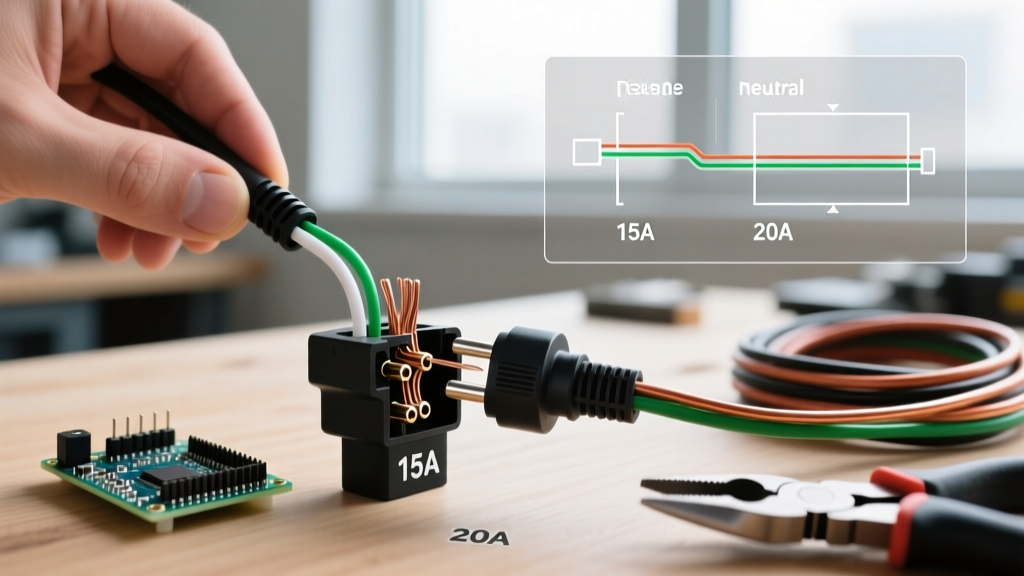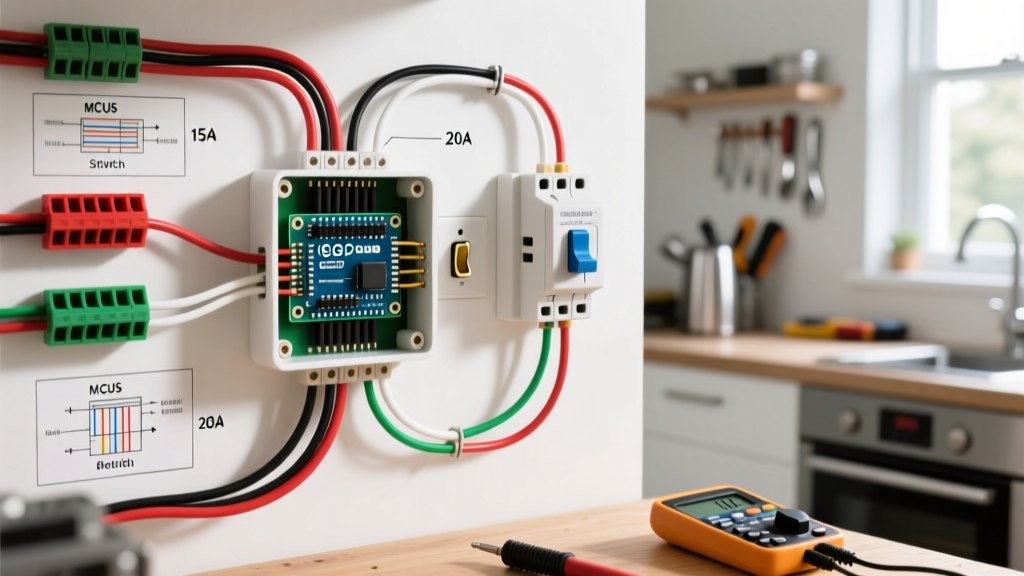

The 2026 Landscape: What Drives Receptacle Replacement Costs?
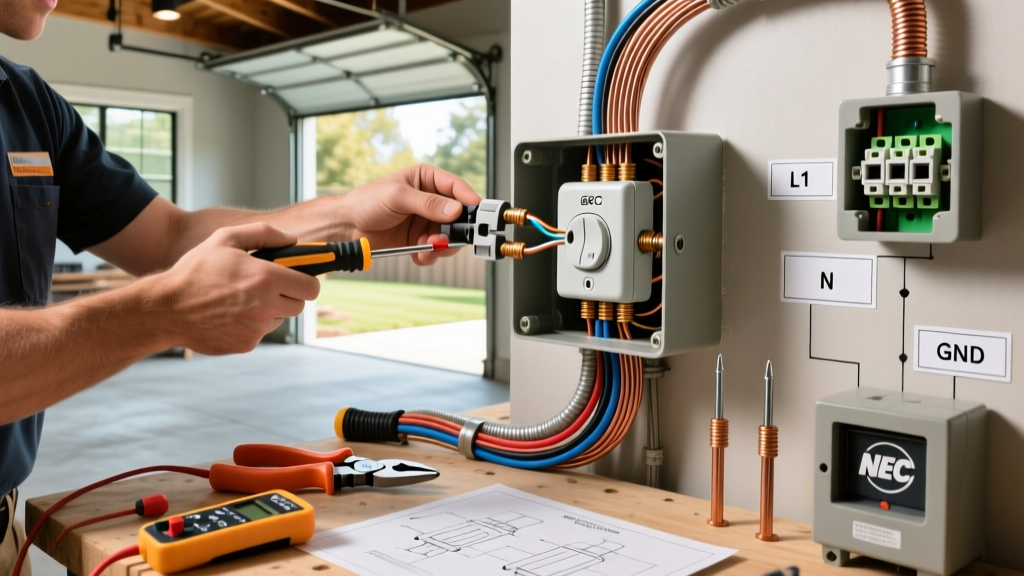
Determining the exact cost to change electrical outlet receptacles in your home depends heavily on the specific wiring scenario, local labor rates, and current National Electrical Code (NEC) requirements. In 2026, the national average for a licensed electrician ranges from $95 to $160 per hour, with most professionals charging a minimum service call fee of $150 to $200. While a simple DIY swap of a standard 15-amp duplex receptacle costs less than $5 in materials, complex scenarios involving high-voltage EV charging, aluminum wire remediation, or smart home integrations can push project costs well past $500.
According to the National Fire Protection Association (NFPA), updated NEC guidelines strictly mandate AFCI and GFCI protection in expanded areas of the home, meaning a simple 'like-for-like' replacement is no longer legally permissible in many older homes. Below, we break down the real-world costs, material specifications, and edge cases for the most common wiring scenarios.
Cost Matrix: Receptacle Replacement by Wiring Scenario
| Wiring Scenario | Material Cost (Avg) | Professional Labor (Avg) | Total Estimated Cost | Time Required |
|---|---|---|---|---|
| Standard 15A/20A Duplex Swap | $3 - $8 | $150 - $200 (Min. Call) | $153 - $208 | 30 - 45 mins |
| GFCI Upgrade (Kitchen/Bath) | $22 - $45 | $175 - $250 | $197 - $295 | 45 - 90 mins |
| 240V NEMA 14-50 (EV/Dryer) | $80 - $150 | $400 - $900 | $480 - $1,050 | 3 - 6 hours |
| Smart / USB-C Receptacle | $35 - $65 | $175 - $225 | $210 - $290 | 45 - 60 mins |
| Aluminum Wire Remediation | $15 - $30 (per connection) | $200 - $300 | $215 - $330 | 1 - 2 hours |
Scenario 1: The Standard 15A/20A Duplex Swap (The Baseline)
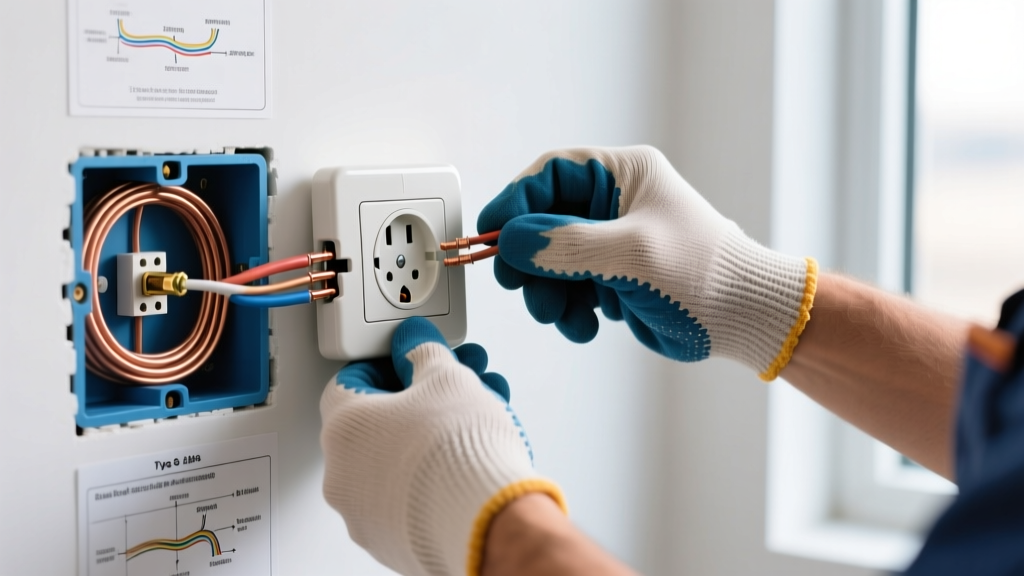
If you are replacing a damaged, painted-over, or loose standard receptacle in a living room or bedroom, this is the most straightforward scenario. The material cost is negligible. A commercial-grade Leviton 15A Duplex Receptacle (Model R52-05320-00W) costs about $3.50.
Expert Edge Cases & Code Traps
- Backstabbed Wiring: Many older homes feature wires 'backstabbed' into the rear of the receptacle. These spring-loaded connections are notorious for causing arcing and voltage drops over time. A professional will charge for the extra 10 minutes required to strip the wires and secure them under the side screw terminals or use the screw-clamp back-wiring feature.
- NEC 406.4(D) Compliance: If the original outlet lacked a ground wire (common in pre-1960s homes), the NEC prohibits installing a standard grounded 3-prong outlet. You must either install a 2-prong receptacle, a GFCI receptacle labeled 'No Equipment Ground', or run a new equipment grounding conductor. An electrician will charge $250-$400 to retrofit a proper ground wire through finished walls.
Scenario 2: GFCI & AFCI Upgrades (Code Compliance & Safety)
Ground Fault Circuit Interrupters (GFCIs) are mandatory in wet areas (kitchens, bathrooms, garages, exteriors). The Electrical Safety Foundation International (ESFI) reports that GFCIs prevent thousands of electrocutions annually. However, upgrading a standard circuit to GFCI protection introduces wiring complexities that increase labor costs.
The 'Line vs. Load' Complexity
A standard GFCI receptacle, such as the Leviton GFNT1-W ($24), features two sets of terminals: LINE (incoming power) and LOAD (downstream protection). If an electrician is upgrading the first outlet in a series to protect the entire circuit, they must carefully identify the line and load wires using a multimeter. Miswiring these results in a receptacle that provides power but offers zero downstream shock protection. Expect to pay an additional $50-$100 in labor for circuit mapping and troubleshooting in older homes where wire colors may not follow standard conventions.
Scenario 3: High-Voltage 240V Receptacles (EV Charging & Appliances)
With the surge in EV adoption in 2026, installing a NEMA 14-50 receptacle for Level 2 home charging is one of the most requested electrical upgrades. The U.S. Department of Energy recommends a dedicated 50-amp circuit for optimal home charging speeds. This is not a simple 'swap'—it requires running new wire from the main panel.
Material Selection: The RV Outlet Trap
CRITICAL EXPERT WARNING: Never use a standard $15 'RV-style' NEMA 14-50 receptacle for continuous EV charging. These cheap receptacles are rated for intermittent use and frequently melt or catch fire under the continuous 40-amp load drawn by EV chargers. Always specify a commercial/industrial grade receptacle like the Hubbell 9450A ($115) or Bryant 9450FR ($105).
Cost Breakdown for NEMA 14-50 Installation
- Wire & Conduit: Running 6 AWG copper THHN wire through EMT conduit or using 6/3 NM-B Romex. ($80 - $150 in materials).
- Breaker: A 50-amp double-pole breaker (e.g., Square D QO250, $25).
- Labor: Pulling wire through attics or crawlspaces, mounting a deep 2.5-inch junction box, and terminating the heavy-gauge wire. ($400 - $800 depending on panel proximity).
Scenario 4: Smart & USB-C Receptacles (Modern Upgrades)
Upgrading to smart receptacles (like the Leviton Decora Smart DZPA1, $55) or USB-integrated outlets (like the Topgreener TU2154A USB-C, $38) adds convenience but introduces physical and electrical constraints that impact the final cost.
- Box Depth Requirements: Smart receptacles have massive internal relay housings. Standard 1940s-1980s electrical boxes are only 1.5 inches deep. An electrician must use an oscillating multi-tool to cut the drywall and install a deep 'old work' box (minimum 2.25 inches deep) to accommodate the device. This adds $75-$125 in drywall repair and carpentry labor.
- Neutral Wire Verification: Most smart receptacles require a neutral wire to power their internal Wi-Fi/Z-Wave radios. If your switch loop or older outlet circuit lacks a neutral (usually a bundle of white wires in the back of the box), the smart upgrade cannot proceed without pulling new wire, drastically increasing the project scope.
Hidden Cost Factors That Inflate Your Invoice
When budgeting for outlet replacements, be prepared for these common edge cases that electricians encounter once they open the wall plate:
| Hidden Issue | Required Solution | Estimated Added Cost |
|---|---|---|
| Aluminum Branch Wiring | Must use AlumiConn 3-port lug connectors or COPALUM crimps to pigtail to copper receptacles. Standard wire nuts will cause fires. | +$40 to $85 per outlet |
| Brittle / Crumbling Insulation | Old rubber or cloth insulation shatters when bent. Requires sliding new THHN spaghetti tubing over the wires or pulling new wire entirely. | +$100 to $250 per run |
| Missing Junction Box | Wires spliced bare inside the wall cavity. Requires cutting drywall, installing an old-work box, and patching. | +$150 to $300 (incl. patching) |
| Municipal Permits | Required for new circuits (240V) or whole-home GFCI/AFCI upgrades in many jurisdictions. | $50 to $150 flat fee |
Frequently Asked Questions (2026 Edition)
Is it cheaper to replace multiple outlets at once?
Yes. Because the bulk of a professional's cost is the $150+ minimum service call fee and travel time, replacing 10 standard duplex outlets in a single visit will typically cost $250-$350 total, bringing the per-outlet cost down to roughly $25-$35. If you call an electrician for just one standard outlet, you are paying a premium for their travel time.
Do I need a permit to change an existing electrical outlet?
In most municipalities, a 'like-for-like' replacement of an existing 120V receptacle does not require a permit. However, if you are installing a new GFCI circuit, upgrading to a 240V NEMA 14-50 for an EV, or altering the wiring topology, a permit and subsequent inspection are legally required to maintain your home insurance coverage.
Why did my electrician quote $400 just to change a GFCI outlet?
If the quote is $400 for a single GFCI, it is highly likely the electrician is factoring in Multi-Wire Branch Circuit (MWBC) remediation, troubleshooting a tripped upstream AFCI breaker, or replacing a damaged electrical box. GFCIs are highly sensitive to shared neutral faults; diagnosing these faults with a megohmmeter or advanced multimeter takes specialized labor time.