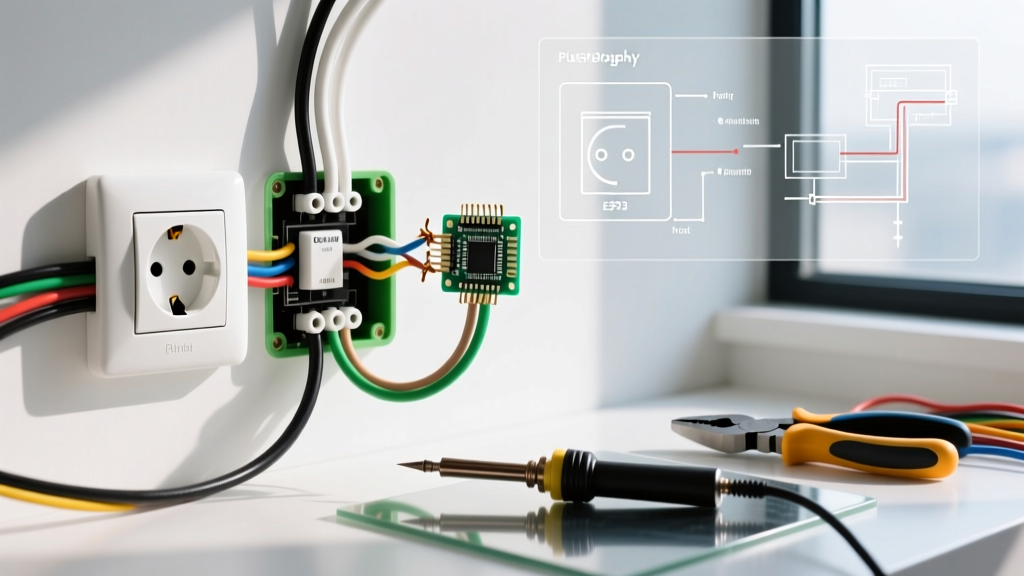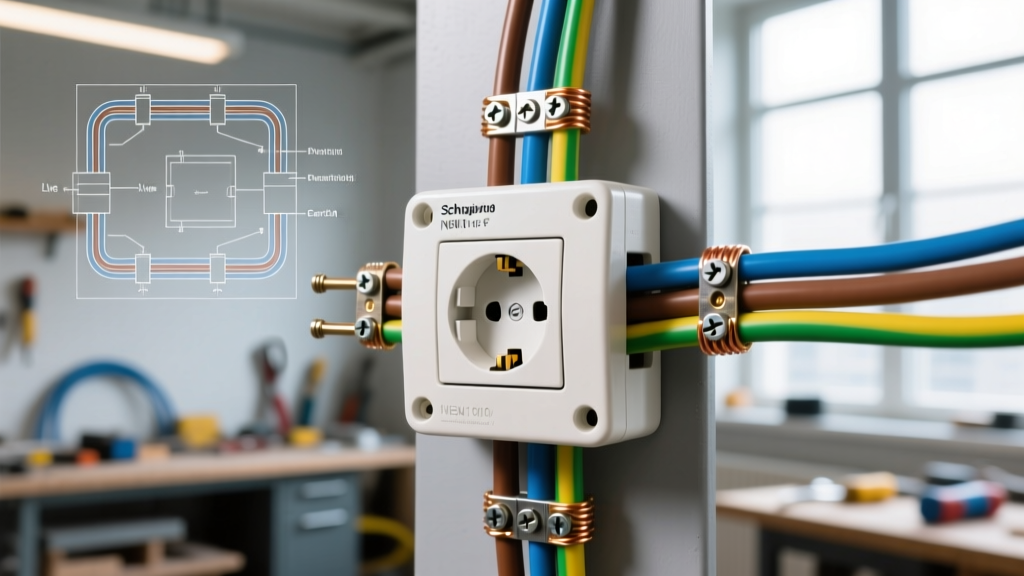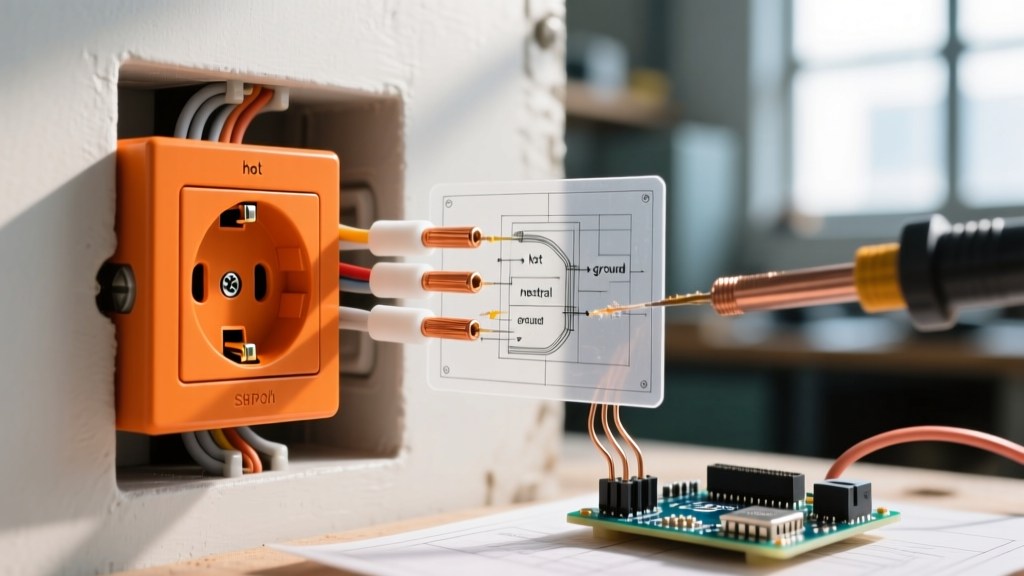

When you encounter an orange electrical outlet in a commercial building, hospital, or high-end residential AV room, it is rarely a decorative choice. In the electrical trade, color-coded receptacles communicate critical safety and functional information to electricians, facility managers, and IT professionals. While standard white or ivory receptacles handle general-purpose loads, an orange electrical outlet specifically denotes an Isolated Ground (IG) receptacle, designed to protect sensitive electronic equipment from electromagnetic interference (EMI) and ground loop noise.
As of the 2026 NEC adoption cycle, the installation of isolated ground receptacles remains strictly regulated under NFPA 70 (National Electrical Code). Misunderstanding the purpose of these devices—or worse, wiring them incorrectly—can result in severe code violations, equipment damage, and life-safety hazards. This comprehensive guide breaks down the anatomy, code requirements, and precise wiring procedures for orange isolated ground outlets.
Decoding the Orange Electrical Outlet: Visual Identifiers
Not all orange-colored receptacles are created equal. To maintain compliance and ensure safety, you must distinguish between manufacturer color choices and UL-listed code identifiers.
- The Orange Triangle (UL/NEC Mandated): A standard white or black receptacle featuring a small, solid orange triangle on the face is the universal, code-recognized symbol for an Isolated Ground receptacle. This triangle indicates that the grounding terminal on the yoke is electrically insulated from the metal mounting strap and the metal junction box.
- Full Orange Face: Some manufacturers, such as Hubbell and Leviton, produce IG receptacles where the entire nylon face is molded in orange. While this provides high visibility for facility maintenance teams, the orange triangle (or specific 'IG' stamping on the yoke) remains the primary legal identifier.
- Do Not Confuse with Hospital Grade: A Hospital Grade receptacle is identified by a green dot, not an orange triangle. Hospital Grade (HG) receptacles feature enhanced grip and impact resistance but do not inherently provide an isolated ground unless they also bear the orange triangle.
NEC Code Compliance: Article 250.146(D)
The standard rule for electrical grounding requires that the equipment grounding conductor (EGC) be bonded to the metal junction box and the receptacle yoke. However, sensitive electronics like MRI machines, studio mixing consoles, and data center servers can malfunction if high-frequency noise travels along the standard metal conduit grounding path.
To solve this, NEC Article 250.146(D) provides a specific exception for isolated ground receptacles. According to the code, an isolated ground receptacle is permitted to have its grounding terminal insulated from the metal box. However, this isolated ground wire must still be connected to the main service equipment ground bus or a separately derived system. It cannot simply be left floating or capped off inside the wall.
CRITICAL SAFETY WARNING: An isolated ground is NOT an 'ungrounded' outlet. The OSHA electrical safety standards and NEC strictly prohibit leaving the isolated ground conductor unterminated. A 'floating' isolated ground creates a lethal shock hazard by eliminating the fault-current path, rendering the circuit breaker unable to trip during a short circuit.
Component Selection and 2026 Pricing Matrix
When specifying components for an IG circuit, you must use UL-listed isolated ground receptacles. Standard receptacles cannot be modified in the field to become IG receptacles. Below is a comparison of standard versus specialized receptacles based on current 2026 market pricing and specifications.
| Receptacle Type | Visual Identifier | Example Model (20A) | Avg. Cost (2026) | Primary Application |
|---|---|---|---|---|
| Standard Commercial | White/Ivory Face | Leviton 5362-W | $2.50 - $4.00 | General office, residential |
| Hospital Grade (HG) | Green Dot on Face | Hubbell 5362-HG | $14.00 - $18.00 | Patient care areas (NEC 517) |
| Isolated Ground (IG) | Orange Triangle | Leviton 5362-IG | $11.00 - $16.00 | Data centers, AV studios, medical imaging |
| IG + Hospital Grade | Orange Triangle + Green Dot | Hubbell IG5362-HG | $22.00 - $28.00 | Operating rooms with sensitive tech |
Step-by-Step Wiring Guide for Isolated Ground Outlets
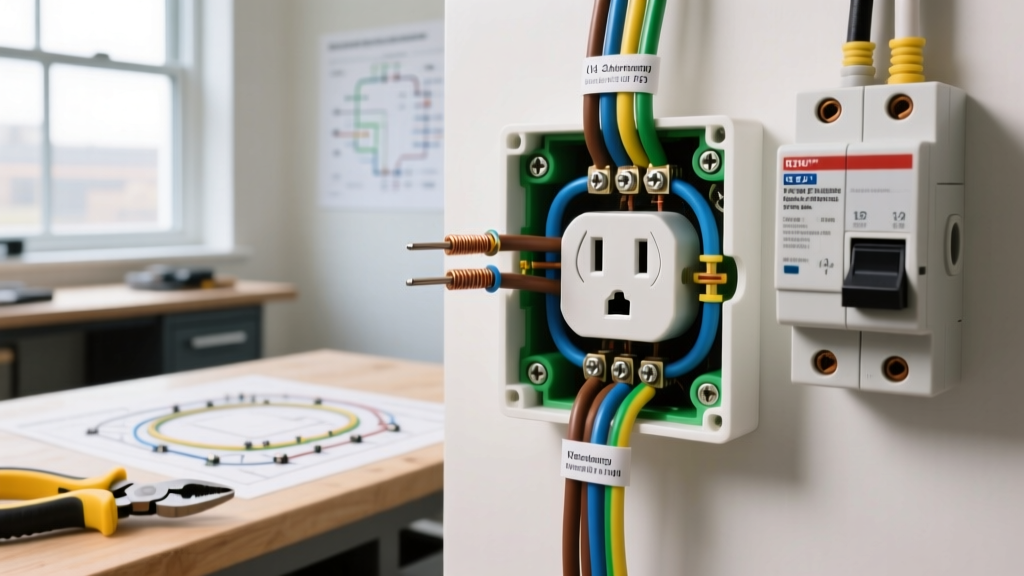
Wiring an orange electrical outlet requires a dedicated, insulated equipment grounding conductor (EGC) that bypasses the metal conduit and metal junction boxes entirely. Follow these precise steps to ensure code compliance and optimal noise reduction.
- Select the Correct Wire: Pull a dedicated ground wire alongside your hot and neutral conductors. By industry standard and NEC recommendation, this isolated ground wire should be green insulation with a yellow stripe (e.g., 12 AWG THHN). This distinguishes it from the standard solid green or bare copper ground wires in the panel.
- Prepare the Junction Box: If using a metal junction box, you must use an insulating bushing or a non-metallic (plastic) box. The isolated ground wire must pass through the metal box without making physical contact with it. If the wire's insulation is stripped back too far and touches the metal box, the isolation is defeated.
- Terminate the Hot and Neutral: Connect the black (hot) wire to the brass screw and the white (neutral) wire to the silver screw on the Leviton or Hubbell IG receptacle. Torque the terminal screws to the manufacturer's specified inch-pound rating (typically 12-14 in-lbs) using a calibrated torque screwdriver.
- Terminate the Isolated Ground: Connect the green/yellow striped wire directly to the green grounding screw on the receptacle yoke. Do not pigtail this wire to the metal box.
- Terminate at the Panel: Run the green/yellow wire all the way back to the main service panel or the separately derived source (like an isolation transformer). Land it on the main equipment grounding busbar. It must share the same potential as the standard ground, but it travels a 'clean' path free from conduit-induced EMI.
Common Code Violations and Failure Modes
During electrical inspections, isolated ground circuits are frequent targets for violations. Avoid these common pitfalls:
1. The 'Bootleg' Isolated Ground
Some inexperienced installers attempt to create an isolated ground by simply not connecting the standard bare copper ground wire to the receptacle, leaving the orange triangle unconnected. This is a severe life-safety violation. The receptacle must have a dedicated ground wire; it just needs to be insulated from the box.
2. Capacitive Coupling via Metal Faceplates
If you install an isolated ground receptacle but cover it with a standard metal faceplate that touches the metal junction box, high-frequency noise can capacitively couple from the box, through the faceplate, and into the receptacle yoke. Solution: Always use nylon or polycarbonate (plastic) faceplates on isolated ground circuits to maintain the physical insulation barrier.
3. Mixing IG and Standard Grounds on the Same Yoke
Never use a standard receptacle and attempt to isolate it by wrapping the yoke in electrical tape. Furthermore, do not install a duplex receptacle where one socket is standard ground and the other is isolated ground unless the specific manufacturer's UL listing permits internal separation (which is exceedingly rare). Use dedicated single-gang IG receptacles or verified duplex IG models.
Troubleshooting EMI and Ground Loop Issues
If you have installed an orange electrical outlet and the connected sensitive equipment (such as a high-end audio amplifier or medical monitor) still exhibits a 60Hz hum or data errors, the issue is likely a ground loop elsewhere in the system.
- Verify the Panel Bond: Ensure the isolated ground busbar in the subpanel is not improperly bonded to the neutral busbar. The neutral and ground must only be bonded at the main service disconnect.
- Check for Parallel Paths: Ensure the equipment plugged into the IG outlet is not also grounded via another path, such as a shielded CAT6 cable connected to a grounded server rack. This creates a secondary ground loop, bypassing the outlet's isolation.
- Measure Ground Potential: Use a true-RMS digital multimeter to measure the voltage between the isolated ground terminal and a known standard ground. It should read 0.0V to 0.2V. Any higher, and you have high resistance or a loose termination in the IG conductor path.
Understanding the true purpose and strict code requirements of the orange electrical outlet separates professional electrical contractors from amateurs. By adhering to NEC 250.146(D), utilizing the correct green/yellow THHN conductors, and maintaining physical insulation from metal enclosures, you ensure both the safety of the building's occupants and the flawless operation of critical electronic infrastructure.