
The Core Question: Can a Soldering Iron Electric Gun Weld Metal?
When tackling heavy-duty DIY repairs, automotive modifications, or structural metalwork, many enthusiasts hit a wall and ask: can a soldering iron electric gun weld metal? The short, metallurgical answer is no. Welding is a fusion process that requires melting the base metals themselves so they fuse together upon cooling. Soldering, conversely, is a non-fusion process where a lower-melting-point filler metal (the solder) is melted to create a metallurgical bond between solid base metals.
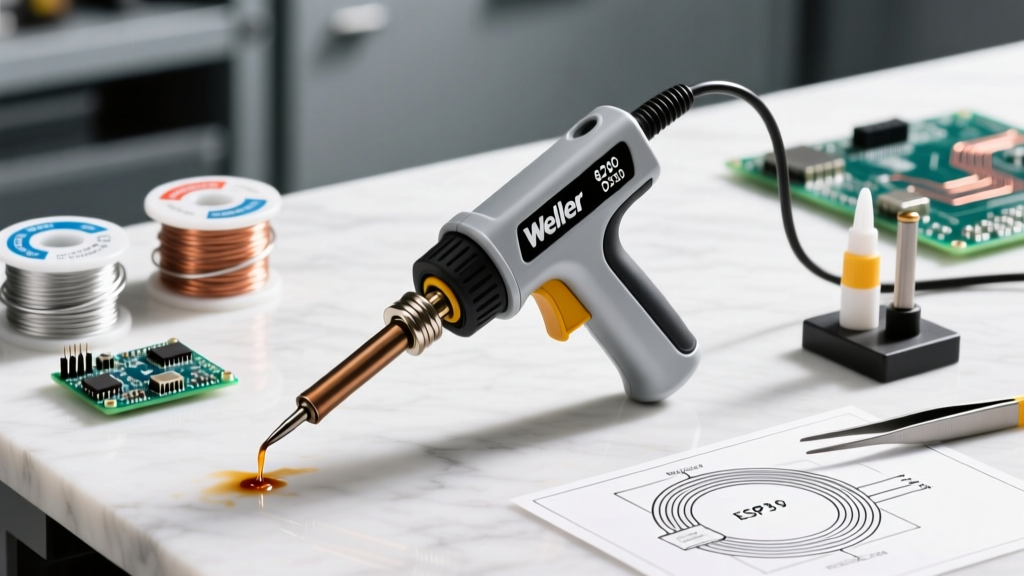
Transformer-based electric soldering guns—like the iconic Weller D550 or the Weller 8200PK—generate rapid, high-amperage heat through a step-down transformer. While they can push 260 watts of thermal energy into a joint in seconds, their maximum tip temperature caps out around 950°F (510°C). Steel melts at roughly 2,500°F (1,370°C), and copper melts at 1,984°F (1,085°C). Therefore, an electric soldering gun physically cannot melt base structural metals to 'weld' them. However, it can create incredibly strong, load-bearing soldered joints (often mistaken for welds) if the thermal dynamics and surface chemistry are perfectly managed. When users attempt to 'weld' metal with a soldering gun and fail, the issue is almost always rooted in thermal deficit, improper flux chemistry, or severe joint oxidation.
Thermal Dynamics: Soldering Guns vs. True Welders
To troubleshoot failed joints, you must first understand the thermal output limitations of your equipment. As of 2026, the shift toward lead-free SAC305 (Tin/Silver/Copper) solders in commercial electronics has further complicated heavy-duty soldering, as these alloys require higher thermal mass and melt at 430°F (221°C) compared to the 361°F (183°C) of legacy 60/40 Sn/Pb solders.
| Tool / Process | Typical Wattage / Output | Max Effective Temp | Base Metal Melted? | Best Application |
|---|---|---|---|---|
| Weller D550 (Transformer Gun) | 260W | 950°F (510°C) | No | Heavy gauge wire, copper busbars |
| Weller 8200PK (Standard Gun) | 120W | 850°F (454°C) | No | Automotive wiring, stained glass |
| American Beauty 500W (Resistive) | 500W | 1,100°F (593°C) | No | Sweat soldering, large copper lugs |
| MIG / Flux-Core Arc Welder | 3,000W+ (Electrical) | 3,000°F+ (1,650°C+) | Yes | Steel brackets, automotive frames |
| Oxy-Acetylene Torch | Chemical (BTU) | 5,600°F (3,100°C) | Yes | Brazing, heavy steel welding |
Troubleshooting Failed 'Weld' Joints with a Soldering Gun
If you are attempting to join two pieces of metal (such as copper roofing sheets, thick steel brackets, or battery busbars) and the joint is failing under mechanical stress, troubleshoot using the following diagnostic framework.
Symptom 1: The Filler Metal Balls Up and Rolls Off
The Diagnosis: Severe oxidation or incorrect flux chemistry. Solder will not wet oxidized steel or aluminum. If you are using standard rosin-core electronics solder on a mechanical metal joint, the rosin is far too weak to strip the metal oxides.
The Fix: You must switch to a water-soluble or mild acid paste flux (such as Superior No. 30 or Rubyfluid). Warning: Acid fluxes are highly corrosive and will destroy electronic components and PCB traces. They are strictly for mechanical metal joining and plumbing. After the joint cools, it must be neutralized with a baking soda solution and scrubbed to prevent long-term galvanic corrosion.
Symptom 2: The Joint Cracks Under Mechanical Stress (Cold Joint)
The Diagnosis: Thermal deficit. The base metal is acting as a massive heat sink, pulling thermal energy away from the soldering gun tip faster than the transformer can replenish it. The solder melts, but the base metal never reaches the flow-point temperature, resulting in a superficial 'cold joint' that lacks a true intermetallic layer.
The Fix: Increase the thermal mass. A 120W soldering gun cannot sweat-solder a 1/4-inch copper plate. You must pre-heat the base metal using a MAPP gas torch or a hot air rework station set to 350°C before applying the electric soldering gun. Alternatively, upgrade to a high-wattage resistive iron like the American Beauty 300W or 500W models, which maintain continuous thermal equilibrium better than transformer guns.
Symptom 3: Solder Adheres, but the Steel Bracket Fails
The Diagnosis: You are attempting to use solder as a structural substitute for a true weld. According to the IPC J-STD-001 standard for soldered electrical and electronic assemblies, solder is not designed to bear primary mechanical loads without strain relief. Solder has a tensile strength of roughly 3,000 to 6,000 PSI, whereas a true steel weld can exceed 70,000 PSI.
The Fix: Abandon the soldering gun for structural steel. Use a 115V MIG welder or a brazing torch. If you must use solder for mechanical retention, incorporate mechanical interlocks (e.g., folding the metal tabs, using rivets, or wrapping wire) so the solder only provides electrical continuity and environmental sealing, not structural strength.
Safety Note on Galvanized Steel: Never attempt to heat, solder, or weld galvanized steel without stripping the zinc coating first. Heating galvanized steel releases zinc oxide fumes, which causes 'metal fume fever'—a severe, flu-like respiratory condition. Always grind away the zinc layer and wear a P100 respirator, as detailed in OSHA's safety guidelines on welding and cutting fumes.
Pushing the Limits: Sweat Soldering vs. Welding
While a soldering gun cannot melt base metal, it excels at 'sweat soldering.' This technique involves tinning two overlapping metal surfaces separately, then placing them together and heating the joint until the pre-applied solder layers melt and fuse. This creates a joint that is exceptionally strong in shear force and completely waterproof. Sweat soldering is heavily used in copper roofing, antique automotive radiator repair, and custom battery pack busbars where TIG welding would melt the thin copper or damage adjacent lithium cells.
Step-by-Step Sweat Soldering Protocol for Heavy Metals
- Mechanical Prep: Sand both mating surfaces with 80-grit sandpaper to bare, shiny metal. Do not touch the sanded surfaces with bare skin; the oils from your fingers will inhibit solder wetting.
- Flux Application: Apply a generous layer of liquid or paste flux (appropriate for the base metal) to both surfaces.
- Pre-Tinning: Use the electric soldering gun to melt a thin, even layer of solder onto each individual piece. The flux should boil and clean the metal, allowing the solder to 'tin' or coat the surface.
- Mating and Fusing: Clamp the two tinned pieces together. Apply the soldering gun tip directly to the seam. Watch for the solder to flash-liquify (sweat) and capillary-action into the microscopic gaps between the metals.
- Cooling: Remove the heat and hold the pieces perfectly still until the solder crystallizes. Any movement during the phase change will fracture the crystalline structure, resulting in a weak, grainy joint.
Maintenance Protocols for Transformer Soldering Guns
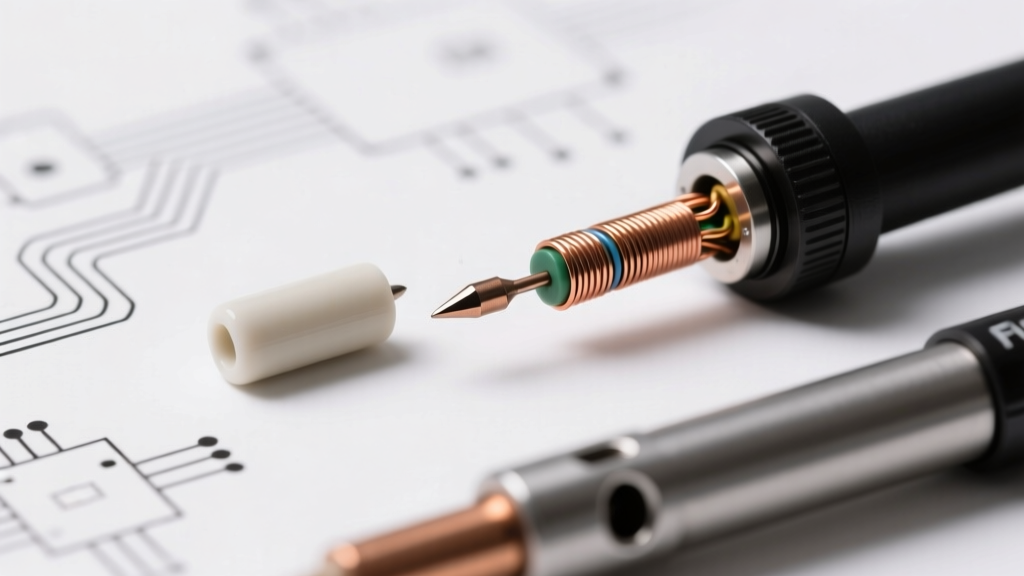
Transformer soldering guns are rugged, but their unique design requires specific maintenance to prevent catastrophic failure. Unlike ceramic-heater soldering stations, transformer guns use a heavy copper secondary coil and a removable wire tip.
- Tip Wire Replacement: The tip of a Weller D550 is literally a loop of thick, tinned copper wire. Over time, the flux and molten solder will alloy with the copper tip, causing it to pit, thin, and eventually snap. Keep a stock of replacement tip wires (e.g., Weller G550 replacement loops). When the tip loses 20% of its cross-sectional thickness, replace it to prevent localized resistance overheating.
- Binding Post Maintenance: The two copper binding posts that hold the tip wire in place are prone to oxidation. If you notice the gun struggling to heat up or the trigger switch arcing excessively, remove the tip wire and scrub the binding post threads and contact faces with a brass wire brush. Apply a microscopic dab of conductive anti-seize or high-temp copper grease to ensure maximum current transfer.
- Trigger Switch & Transformer Duty Cycle: Transformer guns are not designed for continuous use. The primary coil inside the plastic housing relies on ambient air cooling and off-cycles to prevent thermal runaway. Rule of thumb: Never hold the trigger down for more than 30 seconds at a time. If the internal transformer housing becomes too hot to touch, let it cool for 5 minutes. Continuous triggering will melt the internal insulation, short the primary coil, and destroy the tool.
Expert Verdict: When to Put the Soldering Gun Away
Understanding the metallurgical boundaries of your tools is the hallmark of a master fabricator. As outlined by Lincoln Electric's welding fundamentals, true fusion welding requires altering the crystalline structure of the base metal through extreme heat. A soldering iron electric gun simply does not possess the thermal capacity to cross that threshold.
If you are joining heavy-gauge copper, tinning battery lugs, or sweat-soldering sheet metal enclosures, a high-wattage electric soldering gun is an irreplaceable asset. However, if you are attempting to repair a cracked steel bracket, fabricate a load-bearing trailer hitch, or join aluminum structural extrusions, the soldering gun will only yield a superficial, dangerous bond. Recognize the limits of thermal mass, respect the chemistry of your fluxes, and transition to MIG, TIG, or brazing processes when structural fusion is required.