
Why Your Soldering Iron Holder is the Most Underrated Safety Tool
When beginners assemble their first electronics workbench, they typically allocate 90% of their budget to the soldering station and 10% to the accessories. This results in a dangerous compromise: pairing a $150 temperature-controlled station with a $5 stamped-metal wire coil. A soldering iron holder is not merely a parking spot; it is a critical safety device and a primary factor in the lifespan of your soldering tips.
According to laboratory safety guidelines published by Princeton University's Environmental Health and Safety department, unsecured soldering irons are a leading cause of benchtop fires and severe contact burns in amateur workshops. An iron operating at 350°C (662°F) that rolls off a lightweight, poorly balanced stand can ignite paper datasheets, melt wire insulation, or cause third-degree burns in milliseconds.
This guide breaks down the metallurgy, physics, and practical workflow considerations of soldering iron holders, helping you choose the right stand to protect your bench, your budget, and your fingertips.
Anatomy of a Professional Soldering Iron Stand
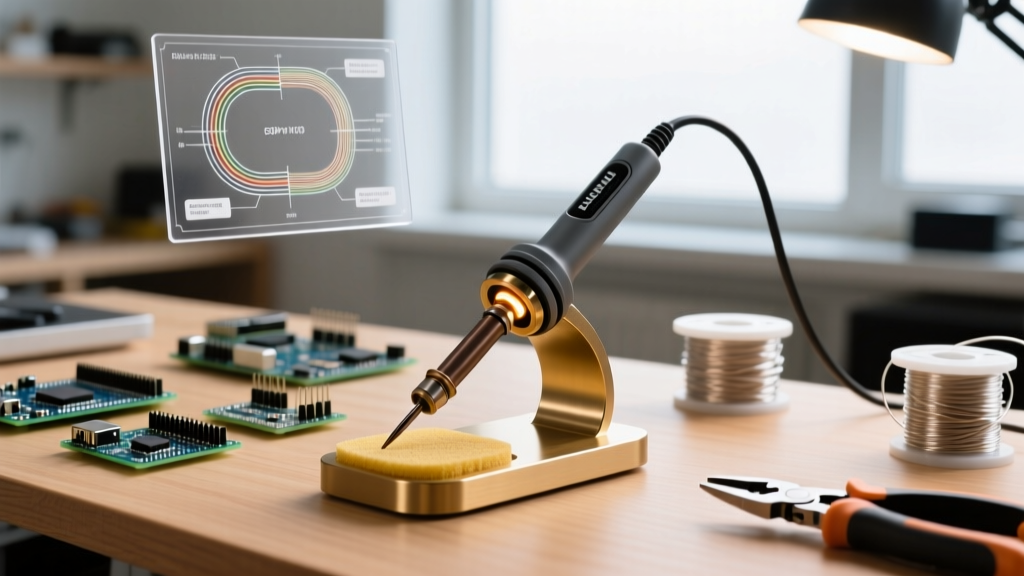
To understand what separates a professional stand from a cheap knockoff, you must examine the three core components of the holder:
- The Base: Must provide a low center of gravity. Professional bases are made from die-cast zinc or heavy-gauge stamped steel, weighing between 1.5 lbs (680g) and 2.5 lbs (1.1kg). Lightweight plastic or thin aluminum bases will tip when the iron's silicone cable is pulled.
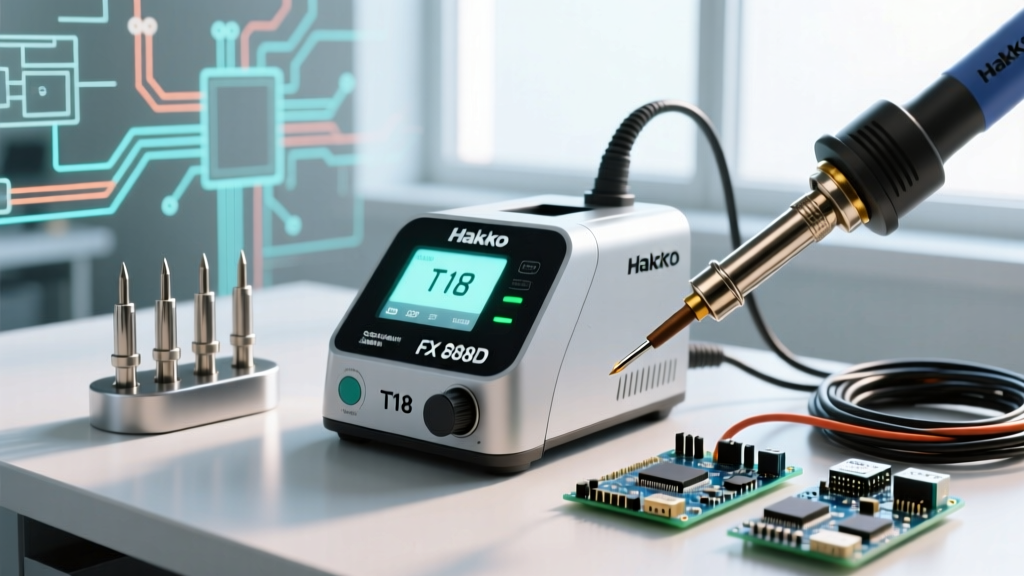
- The Retention Coil or Dock: Traditional stations use a galvanized or zinc-plated steel spring coil. The inner diameter (ID) must match your wand. Standard Japanese-style wands (like Hakko FX-888D) require a 19mm to 22mm ID coil. American-style wands (like older Weller WES51) often require larger 25mm+ coils.
- The Cleaning Receptacle: A dedicated tray or well designed to hold either a cellulose sponge or brass wire wool, positioned to catch falling solder dross and flux residue without allowing it to splash back onto the user.
Stamped Metal vs. Die-Cast vs. Magnetic: A Comparison Matrix
Not all holders are built for the same workflow. Below is a structural comparison of the three dominant soldering iron holder designs available on the market today.
| Holder Type | Average Weight | Price Range | Best For | Primary Failure Mode |
|---|---|---|---|---|
| Generic Stamped Steel Coil | 0.4 - 0.7 lbs | $5 - $12 | Absolute beginners on a micro-budget | Tipping over; coil losing tension |
| Die-Cast Zinc Base + Coil | 1.5 - 2.5 lbs | $15 - $45 | Standard through-hole & SMD benchwork | Zinc oxidation if exposed to harsh flux fumes |
| Magnetic / Smart Iron Docks | 0.8 - 1.2 lbs | $15 - $35 | USB-C smart irons (Pinecil, TS100) | Magnetic interference with sensitive SMD components |
The Great Debate: Wet Sponge vs. Brass Wire Tip Cleaners
The cleaning mechanism integrated into your soldering iron holder will dictate how long your $10 replacement tips last. This is an area where outdated advice still plagues the beginner community.
The Problem with Wet Cellulose Sponges
For decades, the yellow cellulose sponge was the default. However, dropping a 400°C soldering tip into a room-temperature wet sponge causes an instantaneous temperature drop of over 300°C. As documented in the Hakko Technical Tip Care Guide, this severe thermal shock causes micro-fractures in the tip's protective iron plating. Once the plating cracks, the underlying copper core is exposed to molten solder, leading to rapid pitting and dissolution (a process known as 'solder erosion'). Furthermore, using tap water instead of distilled water introduces calcium and magnesium minerals that bake onto the tip, creating an insulating layer that ruins thermal transfer.
The Superiority of Brass Wire Wool
Modern professional holders utilize a coiled brass wire sponge (often called a 'brass swarf'). Brass has a higher melting point than solder but is softer than the iron plating on your tip. When you plunge a hot tip into brass wool, the temperature drop is limited to roughly 50°C to 80°C, well within the safe thermal tolerance of the tip's metallurgy. The brass wires scrape away oxidized flux and dross without abrading the chromium or iron protective layers.
Pro-Tip: If your holder only accommodates a sponge, you can easily retrofit it by purchasing a standalone brass cleaner (like the Hakko 599B for ~$12) and placing it next to your stand. Never use steel wool or sandpaper on a soldering tip; you will strip the plating in seconds.
Top 3 Soldering Iron Holders for Beginners
Based on bench stability, thermal safety, and compatibility, here are the top three holders to anchor your workstation.
1. The Benchmark: Hakko 602 Tip Cleaner and Stand
Price: $18 - $22
Compatibility: Hakko FX-888D, FX-601, and most 19mm clone wands.
Verdict: The Hakko 602 features a heavy die-cast base and an integrated brass wire coil. The coil is angled at exactly 45 degrees, allowing you to insert and withdraw the iron using a natural wrist pivot without looking. The brass coil sits in a deep well, preventing hot solder dross from flicking onto your desk.
2. The Heavy-Duty Choice: Weller WDH10T Safety Rest
Price: $38 - $45
Compatibility: Weller WES51, WESD51, and standard American-style grips.
Verdict: Weighing in at over 2 lbs, the WDH10T is virtually immovable. It features a massive stamped steel spring that accommodates thicker silicone grips, and a wide tray for a large sponge or loose brass wool. It is the gold standard for heavy through-hole work where thick cables exert high drag on the wand.
3. The Modern Smart Stand: Pine64 Magnetic Pinecil Stand
Price: $15 - $19
Compatibility: Pinecil V2, TS100, Sequri S60.
Verdict: USB-C smart irons are incredibly lightweight (under 50g). Traditional heavy coils can cause the thin cables of smart irons to pull the wand out of the stand. The Pine64 magnetic stand uses a silicone cradle and a neodymium magnet to secure the iron's metal collar. Warning: Keep magnetic stands at least 12 inches away from loose SMD components, Hall-effect sensors, and magnetized screwdrivers to comply with IPC J-STD-001 handling sensitivities for magnetic fields.
Step-by-Step: Optimizing Your Holder for Workflow Efficiency
Where you place your soldering iron holder is just as important as what you buy. Follow this ergonomic setup guide to minimize fatigue and cable strain:
- Determine Your Dominant Hand: If you are right-handed, place the holder on the right side of your PCB vise, angled slightly outward (about 15 degrees) toward your elbow.
- Manage the Cable Loop: Route your iron's cable over the top of the stand's coil (if applicable) or use a small binder clip to secure the cable to the back edge of your desk. This creates a 'zero-gravity' tension loop, ensuring the cable never drags across your freshly soldered joints.
- The 'Blind Return' Test: Close your eyes and attempt to return the iron to the holder using only muscle memory. If the wand clanks against the metal rim or misses the coil entirely, adjust the angle of the stand. You should never have to look away from your PCB to park a 400°C tool.
Common Beginner Mistakes That Ruin Tips and Stands
Even with a premium $40 stand, poor habits will destroy your equipment. Avoid these three critical errors:
- Leaving the Iron 'Parked' for Hours: If your station lacks an auto-sleep feature, leaving the iron resting in the coil at 350°C accelerates oxidation. The tip will turn black and refuse to accept solder within 48 hours of cumulative use. Always turn the dial to 200°C (standby) when not actively soldering.
- Using the Coil as a Wire Holder: Beginners often wrap spare wire or solder wick around the stand's spring coil. This traps flux vapors against the metal, causing rapid rust and degrading the coil's structural integrity.
- Ignoring Dross Buildup: Solder dross (the gray, crusty oxidation left behind after cleaning) is highly corrosive. If left in the brass wool or sponge tray, it will eat through thin stamped-metal bases. Empty and wipe down your holder's tray with isopropyl alcohol (IPA) once a week.
Final Verdict: Invest in Stability
A high-quality soldering iron holder is a one-time purchase that pays for itself by preventing bench fires and extending the life of your soldering tips by 300% or more. Skip the free, flimsy wire loops included with budget Amazon clones. Invest $20 in a Hakko 602 or a dedicated brass-cleaner stand, and your soldering workflow will instantly become safer, cleaner, and vastly more professional.