
The Fundamental Difference: Chemistry vs. Composite
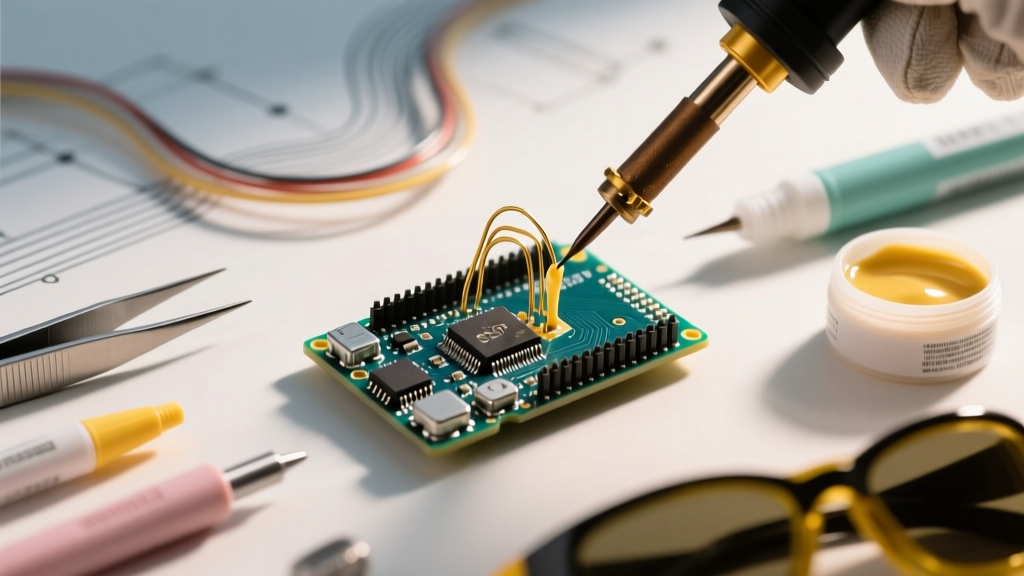
When building or repairing printed circuit boards (PCBs), beginners often conflate chemical activators with solder delivery systems. Understanding the distinction between soldering flux vs soldering paste is not just a matter of application technique; it is a critical safety prerequisite. Flux is a chemical compound (liquid, gel, or solid rosin) designed to remove oxidation and promote wetting. Solder paste, conversely, is a composite material: a precise suspension of microscopic solder alloy powder (like SAC305 or Sn63/Pb37) mixed within a viscous flux vehicle.
Core Distinction: Soldering flux facilitates the bond; soldering paste is the bond (metal) plus the facilitator (flux). Because paste contains heavy metals and requires reflow heating, its hazard profile and handling protocols are vastly different from standalone flux.
In 2026, with the widespread adoption of miniaturized SMD (Surface Mount Device) components and stricter environmental regulations, mastering the safety protocols for both consumables is mandatory for any serious DIYer or professional lab.
Hazard Profile Comparison Matrix
Before opening a syringe or bottle, review the specific hazards associated with each consumable type. The risks dictate your required Personal Protective Equipment (PPE) and workspace engineering controls.
| Property | Liquid/Gel Flux | Solder Paste | Primary Hazard | Required Mitigation |
|---|---|---|---|---|
| Composition | Rosin, VOCs, mild acids | 90% metal powder, 10% flux | VOC inhalation, skin sensitization | Fume extractor, nitrile gloves |
| Application | Brush, pen, syringe | Stencil, pneumatic dispenser | Aerosolization during dispensing | Proper ventilation, eye protection |
| Thermal Risk | Outgassing at 150°C+ | Splattering if heated too fast | Hot flux spitting, toxic fumes | Controlled reflow profiles |
| Storage | Room temp, sealed | Refrigerated (0-10°C) | Condensation, alloy degradation | Strict thawing protocols |
| Disposal | Hazardous waste (VOCs) | Hazardous waste (Heavy metals) | Environmental contamination | Certified e-waste/chemical pickup |
Safety Best Practices: Handling Soldering Flux
Whether you are using a water-soluble organic acid (OA) flux for heavy-duty wiring or a no-clean rosin flux for delicate SMD rework, the chemical activators pose distinct biological and environmental risks.
Respiratory Protection and Fume Extraction
The most severe long-term risk of flux exposure is occupational asthma caused by colophony (pine rosin). When heated above 150°C, rosin-based fluxes vaporize and oxidize, creating sub-micron particulates that penetrate deep into the lungs. The UK Health and Safety Executive (HSE) strictly classifies colophony fume as a respiratory sensitizer, meaning repeated exposure can trigger lifelong asthmatic reactions even at minimal doses.
- Capture Velocity: Your fume extractor must have a capture velocity of at least 100 feet per minute (fpm) at the source. A desk fan blowing smoke away is entirely ineffective and merely redistributes toxins.
- Filtration Stages: Use a dual-stage extractor (e.g., the BOFA AD362 for industrial labs, or the Hakko FA-400 for DIY benches). Stage 1 must be a HEPA filter for particulates; Stage 2 must be activated carbon to adsorb volatile organic compounds (VOCs) and acidic gases.
Skin Contact and Solvent Exposure
Liquid fluxes often use isopropyl alcohol (IPA) or harsher glycol ethers as carriers. These solvents strip natural oils from the skin, causing contact dermatitis and facilitating the transdermal absorption of chemical activators. Always wear 4-mil nitrile gloves. If flux contacts your skin, wash immediately with a specialized technical hand cleaner (like Fast Orange) rather than harsh solvents, which only drive the chemicals deeper into your pores.
Safety Best Practices: Handling Soldering Paste
Solder paste introduces heavy metal exposure and complex thermal dynamics into the workspace. In 2026, a 35g syringe of premium SAC305 (Tin/Silver/Copper) no-clean paste from brands like Amtech or Indium typically costs between $35 and $55. Protecting your investment—and your health—requires strict adherence to handling protocols.
Cold Storage, Thawing, and Condensation Risks
Solder paste must be stored in a dedicated laboratory refrigerator between 0°C and 10°C to prevent the flux vehicle from separating and the solder powder from oxidizing. However, improper thawing is a leading cause of both safety incidents and manufacturing defects.
- Never heat to thaw: Never use a hotplate or warm water to speed up thawing. This degrades the flux and causes the metal powder to clump.
- The 2-to-4 Hour Rule: Stand the syringe upright at room temperature for 2 to 4 hours before opening.
- The Condensation Hazard: If you open a cold syringe in a humid room, atmospheric moisture will condense inside the tip. During reflow, this trapped water instantly vaporizes, causing the molten solder to violently splatter (spit) onto your skin or nearby components, leading to burns and 'tombstoning' defects.
Lead vs. Lead-Free Paste Handling
While the industry has largely shifted to lead-free alloys (like SAC305, melting at 217°C), Sn63/Pb37 (melting at 183°C) remains popular for DIY and aerospace applications due to its superior wetting. If you use leaded paste, you must comply with OSHA's Lead standards. Never eat, drink, or touch your face while handling leaded paste. Wash hands thoroughly with cold water and lead-removal soap immediately after use. Hot water opens the pores and increases lead absorption.
Step-by-Step Safe Cleanup Protocol
Post-soldering cleanup is where many DIYers inadvertently expose themselves to concentrated chemical residues. Follow this standardized cleanup flow:
- Cool Down: Allow the PCB to drop below 40°C before applying any cleaning solvents to prevent thermal shock and rapid solvent vaporization.
- Select the Right Solvent: For rosin-based fluxes, use 99% IPA or a dedicated PCB wash (e.g., MG Chemicals 824). For water-soluble fluxes, use warm deionized (DI) water; IPA will actually trap water-soluble residues in a sticky film.
- Mechanical Agitation: Use a lint-free swab or an ESD-safe brush. Never use standard cotton swabs, as they leave fibers that can trap flux and cause dendritic growth (short circuits) over time.
- Drying: Blow dry with compressed air or use a low-heat convection oven (60°C for 15 minutes) to ensure no moisture is trapped under BGA chips.
Frequently Asked Questions
Can I use liquid flux on top of solder paste?
Generally, no. Solder paste already contains a carefully balanced flux vehicle. Adding external liquid flux can alter the chemical ratio, causing excessive outgassing, voiding in the solder joints, and potentially corrosive residues that violate IPC J-STD-004 reliability standards. Only use additional flux for manual rework or touch-ups, and ensure it is chemically compatible with the paste's original flux type.
Is 'No-Clean' flux actually safe to leave on the board?
'No-clean' means the residue is non-conductive and non-corrosive under normal operating conditions. However, if the board will operate in high-humidity environments, or if you plan to apply a conformal coating later, you must clean it. No-clean flux residues can prevent conformal coatings from adhering properly, leading to delamination and moisture ingress.
How do I safely dispose of expired solder paste?
Solder paste contains heavy metals (tin, silver, copper, and potentially lead) and hazardous organic solvents. It must never be thrown in municipal trash or washed down a drain. Store expired paste in its original container and hand it over to a certified hazardous waste or e-waste recycling facility in your municipality.