
The Core Purpose of Flux When Soldering: An Economic Perspective
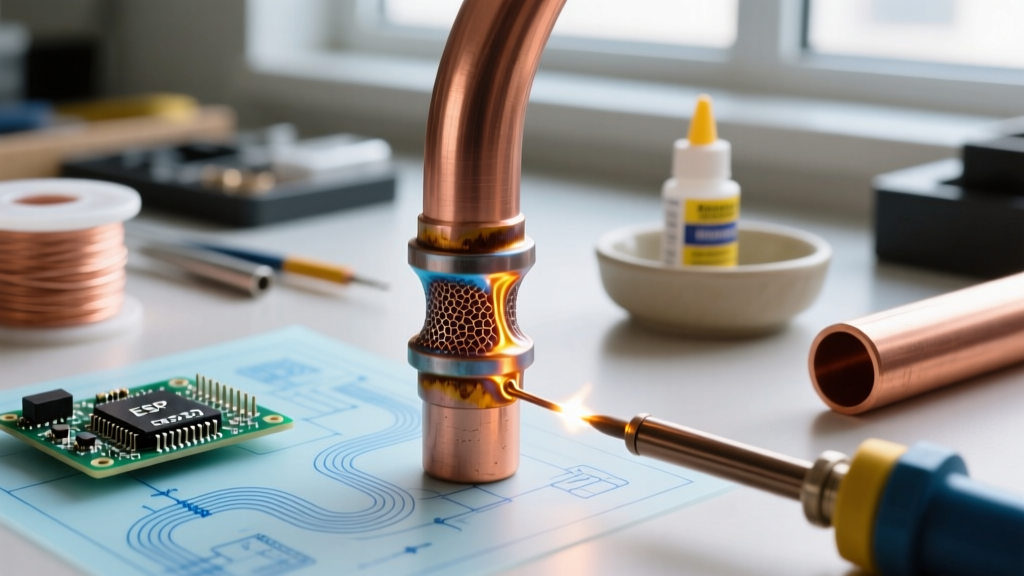
In the electronics manufacturing and DIY repair landscape of 2026, flux is frequently misunderstood as a mere 'tacky adhesive' meant to hold components in place before the solder melts. This fundamental misconception leads to poor procurement choices, catastrophic field failures, and inflated rework budgets. To truly optimize your electronics budget, you must understand that the primary purpose of flux when soldering is chemical, not mechanical. Flux acts as a reducing agent that strips metal oxides (such as CuO and SnO2) from the PCB pads and component leads while simultaneously lowering the surface tension of the molten solder alloy to promote capillary wetting.
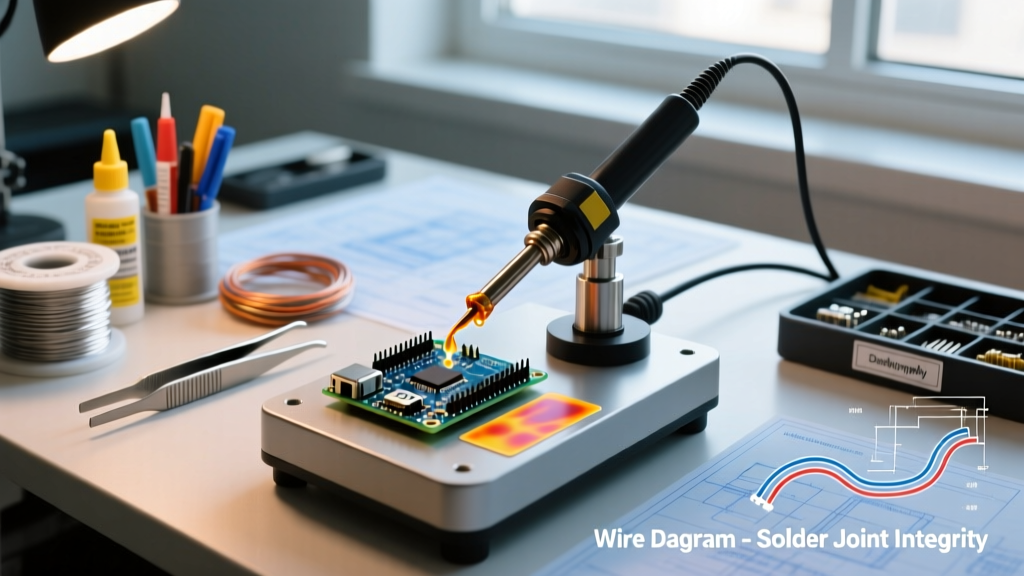
When we analyze the purpose of flux through a cost-analysis lens, the financial implications become stark. A failure in flux activation does not just result in an ugly solder joint; it directly drives up the Total Cost of Ownership (TCO) through increased thermal stress on components, expensive diagnostic troubleshooting, and high-rate board scrapping. According to the IPC J-STD-004B standards for flux requirements, the chemical classification of your flux dictates your entire post-soldering workflow, cleaning overhead, and long-term reliability profile.
The Golden Rule of Soldering Economics: Saving $15 on a syringe of premium flux will inevitably cost you $150 in BGA rework labor and potential warranty claims due to electrochemical migration.
Flux Chemistry Breakdown and Hidden Financial Impacts
Different flux chemistries serve distinct metallurgical purposes, but each carries a unique financial footprint regarding application, cleaning, and reliability. Let us break down the three primary categories and their hidden costs.
1. Rosin Mildly Activated (RMA) and Rosin Activated (RA)
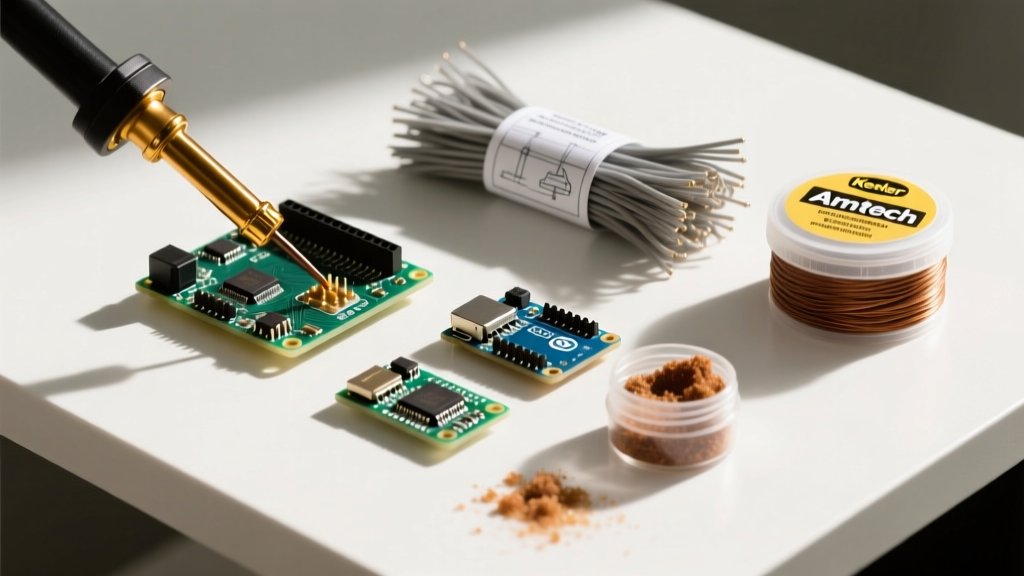
Derived from pine sap, rosin-based fluxes are the traditional workhorses of through-hole and general hand-soldering. The 'activators' (usually halides or organic acids) are what fulfill the core purpose of flux when soldering by dissolving oxides. Cost Impact: RMA fluxes are relatively cheap to acquire (e.g., Kester 245 at roughly $0.45 per gram). However, they leave behind a sticky, non-conductive rosin residue that traps dirt and makes visual automated optical inspection (AOI) difficult. While technically 'safe' to leave on the board, the hidden cost lies in the cosmetic rejection rates from clients who demand pristine PCBs.
2. Water-Soluble (Organic Acid / OA)
OA fluxes are highly aggressive, designed for high-volume wave soldering and challenging alloys like SAC305 (Tin/Silver/Copper). Their purpose is to provide maximum wetting speed. Cost Impact: This is where the hidden costs explode. Water-soluble fluxes must be cleaned. According to experts in electronics cleaning chemistry like Zestron's flux removal guidelines, leaving OA residue guarantees rapid corrosion. Cleaning requires Deionized (DI) water generation, specialized saponifiers (like Kyzen E5611), ultrasonic baths, and expensive wastewater disposal compliance. For a mid-sized fab, the cleaning infrastructure can add $1.50 to $3.00 per board in overhead.
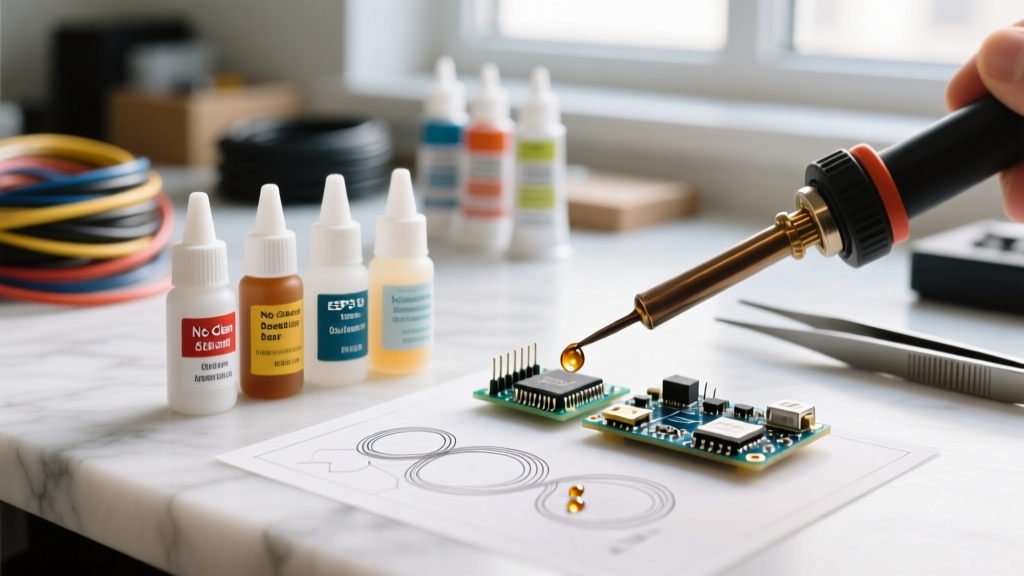
3. No-Clean (Synthetic / Resin)
No-clean fluxes are engineered to volatilize their activators during the reflow process, leaving behind a benign, glass-like residue. Cost Impact: They eliminate the cleaning step entirely, saving massive capital expenditure. However, they require surgical precision in thermal profiling. If the reflow oven does not maintain the proper Time Above Liquidus (TAL) and peak temperature (typically 235°C - 245°C for lead-free), the flux fails its purpose. Un-volatilized activators remain on the board, leading to catastrophic field failures.
Cost Matrix: Premium vs. Generic Flux TCO
Not all fluxes are created equal. The market is flooded with generic, unbranded 'tacky flux' pastes that claim to be no-clean but contain unregulated halide levels. Below is a comparative cost analysis based on 2026 market pricing for a standard 35g syringe.
| Flux Category | Example Product | Acquisition Cost (35g) | Wetting Reliability | Hidden Rework / Cleaning Cost |
|---|---|---|---|---|
| Generic Unbranded | Amazon 'No-Clean' Paste | $4.50 ($0.12/g) | Poor (High Oxide Failure) | High ($5-$15/board in cold-joint rework) |
| Premium Tacky (RMA) | Amtech TACFlux 020B | $29.00 ($0.82/g) | Excellent | Low (Minimal rework, safe residue) |
| Premium Liquid (RA) | Indium #312 | $22.00 ($0.62/g) | Superior (Fine Pitch) | Medium (Requires IPA wipe-down) |
| Industrial No-Clean | Alpha Metals OM-338 | $35.00 (Jar/Paste) | Exceptional (Reflow) | Zero (If thermal profile is perfect) |
As demonstrated by data from Indium Corporation's soldering flux engineering resources, premium fluxes maintain their chemical stability over time, whereas generic fluxes often separate or dry out in the syringe, leading to inconsistent deposition and immediate pad dewetting.
Real-World Failure Modes Caused by Ignoring Flux Purpose
When the purpose of flux is compromised—either by using expired material, selecting the wrong chemistry for the alloy, or failing to reach activation temperatures—the financial damage manifests in specific, highly expensive failure modes:
- Head-in-Pillow (HiP) Defects: Common in BGA components. The solder paste on the board and the solder ball on the BGA melt, but fail to coalesce due to a barrier of un-removed oxides. The joint looks intact on X-ray but is mechanically disconnected. Reworking a single BGA can cost upwards of $120 in labor and specialized stencils.
- Tombstoning: Uneven flux activation on small passive components (like 0201 or 0402 sizes) causes one pad to wet faster than the other. The surface tension pulls the component upright. This requires manual microscopic intervention, halting automated production lines.
- Electrochemical Migration (ECM): If aggressive water-soluble flux is trapped under a bottom-terminated component (BTC) like a QFN and not properly cleaned, humidity will cause the ionic residues to form dendritic metal bridges. This causes short circuits weeks after the product has shipped to the consumer, triggering massive warranty replacements.
Calculating Your Flux Return on Investment (ROI)
To move beyond the sticker price of a flux syringe, procurement managers and serious hobbyists should calculate the True Cost of Flux Ownership using this step-by-step framework:
- Calculate Deposition Cost: Divide the syringe price by the number of boards you can print. (e.g., A $30 syringe yielding 100 boards = $0.30 per board).
- Add Cleaning Overhead: If using OA flux, add the cost of saponifier, DI water, and labor time per board. (Often $1.50+ per board).
- Factor the Rework Multiplier: Track your cold-joint rework rate. If generic flux causes a 15% rework rate on a board that takes 10 minutes to diagnose and fix at a labor rate of $40/hour, your rework cost is $6.66 per board.
- Determine Final TCO: Premium Flux ($0.30) + Zero Cleaning ($0) + 1% Rework ($0.44) = $0.74 per board. Generic Flux ($0.10) + Zero Cleaning ($0) + 15% Rework ($6.66) = $6.76 per board.
The ROI of purchasing high-grade, purpose-engineered flux is mathematically undeniable once rework labor is factored into the equation.
Actionable Procurement Strategy for 2026
Understanding the purpose of flux when soldering allows you to align your consumable purchases with your specific operational reality. Here is the definitive procurement guide based on your application:
- For High-Density Hand Rework & BGA Reballing: Invest in premium tacky fluxes like Amtech or Indium. The high viscosity and superior oxide-scavenging capabilities justify the $30+ price tag by preventing bridging and ensuring perfect co-planarity.
- For Automated SMT Reflow Lines: Utilize Type 4 or Type 5 no-clean solder pastes (like Alpha OM-338). Ensure your reflow oven's thermocouple profiles strictly hit the flux manufacturer's specified activation dwell times to guarantee zero post-assembly cleaning costs.
- For Heavy-Duty Through-Hole & Oxidized Wires: Use liquid RA (Rosin Activated) fluxes or specialized plumbing-grade acid fluxes (outside of PCB use). The aggressive activators are necessary to cut through heavy environmental oxidation, but budget for an isopropyl alcohol (IPA) and bristle-brush cleaning step immediately post-solder.
Ultimately, flux is the chemical engine that drives the metallurgical bond. Treating it as a commodity rather than a precision chemical reagent is the single most expensive mistake an electronics manufacturer can make. By aligning your flux chemistry with your thermal profiles and cleaning capabilities, you transform a hidden cost center into a reliable pillar of your manufacturing yield.