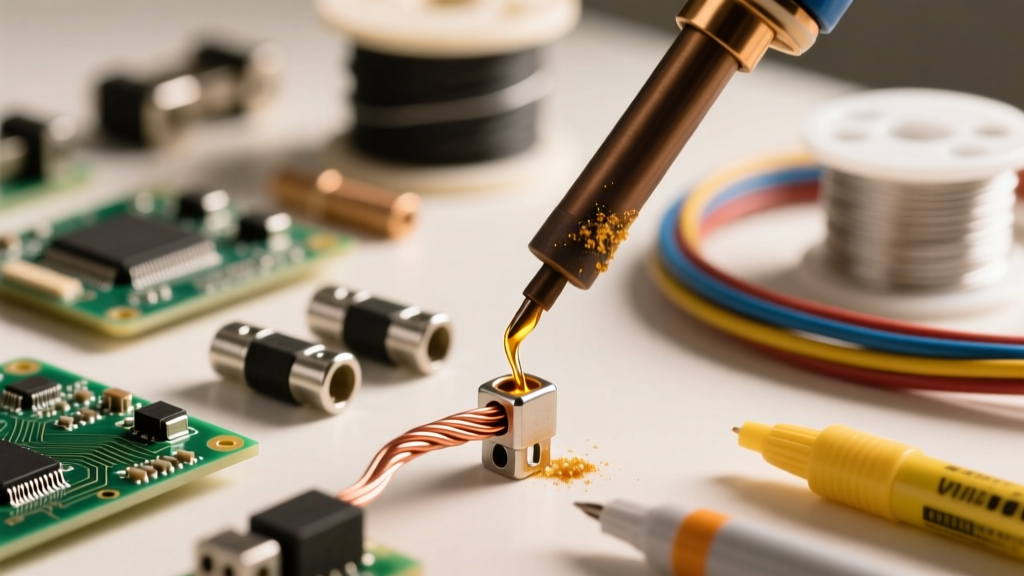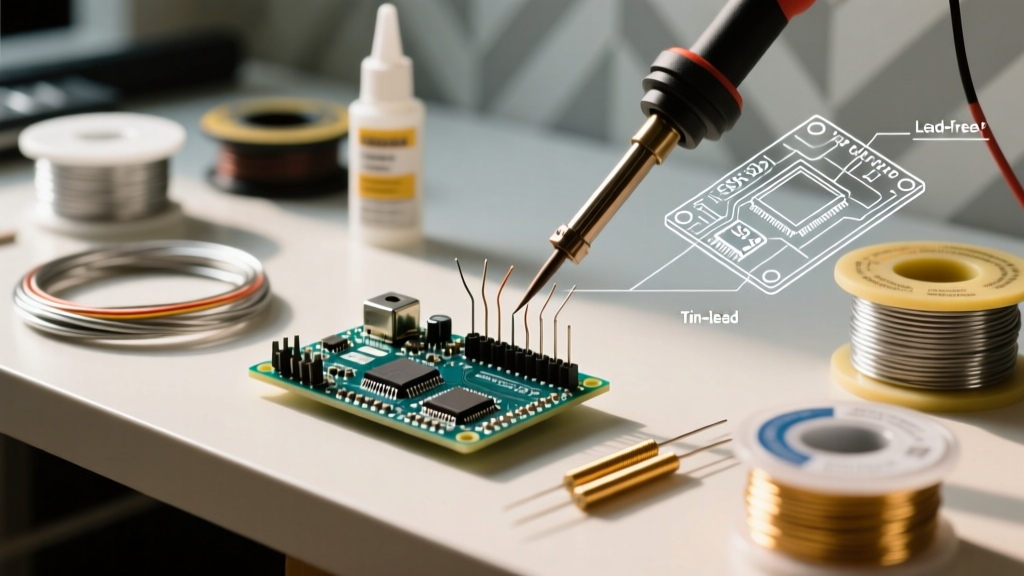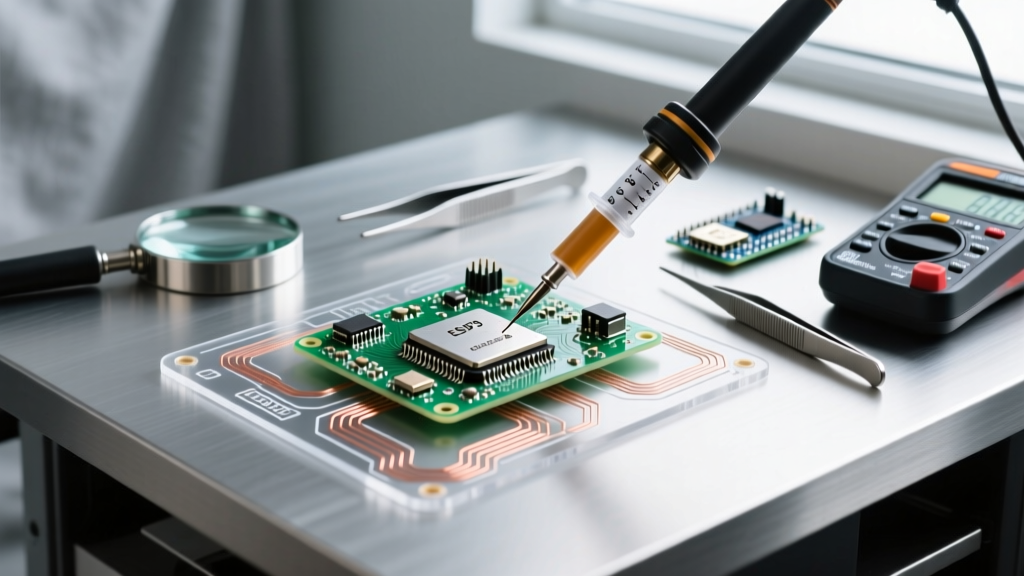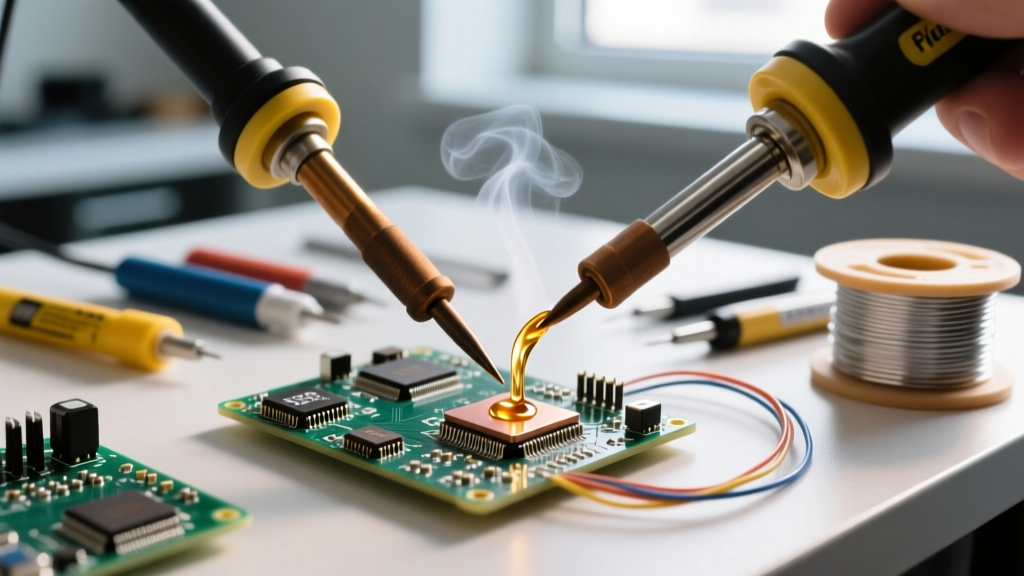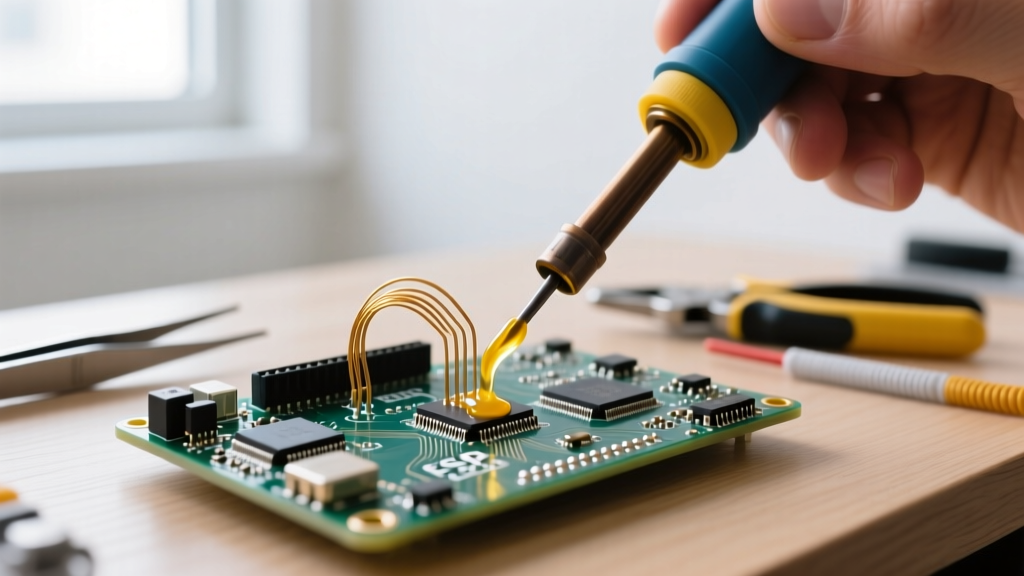

When beginners ask, "what is soldering flux used for?", the standard answer is usually "it helps the solder stick." While technically true, this explanation barely scratches the surface of the complex thermochemical reactions occurring on your workbench. As electronics have evolved toward ultra-fine-pitch SMD components and stringent reliability standards in 2026, understanding flux at a molecular level is no longer optional—it is a requirement for professional-grade assembly and rework.
In this expert guide, we will bypass the generic tutorials and dive deep into the organic chemistry of flux, the IPC J-STD-004B classification system, and the specific failure modes that occur when you choose the wrong chemistry for your alloy.
The Core Chemistry: What Is Soldering Flux Used For at a Molecular Level?
At its core, soldering flux serves three simultaneous thermodynamic purposes: oxide reduction, surface tension modification, and thermal shielding. However, the primary function is oxide reduction.
When copper pads and component leads are exposed to ambient air, they rapidly form a layer of copper oxide (CuO) and copper (I) oxide (Cu2O). Molten solder cannot wet to oxidized metal; it will simply ball up and roll off. Flux acts as a chemical solvent for these oxides.
Expert Insight: The most common base for traditional rosin flux is abietic acid, extracted from pine tree sap. When heated to its activation threshold (typically 150°C to 180°C), abietic acid reacts with copper oxide to form copper abietate. This metallic salt is soluble in the molten rosin, effectively stripping the oxide layer away and exposing pristine, highly reactive copper underneath. Once the solder melts, it alloys directly with the bare copper, forming the crucial intermetallic compound (IMC) layer, typically Cu6Sn5.
The Wetting Agent and Thermal Shield
Beyond oxide removal, flux contains surfactants that lower the surface tension of the molten solder. This allows the liquid alloy to flow into microscopic through-holes and under tight BGA (Ball Grid Array) clearances via capillary action. Additionally, the liquid flux pool acts as a temporary thermal blanket, transferring heat from the soldering iron tip to the joint while preventing atmospheric oxygen from re-oxidizing the joint during the critical cooling phase.
Decoding the IPC J-STD-004B Standard
To truly understand what soldering flux is used for in industrial settings, you must understand the IPC J-STD-004B standard. This framework classifies flux not by brand names, but by chemical composition, activity level, and halide content.
A flux designation like ROL0 breaks down as follows:
- RO (Rosin): The base material (Resin, Organic, or Inorganic are the other options).
- L (Low Activity): The chemical aggressiveness of the activators (L = Low, M = Moderate, H = High).
- 0 (Zero Halides): The percentage of halide activators (0 = 0%, 1 = less than 2%).
For high-reliability aerospace or medical PCBs, a ROL0 or ROL1 flux is mandatory. The residue left behind is electrically insulating and non-corrosive, eliminating the need for post-solder cleaning. For heavily oxidized automotive wiring or dirty through-hole boards, an ORM1 (Organic, Moderate activity, Halides present) water-soluble flux is required to punch through the heavy oxidation.
Expert Comparison Matrix: Flux Types by Application
Selecting the right flux requires matching the chemical activity to the oxidation level of your components and the temperature profile of your solder alloy. Below is a decision matrix for 2026 workbench setups.
| Flux Type | Base Chemistry | Activation Temp | Residue Conductivity | Cleaning Required? | Best Use Case | Expert Product Pick (2026) |
|---|---|---|---|---|---|---|
| No-Clean (ROL0) | Synthetic Rosin / Mild Organics | 150°C - 180°C | Extremely Low (>10^11 Ω) | No | SMD, BGA, fine-pitch ICs | Kester 245 (~$18/oz) |
| Water-Soluble (OA) | Organic Acids (Adipic/Succinic) | 120°C - 160°C | High (Conductive) | Yes (DI Water) | Heavy oxidation, thick wires | MG Chemicals 8341 (~$24/50ml) |
| RMA (Rosin Mildly Activated) | Natural Rosin + Mild Halides | 160°C - 200°C | Moderate | Recommended | General through-hole, vintage repair | Chip Quik SMD291AX (~$22/tube) |
| Tacky / BGA Paste | High-Viscosity Synthetic | 140°C - 190°C | Very Low | No | BGA reballing, drag soldering | Amtech NC-559-V2-TF (~$48/10cc) |
Real-World Failure Modes: When Flux Goes Wrong
Understanding what soldering flux is used for also means understanding what happens when it fails. According to NASA's Workmanship Standards for electronic assemblies, flux-related defects account for a significant percentage of field failures. Here are the specific edge cases you must avoid.
1. The "Burnt Flux" Phenomenon (Carbonization)
If your soldering iron tip exceeds 380°C (common when rushing a joint with a low-wattage iron), the rosin base carbonizes. Burnt flux turns into a hard, black, glassy crust that actually prevents wetting. Once carbonized, the flux is entirely inert. The Fix: Never scrape burnt flux with a metal blade, as this damages the PCB's solder mask. Use a dedicated flux remover (like Techspray Ecoline) and a soft brass brush, or apply fresh liquid flux over the burnt area to chemically soften it before reflowing.
2. Dendrite Growth in No-Clean Fluxes
A dangerous misconception in 2026 is that "no-clean" means "leave it everywhere under all conditions." No-clean fluxes are designed to be consumed entirely by the heat of reflow. If you hand-solder a fine-pitch QFN component and apply too much liquid no-clean flux, the heat of the iron may not be sufficient to fully volatilize the activators. The unreacted organic acids remain trapped under the component. In high-humidity environments, this residue can facilitate electrochemical migration (dendrite growth), eventually causing a short circuit between adjacent 0.4mm pitch pins.
3. Tombstoning via Uneven Wetting
When soldering 0402 or 0201 passive components, if the flux on one pad activates and outgasses before the other pad reaches liquidus temperature, the surface tension on the active side will literally pull the component upright, standing it on its end like a tombstone. This is a flux activation timing issue, usually caused by uneven heat application rather than the flux chemistry itself.
Expert Recommendations: Matching Flux to Your Workbench
Based on current metallurgical requirements and market availability, here are the exact consumables we recommend stocking for distinct operational scenarios.
For Precision SMD and Micro-Soldering
Recommendation: Amtech NC-559-V2-TF Tacky Flux in a 10cc pneumatic syringe.
Why: When reworking BGA chips or dragging soldering LQFP-144 microcontrollers, you need a flux with high tackiness to hold components in place before reflow, coupled with a wide activation window. The NC-559-V2-TF remains stable up to 240°C without splattering, making it the undisputed king of SMD rework. Expect to pay around $48 per syringe; store it in a refrigerator to extend its 2026 shelf life to over a year.
For Heavy-Duty Wiring and Automotive Connectors
Recommendation: MG Chemicals 8341 Water-Soluble Liquid Flux.
Why: Automotive battery terminals and thick 10 AWG silicone wires act as massive heat sinks. By the time the copper reaches 220°C, standard rosin flux has already vaporized and failed. Water-soluble organic acid (OA) fluxes possess aggressive activators that strip heavy oxidation instantly. Crucial Warning: You must clean the residue with distilled water and isopropyl alcohol immediately after soldering, or the acidic residue will corrode the copper strands within weeks.
For Everyday Through-Hole and Prototyping
Recommendation: Kester 245 No-Clean Wire Solder (63/37 or SAC305).
Why: Rather than using separate liquid flux, relying on a high-quality rosin-core wire solder is the most efficient workflow for standard DIP ICs and through-hole resistors. Kester 245 features a 2% to 3% flux core by weight, providing the exact volume of activator needed for standard joints without leaving a sticky, messy residue on your FR4 fiberglass boards.
Frequently Asked Questions (FAQ)
Can I use plumbing flux for electronics?
Absolutely not. Plumbing fluxes (like Oatey No. 95) use highly corrosive inorganic acids, such as zinc chloride or hydrochloric acid, designed to clean thick copper pipes. If used on a PCB, these acids will eat through the microscopic copper traces and destroy the board within days. Always use fluxes explicitly rated to IPC J-STD-004B for electronics.
Does flux expire?
Yes. Liquid and paste fluxes contain volatile solvents (like glycol ethers or alcohols) that evaporate over time. A sealed jar of paste flux typically has a 6-to-12-month shelf life at room temperature. If your flux becomes thick, stringy, or difficult to dispense, the solvent has evaporated. While you can sometimes revive it with specific manufacturer-approved thinners, replacing it is the safer choice for reliable wetting.
Why does my flux splatter everywhere when I touch it with the iron?
Splattering (often called "spitting") occurs when the volatile solvents inside the flux boil too rapidly upon contact with a 350°C+ iron tip. To minimize this, lower your tip temperature to the minimum required to melt your alloy (e.g., 300°C for 63/37 leaded solder), or apply the flux to the pad rather than directly onto the hot iron tip.
By understanding the exact thermochemical purpose of flux, you transition from simply "melting metal" to engineering reliable, low-resistance intermetallic bonds. Whether you are assembling a custom mechanical keyboard or reworking a server motherboard, respecting the chemistry of your flux is the hallmark of a true professional.