
Understanding Stay Clean Liquid Soldering Flux
When working in HVAC, plumbing, and heavy-duty electrical grounding, Harris Stay-Clean liquid flux (commonly sold in 4oz and 8oz bottles, model #31121) is an industry staple. Retailing between $8.50 and $11.00 in 2026, this highly active, acid-based flux is engineered to break down stubborn oxides on copper, brass, galvanized steel, and iron. Unlike the mild rosin or no-clean fluxes used in delicate electronics, Stay Clean relies on a potent zinc-chloride and ammonium-chemistry base to promote capillary action and ensure leak-proof, high-strength mechanical joints.
However, its aggressive chemical nature demands strict adherence to safety protocols. Mishandling this flux—or worse, misapplying it to sensitive electronics—can result in severe health hazards, ruined components, and catastrophic joint failures. This guide details the critical safety measures, personal protective equipment (PPE) requirements, and best practices for using Stay Clean liquid soldering flux in 2026.
The Golden Rule: Never Use on PCB Electronics
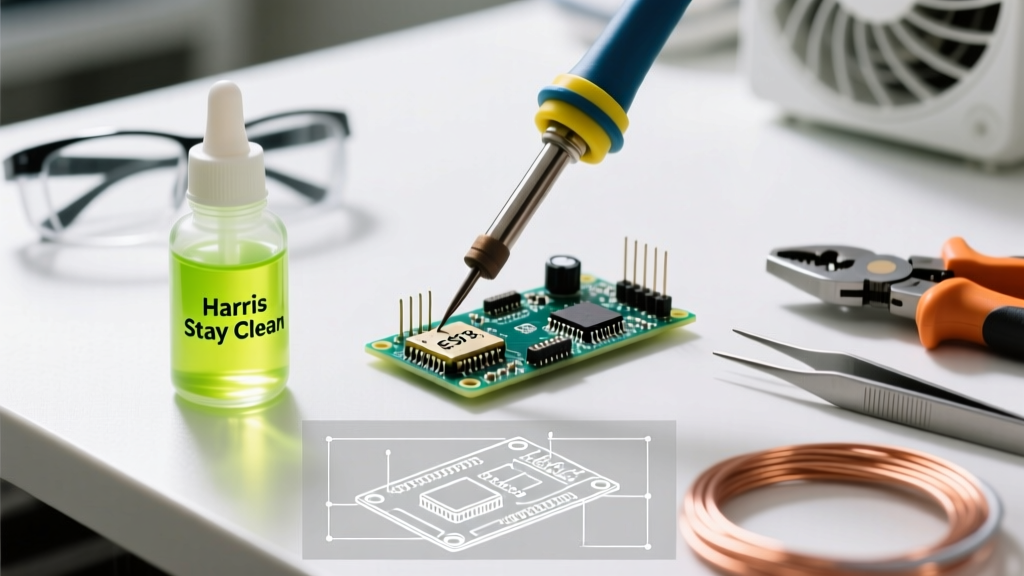
The most common and destructive mistake DIYers make is assuming all soldering fluxes are interchangeable. Stay Clean is strictly prohibited for use on printed circuit boards (PCBs).
CRITICAL WARNING: Applying zinc-chloride plumbing flux to FR-4 circuit boards will cause rapid, irreversible damage. The chloride ions will eat through copper traces, destroy component leads, and trigger electrochemical migration (ECM).
The Mechanism of PCB Destruction
When zinc-chloride flux is heated and exposed to ambient humidity, it forms hydrochloric acid. On a PCB, this acid creates conductive salt bridges between tightly spaced traces. Under an applied voltage, this triggers Electrochemical Migration (ECM), where copper dissolves at the anode and plates out as metallic dendrites at the cathode. These dendrites grow rapidly, causing short circuits that can destroy microcontrollers, power supplies, and sensors within hours or days. According to the IPC Specification for Soldering Fluxes, electronic assemblies require L0 or L1 (low corrosivity) fluxes, whereas Stay Clean operates entirely outside electronic safety tolerances.
PPE and Fume Management Requirements
Soldering with acid-based fluxes generates hazardous fumes, primarily consisting of vaporized zinc chloride and hydrogen chloride gas. The CDC NIOSH Pocket Guide to Chemical Hazards identifies zinc chloride fumes as a severe respiratory irritant that can cause metal fume fever, characterized by chills, fever, and muscle aches.
Mandatory Personal Protective Equipment
- Respiratory Protection: For occasional use, a well-ventilated area is sufficient. For daily HVAC or plumbing use, an N95 or P100 particulate respirator combined with an organic vapor/acid gas cartridge (such as the 3M 6006 or 6003 series) is required.
- Eye Protection: Standard safety glasses are inadequate. Liquid flux can easily splash when applied to hot copper. You must wear ANSI Z87.1-rated chemical splash goggles that seal against the face.
- Hand Protection: Latex gloves degrade rapidly upon contact with zinc chloride. Use 5-mil to 8-mil nitrile gloves. If flux contacts the skin, it can cause chemical burns and severe dermatitis.
Ventilation and Extraction
Never solder with Stay Clean in a confined, unventilated space. Use a local exhaust ventilation (LEV) system or a fume extractor equipped with a HEPA filter and an activated carbon bed. The extraction hood should be positioned 6 to 12 inches from the solder joint to capture fumes before they enter your breathing zone.
Application Best Practices for HVAC and Plumbing
To achieve optimal capillary flow without over-applying the flux, follow these professional application techniques:
- Mechanical Prep: Clean the copper pipe and fitting with 120-grit emery cloth or a specialized wire brush until the metal shines. Wipe away all debris with a clean, dry rag.
- Controlled Application: Use the built-in dauber brush on the Harris Stay-Clean cap. Apply a thin, even coat to the outside of the pipe and a very light coat to the inside of the fitting. Do not flood the joint. Excess flux will boil violently when heated, causing splattering and leaving corrosive pockets inside the pipe.
- Heat Management: Apply heat from a propane or MAP-Pro torch to the fitting, not the solder. Keep the flame moving. When the fitting reaches approximately 450°F to 500°F (for standard 95/5 tin-antimony or lead-free plumbing solder), touch the solder wire to the joint. The flux will draw the molten solder deep into the capillary gap.
The Post-Solder Neutralization Protocol
Because Stay Clean is highly corrosive, leaving the residue on the outside of a pipe will eventually lead to green verdigris (copper carbonate) buildup, micro-leaks, and structural degradation of the joint. You must neutralize and clean the joint immediately after it cools.
Step-by-Step Neutralization
| Step | Action | Details & Measurements |
|---|---|---|
| 1 | Cool Down | Allow the joint to cool below 150°F. Do not quench with cold water, as thermal shock can crack the solder joint. |
| 2 | Prepare Neutralizer | Mix 1 tablespoon of sodium bicarbonate (baking soda) per 1 cup of warm water. The alkaline solution neutralizes the acidic zinc chloride. |
| 3 | Agitate & Scrub | Apply the solution with a stiff nylon brush. You will see mild fizzing as the acid is neutralized. Scrub for 30 seconds. |
| 4 | Rinse | Wipe the joint thoroughly with a clean, water-dampened rag to remove all salt residues. |
| 5 | Dry & Protect | Dry with a microfiber cloth. For underground or high-humidity applications, coat the joint with a thin layer of clear polyurethane or pipe dope. |
Flux Comparison: Stay Clean vs. Electronic Alternatives
Understanding where Stay Clean fits in the broader consumables market prevents costly application errors. Review the matrix below before selecting your flux.
| Flux Type | Base Chemistry | Primary Application | Post-Solder Cleaning | Corrosivity Level |
|---|---|---|---|---|
| Stay Clean (Acid) | Zinc Chloride / Ammonium | Plumbing, HVAC, Steel, Brass | Mandatory (Neutralization) | Extreme |
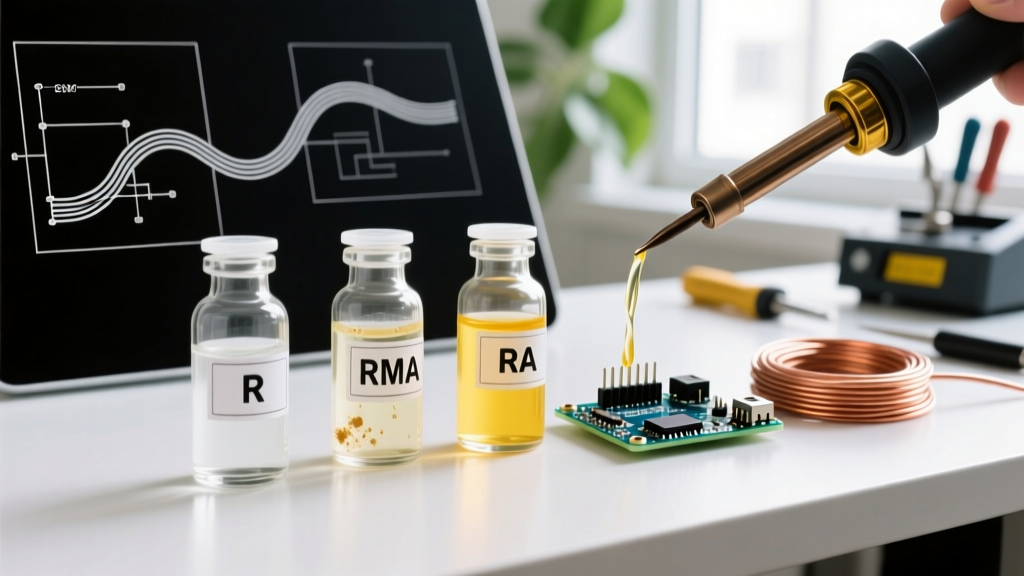
| RMA (Rosin Mildly Activated) | Pine Rosin + Mild Acids | General Electronics, Wiring | Recommended (Isopropyl Alcohol) | Low |
| No-Clean | Synthetic Resins / Glycol | SMT, PCB Assembly, Reflow | Not Required | None / Negligible |
| Water-Soluble (Organic Acid) | Citric / Lactic Acid | Heavy-Duty Electronics, BGA | Mandatory (DI Water Wash) | Moderate (if unwashed) |
Storage, Shelf Life, and Disposal
Proper storage of Harris Stay-Clean ensures its efficacy and prevents hazardous leaks in your workspace.
- Temperature Control: Store between 50°F and 80°F (10°C to 26°C). Freezing can cause the chemical suspension to separate and crystallize, rendering the flux ineffective even after thawing.
- UV Protection: Keep the bottle out of direct sunlight. UV degradation can alter the chemical balance of the ammonia compounds.
- Shelf Life: An unopened bottle of Stay Clean has a shelf life of roughly 3 years. Once opened, it should be used within 12 to 18 months. If the liquid develops a thick, sludgy consistency or a heavily crystallized layer at the bottom that won't dissolve upon shaking, dispose of it.
- Disposal: Do not pour liquid flux down standard drains. According to OSHA Hazardous Chemical guidelines and local EPA regulations, zinc-chloride compounds must be treated as hazardous waste. Take expired flux to a municipal hazardous waste collection facility.
Frequently Asked Questions (FAQ)
Can I use Stay Clean flux for automotive wiring repairs?
No. While automotive wires carry high current, the flux residue will wick up into the wire insulation via capillary action, corroding the copper strands from the inside out and causing high-resistance faults. Use a rosin-core solder and heat shrink tubing for automotive electrical work.
What happens if I get Stay Clean flux on my skin?
Immediately wash the affected area with copious amounts of cool water and mild soap for at least 15 minutes. Do not use hot water, as it opens pores and accelerates chemical absorption. If redness or blistering occurs, seek medical attention and provide the physician with the Harris Safety Data Sheet (SDS) for zinc-chloride flux.
Does Stay Clean work on stainless steel?
Standard Stay Clean is generally insufficient for stainless steel due to the metal's tough chromium-oxide layer. For stainless steel, you need a specialized, even more aggressive flux containing hydrochloric or hydrofluoric acid derivatives, though mechanical fastening or TIG welding is heavily preferred over soft soldering for stainless applications.