
The Dual Nature of Flux: Chemical Necessity vs. Biological Hazard
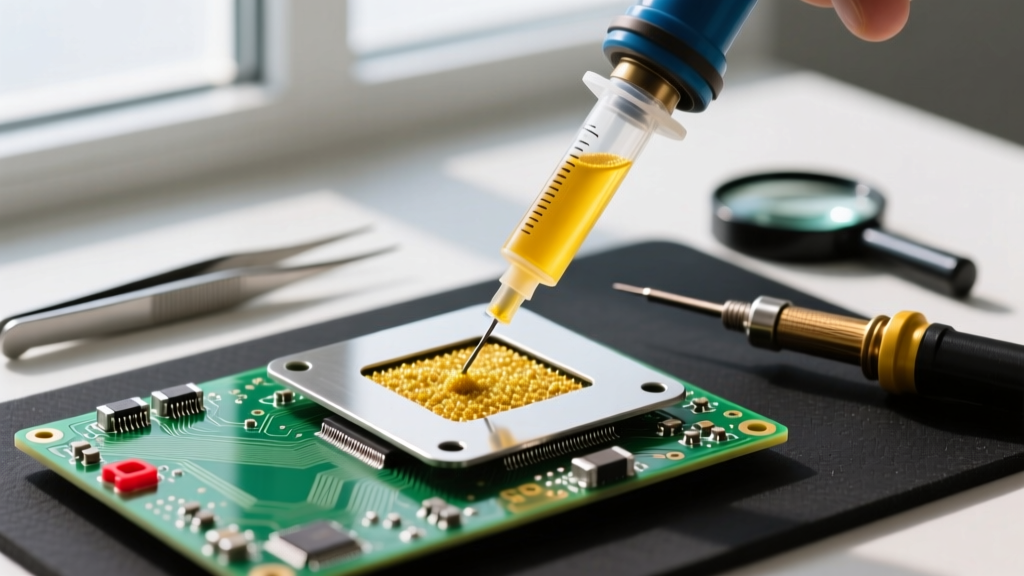
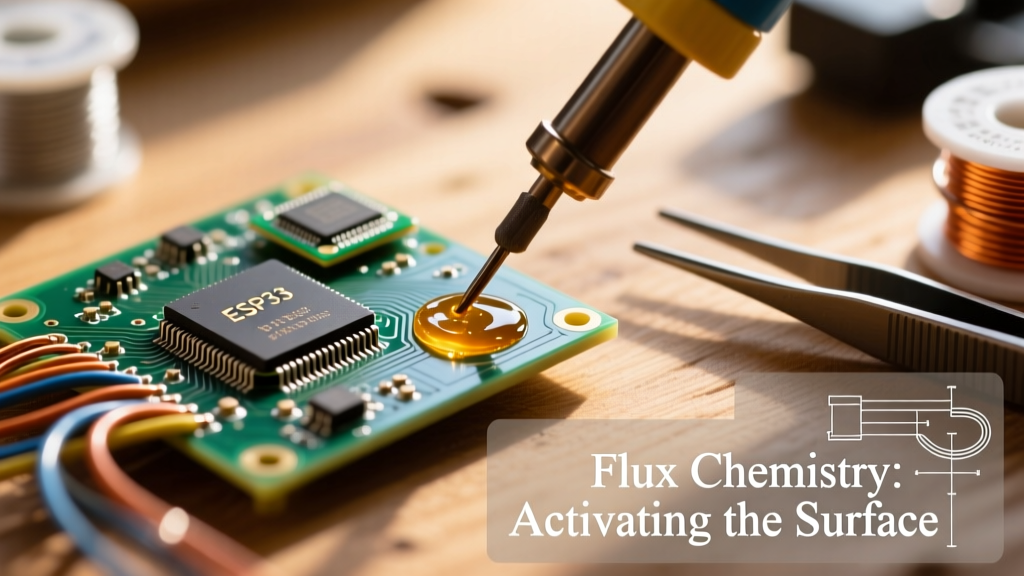
When electronics engineers and hobbyists ask, why use flux in soldering, the standard metallurgical answer is straightforward: flux removes metal oxides, reduces surface tension, and prevents re-oxidation during the thermal cycle. Without it, molten solder balls up, resulting in cold, high-resistance joints prone to thermal fatigue and dendritic shorting. However, from a safety and best practices perspective, the thermal decomposition of flux introduces significant occupational hazards that are frequently ignored in DIY spaces and poorly managed in high-volume manufacturing.
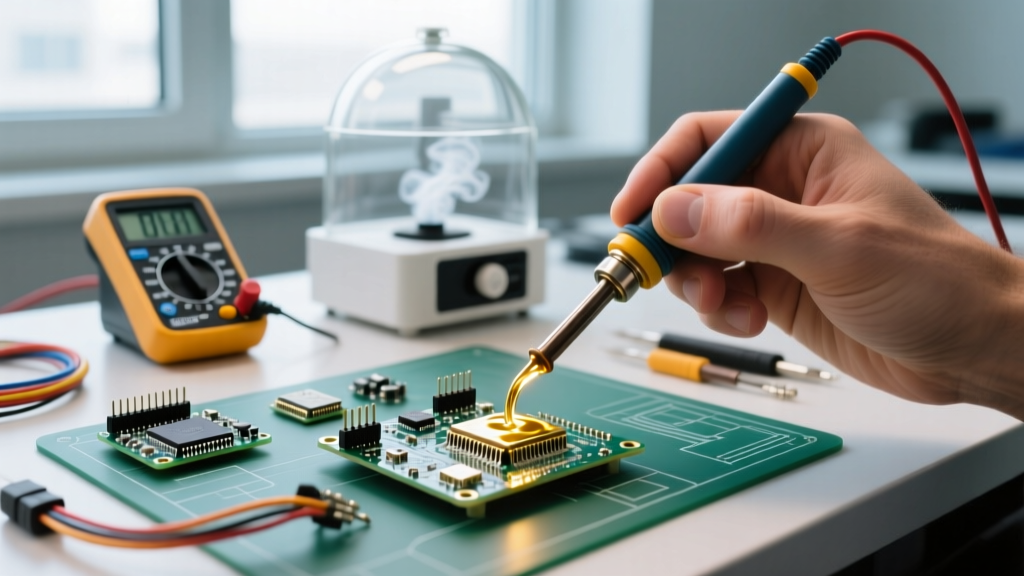
Flux is not merely a benign soldering aid; it is a complex chemical mixture of rosin (colophony), synthetic resins, activators (halides or organic acids), and solvents. When exposed to soldering iron tips operating between 300°C and 400°C, these compounds undergo rapid pyrolysis. The resulting plume contains sub-micron particulates and volatile organic compounds (VOCs) that pose severe respiratory and dermal risks. Understanding why use flux in soldering requires an equal understanding of how to mitigate its toxic byproducts.
The Chemistry of Flux Fumes and Thermal Breakdown
To manage the hazard, you must understand the chemistry. Traditional rosin-core fluxes are derived from pine tree sap, primarily composed of abietic acid and plicatic acid. When the soldering iron hits the rosin (typically around 180°C to 220°C), it vaporizes to clean the joint. However, the extreme heat at the tip's surface degrades these acids into aliphatic aldehydes (like formaldehyde and acetaldehyde) and complex colophony fumes.
Critical Safety Insight: The visible white smoke generated during soldering is largely vaporized flux condensing in the air. The most dangerous components, however, are the invisible VOCs and sub-micron particulates that bypass standard paper-based benchtop fans and lodge deep into the alveolar tissue of the lungs.
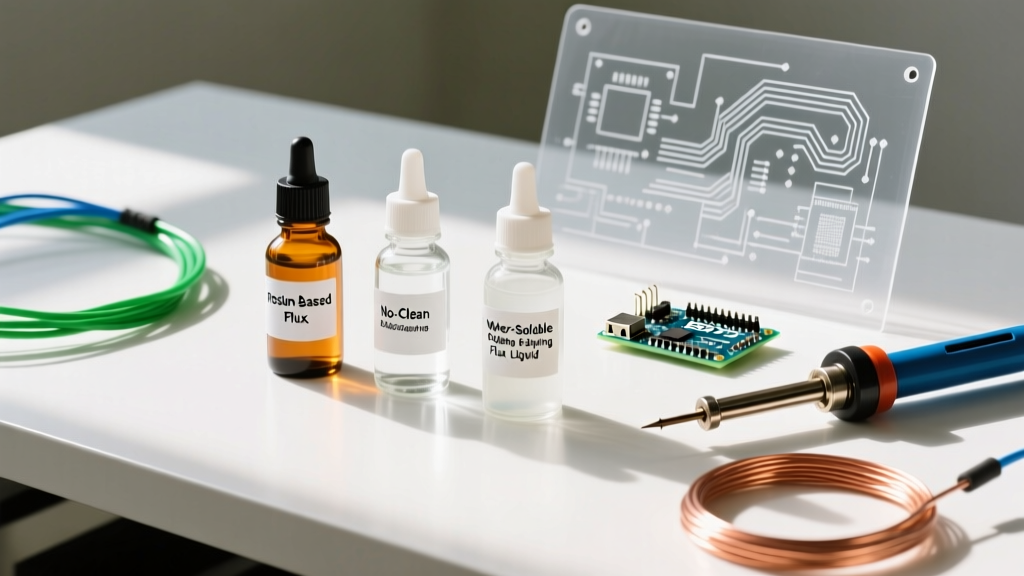
Water-soluble (organic acid) fluxes and no-clean synthetic fluxes present different chemical profiles. While they avoid natural colophony, they often contain synthetic activators like adipic or glutaric acids, and in some older formulations, hazardous halide-based activators that can release corrosive hydrogen chloride gas when heated.
Health Hazards: Sensitization and Occupational Asthma
The primary medical concern regarding flux fumes is occupational asthma caused by colophony sensitization. According to the UK Health and Safety Executive (HSE), colophony is a potent respiratory sensitizer. Sensitization is a cumulative, irreversible immune response. Once a technician becomes sensitized to abietic acid fumes, exposure to even trace amounts (as low as 0.005 mg/m³) can trigger severe asthmatic attacks, chronic bronchitis, and contact dermatitis.
The National Institute for Occupational Safety and Health (NIOSH) explicitly warns that soldering fumes can cause both respiratory and dermal sensitization. This is why the question of why use flux in soldering must be paired with rigorous exposure controls. You cannot rely on the body's natural tolerance; repeated, unventilated exposure is a statistical guarantee of eventual sensitization for a significant percentage of the population.
Flux Type Safety Matrix and IPC Standards
Selecting the right flux involves balancing solderability, post-assembly cleaning requirements, and fume toxicity. The table below categorizes common flux types according to the IPC-J-STD-004B standard and their associated safety profiles.
| Flux Type | Primary Base | Thermal Breakdown | Fume Toxicity | Cleaning Req. | IPC Designation |
|---|---|---|---|---|---|
| Rosin (R / RMA) | Natural Abietic Acid | ~200°C | High (Sensitizer) | Optional / Solvent | ROL0, ROL1 |
| Water-Soluble (OA) | Organic Acids | ~180°C | Medium (Irritant) | Mandatory (DI Water) | ORG0, ORG1 |
| No-Clean (Synthetic) | Synthetic Resins | ~220°C | Low-Medium | None | REL0, REL1 |
| Inorganic Acid | Zinc Chloride/Halides | ~250°C | Extreme (Corrosive) | Mandatory | N/A (Not for PCBs) |
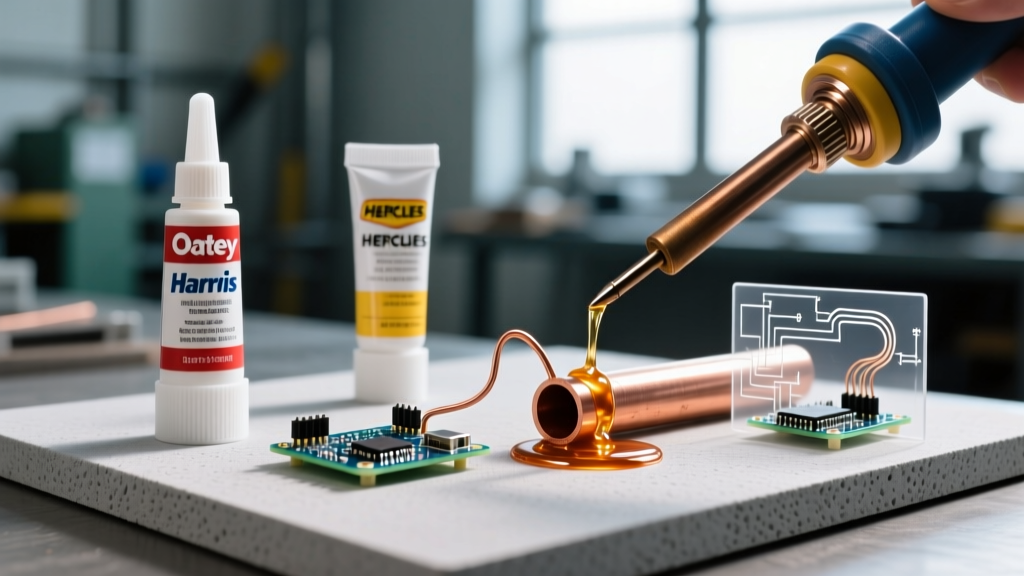
Note: Inorganic acid fluxes (like plumbing paste) must never be used on printed circuit boards. The halide residues cause rapid electrochemical migration and trace corrosion, and the heated fumes are acutely toxic.
Engineering Controls: Fume Extraction Best Practices
Answering why use flux in soldering safely means investing in proper engineering controls. A standard desk fan blowing fumes away from your face is a severe safety violation; it merely redistributes sensitizers into the ambient room air.
1. Hobbyist & Light Prototyping Setup
For low-volume DIY work, activated carbon benchtop extractors are the minimum acceptable standard. Units like the Hakko FA-400 (approx. $65) use a replaceable activated carbon filter to adsorb VOCs. Failure Mode: Carbon filters do not trap particulates, and they saturate invisibly. Once saturated (typically after 40-60 hours of active soldering), VOCs pass right through. You must replace the carbon filter media bi-monthly in a heavy-use hobbyist environment.
2. Professional & Manufacturing Setup
Professional labs require closed-loop HEPA and multi-stage carbon extraction systems. Units like the BOFA 3D Nano (approx. $1,650) or the Weller WFE 4D (approx. $1,900) draw fumes through a pre-filter, a true HEPA filter (capturing 99.97% of sub-micron particulates at 0.3 microns), and a deep-bed activated carbon stage. These systems feature airflow sensors that alarm when filters are saturated, eliminating the guesswork of carbon replacement.
Dermal Protection and Safe Handling of Consumables
Flux safety extends beyond inhalation. Liquid fluxes and solder pastes contain solvents (like isopropanol or glycol ethers) and activators that cause contact dermatitis. Furthermore, uncured solder paste contains heavy metals (in leaded formulations) and bio-cumulative tin-silver-copper alloys.
- Gloving Protocol: Always wear powder-free nitrile gloves when handling liquid flux or stencil-printing solder paste. Latex gloves degrade rapidly when exposed to isopropyl alcohol and flux solvents, allowing chemicals to reach the skin.
- Paste Storage: Type 4 and Type 5 solder pastes must be stored in a dedicated refrigerator between 0°C and 10°C. Stencil life at room temperature is roughly 8 hours before the flux vehicle begins to separate and degrade, altering its rheology and increasing the risk of solder splatter (which causes ocular burns).
- Eye Protection: Solder splatter is a common edge case when moisture trapped in water-soluble flux flash-boils upon iron contact. Always wear ANSI Z87.1 rated safety glasses (e.g., Uvex Genesis XC) when applying external liquid flux to a heated joint.
Step-by-Step Safe Soldering Workflow
- Preparation: Power on the fume extractor and position the capture nozzle exactly 2 to 4 inches from the soldering zone. Airflow velocity drops exponentially beyond 6 inches.
- PPE Check: Don nitrile gloves and ANSI Z87.1 safety glasses.
- Flux Application: Apply minimal flux. Excessive liquid flux causes violent boiling and splattering when the iron touches the pad. Use a precision brush or flux pen rather than dipping the iron directly into a rosin pot.
- Thermal Transfer: Apply the iron to the pad and lead simultaneously. Introduce the solder wire to the joint, not the iron tip, allowing the flux core to activate precisely at the melting point of the alloy (e.g., 183°C for Sn63/Pb37).
- Post-Solder Cleaning: If using water-soluble flux, clean the PCB with heated deionized (DI) water within 2 hours to prevent acidic etching of the copper traces. If using no-clean flux, leave the residue undisturbed; wiping it with IPA without fully dissolving it can spread corrosive activators across the board.
Frequently Asked Questions (FAQ)
Can I use plumbing flux for electronics soldering?
Absolutely not. Plumbing fluxes (like Oatey No. 95) are highly acidic, zinc-chloride-based pastes designed to etch copper pipes. They will destroy PCB traces, cause immediate short circuits via electrochemical migration, and emit highly toxic, corrosive fumes when heated.
Is lead-free solder flux more dangerous than leaded?
The flux itself is not inherently more toxic, but lead-free alloys (like SAC305) require higher soldering temperatures (typically 350°C+). These elevated temperatures cause the flux to decompose more aggressively, generating a higher volume of VOCs and particulate matter, making robust fume extraction even more critical.
Why does my solder joint look dull and grainy?
A dull, grainy joint is a classic symptom of a cold joint, often caused by insufficient flux, inadequate heat, or moving the component before the solder solidifies. This highlights exactly why use flux in soldering is non-negotiable: without adequate flux to lower surface tension and strip oxides, the metallurgical bond fails, leading to intermittent electrical connections and eventual field failure.