
The Baseline: Voltage, Frequency, and Plug Types
If you are an expat, a cross-border contractor, or a DIY enthusiast tackling a renovation south of the border, understanding how to properly wire an electrical outlet in Mexico is critical for safety and code compliance. The good news for those bringing US appliances is that the fundamental electrical grid parameters are identical: Mexico operates on 120V at 60Hz. This means your US-bought refrigerators, televisions, and power tools will run natively without the need for heavy, expensive step-down transformers.
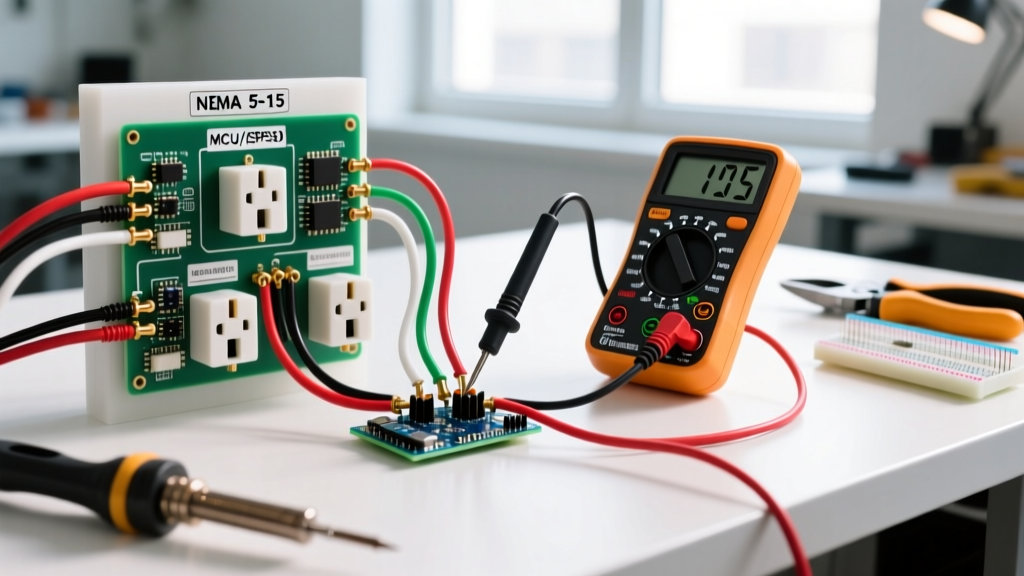
Furthermore, Mexico utilizes the same Type A (two-prong ungrounded) and Type B (three-prong grounded) NEMA 1-15 and NEMA 5-15 plug configurations standard in the United States and Canada. However, the physical similarities end at the receptacle faceplate. Behind the drywall—or more accurately, inside the brick and concrete—the wiring methods, color codes, and governing electrical codes diverge significantly from what American electricians are accustomed to.
NOM-001-SEDE vs. US NEC: What Changes When You Cross the Border?
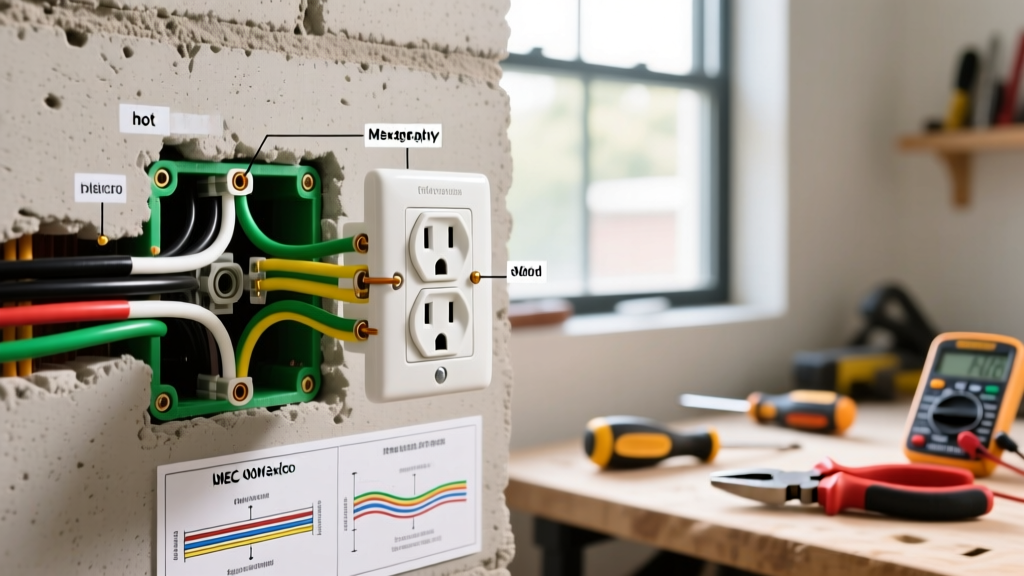
In the United States, electrical installations are governed by the National Electrical Code (NEC / NFPA 70). In Mexico, the equivalent regulatory framework is the NOM-001-SEDE (Norma Oficial Mexicana), which is enforced by the Secretaría de Economía. While the NOM-001-SEDE shares many safety philosophies with the NEC, it is tailored to Mexico's predominant construction methods—specifically, masonry and concrete block building.
One of the most jarring differences for US-trained electricians is the wire color coding and the complete absence of NM-B (Romex) cable in standard residential wiring. Below is a direct comparison of the critical differences you must account for when planning your circuit.
| Feature | US NEC Standard | Mexico NOM-001-SEDE Standard |
|---|---|---|
| Phase (Hot) Wire | Black, Red, Blue the wall. You must route PVC conduit first, then pull the wires. By respecting the NOM-001-SEDE standards, utilizing the correct THW-LS conductors, and adapting to masonry conduit workflows, you can ensure your electrical outlet in Mexico is safe, code-compliant, and built to last in a demanding physical environment. Always consult with a locally licensed electricista certificado when tying into the main service panel or upgrading a home's primary grounding electrode system. Related guides |