
Understanding the Finnish Electrical Outlet Standard
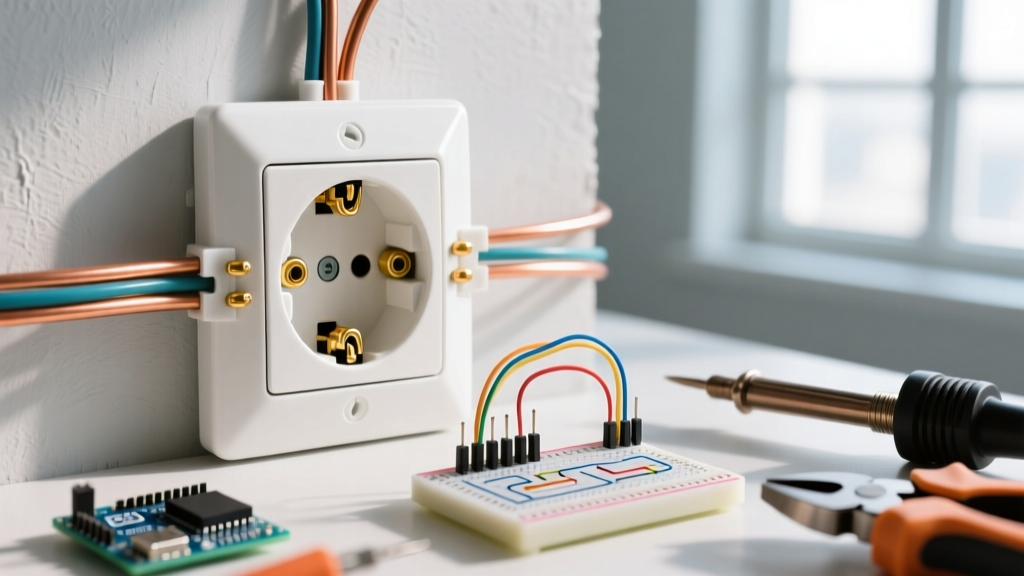
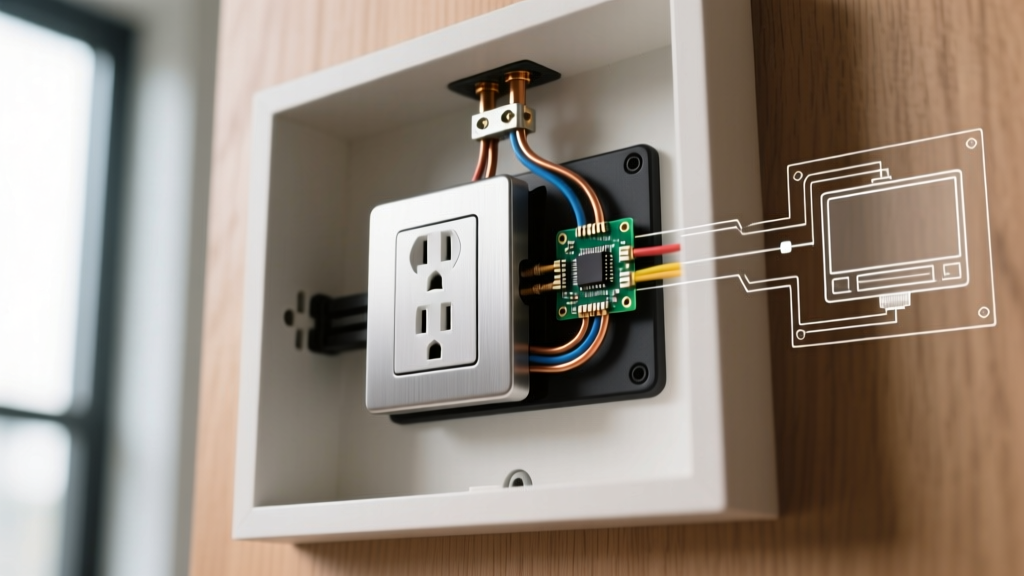
When working with electrical infrastructure in Finland, understanding the local standards is non-negotiable. The standard electrical outlet in Finland is the Type F Schuko (CEE 7/3), operating on a 230V, 50Hz AC supply. Unlike the flush-faced outlets common in North America, the Finnish Schuko features a recessed cavity (typically 4.8mm deep) designed to prevent accidental contact with live pins during insertion or removal. Modern Finnish installations are governed by the SFS 6000 standard series, which mandates strict earthing (grounding) protocols, residual current device (RCD) protection, and specific cable routing practices.
According to the IEC World Plugs database, the Type F socket is rated for 16A, making it suitable for high-draw appliances like dishwashers, washing machines, and portable sauna heaters. However, working on these outlets requires specialized VDE-rated tools and a strict adherence to Finnish electrical safety laws.
Legal Framework: What DIYers Can and Cannot Do
Before purchasing any materials, you must understand the Sähköturvallisuuslaki (Electrical Safety Act). Finland has some of the strictest DIY electrical regulations in Europe. According to Tukes (the Finnish Safety and Chemicals Agency), laypersons are legally permitted only to perform minor, low-risk tasks. This includes replacing a damaged Schuko faceplate or socket mechanism, provided the existing flush-mounted box and wiring are intact and in good condition.
⚠️ CRITICAL LEGAL WARNING: Pulling new MMJ cables, installing new flush-mounted boxes, extending circuits, or working inside the main distribution board (keskus) is strictly reserved for certified electrical professionals (sähköasentaja) registered with Tukes. Unauthorized work can void home insurance and result in severe fines.Essential Tools for Finnish Schuko Installations
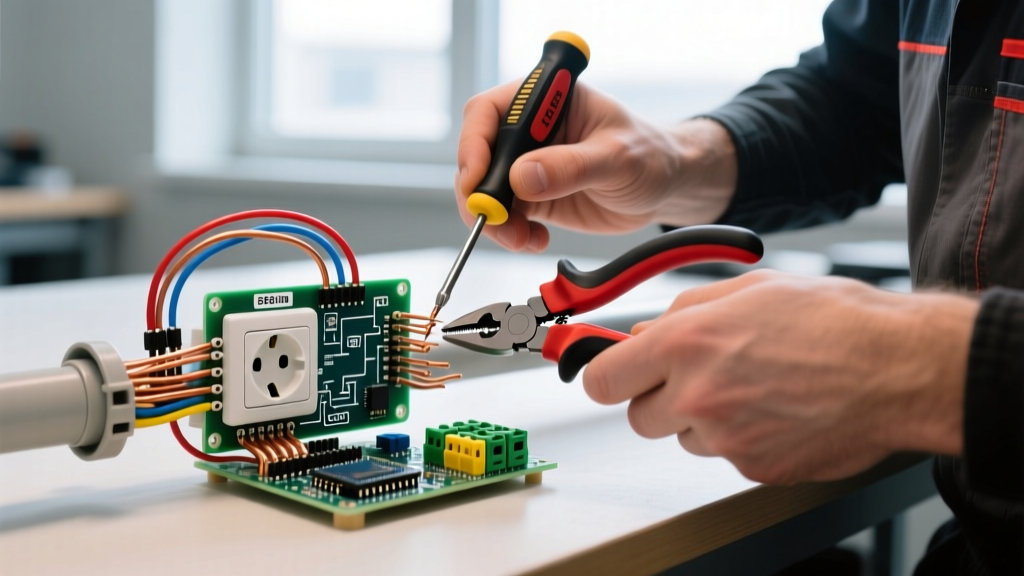
To safely replace or terminate a Finnish electrical outlet, you must use tools rated for 1000V AC. Standard hardware store screwdrivers are insufficient and dangerous for 230V systems.
1. VDE-Insulated Hand Tools
Every tool that may come into contact with energized components must meet the IEC 60900 standard. Look for the double-triangle VDE symbol.
- Screwdrivers: Wera Kraftform Plus VDE Series (Slotted 0.8x4.0mm and Pozidriv PZ1/PZ2). Schuko terminal screws require precise torque; a torque screwdriver set to 0.5 Nm to 0.8 Nm (depending on the manufacturer, such as ABB or Schneider) is highly recommended to prevent terminal overheating caused by loose connections.
- Pliers: Knipex VDE Diagonal Cutters (160mm) for trimming solid copper conductors cleanly inside the confined space of a Finnish flush box.
2. Precision Wire Strippers
Finnish installations predominantly use solid-core copper wire. Damaging the conductor during stripping creates a weak point that can snap under the terminal screw.
- Knipex ErgoStrip (16 95 91 SB): This tool strips 1.5mm² and 2.5mm² solid conductors perfectly to the required 12mm length without nicking the copper.
- Jokari 20050 Automatic Stripper: An excellent alternative for rapid, consistent stripping of MMJ cable sheathing and individual conductor insulation.
3. Testing and Verification
- Non-Contact Voltage Tester: Fluke 1AC-II VoltAlert. Essential for verifying the circuit is dead at the breaker before touching the Schuko mechanism.
- Digital Multimeter: Beha-Amprobe or Fluke 117. Used to verify 230V between Phase (L) and Neutral (N), and 0V between Neutral and Earth (PE) after installation.
Sourcing Materials: Cables, Boxes, and Mechanisms
If you are a certified electrician, or if you are preparing materials for your electrician to install, knowing the correct Finnish-specific components is vital.
Cable Types in Finland
North American Romex (NM-B) is not used or legally permitted in Finland. Instead, the market relies on specific PVC-insulated, sheathed cables.
| Cable Designation | Application | Standard Cross-Section |
|---|---|---|
| MMJ (e.g., MMJ 3x1.5 S) | Indoor surface or flush mounting in dry rooms (living rooms, bedrooms). | 3x1.5mm² (16A circuits) |
| MMK | Underground installations, direct burial, or wet outdoor environments. | 3x1.5mm² or 3x2.5mm² |
| MSO / MSOv | Flexible rubber cables for appliance connections or temporary outdoor use. | Varies by load |
Flush-Mounted Boxes (Upporasia)
Finnish timber-frame and concrete walls utilize specific flush boxes. The standard diameter is 75mm. Brands like Uponor and Pipelife dominate the market. For concrete walls, you must use cast-in-place concrete boxes with nail-mounting flanges. For timber/drywall, use claw-mount or screw-mount plasterboard boxes.
Schuko Mechanisms and Faceplates
The Finnish market is heavily standardized around a few premium Nordic brands. When replacing an electrical outlet in Finland, you will typically encounter:
- ABB Jussi: The legacy standard in Finland. Known for its robust, slightly rounded profile and incredibly durable internal brass contacts.
- Schneider Electric Exxact: The modern favorite. Features a modular design where the base mechanism clips into a separate frame and cover plate. Excellent for multi-gang installations.
- Gira System 55: Popular in high-end architectural builds, offering a flush, minimalist aesthetic while maintaining full Schuko compliance.
Finnish Wiring Color Codes (SFS 6000)
Finland strictly adheres to the harmonized European CENELEC color codes. Misidentifying these wires is a fatal error. Always verify with a multimeter, as older pre-1990s installations may feature deprecated color schemes (like grey/black/red).
- Brown (Ruskea): Phase / Line (L). Carries the 230V AC current.
- Blue (Sininen): Neutral (N). The return path. Must be connected to the left-hand terminal when facing the socket (though Schuko is technically reversible, standard practice dictates L on right, N on left).
- Green/Yellow (Vihreä/Keltainen): Protective Earth (PE). Mandatory. Must be connected to the central earth terminal and the side grounding clips.
Special Environments: Bathrooms and Saunas
Finland's unique architectural features demand specialized outlet considerations. The Finnish Standards Association (SFS) outlines strict zoning rules for wet areas.
Bathroom Outlets (IP44 / IP54)
Standard Schuko outlets are forbidden in Zones 0, 1, and often 2 of a bathroom. If an outlet is installed in a permissible zone (usually near the mirror or for a washing machine), it must feature an IP44-rated splash-proof lid (roiskevesisuojaus). Furthermore, all bathroom socket circuits must be protected by a 30mA Residual Current Device (RCD / vikasuoja).
Sauna Electrical Rules
Installing a standard electrical outlet inside the hot room of a Finnish sauna is generally prohibited due to extreme heat and humidity. If a socket is required (e.g., for an electric bucket heater or lighting control), it must be located outside the hot room, or in a designated cool zone, utilizing heat-resistant cabling (like silicone-insulated cables) and IP44 enclosures. Standard PVC-insulated MMJ cable will degrade and become brittle when exposed to sustained 80°C+ ambient temperatures.
Step-by-Step: Replacing a Finnish Schuko Faceplate
For the legally permitted DIY task of replacing a broken faceplate or upgrading an old mechanism in an existing box, follow this exact procedure:
- Isolate the Circuit: Turn off the correct miniature circuit breaker (MCB) in the main panel. Apply a lockout/tagout device if possible.
- Verify Dead: Use the Fluke 1AC-II to confirm no voltage is present at the socket face.
- Remove the Old Cover: Use a flathead slotted screwdriver to gently pry off the center cover plate. Unscrew the two M4 machine screws holding the mechanism to the 75mm flush box.
- Extract and Photograph: Pull the mechanism out carefully. Take a photo of the existing wiring. Note the routing of the Green/Yellow earth wire.
- Loosen Terminals: Using your VDE Pozidriv screwdriver, loosen the Phase (L), Neutral (N), and Earth (PE) terminal screws. Do not use excessive force, as old brass screws can strip.
- Inspect and Trim: If the solid copper wires are oxidized, heavily kinked, or cut too short, trim them back and use the Knipex ErgoStrip to expose exactly 12mm of fresh copper.
- Terminate the New Mechanism: Insert the wires into the new ABB Jussi or Schneider Exxact mechanism. Ensure no bare copper is visible outside the terminal housing. Tighten to 0.5 Nm.
- Earth Clip Verification: Ensure the Green/Yellow wire is securely fastened and that the side metal earthing clips of the Schuko mechanism are making solid contact with the grounding rail (if using a metal flush box) or simply relying on the PE wire for plastic boxes.
- Reassemble and Test: Push the excess wire neatly into the back of the box. Screw the mechanism flush to the wall. Snap on the cover plate. Restore power at the breaker and test with a multimeter or a lamp.
Summary of Best Practices
Working with an electrical outlet in Finland requires respect for the 230V Schuko standard, strict adherence to SFS 6000 color codes, and the use of premium VDE-insulated tools. While the physical installation of a flush-mounted box and the pulling of MMJ cables must be left to certified Finnish electricians, maintaining and replacing existing faceplates is a manageable task for the informed DIYer. Always prioritize earthing integrity, verify torque settings on terminal screws, and never bypass the mandatory RCD protections that keep Finnish homes safe.