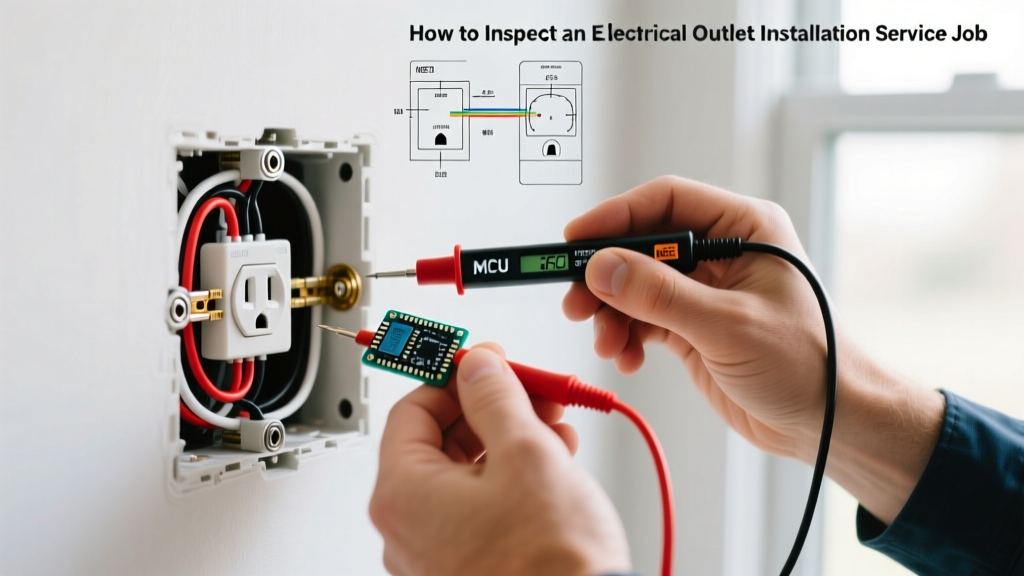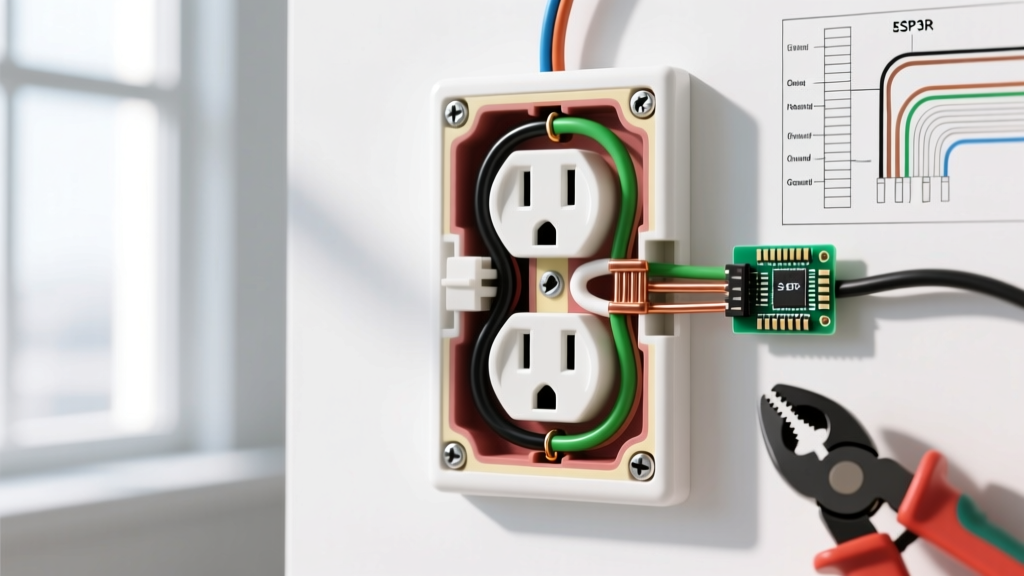

What Is an Electrical Outlet? The Technical Definition
At its core, an electrical outlet (technically referred to as a receptacle in the National Electrical Code) is a standardized interface that allows alternating current (AC) power from a building's fixed wiring to be safely accessed by portable appliances and devices. In North America, the most common residential configuration is the NEMA 5-15R, which delivers 120 volts at up to 15 amps on a 60Hz frequency.
Understanding what an electrical outlet is requires looking past the plastic faceplate. It is a precision-engineered safety device designed to manage thermal loads, prevent arc faults, and, in modern iterations, physically block foreign objects from entering the energized slots. According to the NFPA 70 National Electrical Code (NEC), all new 15A and 20A residential receptacles must be Tamper-Resistant (TR), featuring internal spring-loaded shutters that only open when equal pressure is applied to both the hot and neutral slots simultaneously.
Anatomy of a Standard 15-Amp Receptacle
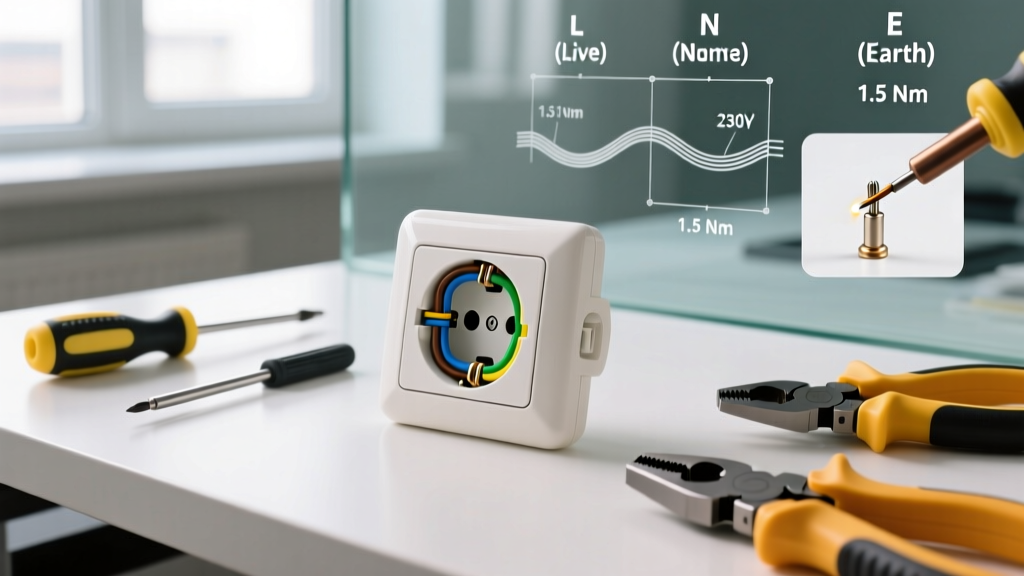
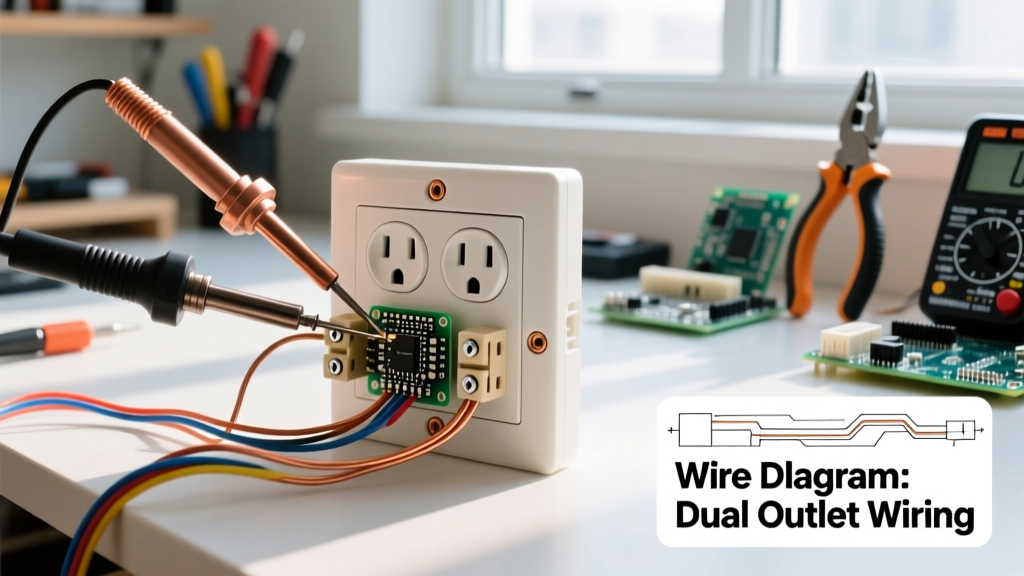
Before picking up a screwdriver, you must understand the terminal layout of a standard duplex receptacle, such as the widely used Leviton Decora 15A TR (Model R52-05320-WMP). The device features three distinct connection points:
- Brass Screws (Hot/Line): Connects to the black insulated wire. This carries the 120V current from the breaker panel to the device.
- Silver Screws (Neutral): Connects to the white insulated wire. This completes the circuit, returning current to the panel.
- Green Screw (Ground): Connects to the bare copper or green insulated wire. This provides a safe path for fault currents to trip the breaker in the event of a short circuit.
Expert Insight: Notice the small metal tab (fin) connecting the two brass screws and the two silver screws on the side of the outlet. If left intact, both the top and bottom receptacles share the same circuit. Breaking this tab allows for "split-wiring" (e.g., controlling the top half with a wall switch while keeping the bottom half always hot).
Receptacle Types & NEC Applications
Not all outlets are created equal. Selecting the wrong amperage or protection type is a leading cause of residential electrical fires. Below is a comparison of the most common receptacles you will encounter in modern wiring.
| Receptacle Type | NEMA Designation | Amperage / Voltage | Primary Application & NEC Requirement |
|---|---|---|---|
| Standard Duplex (TR) | 5-15R | 15A / 125V | General living areas, bedrooms, hallways. Mandated Tamper-Resistant. |
| 20-Amp Commercial | 5-20R | 20A / 125V | Kitchen countertops, garage workbenches. Features a T-shaped neutral slot. |
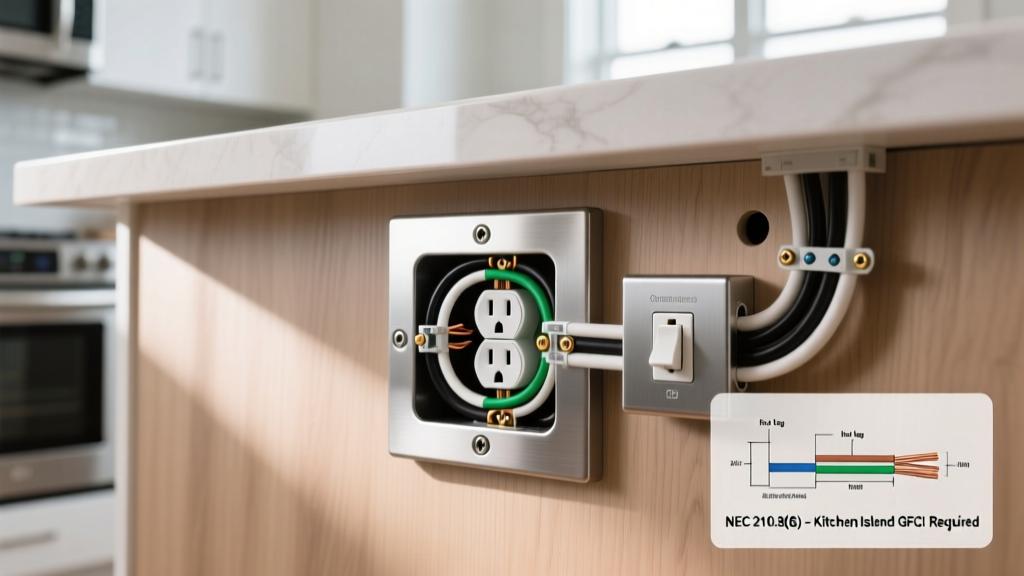
| GFCI (Ground Fault) | 5-15R / 5-20R | 15A or 20A / 125V | Wet locations (bathrooms, outdoors). Trips if current leakage exceeds 5mA. |
| USB Receptacle | 5-15R + USB | 15A / 125V + 5V DC | Bedside tables, kitchens. Ensure it features USB-C PD (Power Delivery) for 2026 device compatibility. |
Essential Tools & Material Costs
A successful installation relies on professional-grade tools. Cheap wire strippers will nick solid copper conductors, creating a high-resistance point that generates heat over time. Budget approximately $85 to $120 for a beginner's essential toolkit if you do not already own these items:
- Receptacle: Leviton 15A Decora TR ($3.50 - $4.50 per unit).
- Wire Strippers: Klein Tools 11063W Katapult ($25.00) - features precision holes for 12 and 14 AWG solid wire.
- Voltage Tester: Klein Tools RT250 GFCI Receptacle Tester ($45.00) or a Fluke 117 True-RMS Multimeter ($200.00).
- Fasteners: Ideal Industries 34-099 Wire Nuts or Wago 221 Series Lever Nuts ($8.00).
Step-by-Step Beginner Installation Tutorial
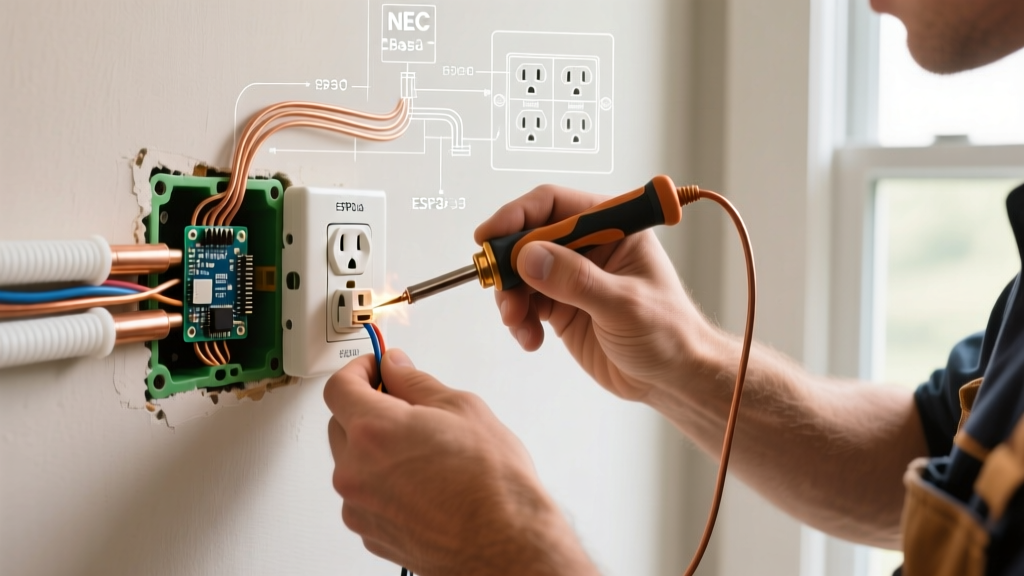
Follow this procedure to wire a standard 15-amp outlet on a 14/2 NM-B (Romex) circuit. If your circuit uses 12/2 NM-B wire and a 20-amp breaker, you must use a 20-amp rated receptacle or ensure the 15A receptacle is part of a multi-outlet branch circuit (per NEC 210.21(B)(3)).
Step 1: De-Energize and Verify (Lockout/Tagout)
Locate the correct single-pole breaker in your main service panel and switch it to the OFF position. For maximum safety, apply a physical breaker lockout device to comply with OSHA Lockout/Tagout standards. Insert your Klein RT250 tester into an existing outlet on the same circuit to verify the power is genuinely dead before touching any wires.
Step 2: Prep the NM-B Cable and Conductors
Feed the 14/2 cable through the knockout hole in the electrical box, leaving at least 1/4 inch of the outer PVC jacket extending inside the box. Strip the outer jacket back 8 inches. Using the 14 AWG hole on your wire strippers, remove exactly 3/4 inch of insulation from the black and white conductors. Use the strip gauge molded into the back of the Leviton outlet to verify the length; exposing too much bare copper creates a shock hazard, while too little causes the screw to bite into the insulation.
Step 3: Form the Connections (Side-Wiring Method)
Avoid using the "push-in" backstab terminals found on cheaper outlets. Under UL 498 testing, backstab connections exhibit higher thermal failure rates under heavy continuous loads. Instead, use the side-wiring terminal screws:
- Use needle-nose pliers to bend the exposed 3/4 inch of bare copper into a tight, clockwise "shepherd's hook."
- Hook the black (hot) wire around the top brass screw. The clockwise orientation ensures that tightening the screw pulls the loop tighter, rather than pushing it out.
- Hook the white (neutral) wire around the top silver screw.
- Form a hook with the bare copper (ground) wire and secure it to the green grounding screw at the bottom.
- Tighten all screws firmly. If using a torque screwdriver, Leviton specifies a tightening torque of 0.4 in-lbs (0.045 Nm) for terminal screws.
Step 4: Secure, Dress, and Test
Carefully fold the wires into the back of the box in a Z-pattern (grounds first, then neutrals, then hots) to avoid pinching. Secure the receptacle to the steel or plastic box using the provided 6-32 mounting screws. Attach the faceplate, ensuring it sits flush. Finally, remove your lockout device, turn the breaker back on, and test the new outlet with your RT250 tester. A "Correct" reading (two yellow lights) confirms proper wiring.
Critical Safety & Code Violations to Avoid
As noted by Safe Electricity, improper outlet wiring is a leading cause of residential shocks and fires. Avoid these common beginner mistakes:
- Reversed Polarity: Connecting the black wire to the silver screw and the white to the brass. This leaves the appliance's internal switch on the neutral side, meaning the device remains energized at 120V even when turned "off," posing a severe shock risk during maintenance.
- Bootleg Grounds: Jumpering a wire from the neutral silver screw to the green ground screw on an ungrounded (2-prong) circuit. This tricks a standard tester into reading "correct," but will energize the appliance chassis with 120V if the neutral wire ever disconnects upstream.
- Over-Tightening Terminal Screws: Stripping the brass threads or snapping the screw head off inside the yoke. If a screw strips, discard the $4 receptacle and start fresh; do not attempt to salvage it.
Frequently Asked Questions
Can I install a 20-amp outlet on a 15-amp breaker?
While physically possible and technically permitted by the NEC, it is generally discouraged for residential aesthetics and consistency. More importantly, you cannot install a 15-amp receptacle on a 20-amp breaker if it is the only receptacle on that entire circuit (NEC 210.21(B)(1)).
Why is my new outlet sparking when I plug in a vacuum?
A small blue spark upon plugging in a high-draw inductive load (like a vacuum motor) is normal arcing as the physical connection completes. However, if the spark is large, orange, or accompanied by a melting smell, you likely have a loose neutral connection or a degraded internal brass contact. Turn off the breaker immediately and verify your terminal screw torque.
Do I need a GFCI outlet in my living room?
No. GFCI protection is mandated by the NEC for areas with water exposure (bathrooms, kitchens, garages, outdoors, crawlspaces). In a standard living room, a Tamper-Resistant (TR) standard duplex receptacle protected by a standard breaker (or an AFCI breaker for fire protection) is the correct and code-compliant choice.