
Modernizing Your Thai Electrical Infrastructure
If you own or rent an older property in Southeast Asia, dealing with the local electrical infrastructure can be a daunting task. Upgrading an electricity outlet in Thailand is one of the most common, yet frequently misunderstood, DIY and professional electrical projects. While modern condominiums in Bangkok or Chiang Mai are built to stringent international standards, thousands of older shophouses, rural homes, and legacy apartments still rely on outdated, ungrounded 2-pin receptacles. These aging outlets pose severe shock and fire hazards, especially when subjected to the high-draw demands of modern 220V appliances like air conditioners, microwaves, and gaming PCs.
This comprehensive upgrade and replacement guide will walk you through the technical specifications, safety protocols, and step-by-step wiring procedures required to replace outdated receptacles with modern, grounded, and legally compliant alternatives. Whether you are an expat trying to protect sensitive electronics or a local homeowner modernizing your property, understanding the nuances of the Thai electrical grid is essential.
The Evolution of the Electricity Outlet in Thailand
Historically, Thailand featured a chaotic mix of plug types, largely influenced by imported appliances from the US, Europe, and Japan. You would frequently find Type A (two flat parallel pins), Type C (two round pins), and Type B (two flat pins with a grounding pin) sharing the same wall plate. In 2006, the Thai Industrial Standards Institute (TISI) introduced TIS 166-2549, a national standard designed to unify the country's receptacles.
Technical Insight: The TIS 166-2549 standard mandates the use of Type O sockets. Type O features three round pins in a triangular configuration and is uniquely designed to safely accept Type A, Type B, Type C, and Type O plugs while ensuring a secure ground connection. According to the International Electrotechnical Commission (IEC), Thailand is the only country that officially uses the Type O standard, making local sourcing of compliant receptacles mandatory for proper upgrades.
The national grid operates at 220V AC, 50Hz. When upgrading an electricity outlet in Thailand, you must ensure that the replacement receptacle is rated for at least 16A (3,520W) to handle the continuous loads typical in tropical climates, where air conditioning and refrigeration units run almost constantly.
Diagnosing the Need for an Upgrade
Before purchasing new materials, assess the current state of your existing wall plates. Many older Thai homes suffer from 'receptacle fatigue' due to high humidity, poor initial installation practices, and voltage fluctuations.
Critical Warning Signs
- Loose Pin Retention: If plugs fall out of the socket under their own weight, the internal brass wipers have lost their spring tension. This causes arcing, which melts the polycarbonate faceplate and creates a severe fire risk.
- Discoloration and Burn Marks: Brown or black scorch marks around the pin slots indicate high-resistance connections and localized overheating.
- Absence of a Ground Pin: If your current outlets only accept two pins (Type A or C), your connected devices lack a path to earth, leaving you vulnerable to lethal fault currents.
- Buzzing or Hissing Sounds: Audible noise from the wall plate indicates loose termination screws at the rear of the receptacle, a common failure mode in older installations subjected to thermal expansion and contraction.
Material Selection: Top Receptacle Brands in Thailand
When sourcing replacement parts at major Thai hardware retailers like HomePro, Thai Watsadu, or local electrical supply shops, stick to Tier-1 manufacturers. Avoid unbranded, ultra-cheap receptacles found in street markets, as they often use aluminum internal contacts instead of phosphor bronze, leading to rapid oxidation and failure.
| Brand & Series | Model Example | Max Rating | Key Features | Est. Price (THB) |
|---|---|---|---|---|
| Panasonic (Wide Series) | WEG7202-001 | 16A / 250V | Universal Type A/B/C/O compatibility, high-impact urea resin, deep recess for safety. | 110 - 150 THB |
| Schneider Electric (AvatarOn) | E8431/16/2-WE | 16A / 250V | Modular design, premium polycarbonate, integrated child safety shutters. | 180 - 250 THB |
| Legrand (Galaxy) | 774321 | 16A / 250V | Robust metal mounting frame, excellent screw terminal grip. | 160 - 220 THB |
Note: Pricing reflects 2026 retail averages in Bangkok metropolitan hardware stores. Always verify TIS certification marks printed on the rear casing of the receptacle.
Step-by-Step Upgrade Procedure
Upgrading an electricity outlet in Thailand requires strict adherence to safety protocols. The Provincial Electricity Authority (PEA) strictly regulates grid connections, and improper wiring can void your home insurance or result in fines.
Step 1: Isolate and Verify the Circuit
- Locate your main Consumer Unit (Distribution Board). In Thailand, the main switch is typically a 2-pole 32A or 40A RCBO (Residual Current Breaker with Overcurrent protection), often branded as Safe-T-Cut or Haco.
- Switch off the specific MCB (Miniature Circuit Breaker) controlling the room's sockets. If the board is unlabeled, turn off the main 2-pole breaker to ensure total isolation.
- Remove the old faceplate using a Phillips #2 screwdriver.
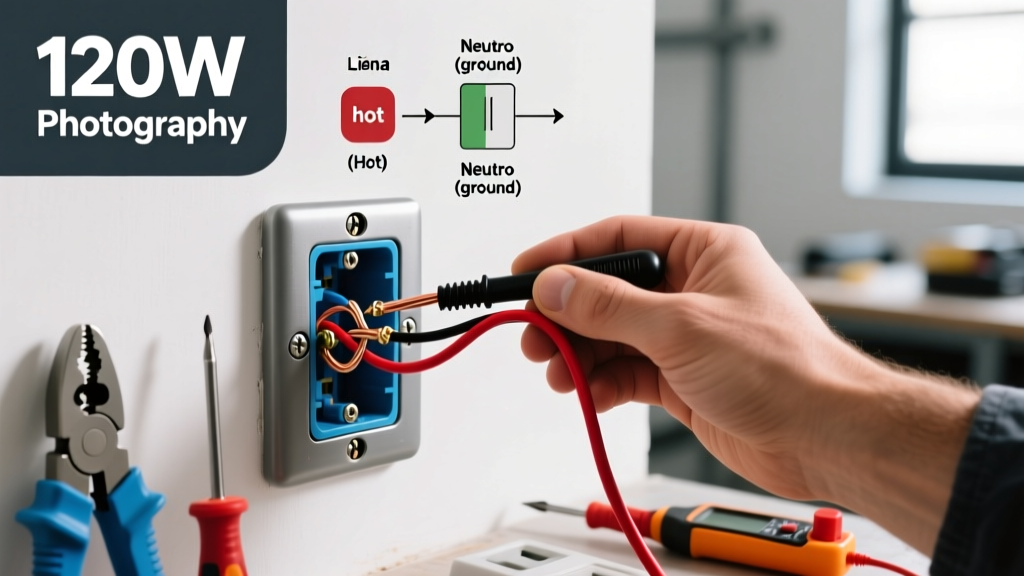
- Critical Step: Use a CAT III-rated multimeter (e.g., Fluke 117 or UNI-T UT12D) to test between Live and Neutral, Live and Earth, and Neutral and Earth. The reading must be exactly 0.0V before proceeding.
Step 2: Inspect and Prepare the Wiring
Thailand adopted IEC 60446 color codes in the mid-2000s, but older homes will feature legacy colors. Identify your wires:
- Modern Standard (Post-2006): Brown (Live), Blue (Neutral), Green/Yellow (Earth).
- Legacy Standard (Pre-2006): Red or Black (Live), White or Grey (Neutral), Bare Copper or Green (Earth).
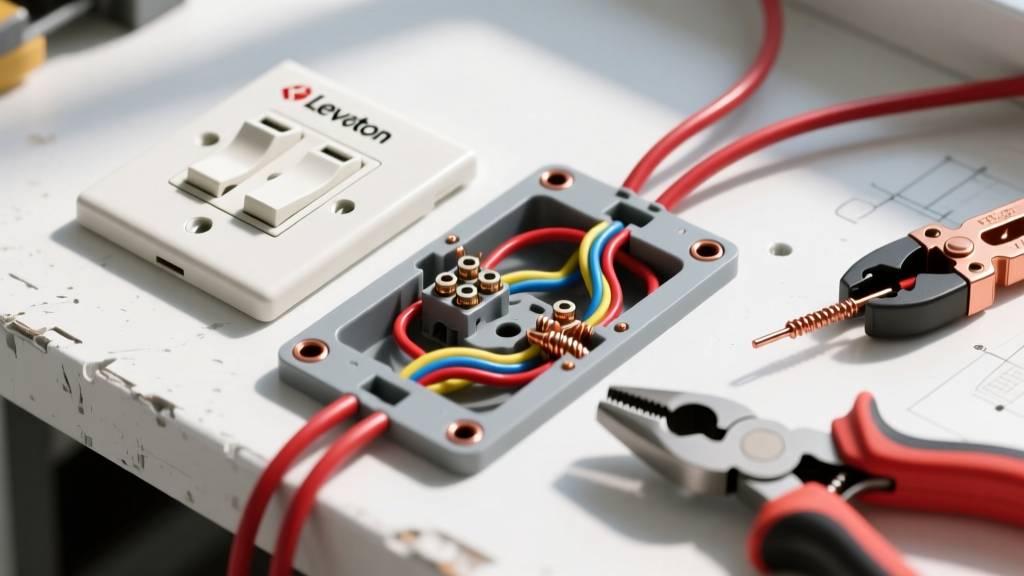
If the wires are stranded, trim back any frayed copper and apply 1.5mm² ferrule crimps using a ratcheting crimper. This prevents the terminal screws from shearing individual copper strands, which causes high-resistance hot spots.
Step 3: Terminate the New Receptacle
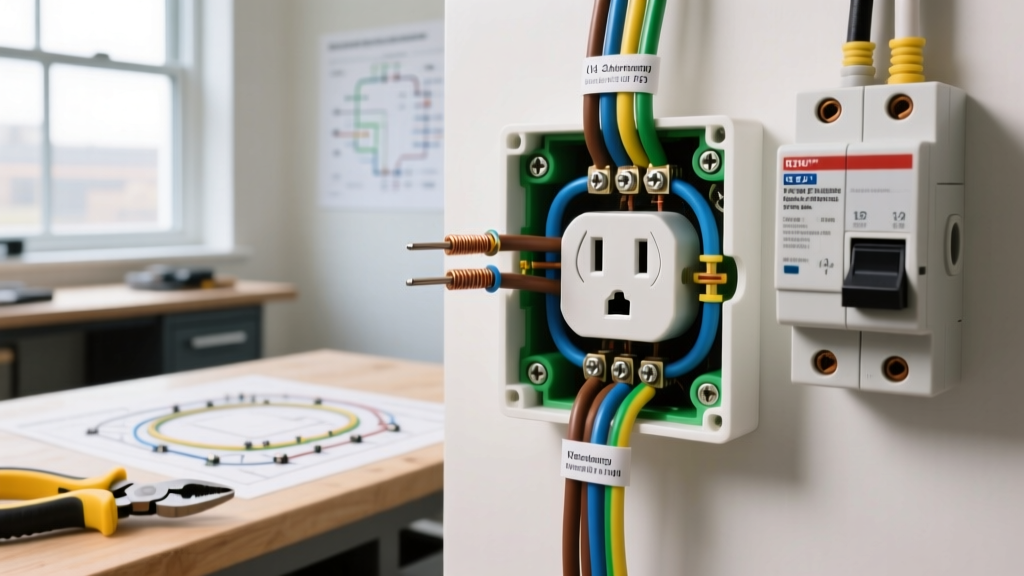
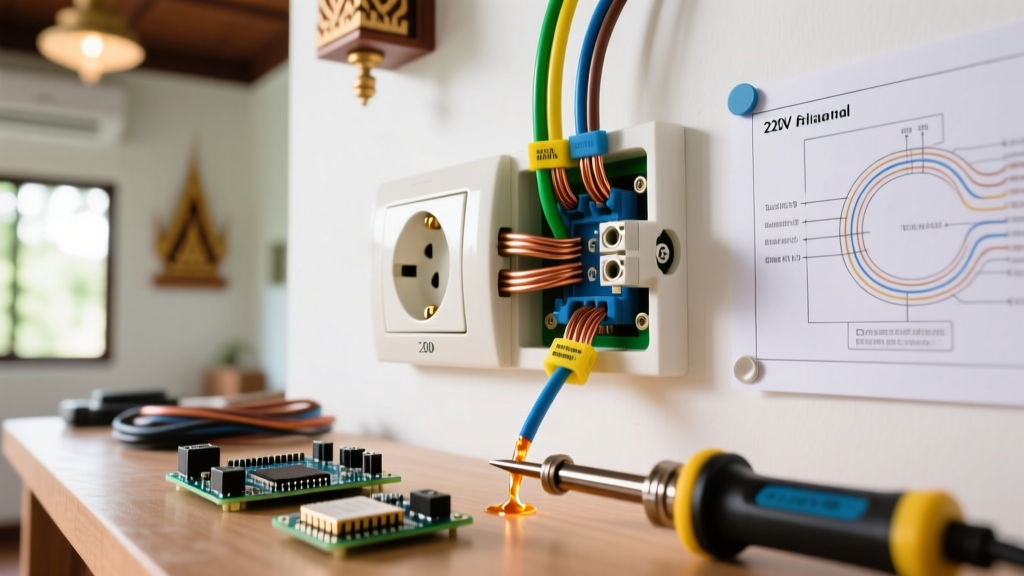
- Connect the Live (Phase) wire to the terminal marked 'L' (usually on the right side when facing the socket).
- Connect the Neutral wire to the terminal marked 'N' (left side).
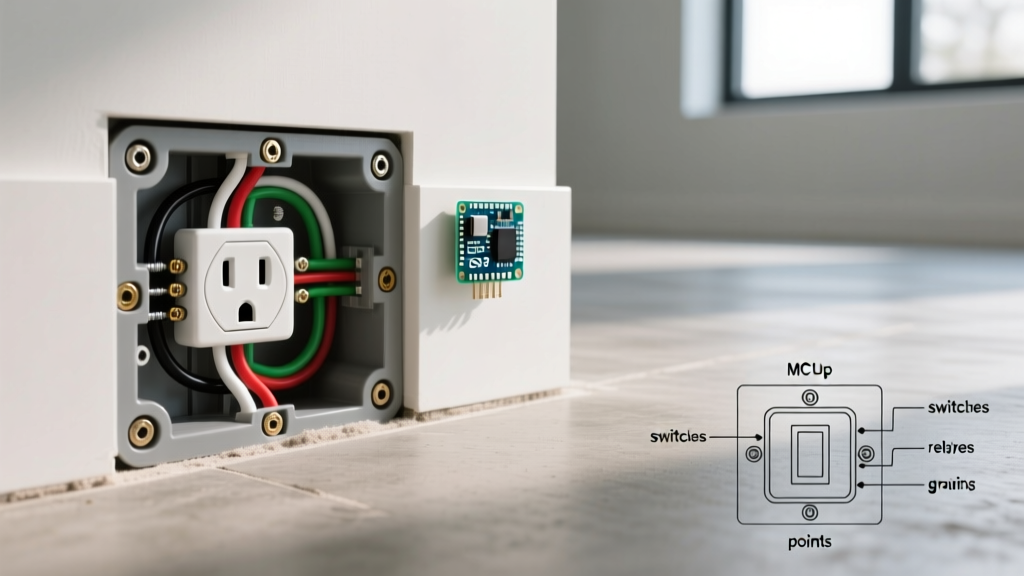
- Connect the Earth/Ground wire to the central terminal marked with the earth symbol (⏚).
- Tighten the terminal screws to the manufacturer's specified torque (typically 0.5 Nm to 0.8 Nm). Give each wire a firm tug to ensure it is seated properly.
Step 4: Mount and Test
Carefully fold the wires into the backbox, ensuring no sharp bends that could compromise the PVC insulation over time. Secure the receptacle frame to the wall box using the provided M4 mounting screws. Restore power at the consumer unit and test the outlet using a digital socket tester to verify correct polarity and ground continuity.
Edge Case: Upgrading Without an Existing Ground Wire
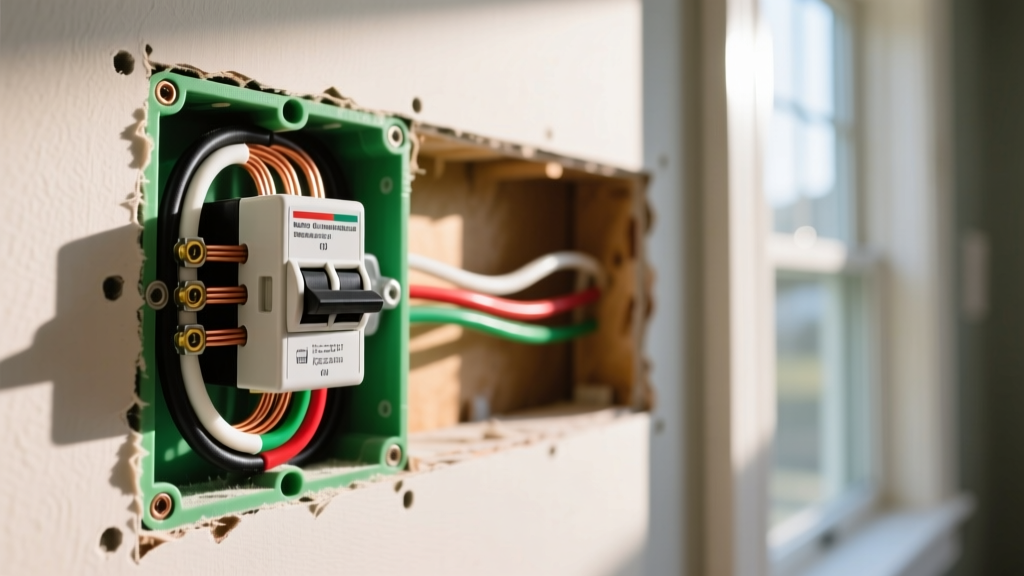
A massive challenge when upgrading an electricity outlet in Thailand is discovering that the wall box lacks an earth wire. In older Thai shophouses, electricians often ran only Live and Neutral through PVC conduit to save money.
Solutions for Ungrounded Circuits
Never bootleg the ground by connecting the Earth terminal to the Neutral terminal. If a neutral fault occurs upstream, the metal chassis of your appliance will become energized at 220V, creating a lethal shock hazard.
Solution A (Retrofit Grounding): If you have access to the ceiling cavity or an exterior wall, drive a 1.5-meter copper-clad ground rod into the earth outside. Run a minimum 4mm² THW Green/Yellow wire from the rod, through the conduit, and directly to the receptacle's earth terminal. Connect the other end to the main distribution board's earth busbar.
Solution B (RCBO Protection): If running a new ground wire is physically impossible due to concrete walls, you must ensure the circuit is protected by a high-sensitivity 30mA RCBO at the consumer unit. While this does not provide a functional earth for EMI shielding on sensitive audio/video equipment, it will trip in milliseconds if a human touches a live fault, preventing electrocution. Clearly label the receptacle with a 'No Equipment Ground' sticker, as required by international safety best practices.
Frequently Asked Questions
Can I use a US 110V appliance in a Thai outlet?
No. Thailand operates on a 220V, 50Hz grid. Plugging a 110V North American appliance directly into a Thai electricity outlet will instantly destroy the appliance's power supply and may cause a fire. You must use a step-down transformer rated for at least 150% of the appliance's wattage.
Why do my lights flicker when the air conditioner turns on?
This indicates voltage drop, usually caused by undersized wiring (e.g., 1.5mm² instead of the required 2.5mm² or 4mm² for HVAC circuits) or a loose neutral connection at the main distribution board. Upgrading the receptacle won't fix this; you need a licensed Thai electrician to audit your consumer unit and branch circuit gauges.
Are universal 'travel adapter' wall sockets safe for permanent installation?
Cheap, unbranded universal sockets found in tourist areas often lack internal child-safety shutters and use thin, stamped-metal contacts that cannot handle continuous 16A loads. For permanent residential upgrades, always install dedicated TIS-compliant Type O or high-quality Schneider Electric modular receptacles designed specifically for the 220V/50Hz environment.