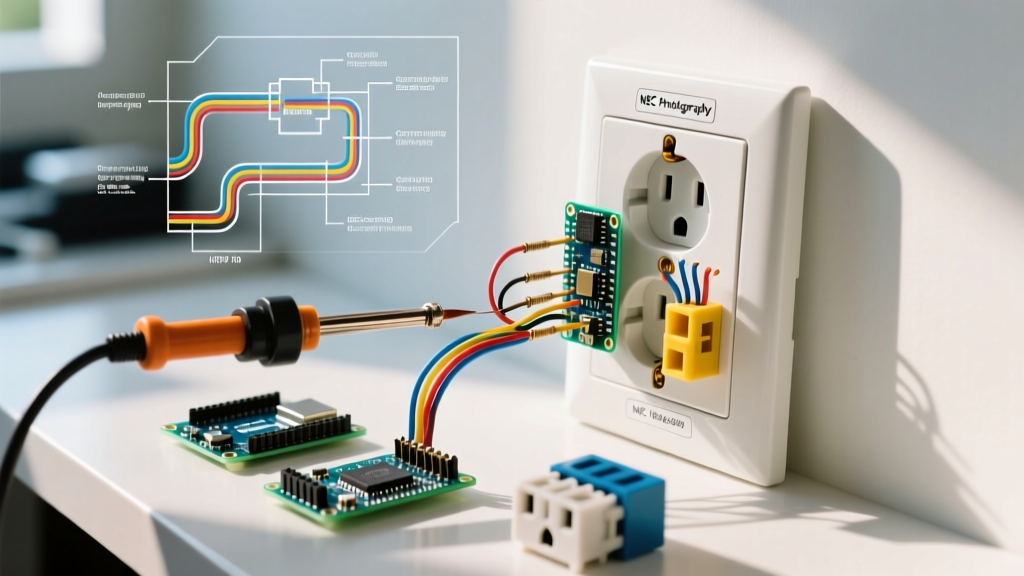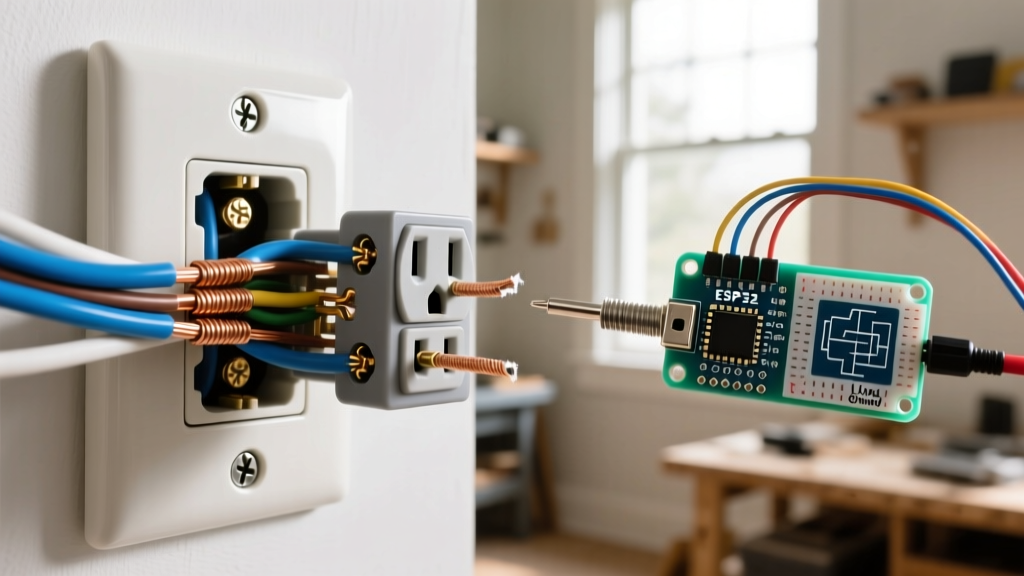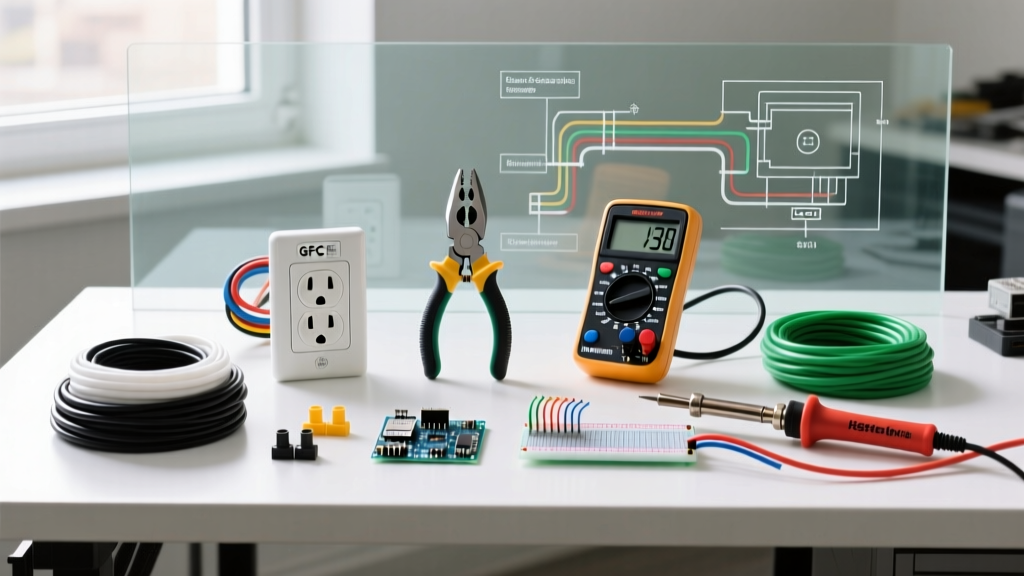

The Reality of the No Ground Electrical Outlet in Older Homes
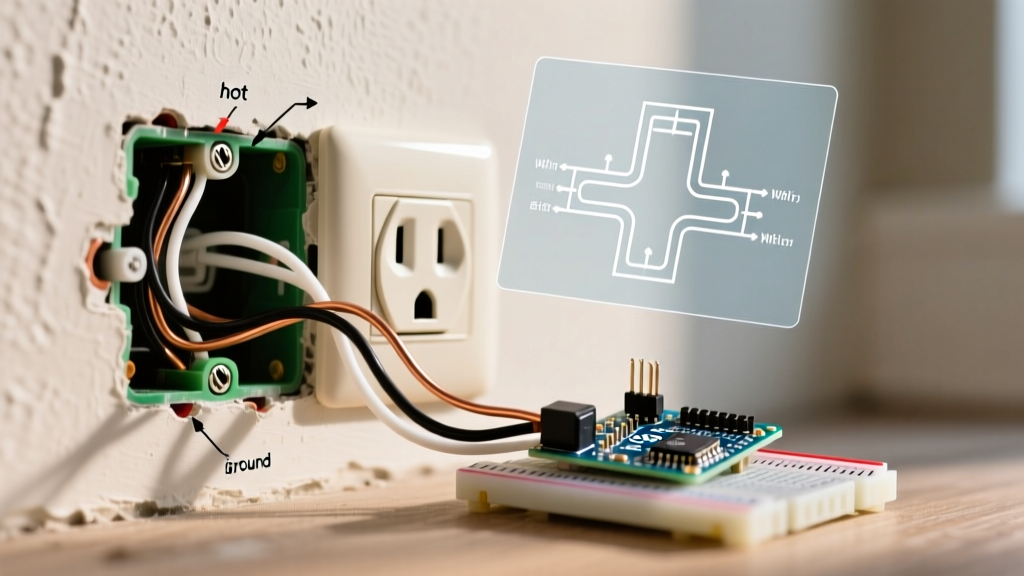
If you own a home built before the mid-1960s, you are likely familiar with the two-prong receptacle. As modern electronics demand three-prong plugs, many homeowners face the dilemma of the no ground electrical outlet. Upgrading these outlets is not just a matter of convenience; it is a critical safety intervention. However, simply swapping a two-prong receptacle for a standard three-prong model without an equipment grounding conductor (EGC) is a severe code violation and a shock hazard.
From a Tool & Material Guide perspective, correctly addressing an ungrounded circuit requires specialized diagnostic equipment to verify the circuit’s true status, and specific National Electrical Code (NEC) compliant materials to provide shock protection without running new ground wires through your walls. This guide details the exact tools, materials, and methodologies required to safely upgrade a no ground electrical outlet in 2026.
Understanding the NEC Stance on Ungrounded Receptacles
Before purchasing materials, you must understand the legal and safety framework governing ungrounded circuits. According to the National Fire Protection Association (NFPA 70 / NEC), specifically section 406.4(D)(2), when replacing a receptacle on an ungrounded circuit, you have three options:
- Replace it with a standard two-prong receptacle (not practical for modern homes).
- Run a new equipment grounding conductor back to the panel (highly invasive and expensive).
- Replace it with a Ground Fault Circuit Interrupter (GFCI) receptacle and label it "No Equipment Ground".
CRITICAL CODE NOTE: A GFCI does not require a ground wire to function. It protects against shock by monitoring the current differential between the hot and neutral wires. If it detects a leak as small as 5 milliamps (mA), it trips in under 25 milliseconds, saving your life even in the absence of a ground wire.
Phase 1: Diagnostic Tools for Verifying Circuit Status
Never assume an outlet is ungrounded just because it only has two slots. Previous owners often install illegal "bootleg grounds" (jumpering the neutral to the ground terminal) to trick standard testers. To properly diagnose a no ground electrical outlet, you need professional-grade diagnostic tools.
1. Digital Receptacle Tester with Bootleg Detection
Standard $10 analog three-light testers are obsolete for diagnostic work. You need a digital tester capable of detecting bootleg grounds and measuring exact line voltages.
- Top Pick: Klein Tools RT250 Digital Receptacle Tester (Approx. $38.00)
- Key Feature: The RT250 features a specific LCD indicator for "Bootleg Ground" conditions. It measures the voltage differential between neutral and ground to determine if they are illegally bonded downstream.
- Specs: Tests GFCI trip times, verifies 120V/240V wiring, and provides a 30mA test current to trip standard GFCIs.
2. True RMS Multimeter
When the digital tester flags an anomaly, or when you need to verify that the neutral is not carrying stray voltage, a True RMS multimeter is mandatory.
- Top Pick: Fluke 117 True RMS Multimeter (Approx. $210.00) or the budget-friendly Klein Tools MM400 (Approx. $55.00).
- Application: Measure Hot-to-Neutral (should be ~120V), Hot-to-Ground (should be ~120V if grounded, 0V if truly ungrounded), and Neutral-to-Ground (should be <2V). If Hot-to-Ground reads 0V, you have confirmed a true no ground electrical outlet.
Phase 2: Core Materials for the Upgrade
Once you have confirmed the absence of an equipment grounding conductor, you must select the correct replacement receptacle and connectors. The Consumer Product Safety Commission (CPSC) heavily emphasizes the use of Tamper-Resistant (TR) GFCIs in residential settings to prevent childhood electrical injuries.
1. The GFCI Receptacle
You must use a 15-Amp or 20-Amp Tamper-Resistant GFCI, depending on your circuit breaker size and wire gauge (14 AWG wire = 15A; 12 AWG wire = 20A).
| Brand & Model | Amperage | Key Features | Est. 2026 Price |
|---|---|---|---|
| Leviton 08280-W (SmartLockPro) | 15A / 125V | TR shutters, LED fault indicator, auto-monitoring | $22.50 |
| Eaton GFNT15-W | 15A / 125V | TR shutters, flush-mount design, durable thermoplastic | $18.00 |
| Leviton 88280-W (20A Version) | 20A / 125V | Required for 12 AWG wire circuits, TR shutters | $26.00 |
Note: You can find these models directly through Leviton’s official GFCI catalog or at major electrical supply houses.
2. Wire Connectors and Pigtails
Older ungrounded circuits often feature brittle cloth-covered wire or early generation NM-B (Romex) that lacks the slack needed to connect to the deeper body of a GFCI receptacle. You will need to create pigtails.
- Wire: 12 AWG or 14 AWG THHN/THWN stranded copper wire (green for grounding the box if metal, white for neutral pigtails, black for hot pigtails).
- Connectors: IDEAL 34 Yellow In-Sure Push-In Connectors. These are vastly superior to traditional twist-on wire nuts for tight, ungrounded junction boxes because they require less clearance depth and grip both solid and stranded wire securely.
- Labels: The GFCI must be covered with the provided "No Equipment Ground" sticker. Do not skip this; it is a direct NEC requirement for passing inspection.
Phase 3: Essential Hand Tools for Safe Execution
Working on older electrical boxes presents unique mechanical challenges. Plaster rings, narrow steel boxes, and brittle insulation require specialized hand tools to prevent damaging the existing wiring.
Insulated Screwdrivers
When working in cramped steel junction boxes common in the 1950s, the risk of a screwdriver slipping and bridging a hot terminal to the grounded metal box is high.
- Recommendation: Wiha 32090 1000V Insulated Screwdriver Set (Approx. $65.00). The 1/4" slotted and #2 Phillips drivers feature a slim profile that easily fits into recessed GFCI terminal screws while providing certified dielectric protection.
Precision Wire Strippers
Older 14 AWG copper wire can be soft or partially oxidized. Using heavy-duty automatic strippers can nick the conductor, creating a hot spot.
- Recommendation: Klein Tools 11055 Wire Stripper (10-18 AWG). The precision-machined stripping holes remove insulation cleanly without scoring the copper conductor, preserving the wire’s structural integrity.
Oscillating Multi-Tool (For Box Modifications)
GFCI receptacles are physically deeper and wider than standard two-prong receptacles. In older homes with narrow 2x3 steel boxes or plaster rings, the GFCI may not fit.
- Recommendation: Fein MultiMaster or Milwaukee M18 Oscillating Multi-Tool equipped with a carbide-grit plunge blade. This allows you to carefully trim the plaster ring or drywall around the box to accommodate the larger GFCI faceplate without destroying the surrounding wall.
Step-by-Step Diagnostic & Installation Workflow
To ensure maximum safety and code compliance, follow this exact sequence when addressing a suspected no ground electrical outlet:
- Kill the Power: Turn off the circuit breaker and verify with the Fluke 117 multimeter (Hot to Neutral = 0V).
- Extract & Inspect: Remove the receptacle. Look for a bare copper or green wire attached to the green grounding screw. If absent, or if it simply loops to the metal box without a verified path to the panel, treat it as ungrounded.
- Check for Bootlegs: Inspect the back of the old receptacle. If a wire jumps from the silver (neutral) screw to the green (ground) screw, remove it immediately. This is a lethal bootleg ground.
- Pigtail if Necessary: Use the Klein 11055 to strip your THHN pigtails and connect them to the existing circuit wires using IDEAL In-Sure connectors.
- Wire the GFCI: Connect the black (hot) pigtail to the brass "LINE" terminal. Connect the white (neutral) pigtail to the silver "LINE" terminal. Leave the green ground screw empty.
- Test & Label: Restore power. Use the Klein RT250 to verify proper wiring and trigger the GFCI test function. Apply the "No Equipment Ground" label to the faceplate.
Final Thoughts on Safety and Compliance
Upgrading a no ground electrical outlet is one of the most impactful safety improvements you can make in an older home. By investing in proper diagnostic tools like the Klein RT250 and utilizing NEC-compliant materials like Tamper-Resistant GFCIs, you eliminate the shock hazard without the massive expense of rewiring the entire house. Always respect the limitations of ungrounded circuits: while a GFCI will protect human life from electrocution, it will not protect sensitive electronics from power surges the way a true equipment ground would. For expensive home theater or computer systems, consult a licensed electrician about running a dedicated, fully grounded circuit.