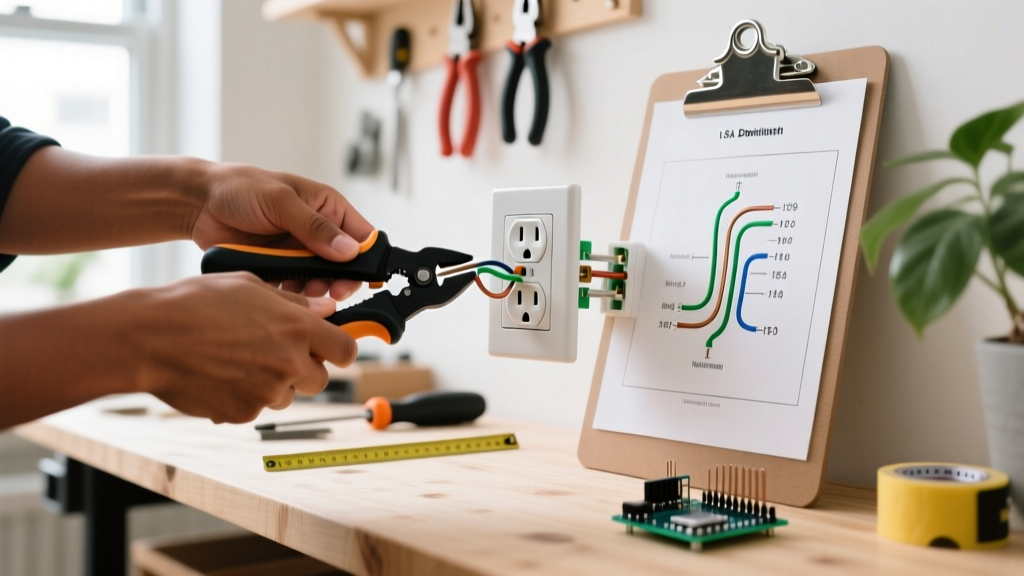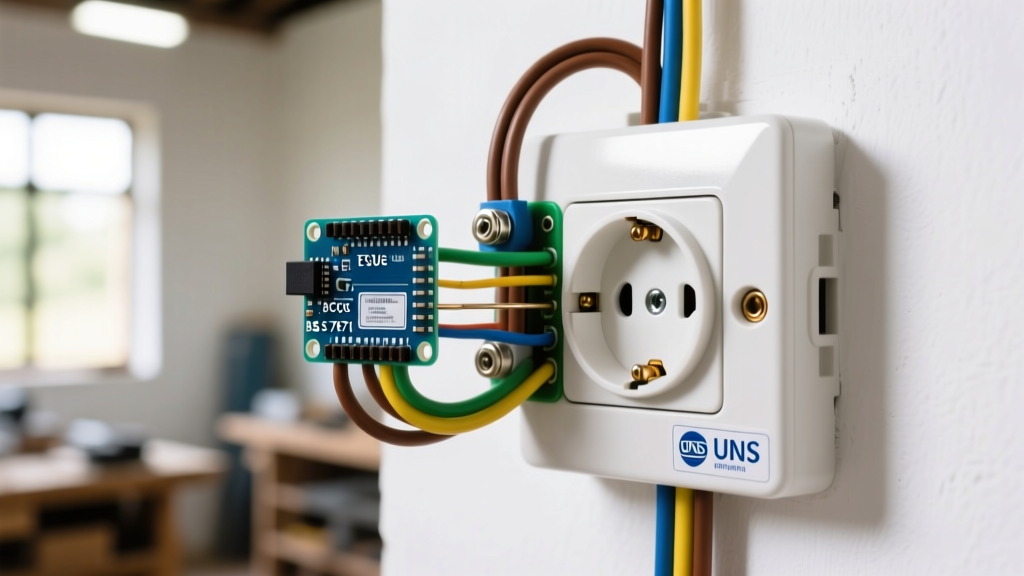

Navigating the Uganda Electrical Outlet Landscape
Setting up electrical infrastructure in East Africa requires navigating a blend of local regulatory oversight and inherited British standards. For electrical contractors, expatriate developers, and DIY enthusiasts tackling projects in Kampala, Entebbe, or upcountry regions, understanding the exact code requirements for a Uganda electrical outlet is non-negotiable. Unlike regions that adopt the NEC (National Electrical Code) or localized European frameworks, Uganda's electrical installation codes are heavily derived from the UK's IET Wiring Regulations (BS 7671), adapted for local environmental and grid realities. In 2026, with the rapid expansion of smart homes and sensitive commercial electronics in Uganda, strict adherence to earthing, circuit protection, and outlet spacing codes is more critical than ever to prevent fire hazards and equipment destruction.
Core Electrical Parameters in Uganda
Before wiring a single socket, you must align your design with the national grid parameters managed by UMEME (Uganda Electricity Distribution Company Limited) and rural distributors like Umeme Rural Electrification.
- Nominal Voltage: 240V (Single-phase) / 415V (Three-phase). Note that real-world fluctuations between 220V and 250V are common, necessitating robust surge protection.
- Frequency: 50Hz.
- Plug & Socket Type: Type G (BS 1363 standard). This features three rectangular pins in a triangular pattern, incorporating a built-in fuse within the plug and safety shutters on the socket.
- Standard Socket Rating: 13 Amps.
Regulatory Framework & Code Standards
The physical manufacturing and importation of sockets in Uganda are governed by the Uganda National Bureau of Standards (UNBS). UNBS enforces standards that mirror BS 1363 to ensure all Uganda electrical outlet products feature internal child-safety shutters and proper pin sleeving. However, the installation and wiring codes fall under the purview of the Electricity Regulatory Authority (ERA) and local municipal councils, which default to the IET Wiring Regulations (BS 7671) for technical compliance. This means that cable sizing, containment, and protective device coordination must meet British standards, adjusted for Uganda's high ambient temperatures, which can severely affect cable current-carrying capacity.
Wiring Specifications: Ring vs. Radial Circuits
Historically, the UK-style Ring Final Circuit (RFC) was the default for socket outlets. However, modern electrical engineers in Uganda are increasingly shifting toward Radial Circuits for general-purpose outlets. The high ambient temperatures in regions like Gulu or Mbarara can cause cables concealed in poorly ventilated masonry walls to overheat. A 32A ring circuit utilizing 2.5mm² cable can become a fire risk if the ring is accidentally broken, forcing the entire load onto a single 2.5mm² leg.
Recommended 2026 Circuit Topologies
For new residential and commercial builds in Uganda, the following radial configurations are considered best practice:
| Circuit Type | Cable Size (Cu) | MCB Rating | Max Floor Area | Best Application |
|---|---|---|---|---|
| Standard Radial | 2.5mm² | 20A | 50m² | Bedrooms, Living Rooms |
| Heavy Duty Radial | 4.0mm² | 32A | 75m² | Kitchens, Server Rooms |
| Ring Final (Legacy) | 2.5mm² | 32A | 100m² | Retrofits (Only if tested) |
Expert Insight: When routing cables in Ugandan masonry (often solid concrete block or brick), always use 20mm or 25mm PVC conduit. Direct burial of cables in plaster is a severe code violation and leads to rapid insulation degradation due to the alkaline nature of local cement mixes.
The Earthing Imperative: TT Systems in Uganda
One of the most misunderstood aspects of installing a Uganda electrical outlet is the earthing system. While TN-C-S (PME) systems are available in premium zones of Kampala (e.g., Kololo, Nakasero), the vast majority of the country operates on a TT (Terra-Terra) earthing system. In a TT system, the earth connection is provided locally via an earth electrode, not by the utility provider.
TT Earthing Code Requirements
- Earth Electrode: You must drive a minimum 1.2-meter (preferably 1.5-meter) copper-bonded earth rod into the ground. Uganda's laterite and rocky soils can have high resistivity; you may need to use multiple rods or earth enhancement compounds (like Bentonite clay) to achieve a target resistance of under 200 ohms, ideally below 100 ohms.
- Main RCD Protection: Because the earth fault loop impedance (Zs) in a TT system is inherently high, a standard MCB will not trip fast enough to prevent lethal shock. BS 7671 mandates a 100mA Time-Delayed (S-Type) RCD at the main distribution board origin.
- Socket RCD Protection: Every individual Uganda electrical outlet circuit must be protected by a 30mA Type A RCD to provide supplementary protection against direct contact and earth leakage.
Step-by-Step: Wiring a Type G Socket to Code
When terminating the outlet, precision is required to pass ERA inspections and ensure long-term safety.
- Preparation: Strip the outer PVC sheath of the 2.5mm² or 4.0mm² cable, leaving exactly 30mm of the inner core insulation intact. Do not score the copper conductors.
- Ferruling: If using stranded flexible cables for any drop-downs, crimp insulated bootlace ferrules. For standard solid-core cables, ensure the copper is clean and free of oxidation.
- Terminal Connection: Connect the Brown wire to the Live (L) terminal, the Blue wire to the Neutral (N) terminal, and the Green/Yellow wire to the Earth (E) terminal. The Earth wire must be sleeved if the bare copper is exposed beyond the cable sheath.
- Tightening: Tighten terminal screws to the manufacturer's specified torque (usually between 1.5Nm and 2.0Nm for standard 13A sockets). Loose connections cause high-resistance arcing, a leading cause of electrical fires in Uganda.
- Shutter Verification: After mounting the faceplate, test the safety shutters using a dedicated socket tester. The shutters must only open when the longer top Earth pin is inserted.
Mandatory Safety Devices: Surge Protection
As of recent code updates and best-practice guidelines for 2026, Surge Protective Devices (SPDs) are highly recommended, and increasingly mandated by insurance companies for commercial properties in Uganda. The national grid experiences frequent switching transients and lightning-induced surges, particularly during the March-May and September-November rainy seasons. Installing a Type 2 SPD at the distribution board, paired with high-quality metal-oxide varistor (MOV) surge-protecting outlets for sensitive IT equipment, is now considered a baseline standard for premium installations.
Common Code Violations & Troubleshooting
When auditing existing installations or inspecting contractor work, watch out for these frequent violations:
- Unfused Spurs: BS 1363 allows for unfused spurs, but only if they feed a single socket or a single fixed appliance. Daisy-chaining multiple sockets off an unfused spur overloads the 2.5mm² cable.
- Bypassed Shutters: Substandard, counterfeit outlets imported through unregulated channels often feature plastic wedges that permanently hold the safety shutters open. These violate UNBS standards and must be immediately replaced.
- Missing Earth Sleeving: Leaving the bare earth wire exposed inside the backbox without green/yellow PVC sleeving is a direct violation of harmonized color-coding regulations and risks short-circuiting against the Live terminal if the cable is pulled.
- Overloading the Ring: Plugging in multiple high-draw appliances (e.g., 3kW kettles, 2kW space heaters, and microwaves) into a single localized area of a ring circuit, causing localized thermal overloading.
Sourcing Compliant Materials
To ensure your Uganda electrical outlet installation meets all legal and safety requirements, avoid unbranded products in local open-air markets. Source your sockets, switches, and distribution boards from authorized distributors of brands like Schneider Electric, Legrand, or Crabtree, which carry the British Kitemark or equivalent UNBS certification marks. Always request a certificate of conformity for bulk purchases to present to municipal building inspectors during the final sign-off phase. For comprehensive plug and socket type mappings globally, refer to the IEC World Plugs database to ensure compatibility for imported appliances.