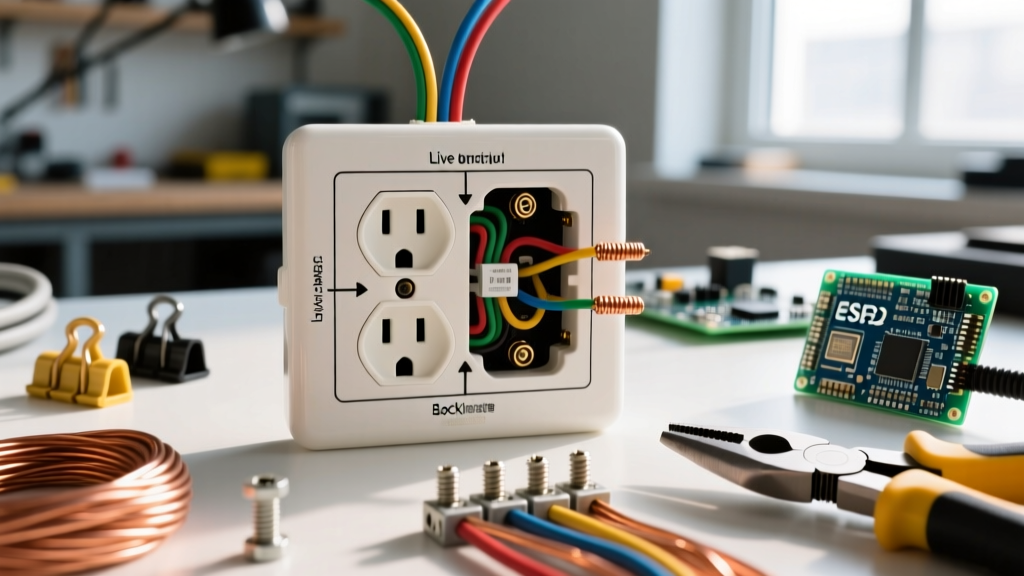

The True Cost to Install Electrical Outlet Circuits: Beyond the Hardware
When homeowners research the cost to install electrical outlet additions, they often fixate on the $3 to $8 price tag of a standard duplex receptacle. However, from a safety and code compliance perspective, the true cost encompasses National Electrical Code (NEC) mandates, proper wire gauge selection, and labor rates for licensed professionals. In 2026, with widespread municipal adoption of the latest NEC cycles, cutting corners on outlet installation isn't just a code violation—it is a primary catalyst for residential electrical fires and failed home inspections.
This guide breaks down the actual costs of installing electrical outlets through the lens of safety, code compliance, and long-term reliability. We will explore why a simple receptacle swap can escalate into a circuit upgrade, and how to budget for NEC-mandated safety devices like AFCI and GFCI protections.
2026 Outlet Installation Pricing Matrix
The cost to install electrical outlet hardware varies wildly depending on the circuit's location and the safety protections required by the NEC. Below is a realistic pricing matrix based on current national averages for licensed electricians and code-compliant materials.
| Outlet Type & Application | Material Cost (Per Unit) | Avg. Labor (Per Outlet) | NEC Code Reference | Total Estimated Cost |
|---|---|---|---|---|
| Standard 15A Tamper-Resistant (Living Areas) | $3 - $8 (e.g., Leviton T5320-W) | $75 - $125 | NEC 406.12 | $78 - $133 |
| 20A GFCI Receptacle (Kitchens, Baths, Garages) | $25 - $45 (e.g., Leviton GFTA2-W) | $95 - $150 | NEC 210.8 | $120 - $195 |
| 15A AFCI Receptacle (Bedrooms, Hallways) | $35 - $55 (e.g., Eaton AFTR15) | $95 - $150 | NEC 210.12 | $130 - $205 |
| 240V 50A Range/Dryer Receptacle (New Circuit) | $40 - $85 (e.g., Bryant 9450FR) | $250 - $450 | NEC 250.140 | $290 - $535 |
| Ungrounded 2-Prong to GFCI Retrofit | $25 - $45 (GFCI + Labels) | $125 - $180 | NEC 406.4(D)(2) | $150 - $225 |
Note: Labor rates assume an electrician hourly rate of $65 to $125. If a new circuit must be pulled from the main panel, expect an additional $300 to $600 in labor and wire materials.
NEC Mandates That Drive Installation Costs
Understanding the National Fire Protection Association (NFPA 70) NEC requirements is crucial for accurate budgeting. The code has evolved significantly to prioritize arc fault and ground fault protection, which inherently increases material costs.
1. Tamper-Resistant (TR) Receptacles (NEC 406.12)
Gone are the days of installing standard $1 receptacles. The NEC mandates that all 15A and 20A, 125V and 250V non-locking receptacles in dwelling units must be Tamper-Resistant. TR receptacles feature internal shutters that only open when equal pressure is applied to both slots simultaneously, preventing children from inserting foreign objects. According to the Electrical Safety Foundation International (ESFI), TR receptacles prevent thousands of childhood shock injuries annually. Budget an extra $2 to $5 per outlet for TR compliance.
2. GFCI Protection Expansion (NEC 210.8)
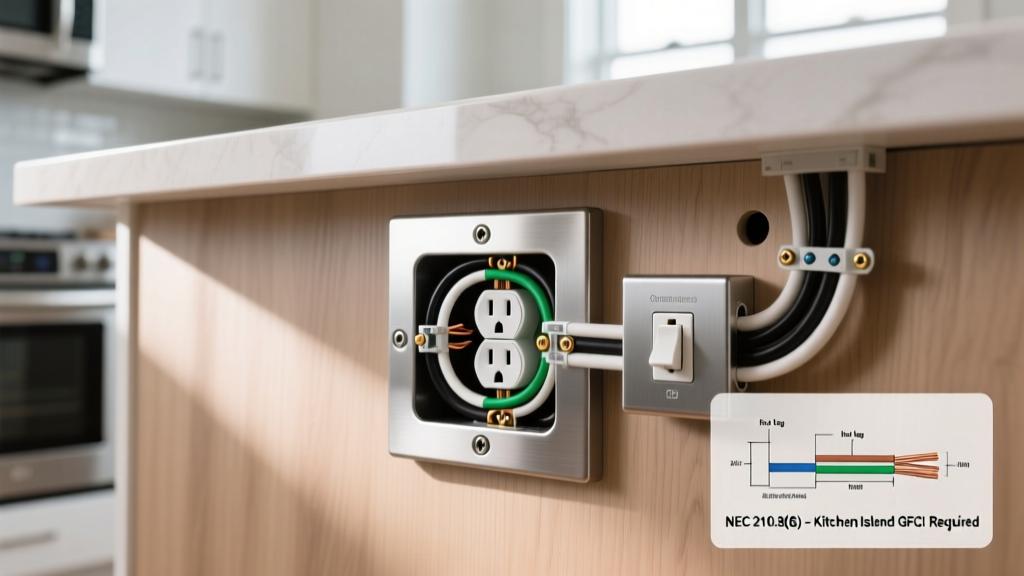
Ground Fault Circuit Interrupter (GFCI) protection is no longer limited to bathrooms and outdoors. Recent NEC cycles have expanded GFCI requirements to include crawlspaces, unfinished basements, garages, and within 6 feet of sinks in kitchens and laundry rooms. If you are adding an outlet in these zones, you must either install a GFCI receptacle or use a GFCI circuit breaker, adding $25 to $60 to your material costs.
3. AFCI Protection for Living Spaces (NEC 210.12)
Arc Fault Circuit Interrupters (AFCIs) detect dangerous electrical arcs that can ignite surrounding wood framing. NEC 210.12 requires AFCI protection for almost all 120V, single-phase, 15A and 20A branch circuits supplying outlets in bedrooms, living rooms, hallways, and closets. While AFCI breakers are common, AFCI receptacles (like the Eaton AFTR15) are often used for retrofits where the panel is inaccessible, costing roughly $40 per device.
The Hidden Costs of Improper Wiring Practices
When evaluating the cost to install electrical outlet hardware, the cheapest bid often masks dangerous installation methods. Here are critical safety failures to watch for:
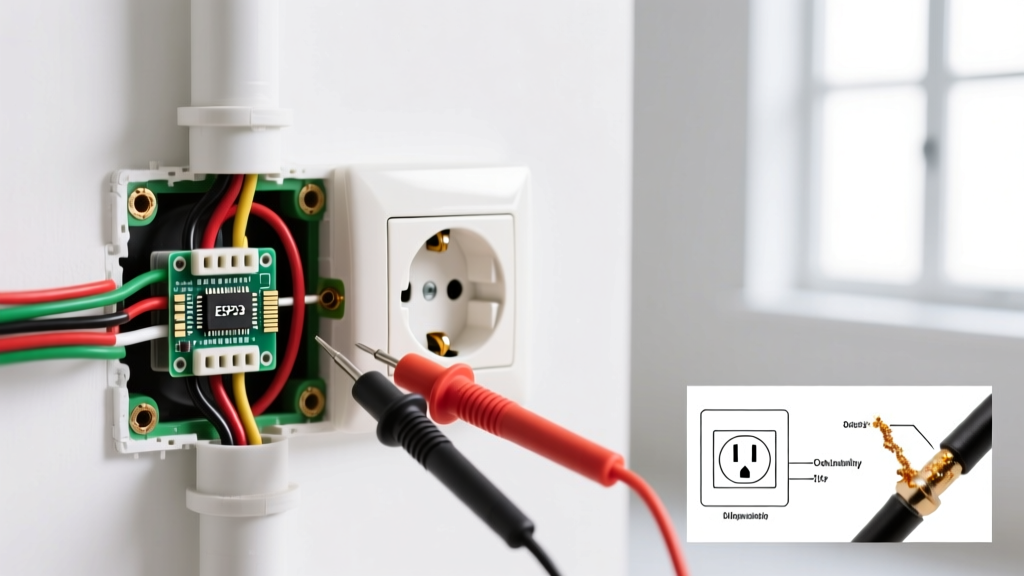
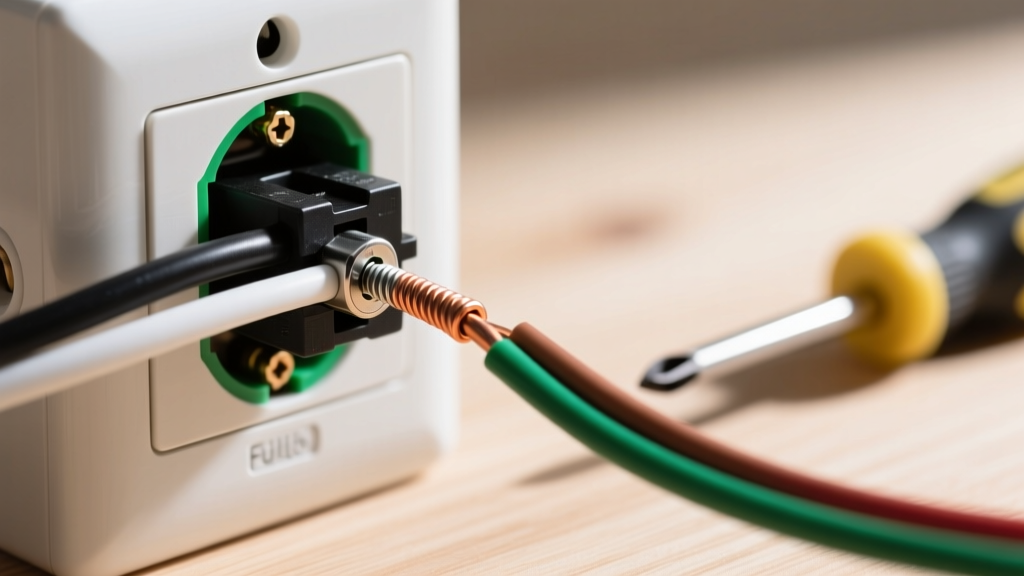
- Backstabbing vs. Pigtailing: Amateurs often use the "backstab" push-in terminals on the back of a receptacle. These spring-loaded connections are notorious for loosening over time due to thermal expansion, leading to high-resistance arcing. Code-compliant professionals use screw terminals or, preferably, pigtailing with wire nuts or Wago connectors to ensure continuous circuit integrity.
- Wire Gauge Mismatches: A 15A circuit requires 14 AWG copper wire, while a 20A circuit (standard for kitchens) requires 12 AWG copper. Installing a 20A receptacle on a 14 AWG wire is a severe fire hazard and an immediate inspection failure.
- Bootleg Grounds: In older homes lacking a ground wire, some handymen illegally wire a jumper between the neutral and ground screws to trick a receptacle tester into showing a "correct" 3-prong ground. This is lethal; if the neutral wire ever breaks upstream, the metal chassis of any plugged-in appliance becomes energized at 120V.
The 2-Prong to 3-Prong GFCI Loophole (NEC 406.4)
One of the most common scenarios affecting the cost to install electrical outlet upgrades is dealing with ungrounded 2-prong receptacles in pre-1960s homes. Rewiring an entire house to add a true equipment grounding conductor can cost $10,000 to $20,000.
NEC 406.4(D)(2) Exception: Where a grounding means does not exist in the receptacle enclosure, a nongrounding-type receptacle(s) shall be permitted to be replaced with a ground-fault circuit interrupter-type receptacle(s). These receptacles shall be marked "No Equipment Ground."
This code exception allows electricians to install a GFCI receptacle on an ungrounded circuit. The GFCI will not protect against equipment damage from surges (since there is no ground path), but it will protect human life from lethal shock by detecting current imbalances as low as 4 to 6 milliamps. The cost for this compliant upgrade is typically $150 to $225 per outlet, a massive savings over a full rewire, provided the mandatory "No Equipment Ground" and "GFCI Protected" stickers are applied to the faceplate.
Permitting, Inspections, and Insurance Implications
Many homeowners attempt to bypass permit fees to lower the overall cost to install electrical outlet additions. Municipal electrical permits typically range from $50 to $150. Skipping this step has severe financial and safety repercussions:
- Voided Homeowners Insurance: If an electrical fire originates from an unpermitted, non-inspected outlet installation, insurance investigators will pull municipal permit records. As highlighted by NFPA Home Electrical Safety reports, unpermitted DIY electrical work is a leading cause of denied claims, leaving the homeowner liable for hundreds of thousands of dollars in damages.
- Real Estate Transaction Failures: During a home sale, appraisers and inspectors frequently identify unpermitted electrical work, forcing the seller to escrow funds or tear open finished drywall to prove code compliance before closing.
Final Safety Verdict
The true cost to install electrical outlet circuits is not merely the sum of parts and hourly labor; it is the investment in NEC-compliant safety architecture. Whether you are budgeting for a simple Tamper-Resistant swap in a living room or a complex AFCI/GFCI retrofit in an older home, always prioritize proper wire terminations, correct gauge matching, and mandatory permitting. Hiring a licensed electrical contractor ensures that your home's electrical infrastructure protects both your property and your family for decades to come.