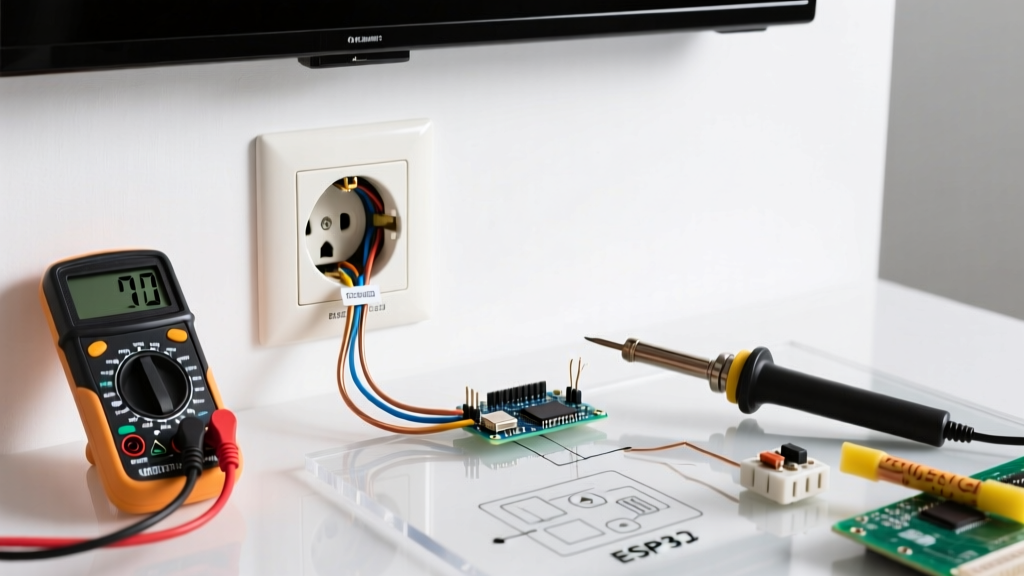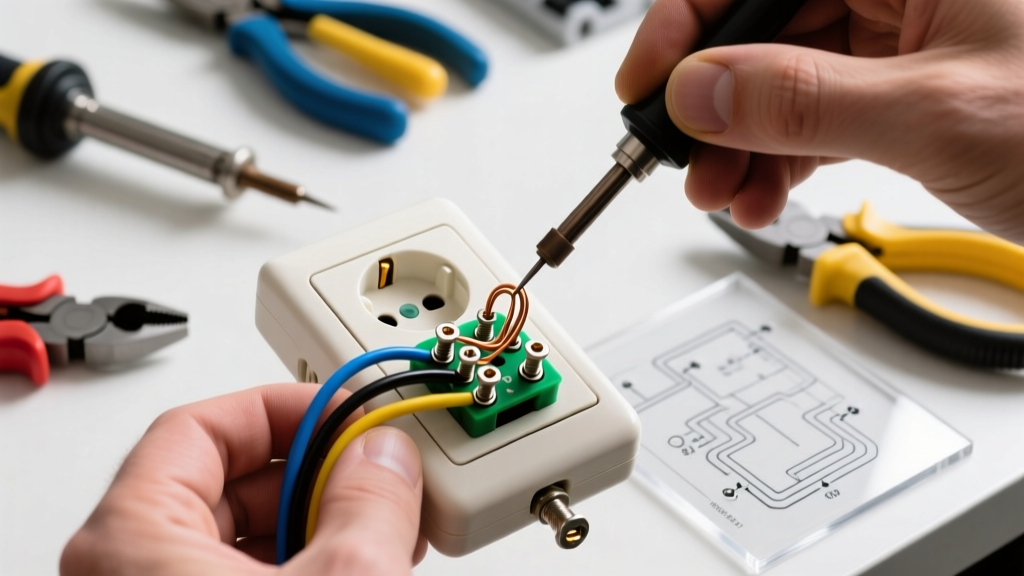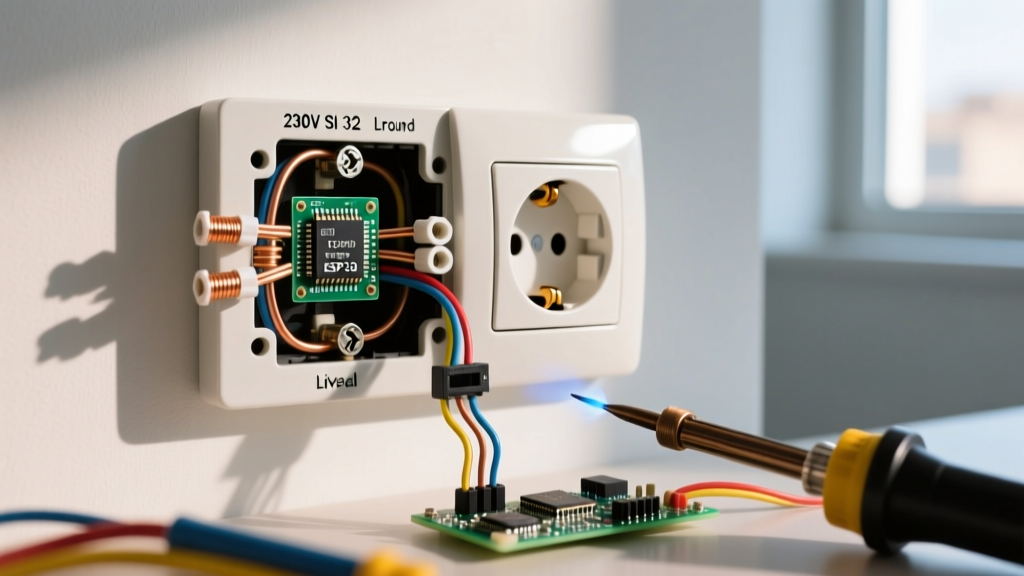

Understanding the Unique Israeli Type H (SI 32) Standard
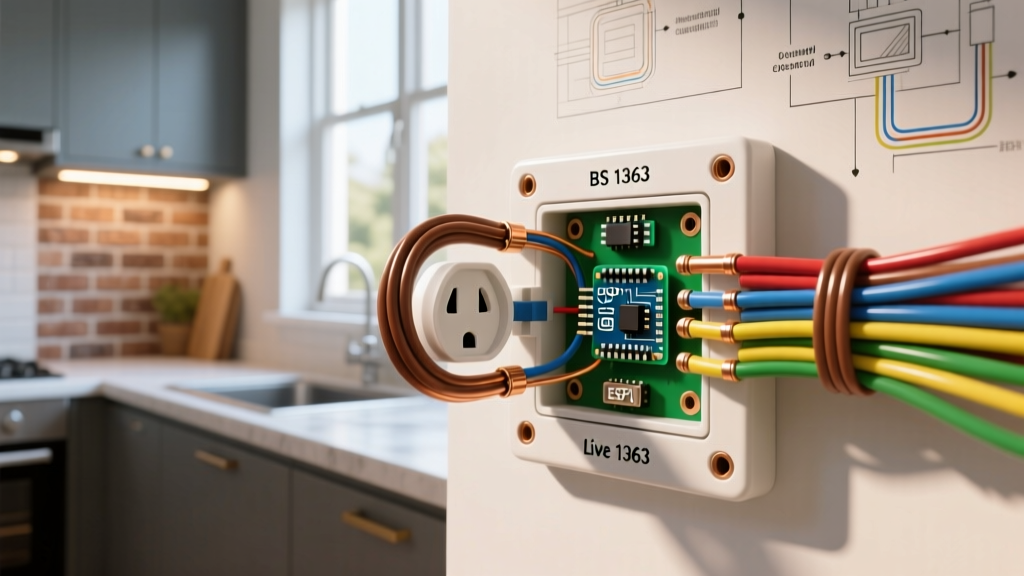
Troubleshooting an electrical outlet for Israel requires a deep understanding of the country's unique receptacle standard. Unlike the rest of the world, Israel utilizes the Type H plug and socket system, governed by the Standards Institution of Israel (SII) under the SI 32 standard. Operating on a 230V / 50Hz grid, Israeli socket circuits are typically protected by 16A or 20A Miniature Circuit Breakers (MCBs) and require 30mA Residual Current Devices (RCDs) for shock protection.
As of 2026, while new construction in cities like Tel Aviv and Jerusalem strictly adheres to modern SI 32 specifications, electricians and DIYers frequently encounter a hybrid of legacy and modern wiring. The most critical evolution in the Type H standard was the transition from flat, rectangular pins (pre-1990s) to rounded, cylindrical pins. Modern Type H sockets are designed with specialized internal brass wipers that accept both the newer rounded Type H plugs and the standard European Type C (Europlug) flat pins. When these internal wipers fail, arc, or lose tension, diagnosing the root cause requires a methodical approach to 230V metric wiring.
Safety Warning: Israel's 230V alternating current is lethal. Before removing any faceplate or testing terminal connections, always isolate the specific circuit at the main consumer unit (Luach Chashmal) and verify zero voltage using a CAT III or CAT IV rated multimeter. Never rely solely on a non-contact voltage pen for 230V diagnostics.
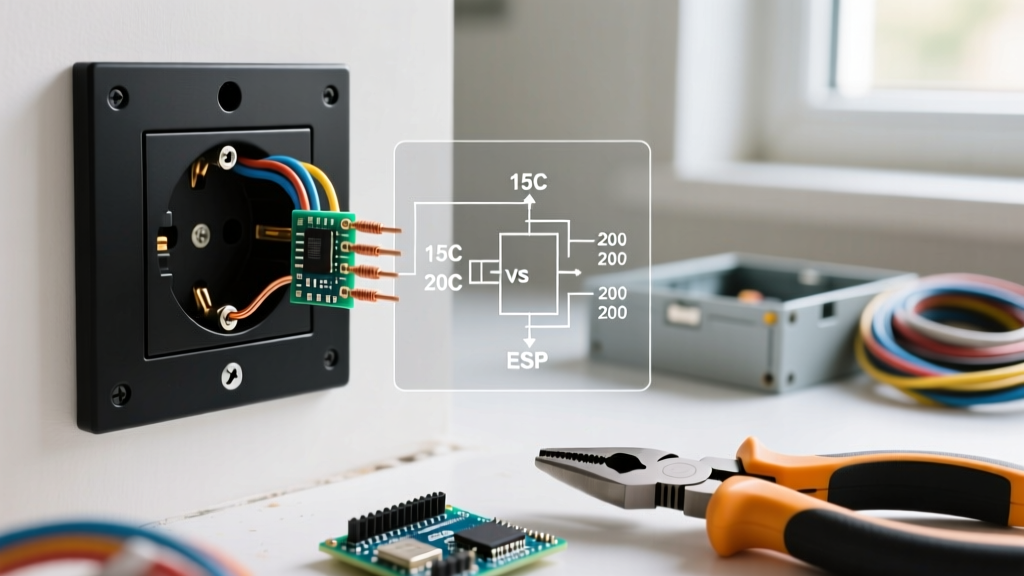
Diagnostic Matrix: Multimeter Readings for 230V Systems
When an Israeli outlet fails to deliver power, or when appliances trip the main RCD (Pakak), your first step is to map the voltage and continuity. Israeli wiring follows the harmonized European color code: Brown for Line (Phase), Blue for Neutral, and Yellow/Green for Earth. (Note: Older installations may feature Red for Line and Black for Neutral).
| Test Point | Expected Reading | Fault Indication & Diagnosis |
|---|---|---|
| Line to Neutral | 220V - 240V AC | 0V: Open circuit, tripped MCB, or severed 2.5 mm² wire. <200V: Severe voltage drop; check for loose neutral busbar connection. |
| Line to Earth | 220V - 240V AC | 0V: Missing earth connection or broken Yellow/Green wire. 110V: Floating neutral or high-resistance earth fault. |
| Neutral to Earth | < 2V AC | >5V: Overloaded neutral bus, shared neutral fault, or improper TN-C bonding at the socket. |
| Earth Continuity | < 0.5 Ohms | >10 Ohms: Corroded earth terminal or disconnected chassis bond. Reference the Fluke continuity testing guide for proper probe placement. |
Step-by-Step Diagnosis of Loose & Splayed Contacts
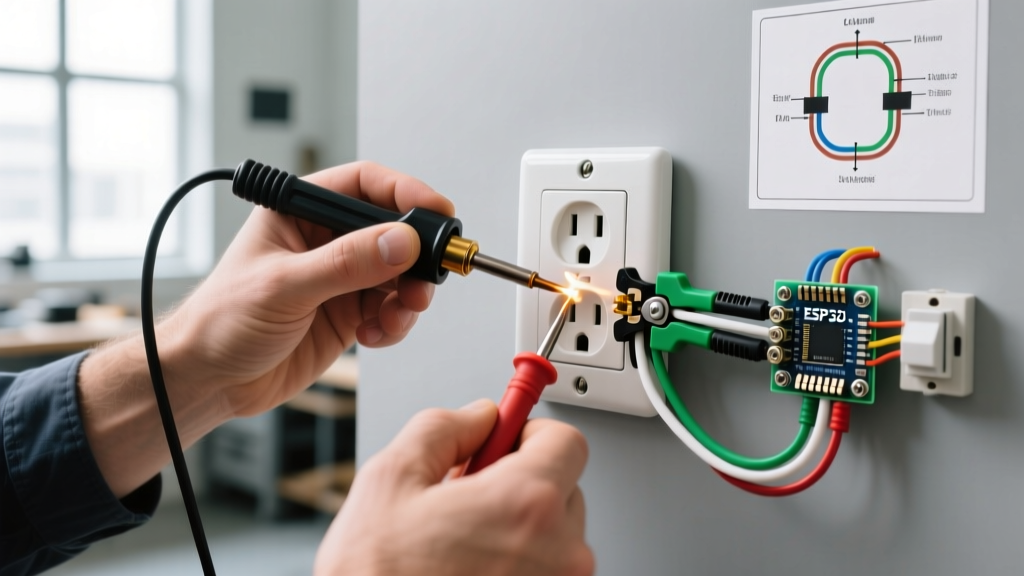
The most common physical failure in an electrical outlet for Israel is the 'splayed contact' phenomenon. Because Israel is a major destination for North American expats and tourists, heavy 110V-to-230V step-down transformers are frequently plugged into Type H sockets via cheap, poorly fitted travel adapters. The sheer weight of these adapters pulls downward on the socket face, physically bending and splaying the internal brass wipers. Over time, this reduces the contact surface area, leading to high resistance, localized melting, and eventual arcing.
The Physical Inspection Protocol
- Isolate and Verify: Switch off the 16A/20A Type-C MCB in the consumer unit. Test Line-Neutral with a Fluke 117 or equivalent multimeter to confirm 0V.
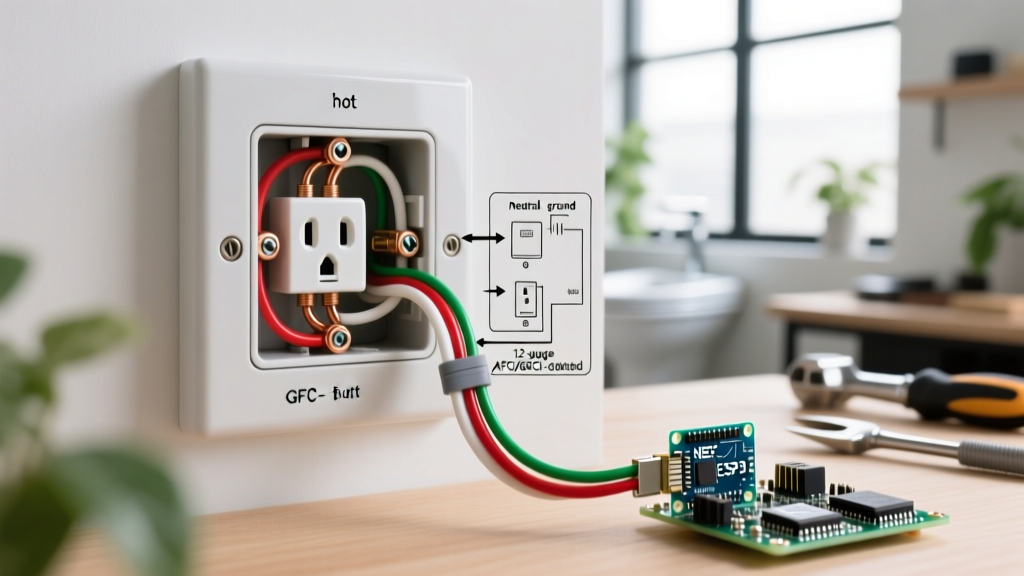
- Extract the Chassis: Remove the central M3 machine screw holding the faceplate. Gently pry the SI 32 chassis from the standard European 68mm round backbox. Do not yank, as older 2.5 mm² copper wires can be brittle at the stripping point.
- Inspect Terminal Torque: Israeli electrical codes require precise terminal screw tension. Using a calibrated torque screwdriver, verify that the Line, Neutral, and Earth terminal screws are tightened to exactly 1.2 Nm to 1.5 Nm. Under-torqued screws cause thermal expansion cycles that eventually loosen the wire, leading to scorch marks on the brown or blue insulation.
- Check the Wire Strip Length: The exposed copper entering the terminal should be exactly 12mm. If insulation is pushed into the terminal, you will get a high-resistance connection. If too much bare copper is exposed (>14mm), it creates a shock hazard and a potential short-circuit path to the metal backbox.
- Test Wiper Tension: Insert a brand-new, high-quality Type H plug (such as a Legrand or Schneider Electric replacement). It should require firm, deliberate force to insert and extract. If it slides in with zero resistance, the internal brass wipers are permanently deformed and the entire receptacle must be replaced.
Grounding Anomalies in Older Israeli Real Estate
Troubleshooting grounding faults requires historical context. According to the Standards Institution of Israel (SII), modern installations mandate a TN-C-S or TN-S earthing system, where the earth is bonded at the main distribution board, not at the individual socket. However, in buildings constructed before the late 1980s, you may encounter illegal and highly dangerous 'bootleg grounds'—where a jumper wire connects the Neutral terminal to the Earth terminal directly behind the socket faceplate.
If an appliance with a metal chassis (like a washing machine or refrigerator) gives a mild shock, or if an RCD trips instantly upon plugging in a device, suspect a bootleg ground. When a load is applied, the voltage drop across the neutral wire raises the potential of the 'earthed' chassis to 10V-40V above true earth. To diagnose this, measure the voltage between the socket's Earth pin and a known true ground (like a cold water copper pipe). If you read line voltage or significant AC ripple, the socket's earth is either entirely missing or falsely bonded to the neutral. This requires pulling new 2.5 mm² Yellow/Green wire back to the main earth busbar.
Travel Adapter Stress vs. Hardwired Solutions
For expats bringing 110V/60Hz appliances (like US kitchen mixers or power tools) to Israel, relying on plug adapters is a primary cause of Type H outlet degradation. Below is a comparison of failure modes between adapter-reliant setups and proper hardwired solutions.
| Setup Configuration | Physical Stress on SI 32 Socket | Thermal Risk & Voltage Drop | Recommended Action |
|---|---|---|---|
| US Plug to Type H Travel Adapter | Extreme: Adapters act as levers, splaying brass wipers within 3-6 months. | High: Poor contact area causes localized heating up to 85°C under 10A loads. | Replace socket; cut off US plug and hardwire a molded Type H plug. |
| Heavy Step-Down Transformer | Severe: Downward gravitational pull fractures the plastic faceplate mounting lugs. | Medium: Transformer inrush current can weld degraded contacts. | Mount transformer to wall; use a heavy-duty industrial SI 32 receptacle (e.g., Gewiss). |
| Direct 230V Appliance (EU/IL) | Minimal: Flush fit maintains optimal wiper tension. | Low: Full 12mm contact depth ensures minimal resistance. | Standard maintenance; inspect every 5 years. |
Frequently Asked Questions
Can I safely use a Type C (Europlug) in a Type H outlet?
Yes, but with a caveat. Modern SI 32 Type H sockets (manufactured post-2005) feature dual-tension wipers designed to grip both the 4.5mm round pins of the Type H and the 4.0mm round pins of the Type C Europlug. However, if the socket is older or heavily worn from previous adapter use, the thinner Type C pins may make poor contact, leading to intermittent power delivery for devices like laptop chargers.
Why does my 16A MCB trip immediately when I plug in a space heater?
Israeli space heaters typically draw 2000W to 2500W. At 230V, a 2500W heater pulls roughly 10.8A. While this is under the 16A rating of the MCB, if the circuit shares the breaker with lighting or other receptacles, the cumulative load will exceed the thermal threshold of the breaker. Furthermore, if the MCB is a Type B rather than a Type C, the initial inrush current of the heating element may trigger the magnetic trip. Always verify the MCB curve (Type C is standard for Israeli socket circuits) and ensure high-draw appliances have a dedicated 20A circuit wired with 4.0 mm² cable.
Where can I verify the official plug dimensions and safety standards?
For global context on plug types, the IEC World Plugs Guide provides an excellent baseline for understanding how Type H differs from Type M or Type G. For localized, legally binding dimensions, pin lengths, and shutter requirements, always consult the latest SI 32 documentation published directly by the Standards Institution of Israel.