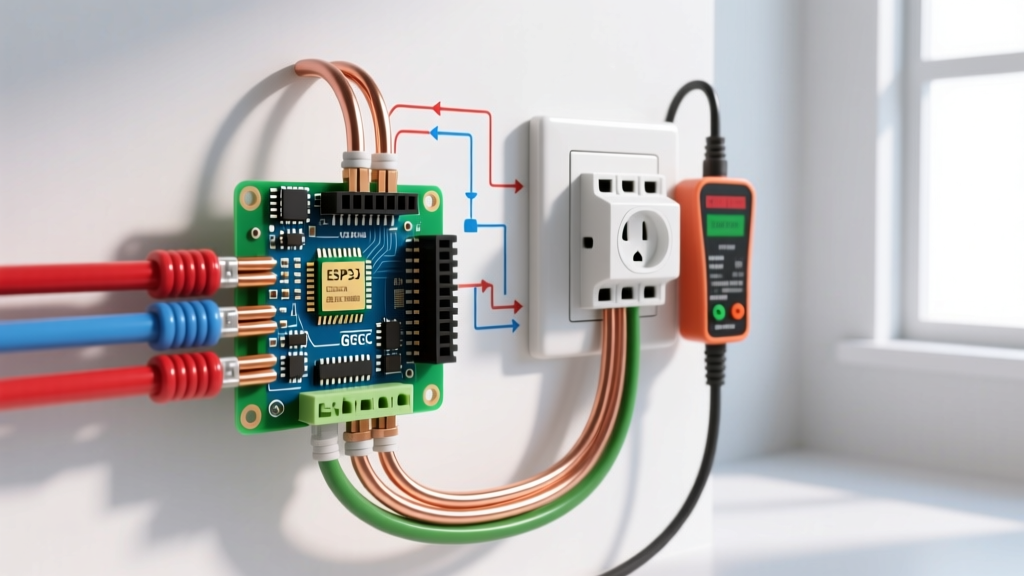

Introduction to Thai Electrical Systems
If you are an expatriate, a DIY enthusiast, or a local homeowner looking to upgrade your living space, understanding how to wire an electrical outlet in Thailand is a fundamental skill. Unlike the 120V/60Hz systems found in North America, Thailand operates on a 220V/50Hz alternating current (AC) grid. This higher voltage means that safety protocols, wire gauges, and terminal connections must be executed with absolute precision to prevent arc faults, overheating, or fatal electric shocks.
As of 2026, the Thai Industrial Standards Institute (TISI) strictly enforces the TIS 166-2549 standard for new residential builds, which mandates the use of Type O sockets. However, many older homes still feature legacy Type A, B, or C receptacles, or non-compliant 'universal' sockets. This beginner tutorial will guide you through the safe, code-compliant installation of a modern, earthed Type O electrical outlet in Thailand.
⚠️ CRITICAL SAFETY WARNING: A 220V electrical shock can cause severe injury or death. Never attempt to wire an electrical outlet in Thailand without first isolating the circuit at the main consumer unit (distribution board) and verifying zero voltage with a certified tester. For comprehensive safety protocols, always refer to guidelines from organizations like OSHA Electrical Safety.
Understanding Thai Electrical Standards and Color Codes
Before picking up a screwdriver, you must understand the local electrical parameters. The most common mistake beginners make is applying US or European color codes to Thai wiring. Thailand has harmonized its wiring color codes with international IEC standards, but they differ significantly from older US conventions.
| Parameter | Thai Standard Specification |
|---|---|
| Nominal Voltage | 220V AC |
| Frequency | 50Hz |
| Standard Socket Type | Type O (TIS 166-2549) - 3-pin, earthed, 16A |
| Live (Line) Wire Color | Brown |
| Neutral Wire Color | Blue |
| Earth (Ground) Wire Color | Green/Yellow striped |
| Standard Socket Circuit Wire Gauge | 2.5 sq.mm (approx. 13 AWG) Copper |
| Standard MCB Rating | 16A or 20A (Type C Curve) |
For a detailed breakdown of global plug configurations, including the physical dimensions of the Type O plug unique to Thailand, consult the IEC World Plugs database.
Essential Tools and Materials (2026 Buyer's Guide)
To ensure a professional and safe installation, gather the following tools and materials. Prices reflect average retail costs in Thailand as of early 2026.
1. The Receptacle
Avoid cheap, unbranded 'universal' sockets found in local wet markets. These often lack proper internal shutters and fail to grip Type O earth pins securely. Instead, purchase a certified TIS 166-2549 Type O socket.
- Panasonic WIDE Series (e.g., WEV1101): The gold standard in Thai residential wiring. Features wide spacing for bulky adapter plugs. Cost: ~150 THB ($4.25 USD).
- Schneider Electric AvatarOn (Type O variant): Premium aesthetic with high-grade polycarbonate housing and robust brass terminals. Cost: ~280-350 THB ($8.00-$10.00 USD).
2. Wiring and Protection
- Wire: 2.5 sq.mm THW or THHN solid copper wire (Brands: Thai Yazaki or Phelps Dodge). Do not use 1.5 sq.mm wire for standard 16A wall receptacles.
- Protection: Ensure the circuit is protected by a 16A/20A MCB and a 30mA RCBO (Residual Current Breaker with Overcurrent), commonly referred to in Thailand by the popular brand name Safe-T-Cut.
3. Hand Tools
- Non-contact voltage tester (e.g., Fluke 1AC-II or Uni-T UT12D)
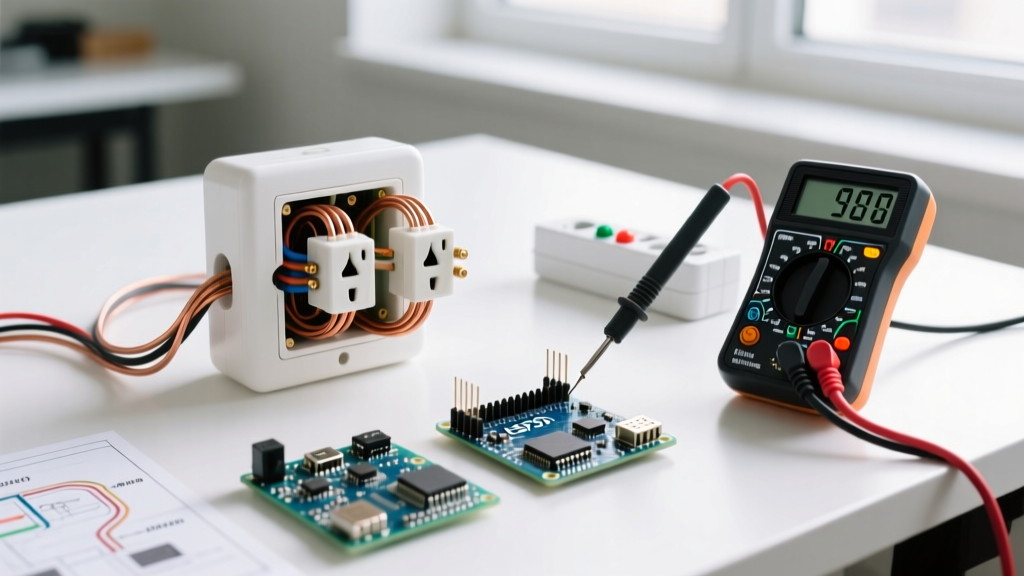
- Digital multimeter for verifying polarity
- Wire strippers with a 12mm gauge guide
- Phillips #2 screwdriver with an insulated handle
Step-by-Step Installation Guide
Follow this sequential workflow to install your electrical outlet in Thailand safely and efficiently.
Step 1: Isolate and Verify the Circuit
- Locate your home's consumer unit (distribution board).
- Switch off the specific MCB controlling the room's receptacle circuit. If unsure, turn off the Main Switch.
- Remove the faceplate of the existing outlet using a flathead screwdriver.
- Insert your non-contact voltage tester into the wire terminals. The tester must remain completely silent and unlit. Double-check with a multimeter set to AC Voltage (V~) across the Live and Neutral terminals to confirm a 0V reading.
Step 2: Prepare the Wires
Proper wire preparation is critical to prevent loose connections, which cause high-resistance heating and fires.
- Inspect the existing 2.5 sq.mm copper wires for corrosion or heat damage. If the insulation is melted back more than 2mm, snip the wire back to clean copper.
- Using your wire strippers, strip exactly 12mm of insulation from the Brown (Live), Blue (Neutral), and Green/Yellow (Earth) wires. Most premium Thai sockets feature a 12mm strip gauge molded into the back of the polycarbonate housing.
- Ensure no bare copper is exposed outside the terminal block once inserted. Exposed copper is a severe shock hazard.
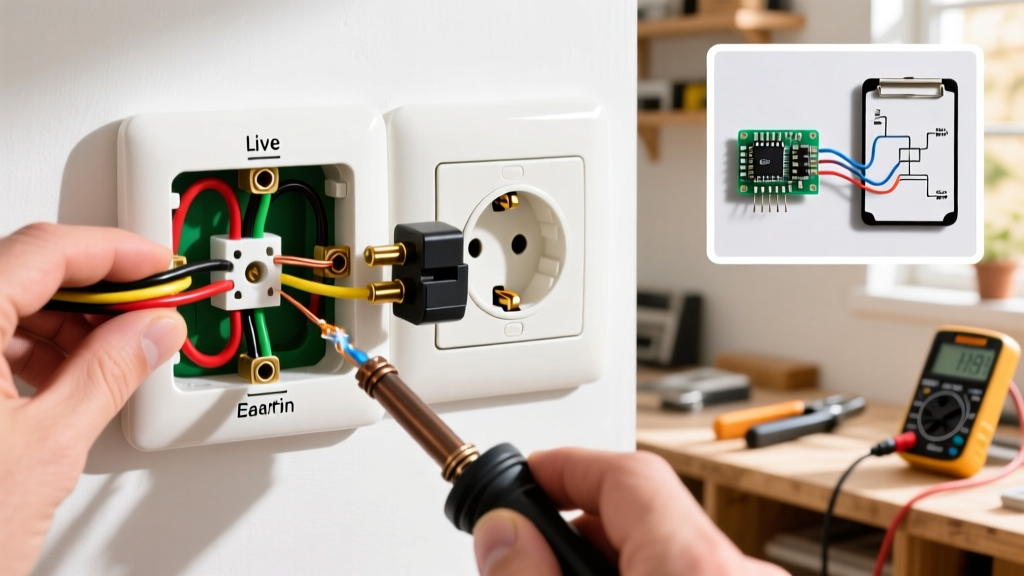
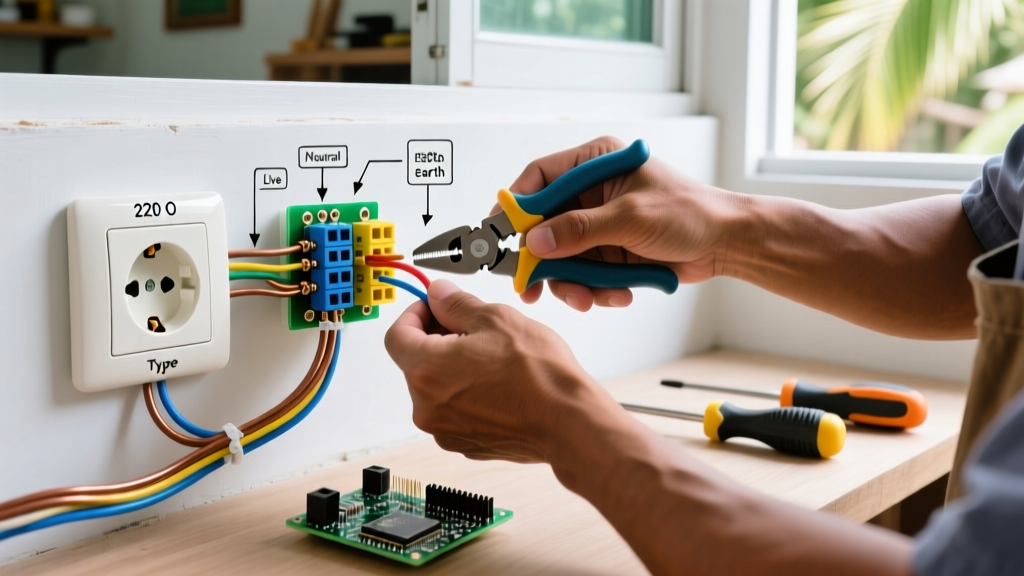
Step 3: Terminate the Connections
Thai Type O sockets follow a strict terminal layout. Miswiring can result in reversed polarity, leaving appliance switches on the neutral side and creating a shock hazard even when a device is turned 'off'.
- Earth (E): Insert the Green/Yellow wire into the center top terminal marked 'E' or with the earth symbol (⏚). Tighten the screw firmly. The earth pin on a Type O socket is slightly longer to ensure it makes contact first upon plug insertion.
- Live (L): Insert the Brown wire into the terminal marked 'L' (usually on the right side when facing the front of the socket).
- Neutral (N): Insert the Blue wire into the terminal marked 'N' (usually on the left side).
- Give each wire a gentle, firm tug (approx. 2-3 kg of force) to ensure it is securely clamped by the terminal screw.
Step 4: Mounting and Final Testing
- Carefully fold the wires into the backbox. Do not pinch the insulation between the metal mounting yoke and the wall box.
- Secure the socket to the wall box using the provided M4 mounting screws. Use a spirit level to ensure the faceplate is perfectly horizontal.
- Restore power at the consumer unit.
- Use a receptacle tester (adapted for Type O) or a multimeter to verify 220V between L and N, 220V between L and E, and 0V between N and E.
Common Beginner Mistakes in Thailand
When wiring an electrical outlet in Thailand, avoid these frequent, code-violating errors:
- Using US Color Codes: If you are reading a US-based tutorial, remember that Black is NOT Live in Thailand (Brown is), and White is NOT Neutral (Blue is). Applying US logic to Thai wires will result in a dead short or an electrified chassis.
- Overlooking the Earth Pin: Some older Thai homes lack an earth wire in the wall cavity. Beginners often just cap the earth terminal and install a 3-pin socket anyway. This is highly dangerous. If no earth is present, you must either run a new earth wire back to the distribution board's earth bar or install a 2-pin Type C socket (though upgrading the earth is the only code-compliant 2026 solution).
- Undersized Wiring: Using 1.5 sq.mm wire on a 20A MCB circuit. The wire will melt before the breaker trips. Always match 2.5 sq.mm wire to 16A/20A socket circuits.
Frequently Asked Questions (FAQ)
Can I install a US 120V outlet in my Thai home?
No. Plugging a 120V US appliance into a standard 220V Thai outlet will instantly destroy the appliance and may cause a fire. If you need to run 120V equipment, you must install a dedicated step-down transformer (220V to 110V) and use a distinctly different, non-standard receptacle (like a NEMA 5-15R) wired exclusively to the transformer's secondary side to prevent accidental plugging.
Are 'Universal' sockets legal in Thailand?
As of recent TISI updates, multi-standard 'universal' sockets that accept US, UK, and EU plugs simultaneously are largely non-compliant for new residential installations. They lack the specific internal shutter mechanisms required by TIS 166-2549 for child safety and often fail to maintain adequate contact pressure on the unique Type O earth pin. Always stick to dedicated Type O receptacles.
Why does my Safe-T-Cut (RCBO) keep tripping after I installed a new outlet?
A tripping RCBO (typically rated at 30mA leakage) immediately after installation indicates a ground fault. The most common cause is a pinched Blue (Neutral) wire touching the Earth wire or the metal backbox behind the socket. Turn off the power, remove the faceplate, and inspect the wire routing for damaged insulation.
Conclusion
Installing an electrical outlet in Thailand requires respect for the 220V grid and strict adherence to local TIS color codes and Type O standards. By selecting high-quality components like Panasonic or Schneider Electric receptacles, using the correct 2.5 sq.mm wire gauge, and rigorously testing your connections, you ensure a safe, durable, and code-compliant electrical system. For further consumer electrical safety tips and fire prevention strategies, review the resources provided by the National Fire Protection Association (NFPA).