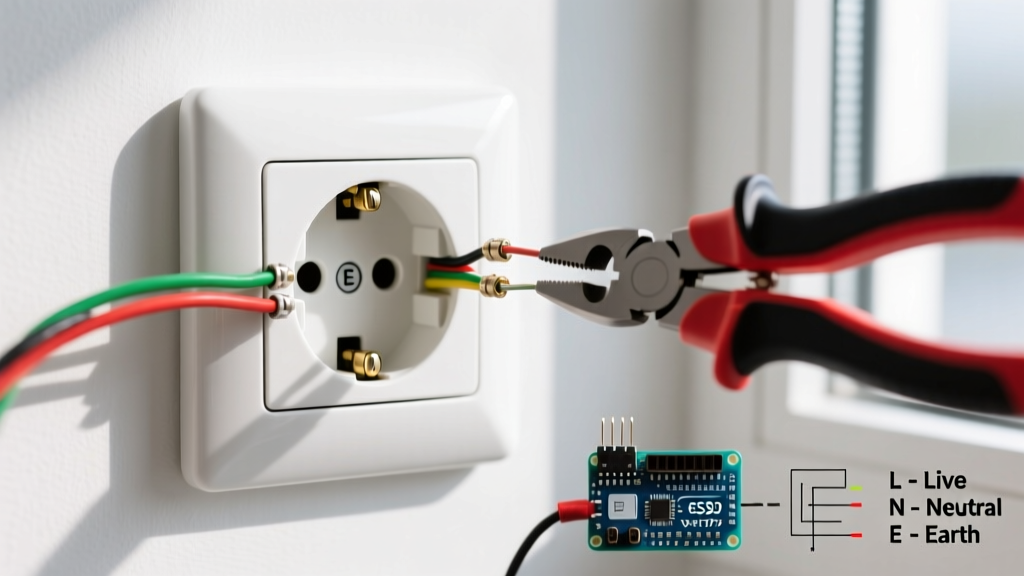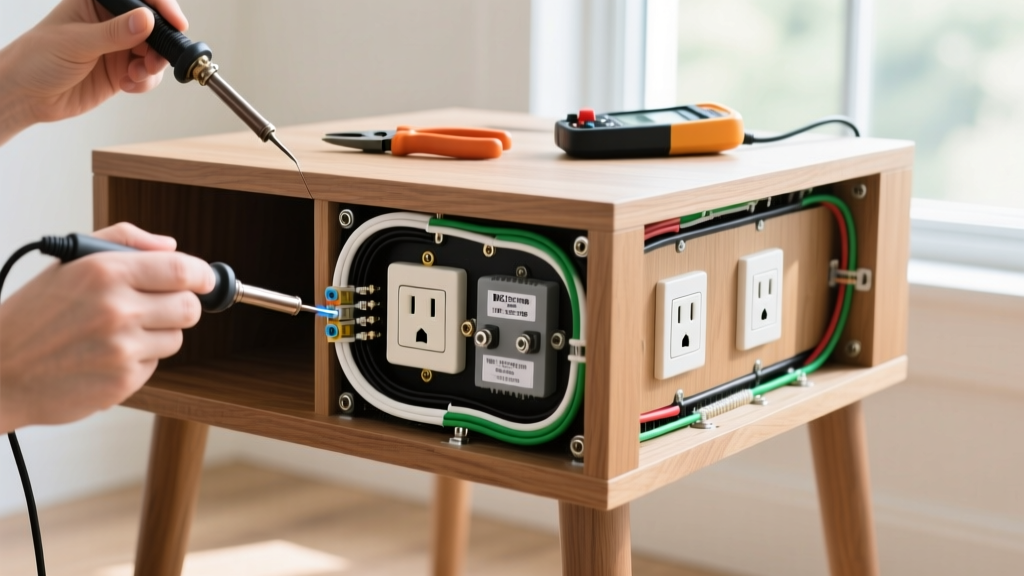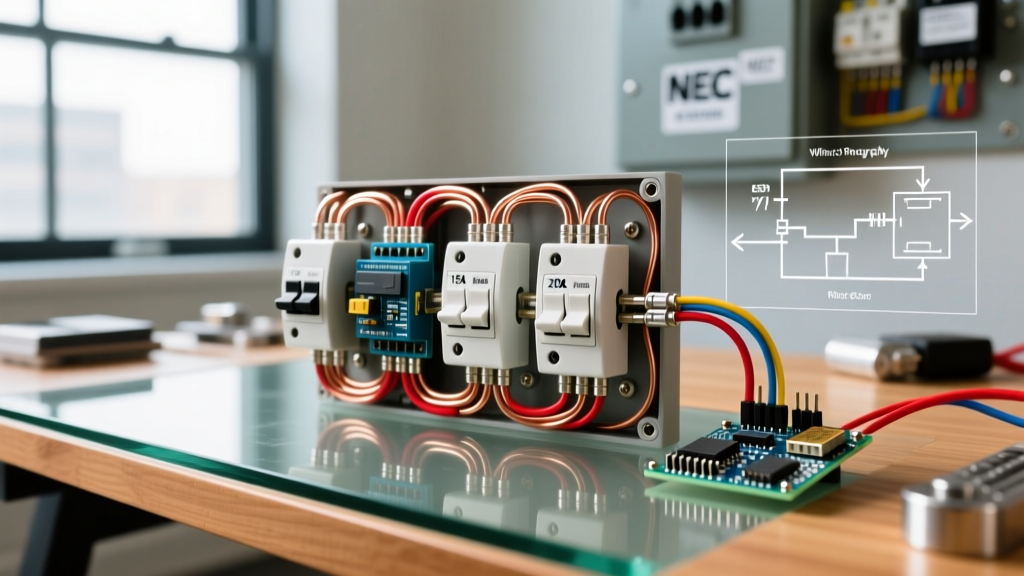

Understanding Standard Electrical Outlet Amps for Modern Homes
As household power demands increase with high-wattage appliances, advanced power tools, and extensive electronics setups, evaluating your standard electrical outlet amps is a critical step in any home upgrade. Most residential buildings in North America rely on two primary receptacle ratings: 15-amp and 20-amp circuits. While they may look similar at a glance, confusing the two or improperly upgrading them can lead to tripped breakers, melted wire insulation, or severe fire hazards.
This comprehensive upgrade and replacement guide breaks down the technical specifications, National Electrical Code (NEC) requirements, and practical installation steps for swapping out outdated receptacles. Whether you are renovating a kitchen, upgrading a garage workshop, or simply replacing worn-out 15A duplex outlets, understanding the exact amperage limits and wire gauge requirements is non-negotiable for safety and compliance.
The Core Differences: 15-Amp vs. 20-Amp Receptacles
The physical design of a receptacle dictates its NEMA (National Electrical Manufacturers Association) configuration, which directly correlates to its amperage rating. Recognizing these visual cues is the first step in any replacement project.
15-Amp Outlets (NEMA 5-15R)
The standard 15-amp outlet features two parallel vertical slots (one slightly longer for the neutral) and a rounded grounding hole. These are designed to handle up to 1,800 watts on a 120-volt circuit and are typically wired with 14 AWG copper wire protected by a 15-amp breaker. They are the default choice for general living areas, bedrooms, and hallways where heavy continuous loads are not expected.
20-Amp Outlets (NEMA 5-20R)
A 20-amp outlet is easily identifiable by its T-shaped neutral slot. This design allows it to accept both standard 15-amp plugs and specialized 20-amp plugs (which have a horizontal neutral blade). These receptacles handle up to 2,400 watts and must be wired with a minimum of 12 AWG copper wire on a 20-amp breaker. They are mandated in specific high-demand areas like kitchens and garages.
| Feature | 15-Amp Receptacle (NEMA 5-15R) | 20-Amp Receptacle (NEMA 5-20R) |
|---|---|---|
| Max Continuous Load (120V) | 1,440 Watts (80% rule) | 1,920 Watts (80% rule) |
| Required Wire Gauge | 14 AWG or 12 AWG Copper | 12 AWG or 10 AWG Copper |
| Breaker Size | 15 Amp | 20 Amp |
| Neutral Slot Shape | Vertical Parallel | T-Shaped |
| Average Retail Cost (2026) | $1.50 - $4.00 | $3.50 - $8.50 |
NEC Code Compliance for Outlet Upgrades
When upgrading standard electrical outlet amps, strict adherence to the National Fire Protection Association (NFPA) guidelines, specifically NEC Article 210, is required. The most common code violation during DIY replacements involves mismatching the receptacle rating with the circuit breaker and wire gauge.
CRITICAL NEC RULE (210.21(B)(3)): You are legally permitted to install 15-amp receptacles on a 20-amp circuit, provided there is more than one receptacle on the circuit. However, you must NEVER install a 20-amp receptacle on a 15-amp circuit. Doing so tricks users into plugging in 20-amp appliances, which can overheat the 14 AWG wiring and cause an electrical fire before the 15-amp breaker trips.
Furthermore, NEC Article 210.52(B) mandates that kitchen small-appliance branch circuits must be rated at 20 amps. While you can use standard 15A duplex receptacles on these 20A kitchen circuits, upgrading to 20A NEMA 5-20R receptacles provides a physical visual indicator of the circuit's capacity and accommodates heavy-duty commercial mixers or high-draw countertop appliances.
When to Upgrade Your Standard Electrical Outlet Amps
Deciding to upgrade from 15A to 20A infrastructure is not just about swapping the plastic faceplate; it requires verifying the wiring inside the wall and upgrading the breaker at the main panel. Here are the primary scenarios that justify the expense and labor of a full 20-amp upgrade:
- Garage and Workshop Circuits: If you frequently use high-draw power tools (table saws, large air compressors, or dust collectors), a 15A circuit will nuisance-trip constantly. Upgrading to 12 AWG wire, a 20A breaker, and NEMA 5-20R receptacles is essential.
- Kitchen Countertops: Modern kitchens often feature multiple high-wattage appliances running simultaneously (e.g., an air fryer and a high-end espresso machine). While 15A receptacles are code-compliant on 20A circuits, installing 20A T-slot receptacles prevents accidental overloading by dedicated appliance cords.
- Home Office Tech Setups: Extensive server racks, multiple high-end gaming PCs, and laser printers can easily exceed the 1,440-watt continuous limit of a 15A circuit. A dedicated 20A circuit upgrade ensures uninterrupted power.
- Outdoor and Patio Areas: If you use electric patio heaters, heavy-duty pressure washers, or RV charging adapters, upgrading outdoor GFCI receptacles to 20-amp ratings provides necessary headroom.
Step-by-Step Replacement Guide: Swapping 15A for 20A
According to safety data from the Electrical Safety Foundation International (ESFI), electrical receptacles are involved in thousands of home fires annually, often due to improper DIY upgrades. Follow this precise workflow to safely upgrade your standard electrical outlet amps.
Phase 1: Verification and Preparation
- Kill the Power: Turn off the corresponding breaker at the main panel. Use a non-contact voltage tester (NCVT) and a multimeter to confirm zero voltage at the receptacle.
- Remove and Inspect: Unscrew the faceplate and extract the existing 15A receptacle. Examine the Romex (NM-B) cable entering the box.
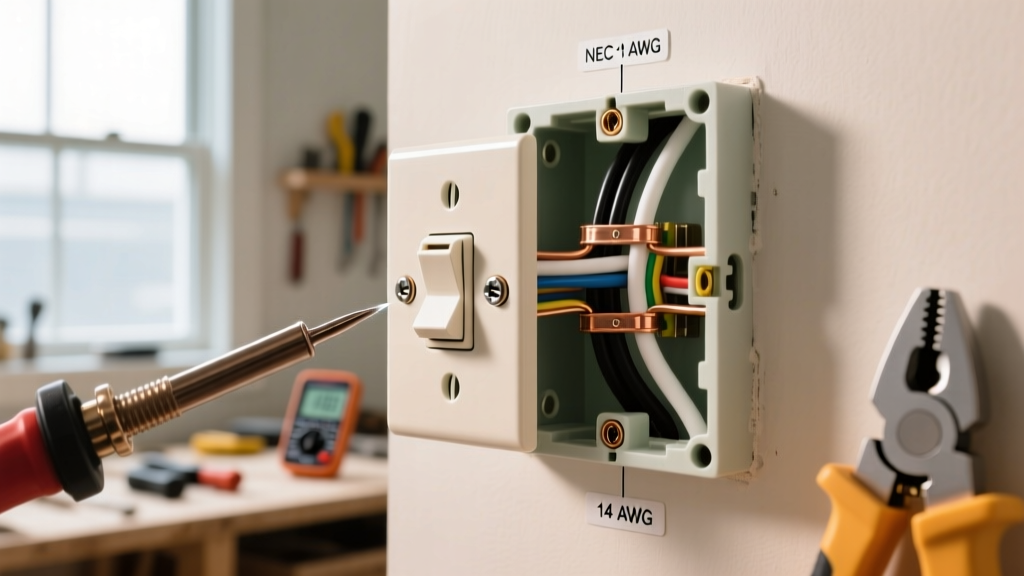
- Check Wire Gauge: This is the most critical step. Look at the copper conductors. If the wire is 14 AWG (typically indicated by a white outer jacket on the Romex), you cannot upgrade to a 20A receptacle. You must pull new 12 AWG wire (yellow jacket) from the panel to the box. If it is already 12 AWG, proceed to the breaker panel to ensure it is on a 20A breaker.
Phase 2: Installation of the 20A Receptacle
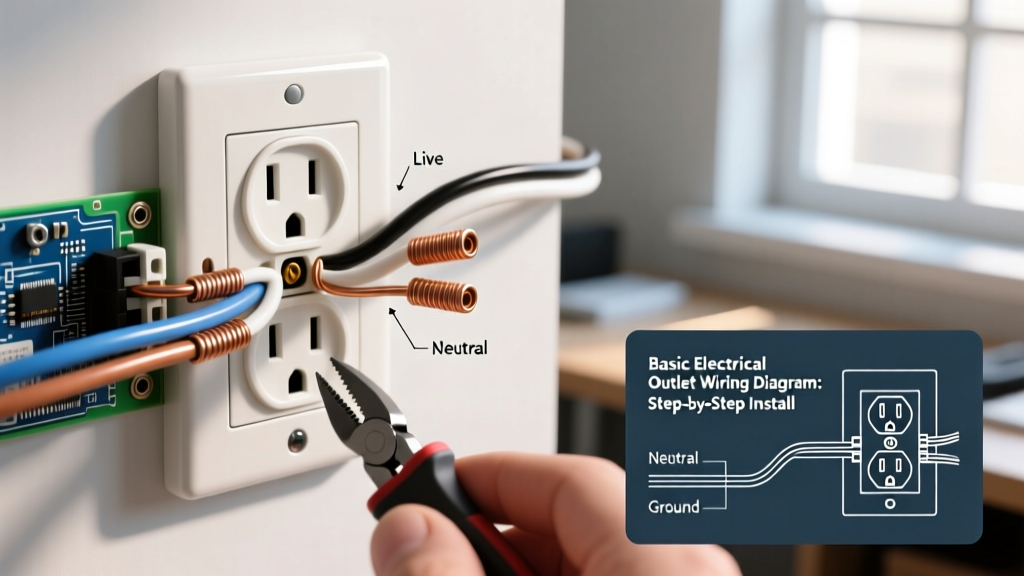
- Prepare the Conductors: Strip exactly 3/4 inch of insulation from the 12 AWG black (hot), white (neutral), and bare (ground) wires using precision wire strippers to avoid nicking the copper.
- Make the Connections: For 20-amp circuits, the NEC strongly recommends using the screw terminals rather than push-in backstab connections, which can overheat under heavy loads. Wrap the wire clockwise around the brass (hot) and silver (neutral) screws, and tighten to 14 inch-pounds of torque.
- Secure the Ground: Attach the bare copper wire to the green grounding screw. If using a metal electrical box, you must also run a pigtail ground wire from the box to the receptacle.
- Test and Close: Push the wires neatly into the back of the box using a side-to-side folding technique to avoid pinching. Secure the receptacle, install the cover plate, and restore power to test with a receptacle tester.
Recommended Receptacle Models for Upgrades
When upgrading standard electrical outlet amps, investing in commercial-grade or spec-grade receptacles ensures long-term durability, especially for 20A circuits handling heavy loads.
Leviton 5366-W (20-Amp Duplex)
The Leviton 5366-W is a spec-grade NEMA 5-20R receptacle featuring a thermoplastic construction that resists impact and heat. It includes auto-ground clips for metal boxes and a shallow profile that makes folding 12 AWG wires into standard gang boxes significantly easier. Priced around $5.50, it is the gold standard for residential kitchen and garage upgrades.
Hubbell HBL5362 (15-Amp Heavy Duty)
If your circuit is 20A but you prefer the standard 15A NEMA 5-15R face configuration (which is code-compliant), the Hubbell HBL5362 is a premium choice. Built with high-impact nylon and featuring oversized brass contacts, it prevents the internal contact loosening that plagues cheaper $1.00 builder-grade receptacles. It retails for approximately $6.00 and is ideal for high-traffic home office circuits.
Frequently Asked Questions
Can I plug a 15-amp appliance into a 20-amp outlet?
Yes. The T-shaped neutral slot on a 20-amp NEMA 5-20R receptacle is specifically designed to accept both 20-amp plugs and standard 15-amp plugs. This backward compatibility is why the NEC allows 15A devices to operate safely on 20A circuits.
Is it safe to replace a 15-amp breaker with a 20-amp breaker without changing the wire?
Absolutely not. This is one of the most dangerous electrical modifications a homeowner can make. If you install a 20-amp breaker on 14 AWG wire, the wire will overheat and potentially catch fire inside the walls long before the 20-amp breaker detects an overload and trips. The breaker size must always match or be lower than the wire's ampacity rating.
Do I need a GFCI when upgrading outlet amps in a garage?
Yes. Current NEC guidelines require Ground Fault Circuit Interrupter (GFCI) protection for all 125-volt, single-phase, 15- and 20-amp receptacles installed in garages, unfinished basements, and outdoor locations. When upgrading to a 20A circuit in these areas, you must use a 20A GFCI receptacle (like the Leviton GFTNL-W) or protect the circuit with a 20A GFCI breaker at the panel.
Upgrading your standard electrical outlet amps is a highly effective way to future-proof your home's electrical infrastructure. By strictly adhering to wire gauge requirements, utilizing high-quality spec-grade components, and respecting NEC boundaries, you ensure a safe, high-capacity power delivery system capable of handling modern electrical demands.