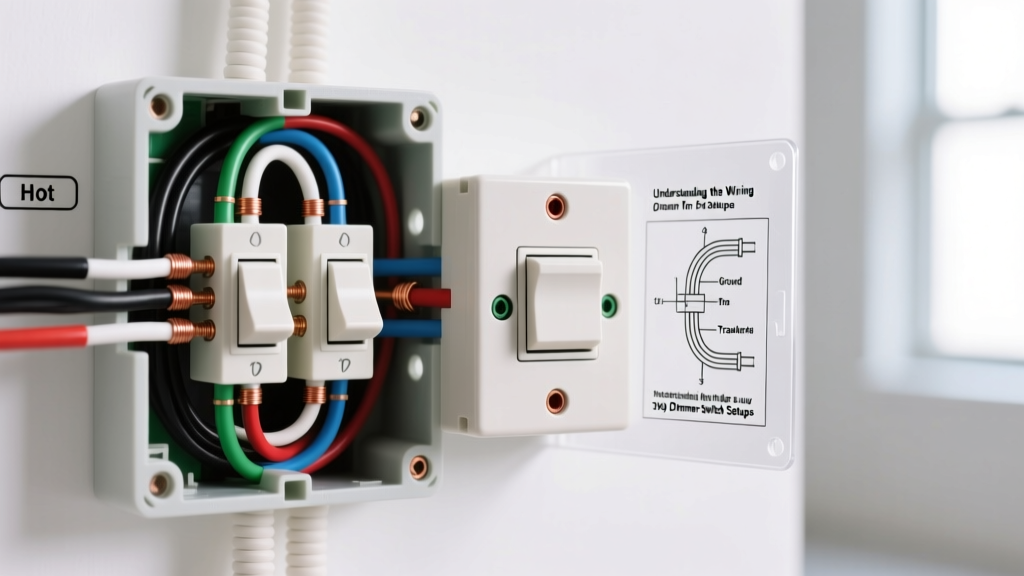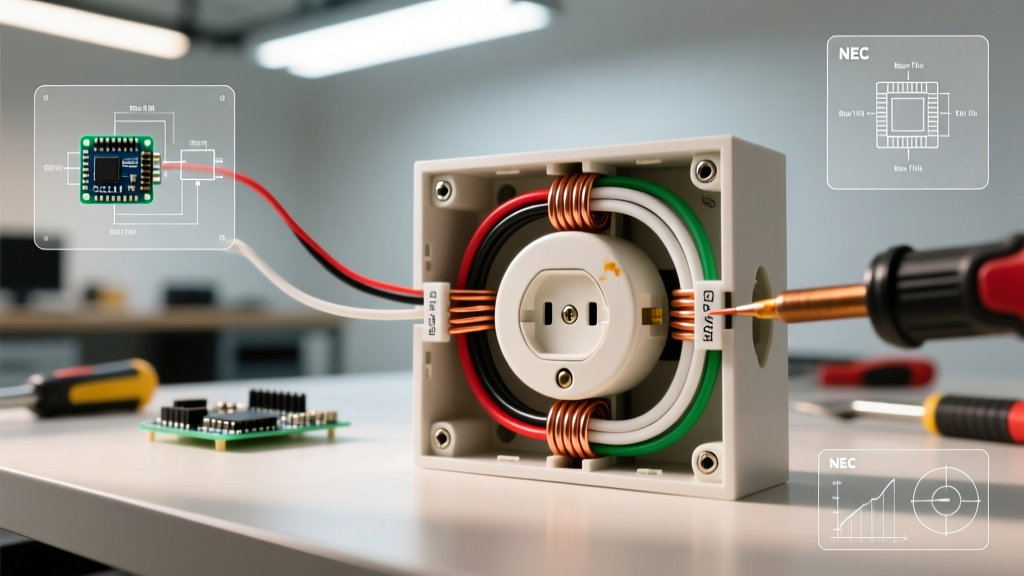

Understanding the Single Round Electrical Outlet
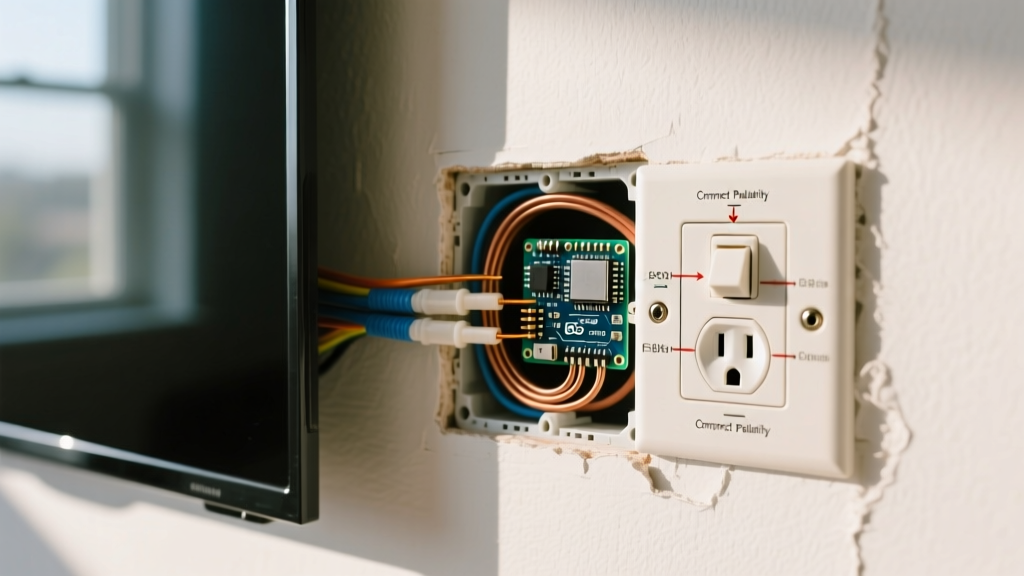
When residential wiring plans call for a single round electrical outlet, the application almost always falls into two specific categories: a recessed round floor receptacle used in open-concept living spaces, or a round pan box installation on a wall or ceiling. Unlike standard rectangular duplex setups, round configurations demand precise box fill calculations, specialized housing, and careful mechanical termination to withstand unique physical stresses.
In this comprehensive 2026 guide, we break down the exact wiring scenarios, National Electrical Code (NEC) requirements, and step-by-step installation procedures for both floor and pan box round outlets. Whether you are powering a floating sofa setup or installing a specialized appliance receptacle in a round ceiling box, the fundamentals of safe termination remain paramount.
⚠️ Critical Safety & Code Warning
Before opening any panel, verify the circuit is de-energized using a non-contact voltage tester and a multimeter. According to the NFPA 70 National Electrical Code (NEC), all floor receptacles must be listed for the specific floor box assembly used. You cannot legally or safely install a standard wall receptacle into a round floor box without an approved adapter ring.
Scenario A: The Round Floor Receptacle (Living Spaces)
Round floor outlets are the gold standard for living rooms and home offices where furniture floats in the center of the room. The circular profile allows for specialized brass or polycarbonate covers that sit flush with hardwood or carpet, preventing trip hazards and dust ingress.
2026 Material & Cost Breakdown
Prices reflect average retail costs for premium, UL-listed components as of early 2026. Do not compromise on the housing; cheap floor boxes crack under foot traffic.
| Component | Model / Brand Example | Est. Cost (2026) | Purpose |
|---|---|---|---|
| Non-Metallic Round Floor Box | Carlon E971S-F | $28.00 - $34.00 | Wood subfloor housing (15 cu in) |
| Brass Flush Cover Assembly | Thomas & Betts 6238 | $74.00 - $89.00 | Heavy-duty hardwood flush cover |
| 15A Duplex Receptacle | Leviton 5262-SW (Commercial Spec) | $4.50 - $6.00 | Internal termination device |
| Concrete Slab Round Box | Arlington DVFR1 | $42.00 - $48.00 | Pre-pour concrete housing |
Step-by-Step Wood Subfloor Installation
- Locate and Cut: Identify a joist bay free of HVAC or plumbing. Use a 4-inch hole saw attached to a heavy-duty drill to cut through the subfloor. Ensure the cut is perfectly plumb; an angled cut will prevent the round cover from seating flush.
- Box Placement: Insert the Carlon E971S-F box into the hole. The adjustable brackets should rest securely on the subfloor. Secure the brackets using 1.5-inch wood screws.
- Cable Entry & Clamping: Feed 12/2 or 14/2 NM-B cable into the integrated cable clamps. Tighten the clamp screws until the cable sheath is firmly gripped, ensuring no more than 1/4 inch of the outer jacket enters the box.
- Wire Prep: Strip exactly 3/4 inch of insulation from the black, white, and bare copper wires. Do not nick the copper conductor, which creates a high-resistance hot spot.
Scenario B: Round Pan Box Wall & Ceiling Outlets
Occasionally, a single round electrical outlet is required in a 4-inch round pan box (often used for wall sconces or ceiling-mounted appliances). Because a standard rectangular receptacle yoke will not mount directly to a round pan box, you must use a single-gang mud ring adapter or a round-to-rectangular cover plate.
NEC Box Fill Calculations for Round Pans
Box fill is where most DIYers fail when wiring round outlets. Under NEC Article 314.16, every component inside the box consumes cubic inch capacity. For a standard 15A circuit using 14 AWG wire (2.0 cubic inches per wire allowance):
- Hot (Black): 2.0 cu in
- Neutral (White): 2.0 cu in
- Ground (Bare): 1.0 cu in (all grounds count as one allowance)
- Receptacle Device: 4.0 cu in (counts as two wire allowances)
- Total Minimum Required: 9.0 cubic inches.
A standard 4-inch round pan box is only 0.5 inches deep, yielding roughly 6 to 7 cubic inches of volume. This is a code violation if you stuff a receptacle inside it. You must use a 4-inch round box that is at least 1.5 inches deep (yielding ~14 cu in) or use an extension ring to legally house a single round electrical outlet receptacle.
Critical Termination: Torque and Side-Wiring
The physical orientation of a round outlet—especially in floor applications—subjects the terminal screws to vibration and mechanical shock. Relying on push-in 'backstab' connections is a guaranteed path to failure.
Expert Directive: Never use the push-in backstab holes on a 15A or 20A receptacle for floor applications. The internal spring contacts loosen over time due to the micro-vibrations of foot traffic, leading to high-resistance arcing. Always use the side-wiring terminal screws or the screw-to-clamp plate mechanism found on commercial-grade receptacles like the Hubbell 5262.
Torque Screwdriver Specifications
As of the 2023 NEC (widely adopted and enforced through 2026), terminal screws must be tightened to the manufacturer's specified torque. For standard Leviton and Hubbell 15A/20A receptacles, the target torque is typically 14 in-lbs (inch-pounds). Use a calibrated VDE-insulated torque screwdriver. Under-tightening causes thermal expansion loosening; over-tightening strips the brass threads or shears the wire.
Troubleshooting Common Round Outlet Failures
If your newly wired single round electrical outlet is failing or tripping upstream breakers, check these specific edge cases:
1. GFCI Nuisance Tripping in Floor Boxes
If your round floor outlet is fed from an upstream GFCI and trips randomly, moisture is the usual culprit. Even in dry climates, floor mopping introduces water vapor into the subfloor cavity. Ensure the floor box housing has a watertight seal ring and that the internal receptacle is wrapped in high-quality electrical tape or enclosed in a listed device wrap to prevent condensation shorts against the metal box.
2. Loose Neutral in Pan Box Adapters
When using a round-to-rectangular adapter plate on a ceiling pan box, the yoke of the receptacle often lacks rigid support. When a heavy appliance plug is pulled downward, the entire receptacle shifts, stressing the neutral terminal. Always install a device support bracket behind the adapter plate to transfer the mechanical load to the drywall or joist, rather than the terminal screws.
Frequently Asked Questions
Can I install a single round electrical outlet in a concrete slab?
Yes, but it must be planned before the pour. You will need a concrete-tight round floor box (like the Arlington DVFR1) with specialized conduit stub-ups. Retrofitting a round floor box into cured concrete requires a core drill and is generally cost-prohibitive for standard residential DIY.
Are round floor outlets required to be GFCI protected?
According to OSHA electrical safety guidelines and NEC Article 210.8, GFCI protection is mandated based on location, not shape. If the round floor outlet is installed in a kitchen, bathroom, crawlspace, or within 6 feet of a wet bar sink, it must be GFCI protected. In a standard living room, standard overcurrent protection is sufficient.
What wire gauge should I use for a 20A round outlet?
If you are installing a 20A rated round outlet (identified by the T-slot neutral prong), you must use 12 AWG copper wire (12/2 NM-B) and a 20A circuit breaker. Never use 14 AWG wire on a 20A breaker, as this creates a severe fire hazard by allowing the wire to overheat before the breaker trips.