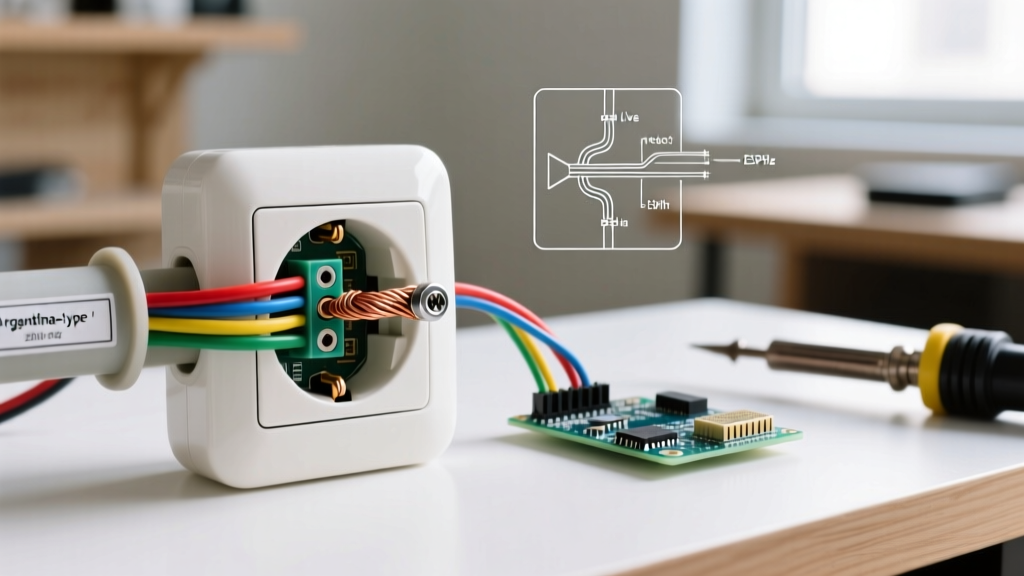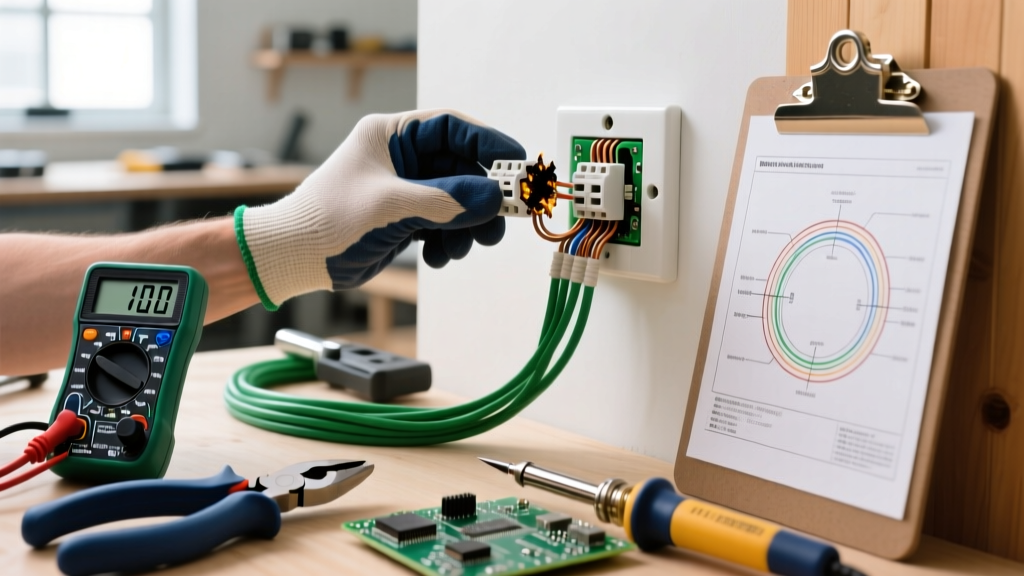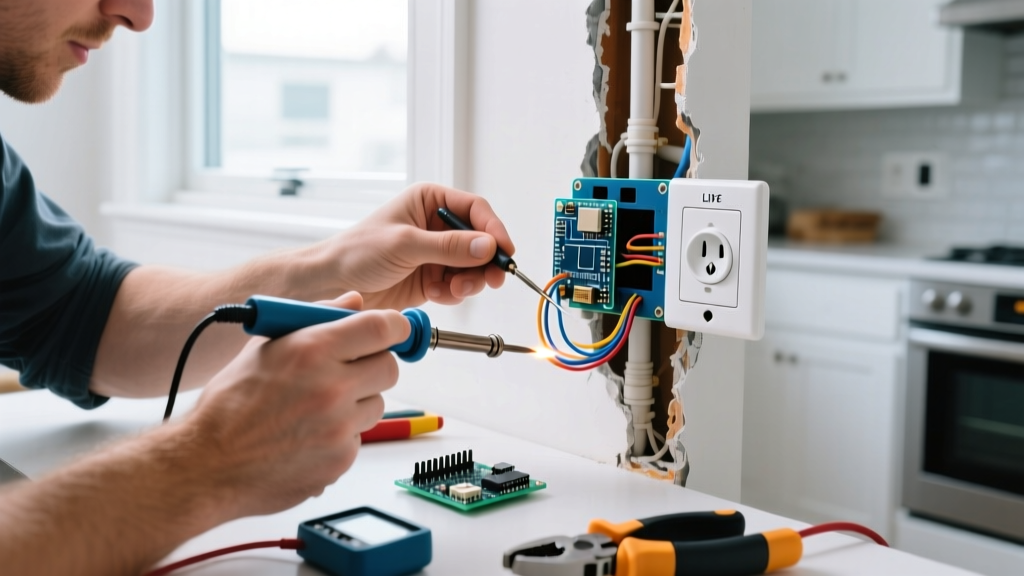

The House Flipper's Electrical Dilemma: Margins vs. Code
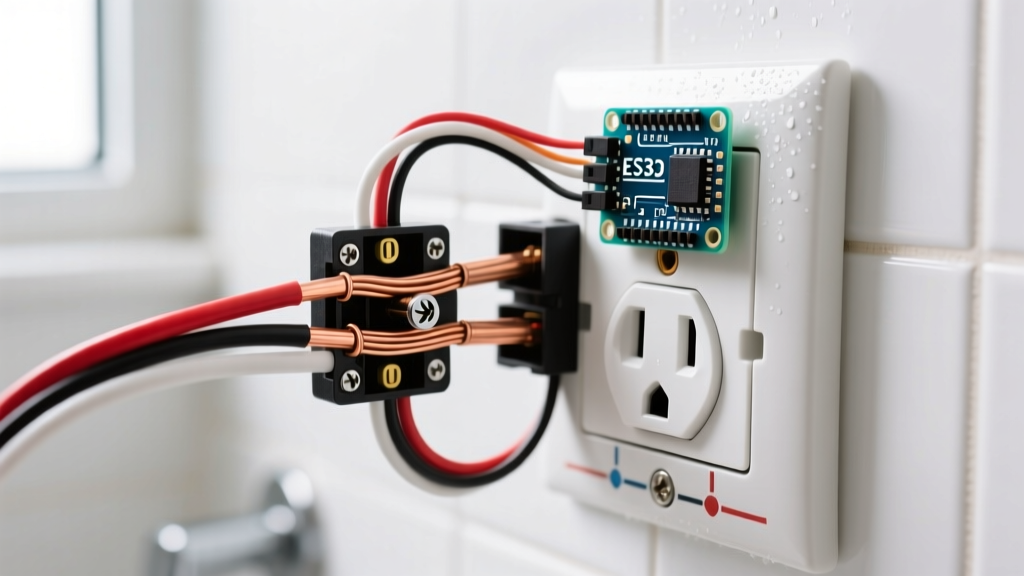
When learning how to repair an electrical outlet as a house flipper, the temptation to prioritize speed and low costs over strict code compliance is high. However, electrical systems are the most heavily scrutinized components during a municipal property inspection. A single failed receptacle test can halt your closing timeline, trigger a full-panel inspection, and erase thousands of dollars in profit margins. In 2026, with municipalities aggressively adopting the latest National Electrical Code (NEC) standards, 'quick fixes' like bootleg grounds or push-in backstabbing are immediate red flags for modern AFCI/GFCI testers.
This guide provides a deep-dive, code-compliant methodology for repairing, upgrading, and replacing electrical receptacles in residential flip projects, ensuring you pass inspection on the first attempt while maintaining strict safety standards.
The 'Quick Fix' Traps That Fail Inspections
Before picking up a screwdriver, you must understand the common shortcuts that amateur flippers use—and why municipal inspectors instantly fail them.
- Bootleg Grounds: This illegal workaround involves installing a jumper wire between the neutral (silver) screw and the ground (green) screw on a 2-prong ungrounded circuit to trick a standard 3-prong receptacle tester. While it fools a $10 tester, it creates a severe shock hazard if the neutral wire ever disconnects, energizing the appliance chassis. Inspectors use advanced solenoid testers to easily detect this.
Daisy-Chaining Through Device Screws: Running the incoming hot and neutral to the top screws, and the outgoing load to the bottom screws, breaks the circuit continuity if the receptacle is removed. NEC 300.13(B) requires the grounded (neutral) conductor to be spliced and pigtailed, ensuring downstream devices remain powered even if a receptacle fails. - Backstabbing (Push-In Connectors): Using the quick-wire holes on the back of a $1.50 builder-grade receptacle. Under heavy loads (like space heaters or microwaves), the internal spring clips loosen due to thermal expansion, causing arcing, melted plastic, and potential fires.
NEC 2026 Code Compliance for Outlet Replacements
According to the National Fire Protection Association (NFPA), when you replace a receptacle in an existing home, you are not always required to rewire the entire house. However, specific NEC articles dictate mandatory upgrades at the point of replacement.
The Tamper-Resistant (TR) Mandate (NEC 406.12)
As of the 2026 code cycle, all non-locking 15A and 20A, 125V and 250V receptacles installed in dwelling units must be Tamper-Resistant (TR). This applies even if you are just swapping out a single broken outlet in a 1970s flip. You must use TR-rated receptacles (e.g., Leviton T5320-W or Eaton TR270W), which feature internal shutters that only open when two prongs are inserted simultaneously. The cost difference is negligible—roughly $2.50 for a TR outlet versus $1.20 for a standard one—but the inspection penalty for non-compliance is absolute.
GFCI and AFCI Retrofit Rules (NEC 210.8 & 210.12)
When repairing outlets in specific zones, you must upgrade to Ground Fault Circuit Interrupter (GFCI) or Arc Fault Circuit Interrupter (AFCI) protection:
- GFCI (NEC 210.8): Required in kitchens, bathrooms, garages, outdoors, crawlspaces, and unfinished basements. If an existing 2-prong ungrounded outlet in these areas is replaced, it must be replaced with a GFCI receptacle (or protected by a GFCI breaker) and labeled 'No Equipment Ground'.
- AFCI (NEC 210.12): Required in bedrooms, living rooms, hallways, and closets. If you modify or extend a circuit in these areas during your flip, the entire circuit must be upgraded to AFCI protection, usually achieved by swapping the standard breaker for an AFCI breaker (e.g., Eaton BR2020AF or Square D HOM120CAFIC) costing between $35 and $55.
Inspector's Warning: Never install a 3-prong standard receptacle on an ungrounded 2-wire circuit just to make the kitchen look modern. The Electrical Safety Foundation International (ESFI) warns that ungrounded 3-prong outlets give buyers a false sense of security. Always use a GFCI and apply the included 'No Equipment Ground' sticker.
Essential Tools for the 2026 Flipper
Professionalism in a flip is demonstrated by the tools you use. Relying on a $5 multi-meter is insufficient for modern electrical diagnostics.
- Klein Tools RT212 Receptacle Tester: ($25) Tests standard wiring, GFCI trip time, and AFCI trip functionality. Essential for verifying outlet health before closing drywall.
- Wiha 64501 Torque Screwdriver: ($45) NEC 110.14(D) now strictly mandates that terminals be tightened to the manufacturer's specified torque. Most 15A receptacles require 14 in-lbs.
- Wago 221 Lever Nuts: ($0.40 each) While traditional Ideal wire nuts are code-compliant, Wago 221 connectors (rated for 12-24 AWG) provide a verifiable, maintenance-free splice that inspectors love because the wire insertion depth and stripping length are foolproof.
- Klein 11055 Wire Strippers: Prevents nicking the copper conductor, which creates a weak point prone to snapping during the fold-in.
Step-by-Step: Proper 15A Duplex Receptacle Repair
Follow this exact procedure to ensure a safe, code-compliant repair that will pass any municipal inspection.
Step 1: Kill, Lock, and Verify
Shut off the breaker and use a non-contact voltage tester (NCVT), followed by the Klein RT212 plugged into the outlet, to confirm zero voltage. In a flip environment where multiple contractors are working, use a breaker lockout tag to prevent accidental re-energization.
Step 2: Extract and Inspect the Box
Remove the old receptacle. Inspect the wire insulation. If the insulation is brittle, cracked, or crumbling (common in pre-1960s flips), you must cut back to healthy wire and use a junction box extension, or pull new NM-B (Romex) cable. Do not wrap brittle wires in electrical tape; it is a code violation and a fire hazard.
Step 3: Strip, Splice, and Pigtail
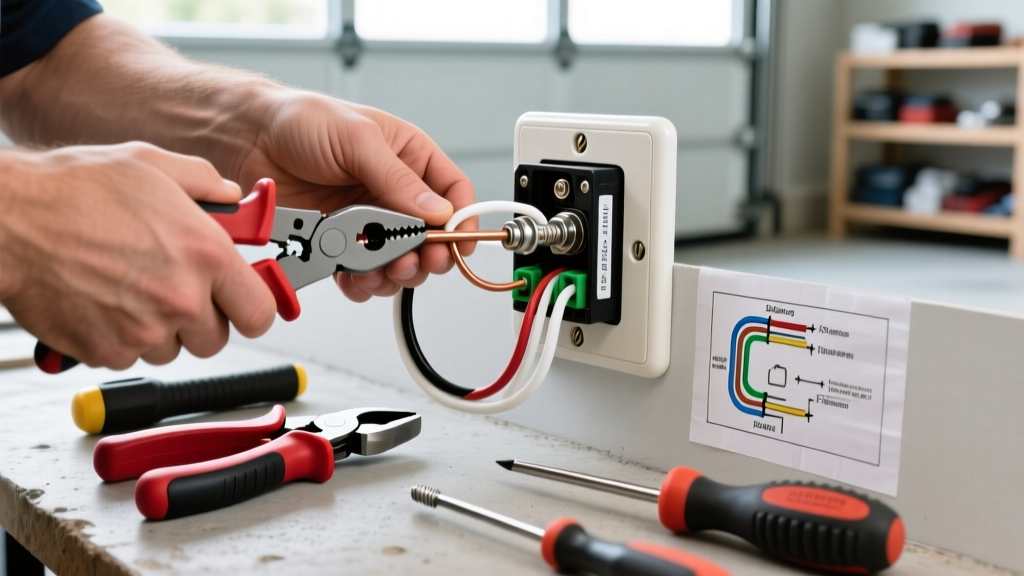
Strip exactly 3/4 inch of insulation using your Klein 11055s. If multiple cables enter the box, splice the hot wires together with a Wago 221 lever nut, adding a 6-inch black pigtail. Repeat for the neutrals (white) and grounds (bare/green). Never daisy-chain the neutrals through the receptacle screws.
Step 4: Terminate and Torque
Loop the pigtails clockwise around the brass (hot) and silver (neutral) screws. This ensures the screw pulls the loop tight as it turns. Set your Wiha torque screwdriver to 14 in-lbs (verify on the back of the specific Leviton/Eaton receptacle) and tighten until the tool clicks. This prevents loose connections that cause arc faults.
Step 5: Fold and Secure
Carefully fold the wires into the back of the box. Push the wires in first, then the receptacle. Secure the receptacle to the box using the top and bottom mounting screws, ensuring it is perfectly plumb. Attach a TR-rated cover plate.
Cost vs. Inspection Failure Matrix
Understanding the financial risk of cutting corners is crucial for house flippers. The table below illustrates the true cost of improper repairs versus doing it right the first time.
| Scenario / Issue | Proactive Code Fix Cost | Failed Inspection Penalty & Delay |
|---|---|---|
| Missing TR Receptacles in Living Room | $45 (15 outlets x $3 upgrade) | $150 Re-inspection fee + 2-week closing delay |
| Bootleg Ground in Kitchen | $35 (Install GFCI + Labeling) | $250 fine + Mandatory full kitchen circuit audit |
| Backstabbed Wires causing Arc Fault | $120 (Rewire 4 outlets with pigtails) | $1,200+ (Drywall repair, fire damage, liability) |
| Lack of AFCI in Flipped Bedroom | $50 (Swap standard breaker for AFCI) | $150 Re-inspection + Appraisal roadblock |
Edge Cases: Aluminum Wiring and K&T
Flips involving 1960s and 1970s homes often uncover aluminum branch circuit wiring. The International Association of Electrical Inspectors (IAEI) strictly prohibits connecting aluminum wire directly to standard copper-rated receptacles due to thermal expansion mismatches that cause fires.
The Compliant Fix: You cannot just use standard CO/ALR receptacles, as many jurisdictions no longer accept them for new modifications. The gold standard for flipping homes with aluminum wiring is pigtailing the aluminum wire to a short copper pigtail using AlumiConn connectors or COPALUM crimps (performed by a licensed specialist). Once pigtailed to copper, you can safely install standard TR receptacles. Budget approximately $15 to $25 per outlet for AlumiConn lug connectors and the extra labor time.
Frequently Asked Questions (FAQ)
Can I replace a 2-prong outlet with a 3-prong outlet without a ground wire?
Yes, but only under specific NEC 406.4(D) conditions. You must either install a GFCI receptacle (which provides shock protection without an equipment ground) or protect it with a GFCI breaker. You must affix the 'GFCI Protected' and 'No Equipment Ground' stickers provided in the box. Standard 3-prong outlets on ungrounded circuits are illegal and dangerous.
Do I need a permit to replace electrical outlets in a house flip?
Like-for-like replacement of existing receptacles generally does not require a permit in most municipalities. However, if you are adding new outlets, moving outlet locations, upgrading the panel, or if the local Authority Having Jurisdiction (AHJ) requires a full 'rehab permit' for the entire flip project, all electrical work will be subject to inspection. Always check with your local building department before starting demo.
Why does my new AFCI breaker trip immediately when I plug in a vacuum?
Older universal motors (found in older vacuums and power tools) generate heavy electrical arcing at the brushes during normal operation. The AFCI breaker interprets this normal operational arcing as a dangerous parallel arc fault. In a flip, ensure you are using the latest generation of AFCI breakers (2024-2026 models), which feature advanced digital signal processing to distinguish between normal motor arcing and dangerous wire-fault arcing.