
Post-Installation Verification: The Oak Creek Standard
Completing an electrical outlet installation in Oak Creek, WI is only half the battle; rigorous post-installation inspection and testing ensure the system is safe, functional, and compliant with local codes. Wisconsin enforces the National Electrical Code (NEC) through state-specific amendments outlined in the Wisconsin Administrative Code SPS 316. Whether you are upgrading a 1970s ranch near Southridge Mall, adding exterior receptacles to a new build in Drexel Town Square, or finishing a basement in Milwaukee County, skipping the testing phase can lead to failed municipal inspections, fire hazards, or equipment damage.
This 2026 inspection guide provides licensed electricians and advanced DIYers with a comprehensive, step-by-step protocol for verifying receptacle integrity, grounding efficacy, and GFCI/AFCI compliance specific to Southeastern Wisconsin's unique environmental and regulatory landscape.
Essential Diagnostic Toolkit for 2026
Before energizing the circuit, gather professional-grade testing equipment. Cheap, non-contact voltage testers and basic plug-in cube testers are insufficient for verifying torque, ground impedance, and precise trip thresholds.
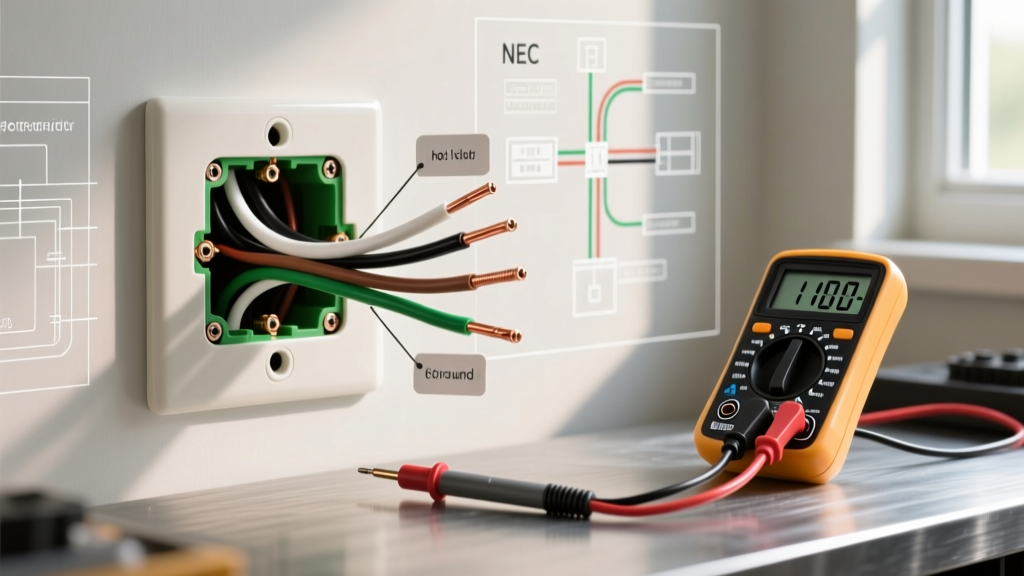
- Fluke 117 True RMS Multimeter ($180 - $210): Essential for measuring exact line-to-neutral and line-to-ground voltage, ensuring you have a solid 120V (±5%) supply without phantom voltages.
- Klein Tools RT250 GFCI Receptacle Tester ($45 - $55): Unlike standard cube testers, the RT250 displays exact ground impedance and verifies GFCI trip times without relying solely on indicator lights.
- Wiha Insulated Torque Screwdriver ($110 - $130): NEC 110.14(D) mandates specific torque values for terminal connections. Hand-tightening is no longer code-compliant for new installations.
- Amprobe AT-3500 Circuit Tracer ($350+): Useful in older Oak Creek homes where panel directories are inaccurate, allowing you to verify the exact breaker tied to the newly installed outlet.
Phase 1: Visual & Mechanical Inspection Protocol
Before turning the breaker on, conduct a thorough mechanical review of the outlet and junction box. This phase catches physical installation errors that electrical testers cannot detect.
1. Box Fill Calculation Verification
Overcrowded junction boxes cause heat buildup and insulation damage. Under NEC 314.16, you must calculate the cubic inch capacity required. For a standard 15A circuit using 14 AWG wire, each current-carrying conductor counts as 2.0 cubic inches. The receptacle device counts as two volumes (4.0 cu in), and all grounding wires combined count as one volume (2.0 cu in). If your standard single-gang box is 18 cubic inches, adding a smart plug or deep-cleat Leviton T5262 receptacle might exceed the fill capacity, requiring a deeper 22.5 cu in box.
2. Terminal Torque Application
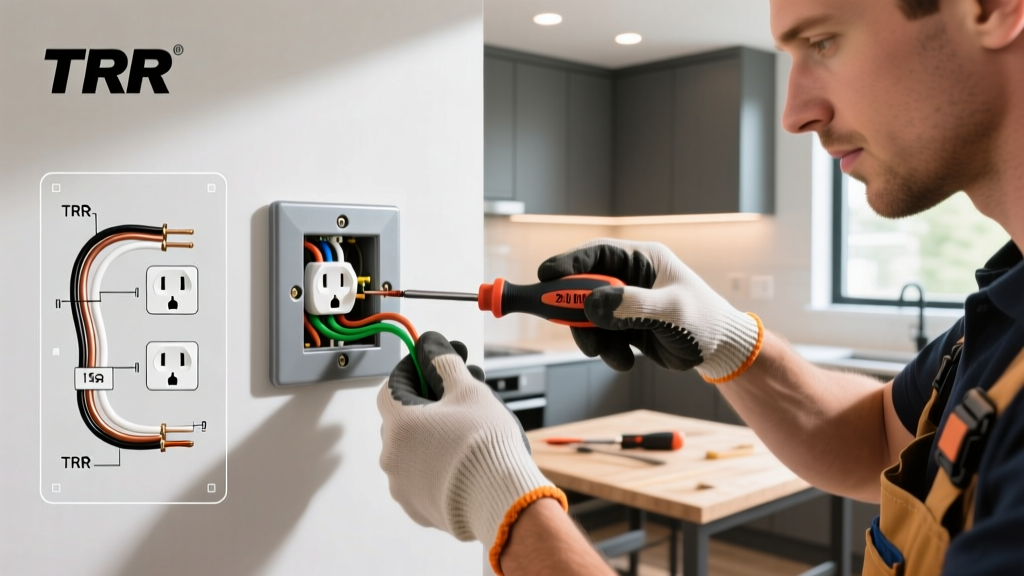
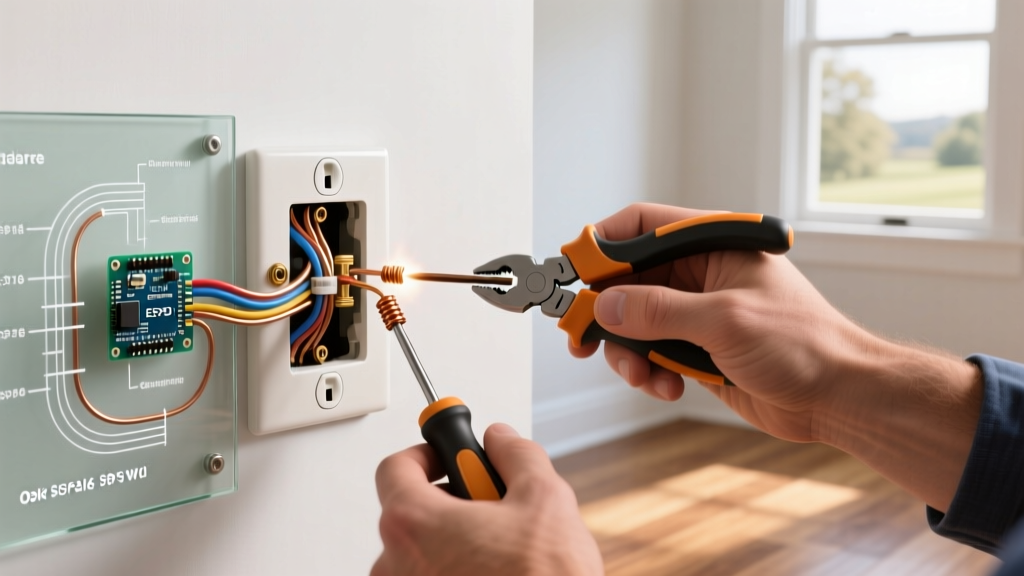
According to NEC 110.14(D), terminals must be tightened to the manufacturer's specified torque. For most standard 15A and 20A receptacles (like the Hubbell HBL5262 or Leviton T5262), the required torque for 14-12 AWG solid copper wire is 14 in-lbs. Use your calibrated Wiha torque screwdriver to verify. Loose connections cause arcing, which is a leading cause of residential electrical fires.
3. Grounding Pigtails and Yoke Contact
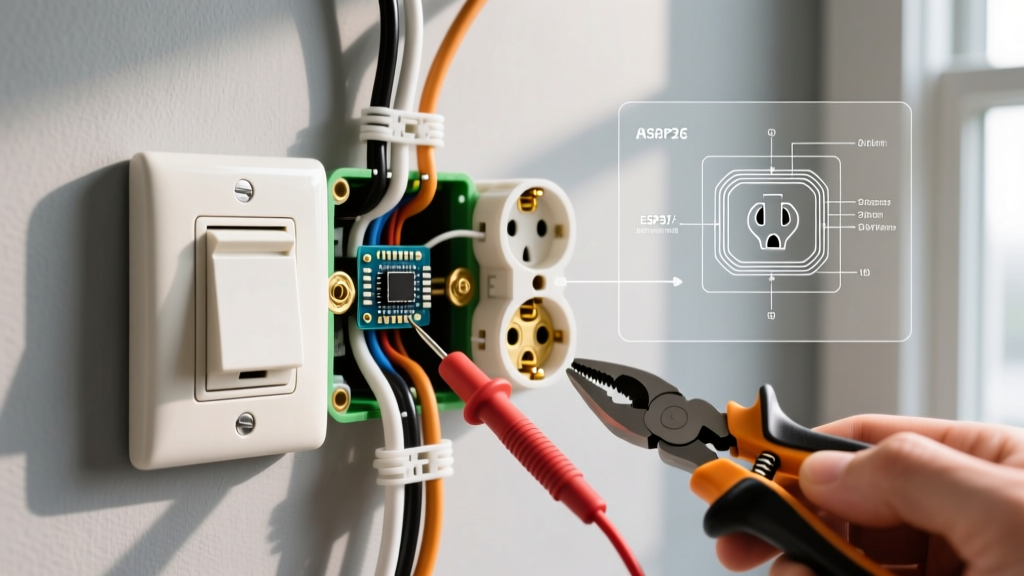
Verify that the bare copper grounding wire is securely pigtailed to the green grounding screw on the receptacle. While some metal boxes allow grounding via the mounting yoke, SPS 316 and best practices dictate a dedicated bonding jumper to ensure a continuous, low-impedance ground path back to the panel.
Phase 2: Electrical Testing & Energization
Once the mechanical inspection is complete, restore power at the panel and proceed with live electrical testing.
- Verify Voltage Stability: Insert the Fluke 117 probes into the line and neutral slots. You should read between 118V and 122V. Next, test line-to-ground. A reading significantly lower than line-to-neutral indicates a high-resistance ground or a bootleg ground.
- Polarity and Wiring Check: Use the Klein RT250 to confirm correct hot/neutral polarity. The RT250's LCD screen will explicitly flag reversed polarity or open neutrals, which are common errors in rushed DIY installations.
- Ground Impedance Measurement: The RT250 measures the impedance of the equipment grounding conductor. A reading above 2.0 ohms suggests a compromised ground path, possibly due to a loose connection in a daisy-chained upstream outlet or corrosion in the panel's ground busbar.
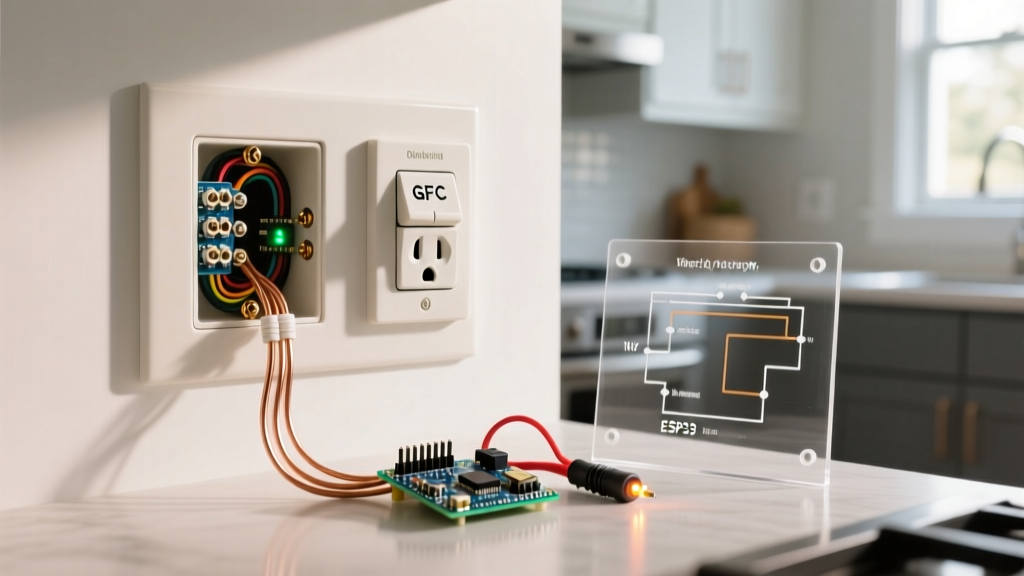
- GFCI Trip Time Testing: For kitchens, bathrooms, garages, and exterior outlets, GFCI protection is mandatory. Press the 'Test' button on the RT250. Under UL 943 standards, a Class A GFCI must trip within 25 milliseconds at a 6mA fault current. If the outlet fails to trip, or trips slower than 25ms, replace the receptacle immediately.
Expert Insight: In older Oak Creek neighborhoods, it is common to find 'bootleg grounds' where a previous owner connected the neutral and ground terminals to fake a grounded outlet. A standard 3-prong cube tester will show this as 'Correct', but the Fluke 117 will reveal zero voltage difference between neutral and ground, and an RT250 ground impedance test will fail. Always test with a multimeter.
Oak Creek Specifics: Exterior and Garage Receptacles
Southeastern Wisconsin's climate introduces unique stressors to exterior electrical outlet installations. Frost heave, heavy snow loads, and extreme temperature fluctuations require specific inspection criteria.
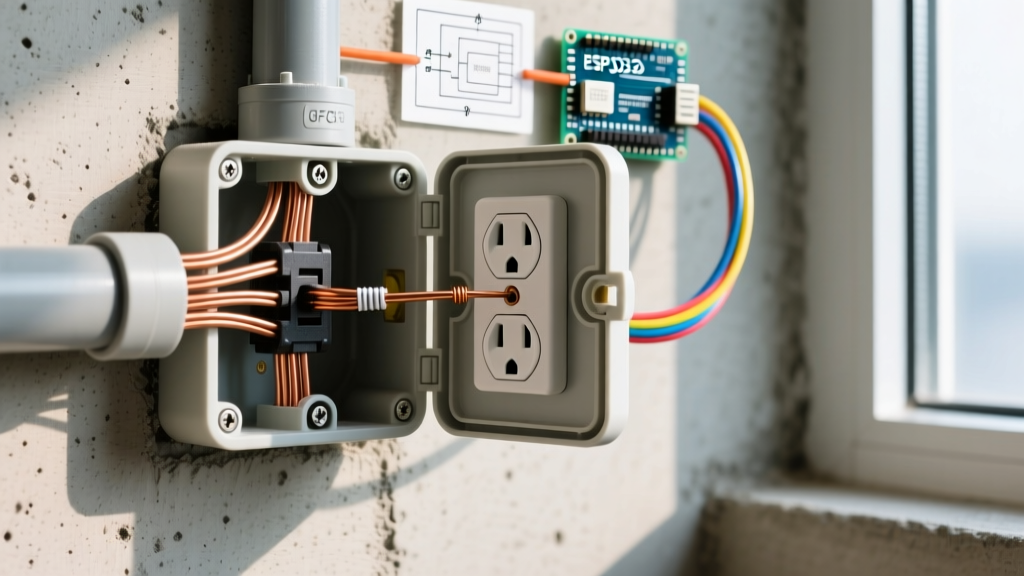
- Weather-Resistant (WR) Ratings: NEC 406.9(A) requires all 15A and 20A outdoor receptacles to be listed as Weather-Resistant (WR). Look for the 'WR' stamp on the yoke. Standard indoor receptacles will corrode rapidly in Oak Creek's humid summers and freezing winters.
- Extra-Duty In-Use Covers: NEC 406.9(B)(1) mandates that outdoor outlets in damp or wet locations be covered with an extra-duty, in-use cover (like the Taymac PS500W). Inspect the gasket seal to ensure no moisture can ingress when a cord is plugged in.
- Conduit Depth and Frost Line: If your exterior outlet is fed via underground PVC conduit from a detached garage or shed, verify the trench depth. The frost line in Milwaukee County is 48 inches. While electrical conduit doesn't strictly need to be below the frost line like plumbing, shallow PVC is susceptible to crushing from frost heave and vehicle traffic. Rigid Metal Conduit (RMC) or Schedule 80 PVC is highly recommended for vertical risers.
Troubleshooting Matrix: Common Faults & SPS 316 Remediations
| Identified Fault | Diagnostic Tool | Code Reference | Required Remediation |
|---|---|---|---|
| Open Ground (High Impedance) | Klein RT250 | NEC 250.118 | Trace and tighten ground busbar connections; replace damaged grounding jumper. |
| Reversed Polarity | Fluke 117 / RT250 | NEC 200.10(C) | Swap hot (brass) and neutral (silver) wires at the receptacle terminals. |
| GFCI Fails to Trip | RT250 GFCI Test | NEC 210.8(A-F) | Replace faulty GFCI receptacle; verify line/load wiring orientation. |
| Bootleg Ground | Fluke 117 (V-Check) | NEC 406.4(D) | Remove neutral-ground jumper; install GFCI and label 'No Equipment Ground'. |
| Arc Fault Nuisance Tripping | Breaker Diagnostics | NEC 210.12 | Check for shared neutrals on multi-wire branch circuits; replace incompatible AFCI. |
Navigating Oak Creek Permits and Municipal Inspections
The City of Oak Creek requires electrical permits for most new circuit installations, panel upgrades, and exterior wiring runs. While simple like-for-like receptacle replacements may not trigger a permit requirement, any structural wiring or addition of GFCI/AFCI circuits to kitchens and bathrooms must be permitted and inspected by the local municipal authority or a state-approved third-party inspector.
As of 2026, residential electrical permit fees in Oak Creek generally range from $50 to $150 depending on the valuation of the work. Failing to pull a permit for an exterior outlet installation can result in stop-work orders, fines, and severe complications when selling your home, as Milwaukee County real estate transactions frequently involve rigorous property condition disclosures.
For comprehensive safety guidelines and to understand the baseline standards that local Oak Creek inspectors use to evaluate your work, review the NFPA Electrical Safety resources and the latest OSHA electrical safety bulletins. Always prioritize safety, adhere to SPS 316, and when in doubt, consult a licensed master electrician familiar with Milwaukee County's specific inspection quirks.