
Understanding the Type I Standard and AS/NZS 3000 Compliance
New Zealand's electrical infrastructure operates on a 230V/50Hz alternating current system, utilizing the unique Type I (AS/NZS 3112) outlet configuration. For electricians, inspectors, and advanced DIYers operating under the strict oversight of the Electrical Workers Registration Board (EWRB), inspecting and testing a New Zealand electrical outlet goes far beyond a simple plug-in voltage check. Under the AS/NZS 3000 Wiring Rules, every socket outlet installation must meet rigorous safety thresholds for earth loop impedance, polarity, and residual current device (RCD) disconnection times.
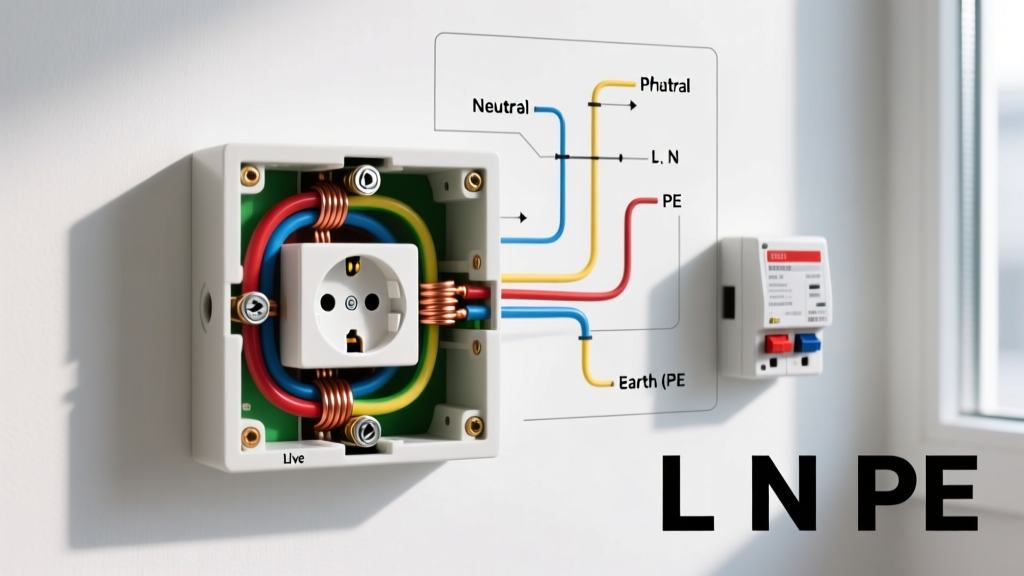
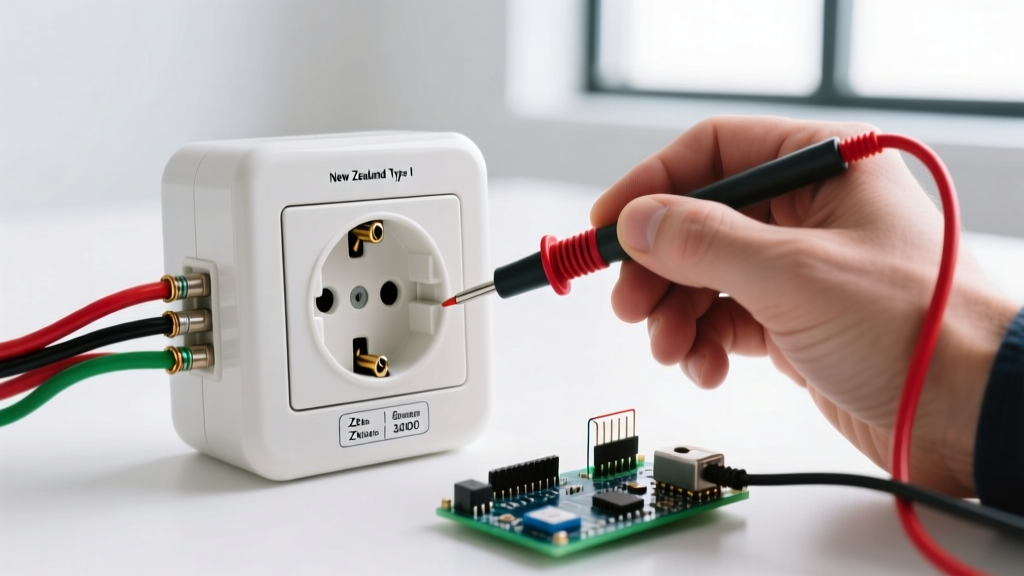
The Type I socket features three flat pins in an inverted triangular pattern. The active and neutral pins are angled at 30 degrees to the vertical, while the earth pin is strictly vertical. A critical mechanical feature of the AS/NZS 3112 standard is the mandatory insulated shrouding on the active and neutral pins and the integrated safety shutters, which prevent foreign object insertion. When conducting an inspection, verifying the mechanical integrity of these shutters is the first line of defense against arc faults and shock hazards.
Essential Testing Equipment for NZ Outlets (2026 Market)
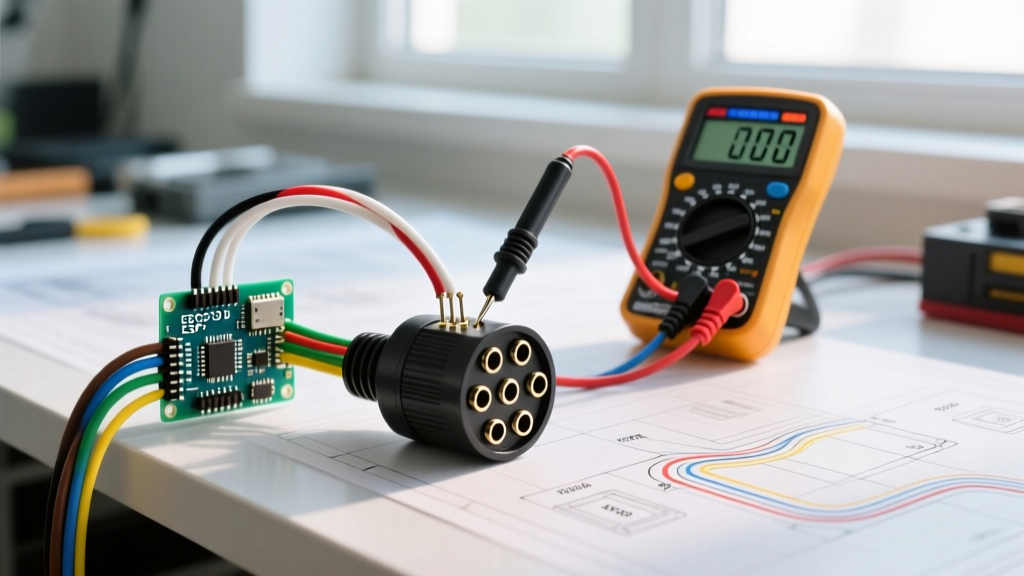
To properly certify a New Zealand electrical outlet, you must move past basic receptacle testers and utilize calibrated multifunction installation testers. Here is the current professional-grade equipment landscape in New Zealand Dollars (NZD):
- Megger MFT1845 Multifunction Tester: The industry standard for comprehensive AS/NZS 3000 compliance testing. Features advanced earth loop impedance testing without tripping standard RCDs. Price: ~$3,850 NZD.
- Kyoritsu KEW 6315 RCD Tester: A dedicated, highly accurate tool for testing Type AC, Type A, and Type B RCDs at various phase angles. Price: ~$780 NZD.
- Seaward PrimeTest 250+ PAT Tester: While primarily for appliance testing, its integrated socket outlet test module is excellent for rapid polarity and earth continuity checks on construction sites under AS/NZS 3012. Price: ~$1,250 NZD.
Step-by-Step Inspection and Testing Protocol
A compliant inspection follows a strict dead-to-live sequence to ensure operator safety and prevent damage to sensitive testing equipment.
Phase 1: Visual and Mechanical Integrity (Dead Circuit)
Before applying any test voltage, isolate the circuit at the switchboard. Remove the outlet cover plate to inspect the termination method. In New Zealand, loop-in wiring is common, meaning the outlet may serve as a junction point. Check for the following:
- Conductor Seating: Ensure no bare copper is exposed outside the terminal block, and no insulation is trapped inside the terminal screw.
- Earth Pin Alignment: Verify the earth pin is perfectly vertical; a bent earth pin will defeat the shutter mechanism.
- Shutter Tension: Use a non-conductive probe to ensure the internal shutters open smoothly and snap back with adequate spring tension.
Phase 2: Electrical Testing Matrix (Live Circuit)
Restore power and proceed with live testing. The table below outlines the mandatory parameters and pass/fail thresholds for standard 10A and 16A socket outlets protected by Type C miniature circuit breakers (MCBs) and 30mA RCDs.
| Test Parameter | Standard Reference | Pass Threshold (230V) | Failure Implication |
|---|---|---|---|
| Polarity | AS/NZS 3000 Cl 8.3 | Active to right, Neutral to left, Earth top | Shock hazard; appliances switched on neutral |
| Earth Loop Impedance (Zs) - 16A Type C | AS/NZS 3000 Table 8.1 | ≤ 1.15 Ω (0.4s trip) | MCB will not clear fault current in time |
| Earth Loop Impedance (Zs) - 20A Type C | AS/NZS 3000 Table 8.1 | ≤ 0.92 Ω (0.4s trip) | Thermal damage to wiring before trip |
| RCD Trip Time (1x IΔn / 30mA) | AS/NZS 3760 | ≤ 300 ms | Prolonged shock exposure |
| RCD Trip Time (5x IΔn / 150mA) | AS/NZS 3760 | ≤ 40 ms | Lethal ventricular fibrillation risk |
Deep Dive: Earth Loop Impedance (Zs) in NZ Environments
Earth Loop Impedance (Zs) is the total impedance of the fault loop path, calculated as Zs = Ze + (R1 + R2). In New Zealand, achieving a low Zs can be uniquely challenging due to regional soil conditions. In areas with highly resistive, dry, or volcanic soils—such as the Central Plateau or parts of Canterbury—the external earth impedance (Ze) of older TT earthing systems (relying on local earth stakes) can spike during summer droughts.
Expert Insight: If your Zs reading on a 16A Type C circuit exceeds 1.15 Ω, do not simply upsize the MCB. The compliant solution under AS/NZS 3000 is to verify the RCD provides the necessary 0.4-second disconnection time, or upgrade the earthing system to an MEN (Multiple Earthed Neutral) link with a verified low-impedance path back to the transformer.
RCD Safety Switch Testing: The 2026 Landscape
New Zealand mandates 30mA RCD protection for all general-purpose socket outlets. However, the proliferation of residential solar inverters, EV chargers, and variable-speed heat pumps has changed the testing landscape. These modern appliances can generate smooth DC fault currents that blind standard Type AC RCDs.
When testing a New Zealand electrical outlet in a modernized home, verify the RCD type. If the circuit supplies an EV charger or solar inverter, the outlet must be protected by at least a Type A or Type F RCD, which can handle pulsating DC and residual currents up to 10mA DC. Always test RCDs at both the 0-degree and 180-degree phase angles to ensure the internal toroidal transformer and tripping relay are not suffering from magnetic saturation or mechanical stiction.
Common Failure Modes in New Zealand Installations
Through extensive field testing across NZ housing stock, several recurring failure modes emerge during outlet inspections:
- Shared Neutrals in Older Villas: Pre-1970s homes often feature multi-wire branch circuits where two active phases share a single neutral conductor. Testing Zs on one phase can yield erratic readings or cause the neutral to carry double the expected current, leading to thermal degradation at the outlet terminals.
- VIR Insulation Degradation: In 1920s to 1950s bungalows, Vulcanised Indian Rubber (VIR) wiring becomes brittle. The mechanical stress of pushing a new Type I outlet back into the mounting block can crack the insulation near the terminals, creating a latent short-circuit risk.
- Reversed Active/Neutral Polarity: Often occurring after amateur DIY switchboard upgrades, this fault will not prevent an appliance from operating but leaves the appliance's internal circuitry energized even when the device's single-pole switch is turned off.
Frequently Asked Questions
Can a homeowner legally test their own electrical outlets in NZ?
Under regulations enforced by WorkSafe New Zealand, any work involving the testing, certification, or alteration of fixed wiring and socket outlets is classified as prescribed electrical work. Only an EWRB-registered electrician or inspector can legally perform live Zs and RCD testing and issue a Certificate of Compliance (CoC). Homeowners may only perform basic visual inspections or use non-invasive plug-in polarity checkers for personal peace of mind.
What is the maximum permissible earth resistance for an NZ earth stake?
For a standard domestic installation relying on an earth electrode (TT system), the earth resistance should ideally be below 10 ohms to ensure the RCD operates correctly. However, the ultimate determining factor is the total Zs value at the furthest outlet on the circuit, which must meet the thresholds outlined in AS/NZS 3000 Table 8.1.