
The Intersection of NEC Compliance and Outlet Failures
When homeowners and junior technicians encounter a dead or tripping receptacle, the instinct is often to simply swap the hardware or reset the breaker. However, troubleshooting electrical outlet problems in 2026 requires a deep understanding of the National Electrical Code (NEC). Modern outlet failures are rarely just hardware defects; they are frequently symptoms of underlying code violations, improper line/load terminations, or conflicts with expanded Arc-Fault (AFCI) and Ground-Fault (GFCI) mandates.
According to the National Fire Protection Association (NFPA), electrical receptacles are the most common point of failure in residential branch circuits. To troubleshoot effectively and legally, you must diagnose the root cause through the lens of NEC Articles 210, 250, and 406. This guide breaks down the most complex outlet failures, mapping them directly to code requirements and providing actionable, tool-specific solutions.
Diagnostic Matrix: Symptom vs. Code Violation
Before pulling out a screwdriver, cross-reference your symptoms with this diagnostic matrix. Many perceived 'broken' outlets are actually functioning exactly as the NEC requires them to under fault conditions.
| Observed Symptom | Relevant NEC Article | Underlying Code Violation / Fault | Expert Troubleshooting Action |
|---|---|---|---|
| GFCI receptacle refuses to reset | NEC 210.8 / 406.4(D)(3) | Line/Load reversal or downstream ground fault | Verify LINE vs LOAD with a non-contact voltage tester; check downstream devices for moisture. |
| Breaker trips immediately upon plugging in a motor | NEC 210.12 | AFCI detects normal motor arcing as a hazardous parallel arc | Upgrade to a newer dual-function AFCI/GFCI breaker (e.g., Square D HOM120DF) with advanced algorithms. |
| Tester reads 'Hot-Ground Reverse' | NEC 250.148 | Equipment grounding conductor (EGC) bonded to neutral or hot | Inspect panel ground bar; ensure neutral and ground are isolated on subpanels. |
| Plugs physically cannot be inserted | NEC 406.12 | Tamper-Resistant (TR) shutters jammed by drywall dust/paint | Clear shutter mechanism with compressed air; replace if internal springs are compromised. |
| Voltage drop exceeds 5% at the receptacle | NEC 210.19(A) (Info Note) | 14 AWG wire used on a long run exceeding code recommendations | Up-size branch circuit conductors to 12 AWG or 10 AWG to mitigate voltage drop. |
GFCI and AFCI Nuisance Tripping (NEC 210.8 & 210.12)
The most common complaint in modern electrical troubleshooting is the 'nuisance trip.' With the NEC 2023 and subsequent 2026 adoptions, GFCI protection is now required in virtually every area of a dwelling, including kitchens, bathrooms, garages, and outdoors (NEC 210.8). Furthermore, AFCI protection (NEC 210.12) is mandated for almost all 120V, 15A and 20A branch circuits.
Troubleshooting the 'Unresettable' GFCI
If a GFCI receptacle (such as the Leviton AGTR smart-lock model) will not reset, do not immediately replace it. First, disconnect all downstream loads from the LOAD terminals. If the GFCI resets with the load wires removed, the receptacle is fine; the fault lies downstream. Common downstream code violations include:
- Shared Neutrals: Two circuits sharing a single neutral wire, which causes an imbalance in the GFCI's toroidal transformer, triggering a trip.
- Bootleg Grounds: A jumper wire between the neutral and ground terminal on a downstream standard receptacle, intentionally installed to fool older 3-prong testers. This is a severe shock hazard and an immediate NEC violation.
AFCI Breaker Conflicts
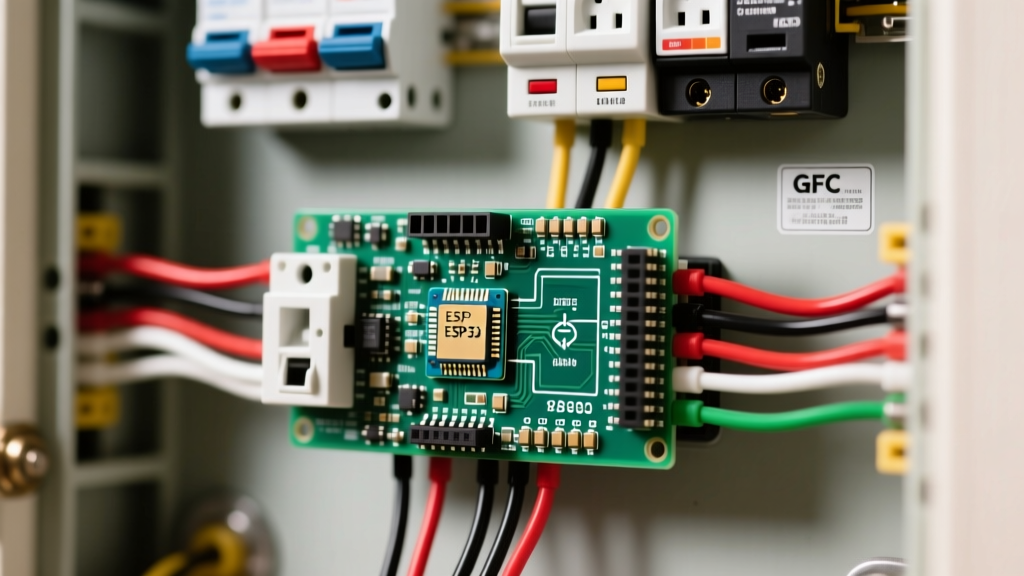
AFCI breakers monitor for high-frequency arcing signatures. Older appliances with universal motors (like vacuums or power drills) can generate 'normal' arcing that older AFCI breakers misinterpret as a hazardous parallel arc. If troubleshooting electrical outlet problems leads you to an AFCI trip, verify the breaker's manufacturing date. Breakers manufactured prior to 2018 lack the advanced digital signal processing required to distinguish between harmless motor commutation and dangerous wire arcing. Replacing an outdated Eaton BRCAF120 with a current-generation model often resolves the issue instantly.
Code Insight: Under NEC 406.4(D)(4), when a GFCI receptacle is used to replace an ungrounded (2-prong) receptacle in an older home, the faceplate must be marked 'No Equipment Ground'. The GFCI provides shock protection, but it does not create a ground path for surge protectors.
Tamper-Resistant (TR) Shutter Failures (NEC 406.12)
Since NEC 406.12 mandated Tamper-Resistant receptacles in all dwelling units, a new category of outlet problems has emerged: physical insertion failure. TR receptacles feature internal spring-loaded shutters that require simultaneous, equal pressure on both blades to open.
Failure Mode: During new construction or remodeling, drywall dust, joint compound, or paint frequently infiltrates the receptacle slots. This debris hardens, jamming the shutters. Homeowners often assume the outlet is 'broken' or defective.
The Fix: Do not use a screwdriver to force the shutters open, as this bends the internal beryllium-copper springs, permanently ruining the safety mechanism. Instead, use a can of compressed air to blow out the slots. If the shutters remain stuck, the NEC requires replacement of the device. Commercial-grade TR receptacles (like the Hubbell 5262-TR) feature heavier-duty shutter springs that resist jamming better than residential-grade alternatives.
Kitchen Island & Peninsula Receptacle Confusion
A massive source of troubleshooting calls in 2026 stems from a major code shift regarding kitchen islands. For decades, the NEC required at least one receptacle on kitchen islands and peninsulas. However, due to the severe burn hazard of cords hanging over edges where children can pull them, NEC 2023 Section 210.52(C)(2) removed the mandatory requirement for island receptacles unless specifically requested by the homeowner or designer.
If you are troubleshooting a 'missing' outlet on a newly remodeled kitchen island, it is likely not a mistake or a hidden defect. The electrician likely followed the updated code to prioritize safety over convenience. If power is needed, the code-compliant solution is to install a listed pop-up floor box assembly or a hardwired pendant drop, rather than cutting into the side of the cabinetry.
Step-by-Step Code-Compliant Testing Protocol
Proper troubleshooting requires professional-grade tools. The Occupational Safety and Health Administration (OSHA) mandates that electrical testing equipment be rated for the environment and properly maintained. Follow this protocol to diagnose outlet faults safely:
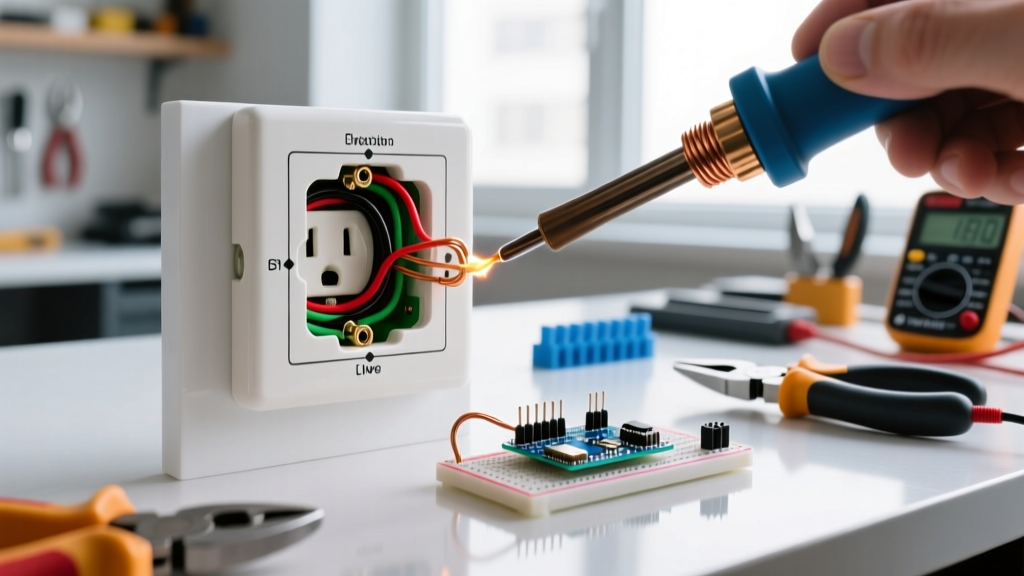
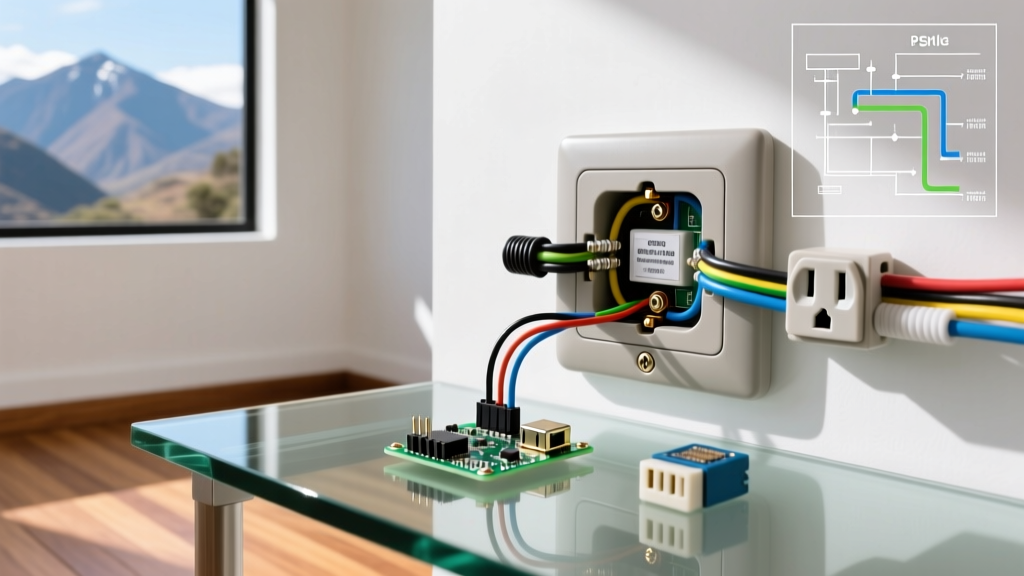
- Visual Inspection: Remove the faceplate. Check for back-stabbed (push-in) wire connections. The NEC allows them for 14 AWG wire, but they are notorious for causing high-resistance open neutrals over time. Migrate all back-stabbed wires to the side terminal screws.
- Torque Verification: Loose connections cause arcing and heat. Use an insulated torque screwdriver (e.g., Klein Tools 32500TOR) set to the manufacturer's specification. For most Leviton commercial receptacles, the required torque is exactly 14 in-lbs.
- True RMS Voltage Testing: Use a True RMS multimeter like the Fluke T6-1000 (approx. $280). Test Hot-to-Neutral (should be 120V ±5%), Hot-to-Ground (120V ±5%), and Neutral-to-Ground (should be < 2V). A Neutral-to-Ground reading above 2V indicates an overloaded neutral or a loose neutral termination at the panel.
- Ground Impedance Check: If a GFCI trips but a standard receptacle tester shows 'Correct', the ground path may have high impedance. Use a dedicated ground impedance tester to verify the Equipment Grounding Conductor (EGC) can actually carry fault current back to the panel to trip the breaker.
Final Thoughts on Code-Driven Troubleshooting
Troubleshooting electrical outlet problems is no longer just about restoring power; it is about ensuring the circuit's safety architecture remains intact. By understanding the 'why' behind NEC mandates for GFCI, AFCI, and TR devices, you can diagnose faults faster, avoid dangerous code violations, and provide permanent solutions rather than temporary band-aids. Always verify your local jurisdiction's specific code adoption year, as local amendments can occasionally supersede national baseline standards.