
The Rise of Imported Electrical Hardware in DIY Projects
As cross-border e-commerce platforms like AliExpress, Temu, and Amazon third-party storefronts continue to dominate the smart home market in 2026, DIY enthusiasts frequently encounter foreign hardware. One of the most common and potentially dangerous components imported by budget-conscious renovators is the Chinese electrical outlet. Often bundled with smart home ecosystems (such as Moes, Sonoff, or BSEED smart wall panels) or sold as part of heavy-duty industrial power strips, these receptacles are designed for an entirely different electrical grid and regulatory environment.
While using a temporary travel adapter is generally safe for low-draw electronics, permanently wiring a Chinese standard receptacle into a North American residential branch circuit is a severe safety hazard. This guide breaks down the anatomical differences, the specific National Electrical Code (NEC) violations involved, and the real-world failure modes you must avoid to keep your home safe and compliant.
Anatomy of the Type I Standard (GB 1002-2008)
The standard Chinese electrical outlet is governed by the GB 1002-2008 (plug dimensions) and GB 2099.1 (receptacle safety) national standards. Known globally as the Type I configuration, it features distinct physical and electrical characteristics that make it fundamentally incompatible with North American wiring practices.
Physical Configuration
- Ungrounded (10A): Two flat, angled pins forming an inverted 'V' shape.
- Grounded (10A/16A): The inverted 'V' plus a vertical, flat grounding pin at the bottom, forming a triangle.
- Pin Dimensions: The flat pins are typically 6.35mm wide and 1.6mm thick. The grounding pin is longer to ensure earth connection before the live blades engage.
Electrical Ratings
China operates on a 220V / 50Hz alternating current grid. Consequently, Chinese outlets are engineered with dielectric insulation and contact spacing optimized for 220V-250V. When introduced to a 120V / 60Hz North American system, the physical geometry creates immediate mechanical and electrical mismatches.
NEC Code Compliance: Why It Is Illegal to Install
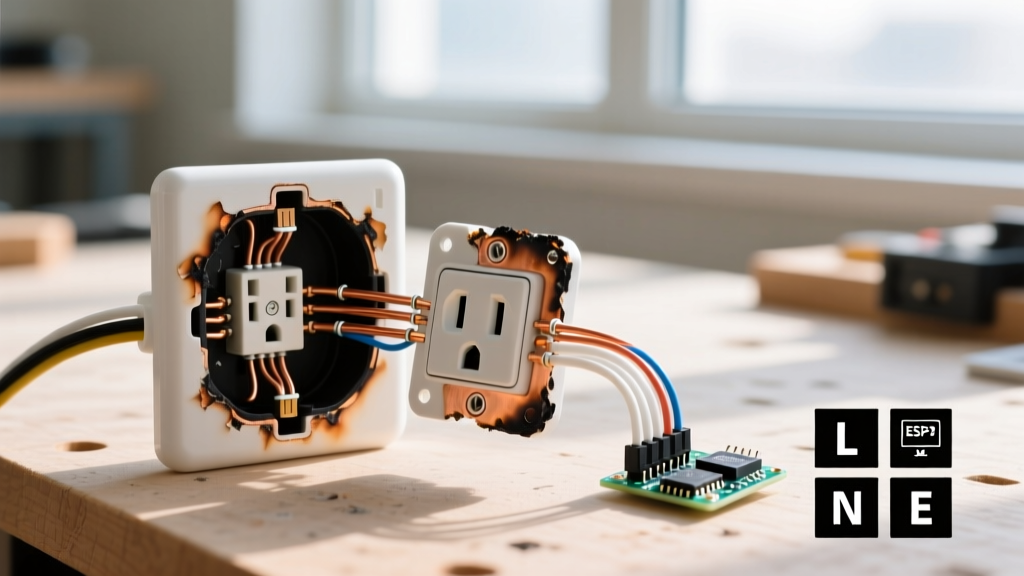
Installing a non-listed Chinese electrical outlet in a US or Canadian wall box is a direct violation of the National Electrical Code. Insurance companies will routinely deny claims for electrical fires if an unlisted, foreign-standard receptacle is found at the origin of the fault.
NEC Article 110.2 (Approval): "Conductors and equipment shall be permitted only where approved." In the context of the NEC, 'approved' means acceptable to the Authority Having Jurisdiction (AHJ), which universally requires testing and listing by a Nationally Recognized Testing Laboratory (NRTL) such as UL, CSA, or ETL.
Furthermore, NEC Article 406.4 mandates that all receptacles installed in residential branch circuits must be listed to UL Standard 498 (Attachment Plugs and Receptacles). Chinese GB-standard outlets do not undergo UL 498 testing. They lack the specific thermal cycling, fault-current withstand, and contact-tension testing required for North American NEMA 5-15R and 5-20R configurations.
From an occupational and residential safety standpoint, OSHA 1910.303(a) strictly requires that all electrical equipment be approved and installed in accordance with its listing instructions. Using a 220V-rated foreign receptacle on a 120V circuit violates the foundational listing parameters of the device.
Comparative Matrix: Type I (China) vs. NEMA 5-15R (US)
| Feature | Chinese Type I (GB 1002) | US NEMA 5-15R (UL 498) |
|---|---|---|
| Operating Voltage | 220V - 250V AC | 125V AC |
| Frequency | 50 Hz | 60 Hz |
| Standard Amperage | 10A or 16A | 15A or 20A |
| Grounding Pin Shape | Flat Blade (6.35mm x 1.6mm) | Cylindrical (4.76mm diameter) |
| Flame Retardancy | Varies (Often generic ABS) | Strict UL 94 V-0 Nylon/PC |
| NRTL Listing | CCC (China Compulsory Cert) | UL, ETL, or CSA |
Real-World Failure Modes and Edge Cases
When DIYers attempt to force compatibility—either by wiring a Chinese outlet to a US 120V line or using cheap "universal" travel adapters as permanent wall solutions—several catastrophic failure modes emerge.
1. Contact Tension and Arcing
North American plugs (NEMA 1-15 or 5-15) have flat blades that are 6.35mm wide but are designed to mate with specific internal brass wipers in a UL-listed receptacle. If a user forces a US plug into a Chinese outlet (or a universal socket), the internal wipers do not grip the blade with the required Newton-force. This loose connection creates high electrical resistance. Under a 12A to 15A load (like a space heater or window AC unit), the resistance generates immense heat, leading to thermal runaway and arc faults that standard breakers may not trip in time to prevent.
2. Breaker-to-Wire Mismatch
A standard US residential circuit is protected by a 15A or 20A thermal-magnetic breaker. Chinese 10A outlets are often wired internally with thinner gauge copper or aluminum alloys meant to be protected by a 10A or 16A MCB (Miniature Circuit Breaker). If a 14 AWG copper wire feeding a 15A US breaker is terminated into a 10A Chinese receptacle, the receptacle's internal busbars can melt and ignite long before the 15A breaker trips.
3. The "Universal Socket" Trap
Many imported power strips feature "universal" sockets that accept Type I, Type A, Type C, and Type G plugs. The U.S. Consumer Product Safety Commission (CPSC) has repeatedly warned against these. Universal sockets compromise the precise contact tension required for any single plug type. Furthermore, they lack the internal shutter mechanisms mandated by the 2008 NEC (and updated in subsequent 2023/2026 cycles) to prevent children from inserting foreign objects into the live slots.
Smart Home Imports: The Moes and Sonoff Dilemma
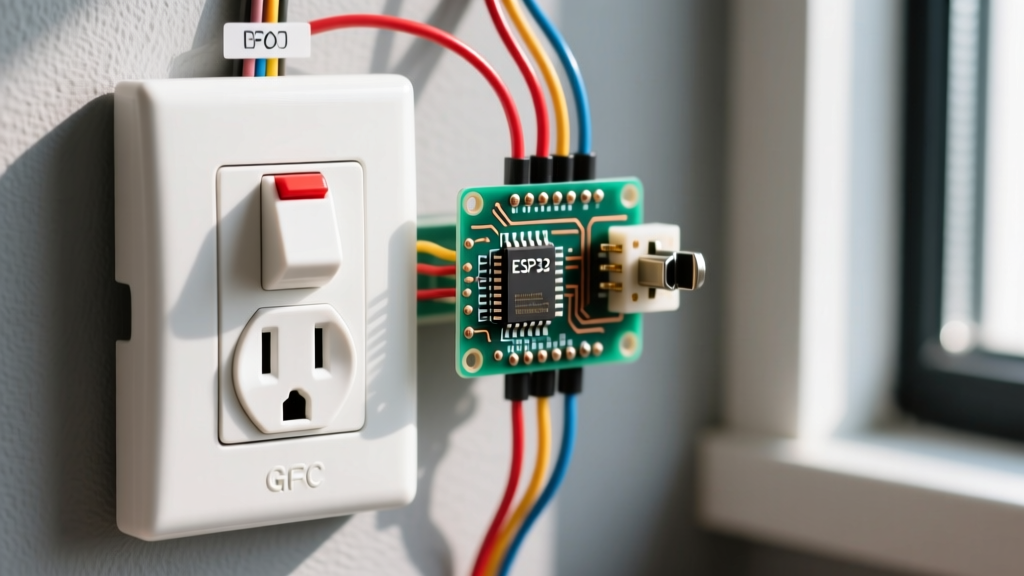
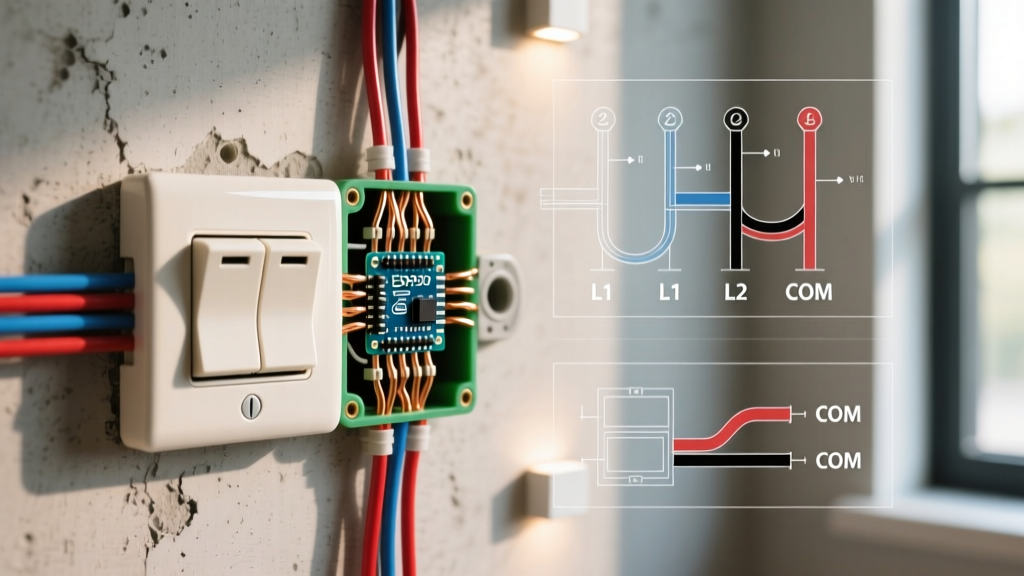
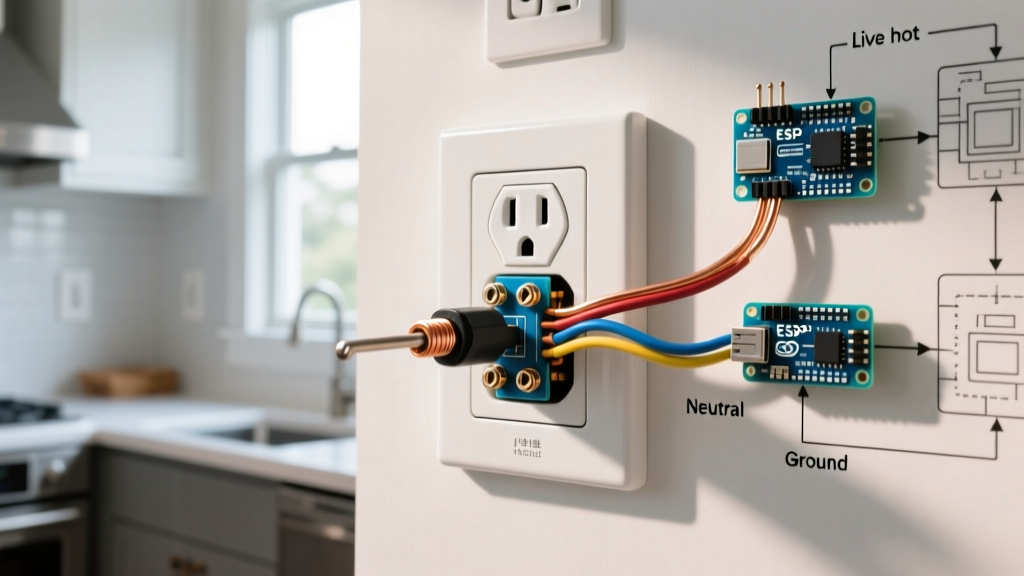
A frequent scenario in 2026 involves homeowners purchasing smart wall panels from brands like Moes or BSEED via overseas marketplaces. These panels often combine a light switch and a receptacle on a single glass fascia. If you accidentally order the "CN Standard" or "EU Standard" variant instead of the "US Standard" variant:
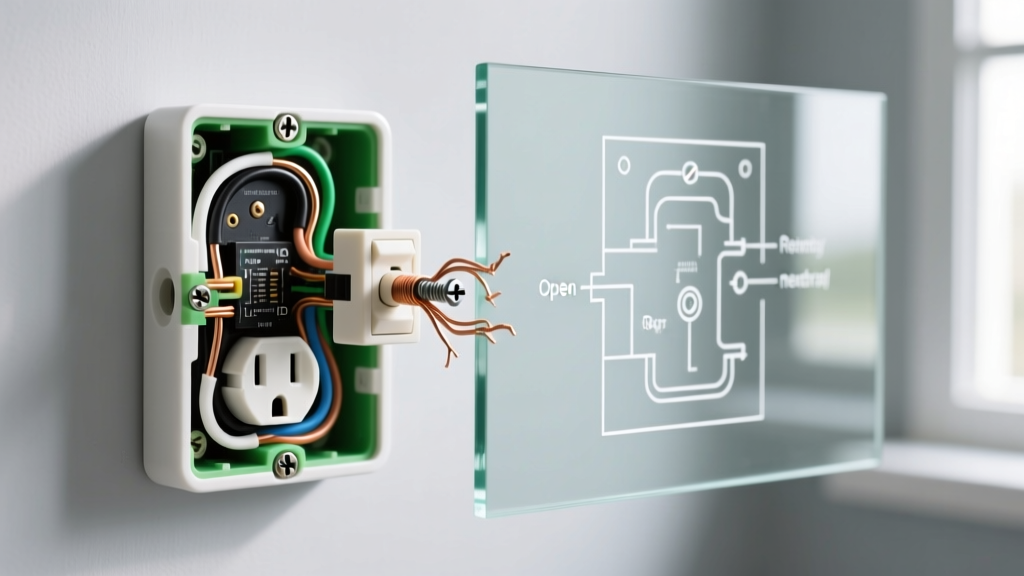
- Do not attempt to rewire the receptacle portion. The internal relays and PCB traces are designed for 220V/10A. Running 120V/15A through them will cause the smart relay to weld shut or fail catastrophically.
- Depth Issues: Chinese smart outlets often require a deeper backbox (45mm to 50mm) than the standard US drywall ring (which typically offers 25mm to 30mm of depth). Forcing the wiring into a cramped US box violates NEC box-fill capacity calculations (Article 314).
- The Solution: Cap the receptacle wires inside the wall box using a Wago 221 lever nut, install a blank cover plate over the unused portion, and use a UL-listed smart plug for your appliances instead.
Cost vs. Liability Analysis
The financial argument for using imported outlets is fundamentally flawed. A high-quality, UL-listed Leviton or Hubbell NEMA 5-15R receptacle costs between $2.50 and $8.00 at local hardware stores. In contrast, the average cost of an electrical fire repair in a residential dwelling exceeds $55,000, not including potential liability if a tenant or guest is injured. Furthermore, home inspectors will flag unlisted outlets during a real estate transaction, forcing a costly remediation before the sale can close.
Frequently Asked Questions (FAQ)
Can I use a Chinese power strip if I just plug it into a travel adapter?
For temporary, low-draw electronics (like phone chargers or laptops with auto-switching 100-240V power bricks), a heavy-duty, grounded travel adapter is acceptable. However, you should never use a travel adapter to power high-draw appliances (space heaters, microwaves, or power tools) due to the lack of secure contact tension and the adapter's internal fuse limitations.
Are Chinese outlets safe to use if I live in a 220V country?
If you reside in a country that officially uses the Type I standard (such as China, Australia, or Argentina) and the outlet carries the local CCC or SAA certification mark, it is perfectly safe and code-compliant for that specific region. The danger arises exclusively when these devices are imported and installed in 120V/60Hz jurisdictions with different physical plug standards.
How can I verify if an imported outlet is actually UL listed?
Counterfeit UL marks are rampant on cheap imports. To verify, locate the UL file number (usually starting with 'E' followed by 4 to 6 digits) printed on the device. You can then search this number in the UL Product iQ database to confirm the manufacturer and the specific testing standards the device passed.
Final Verdict
When it comes to permanent residential wiring, there is zero margin for error. The Chinese electrical outlet is engineered for a specific 220V ecosystem and lacks the NRTL certifications required for North American safety codes. Always invest in locally sourced, UL or ETL-listed NEMA receptacles to ensure your home's electrical infrastructure remains safe, insurable, and fully compliant with the latest NEC standards.