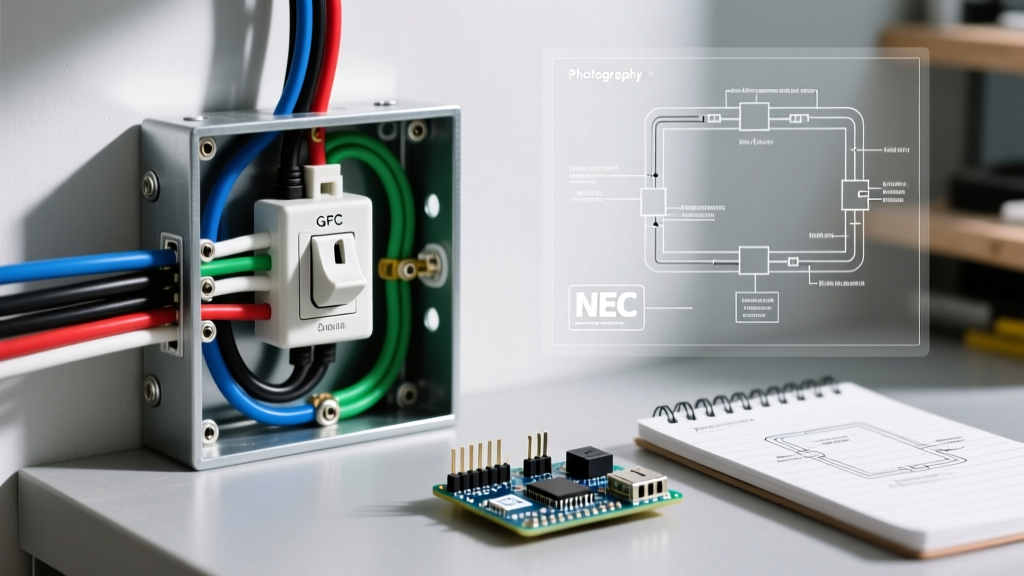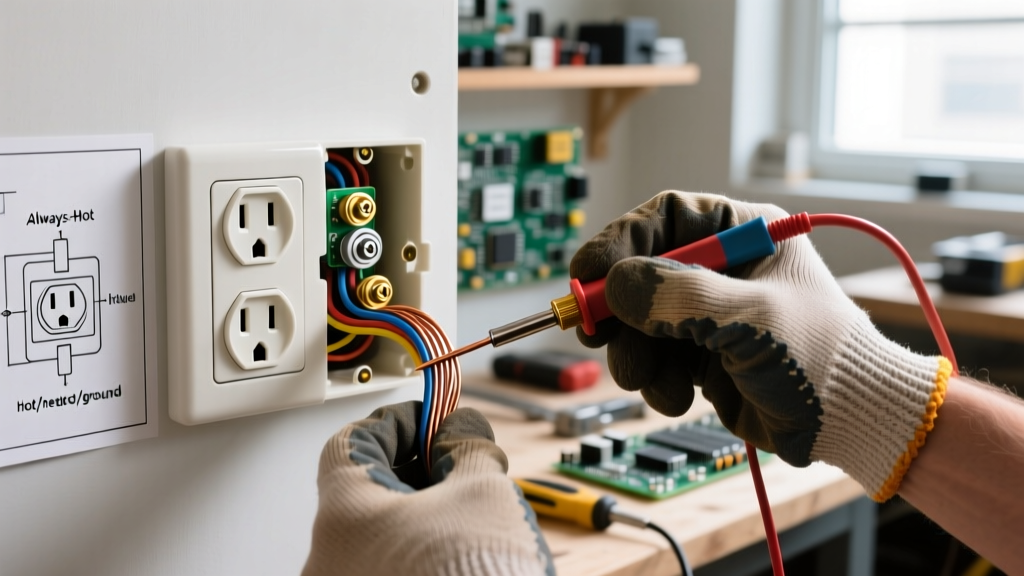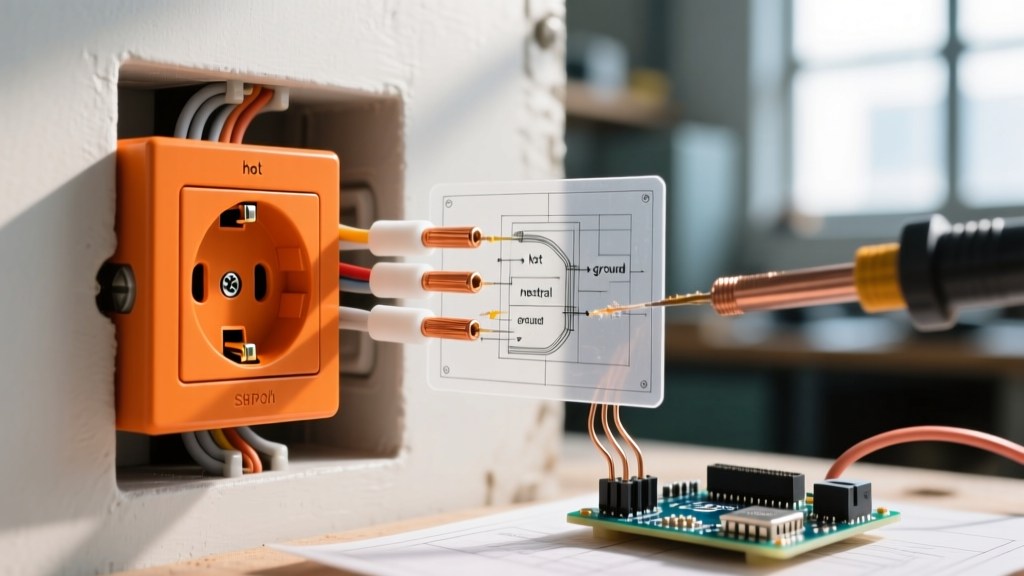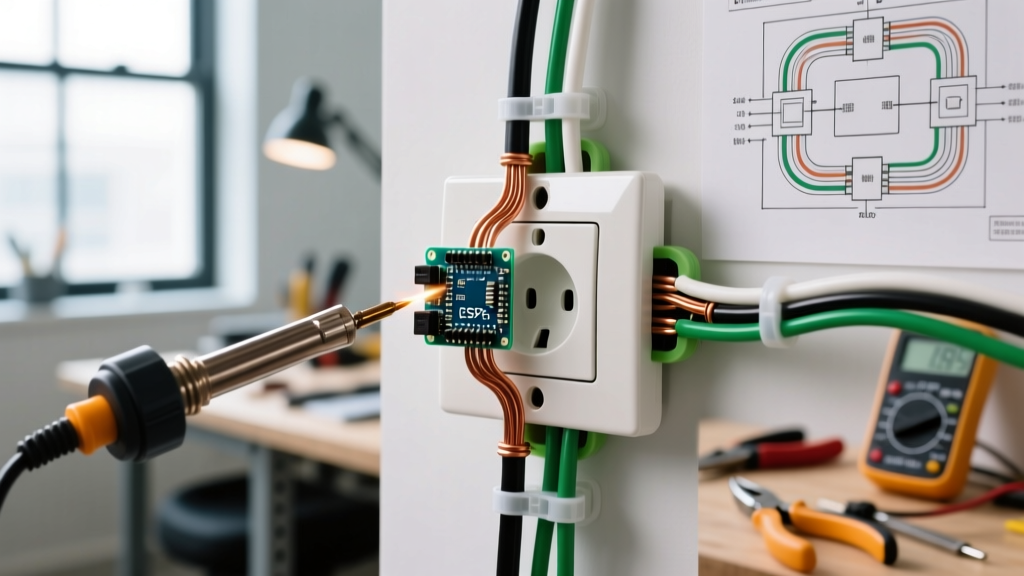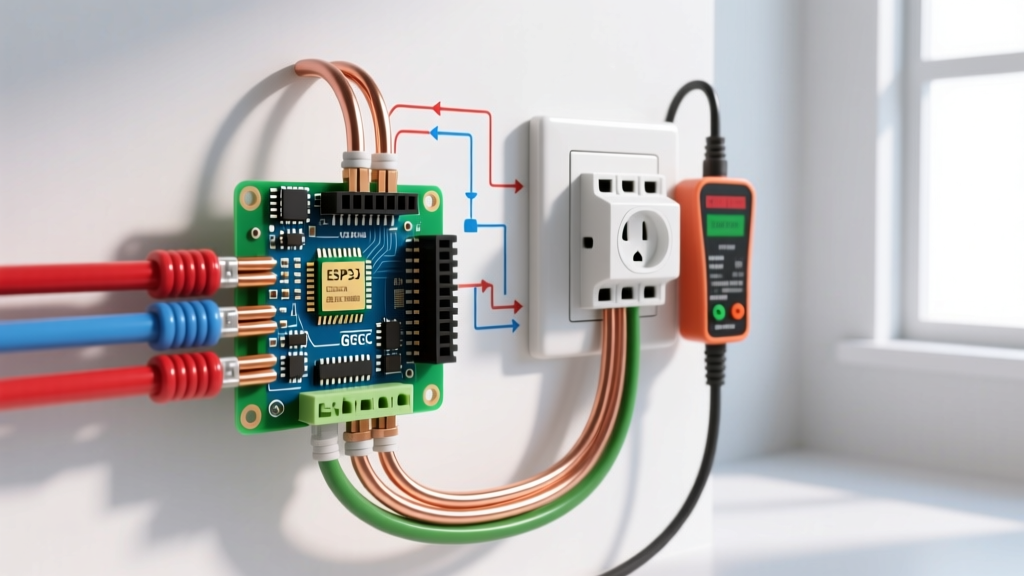

The NEC Mandate: Why Electrical Outlet Testing Isn't Optional
For many DIYers and even some junior electricians, electrical outlet testing is reduced to plugging in a cheap three-light cube and waiting for two yellow LEDs to illuminate. However, the National Electrical Code (NEC), published by the National Fire Protection Association (NFPA), treats receptacle verification as a critical life-safety protocol. As jurisdictions across the country adopt the 2023 and upcoming 2026 NEC cycles, the requirements for Ground Fault Circuit Interrupter (GFCI) and Arc Fault Circuit Interrupter (AFCI) protection have expanded dramatically, making rigorous electrical outlet testing a mandatory step for compliance and safety.
According to the U.S. Consumer Product Safety Commission (CPSC), faulty receptacles and improper grounding contribute to thousands of residential electrical fires and severe shocks annually. Proper testing goes far beyond confirming that a device has power; it verifies the integrity of the equipment grounding conductor, the correct polarity of the hot and neutral wires, and the functional trip thresholds of protective devices.
Inspector's Note: Under NEC 110.3(B), all listed electrical equipment must be installed and used in accordance with any instructions included in the listing. UL-listed receptacles require verification of the grounding path. Failing to perform comprehensive electrical outlet testing after installation or replacement is a direct violation of this foundational code section.
Key Code Sections Governing Receptacle Verification
- NEC Article 406.4(D): Dictates the rules for receptacle replacements. If a grounding means does not exist in the receptacle enclosure, specific non-grounding or GFCI-protected replacements must be used and marked accordingly.
- NEC Article 210.8: Mandates GFCI protection for all 125-volt through 250-volt receptacles in specific damp or hazardous locations, requiring functional testing to ensure the trip mechanism operates within the 4mA to 6mA threshold.
- NEC Article 210.12: Requires AFCI protection for branch circuits supplying outlets in dwelling unit bedrooms, living rooms, and kitchens, necessitating testing to verify arc-detection circuitry.
- NEC Article 250: The master chapter on grounding and bonding, which implicitly requires testing to ensure the equipment grounding conductor (EGC) provides a low-impedance fault current path.
GFCI and AFCI Testing: The Code vs. The Reality
A common misconception is that pressing the physical "TEST" button on a GFCI or AFCI receptacle satisfies code requirements. While the NEC does require these devices to be readily accessible and equipped with a test button, relying solely on it only verifies the internal solid-state circuitry. It does not verify the actual wiring of the circuit.
Professional electrical outlet testing requires an external solenoid or electronic tester that injects a calibrated fault current. For GFCIs, a professional tester like the Klein Tools RT250 (retailing around $35) injects a precise 6mA to 8mA current between the hot and ground conductors. If the upstream grounding is compromised (an open ground), the external tester will fail to trip the GFCI, immediately revealing a severe code violation that the built-in button would mask.
Understanding AFCI Testing Nuances
Testing Combination-Type AFCIs (now the standard under NEC 210.12) is more complex. Basic plug-in testers often struggle to generate the specific high-frequency arc signature required to trip the breaker without causing nuisance trips on adjacent circuits. Advanced testers, such as the Sperry ET6422 ($45), utilize specialized microprocessors to simulate both parallel and series arcs, ensuring the breaker complies with UL 1699 standards.
NEC Protection Requirements by Location
The following table outlines where specific protective devices are mandated by the NEC, which directly dictates the type of electrical outlet testing required in each zone.
| Location (Dwelling Units) | Required Protection | NEC Reference | Testing Focus |
|---|---|---|---|
| Bathrooms & Kitchens | GFCI | 210.8(A)(1) & (6) | Ground fault trip threshold, neutral-ground isolation |
| Garages & Outdoors | GFCI | 210.8(A)(2) & (3) | Moisture ingress, equipment grounding continuity |
| Bedrooms & Living Rooms | AFCI (Combo Type) | 210.12(A) | Arc signature detection, breaker trip verification |
| Laundry Areas | GFCI & AFCI | 210.8(A)(10) & 210.12(A) | Dual-function testing, dedicated 20A circuit verification |
| Crawlspaces & Basements | GFCI | 210.8(A)(4) & (5) | Ground impedance, sump pump circuit exceptions |
Grounding and Polarity: Hidden Code Violations
While GFCI and AFCI protections dominate modern code updates, the physical wiring of the receptacle remains a primary focus for electrical inspectors. Reversed polarity (hot and neutral swapped) and open neutrals are severe hazards that can cause appliance damage and shock risks.
The "Bootleg Ground" Hazard
One of the most dangerous failure modes encountered during electrical outlet testing is the "bootleg ground." This occurs when an unscrupulous installer places a jumper wire between the neutral terminal and the ground screw on a two-prong ungrounded circuit to make it appear as a grounded three-prong outlet. A standard $8 three-light tester will show "Correct" because it simply completes the circuit between neutral and ground. However, under a real fault condition, the chassis of any plugged-in appliance will become energized with 120V.
To detect a bootleg ground, professionals use advanced testers that measure the impedance of the grounding path or physically disconnect the neutral during the test. The Amprobe AT-3500 or similar advanced circuit tracers can identify this illicit jumper by analyzing the magnetic field signature around the conductors.
Professional-Grade Testers vs. Basic Plug-In Models
Investing in the right diagnostic tool is non-negotiable for code-compliant electrical outlet testing. Below is a comparison of the most common field testers used by electricians and serious DIYers.
| Tester Model | Type | Price Range | Capabilities & Code Compliance |
|---|---|---|---|
| Gardner Bender GRT-3501 | Basic 3-Light | $7 - $10 | Checks basic polarity and open grounds. Cannot detect bootleg grounds or test GFCI trip thresholds accurately. |
| Klein Tools RT250 | Advanced GFCI | $32 - $38 | Tests GFCI trip time, detects bootleg grounds via impedance testing, features a clear LCD display for exact fault identification. |
| Sperry ET6422 | GFCI / AFCI Combo | $42 - $48 | Tests both GFCI and Combination AFCI circuits. Essential for verifying NEC 210.12 compliance in modern living spaces. |
| Fluke 1620A | Ground Impedance | $800+ | Commercial/Industrial grade. Measures exact ground resistance in ohms to verify NEC Article 250 compliance on large panels. |
Step-by-Step Code-Compliant Testing Workflow
When conducting a full electrical outlet testing sweep on a newly wired or renovated circuit, follow this systematic workflow to ensure total NEC compliance:
- Visual Inspection: Before applying power, verify that the receptacle is mounted flush, the yoke is securely fastened, and wire striations (exposed copper outside the terminal) do not exceed 1/8th of an inch.
- Voltage Verification: Use a non-contact voltage tester (NCVT) followed by a digital multimeter to confirm 120V (+/- 5%) between Hot and Neutral, and Hot and Ground.
- Polarity and Ground Check: Insert the advanced plug-in tester (e.g., Klein RT250). Verify the LCD or LED matrix indicates correct wiring. If it indicates an open ground, investigate the panel and junction boxes immediately.
- GFCI/AFCI Trip Test: Press the external test button on the tester. Use a stopwatch or the tester's built-in timer to ensure the GFCI trips in under 25 milliseconds (for a 6mA fault). For AFCIs, verify the breaker trips without causing sympathetic trips on adjacent circuits.
- Downstream Verification: If the receptacle feeds downstream outlets via its LOAD terminals, test every downstream device to ensure the protective umbrella of the GFCI/AFCI is continuous and correctly wired.
Frequently Asked Questions (FAQ)
Can I use a GFCI receptacle on an ungrounded circuit to meet code?
Yes, under NEC 406.4(D)(2)(c), you can replace a non-grounding receptacle with a GFCI-protected receptacle. However, it must be labeled with the included stickers reading "No Equipment Ground" and "GFCI Protected." During electrical outlet testing, an external tester will read "Open Ground," which is expected and legally compliant provided the labels are visibly applied.
Why does my AFCI breaker trip immediately when I use my vacuum?
This is known as a nuisance trip, often caused by the universal motor in older vacuums generating electrical noise that mimics an arc fault. While not a wiring defect, it indicates the AFCI's sensitivity is clashing with the appliance. Upgrading to a newer brushless DC motor appliance or verifying the circuit connections are tight (loose connections cause actual arcing) is required per OSHA and NFPA safety guidelines.
How often should electrical outlet testing be performed in a residential setting?
While the NEC mandates testing at the time of installation and inspection, the NFPA recommends that homeowners manually test all GFCI and AFCI devices using their built-in test buttons at least once a month to ensure the internal mechanical relays have not seized due to environmental factors or age.