
The Core Question: Is a Mexico Electrical Outlet Same as US?
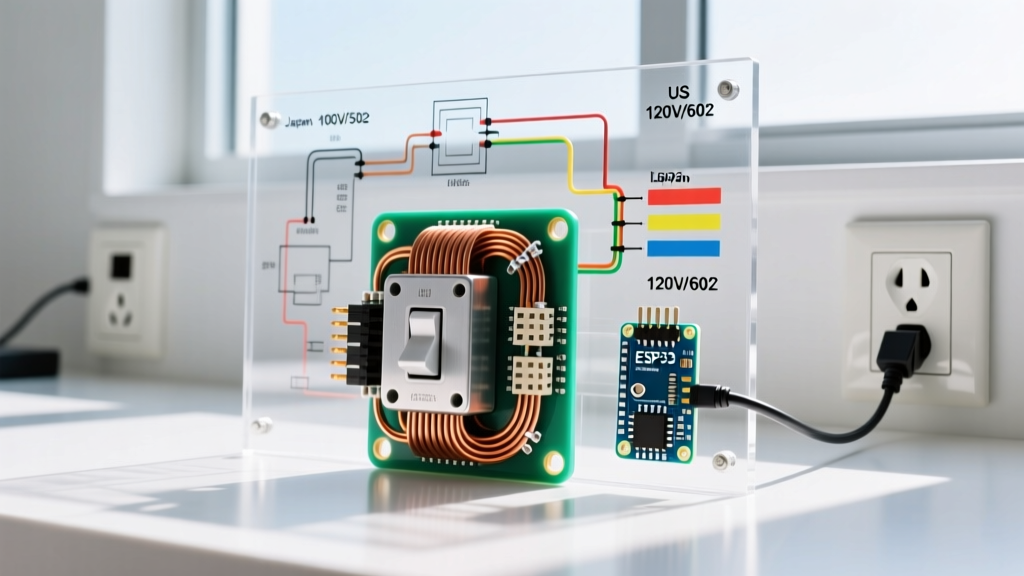
For US expats, snowbirds, and DIYers managing property south of the border, one of the most common questions when tackling home repairs is: Is a Mexico electrical outlet same as US? The short answer is yes, physically and functionally, but the installation environment has critical differences. Mexico utilizes the exact same plug types as the United States—Type A (NEMA 1-15, ungrounded) and Type B (NEMA 5-15, grounded). Furthermore, the Mexican electrical grid operates at a nominal 127V / 60Hz, which is practically identical to the US standard of 120V / 60Hz. Your US appliances will work perfectly without a voltage converter.
However, from an installation and code perspective, the similarities end at the receptacle face. Mexico's electrical code, the NOM-001-SEDE (Norma Oficial Mexicana), is heavily modeled after the US National Electrical Code (NEC / NFPA 70), but local construction practices, wall box dimensions, and legacy wiring colors create unique challenges. If you are attempting a step-by-step installation of a US receptacle in a Mexican home, you must understand these physical and regulatory nuances to ensure a safe, code-compliant setup in 2026.
US vs. Mexico Electrical Standards: What You Need to Know
Before picking up a screwdriver, review the structural differences between US and Mexican electrical infrastructure. According to the IEC World Plugs database, both nations share Type A and B plug profiles, but the behind-the-wall realities differ.
| Feature | United States (NEC) | Mexico (NOM-001-SEDE) |
|---|---|---|
| Nominal Voltage | 120V | 127V |
| Frequency | 60Hz | 60Hz |
| Standard Receptacles | NEMA 1-15R, 5-15R, 5-20R | NEMA 1-15R, 5-15R, 5-20R |
| Standard Wall Box | Rectangular / Octagonal (18.5+ cu in) | Rectangular 'Chalupa' (often shallow) |
| Mounting Screws | 6-32 UNC | 6-32 UNC or M4 Metric |
| Wire Colors (Modern) | Black (Hot), White (Neutral), Bare/Green (Ground) | Black/Red (Fase), White (Neutro), Green (Tierra) |
Tools Required for a Cross-Border Installation
Do not rely on guesswork. Older Mexican homes (pre-2000s) frequently feature non-standard wire colors or missing equipment grounding conductors. Bring the following tools to the job site:
- Non-Contact Voltage Tester: Klein Tools NCVT-2 (crucial for verifying the 'pastilla' or breaker is truly off).
- Digital Multimeter: Fluke 117 or similar to measure exact voltage (expect 122V-129V) and verify ground continuity.
- Wire Strippers: Klein 1105-4E (capable of cleanly stripping 12 AWG and 14 AWG solid copper wire common in Mexico).
- Torque Screwdriver: To tighten terminal screws to the manufacturer's spec (usually 14 in-lbs) to prevent arc faults.
- Box Extender: Arlington BE1 (vital if the Mexican 'chalupa' box is too shallow for a US GFCI).
Step-by-Step: Installing a US Receptacle in a Mexican Wall Box
Step 1: Identify the 'Chalupa' Box and Depth Limitations
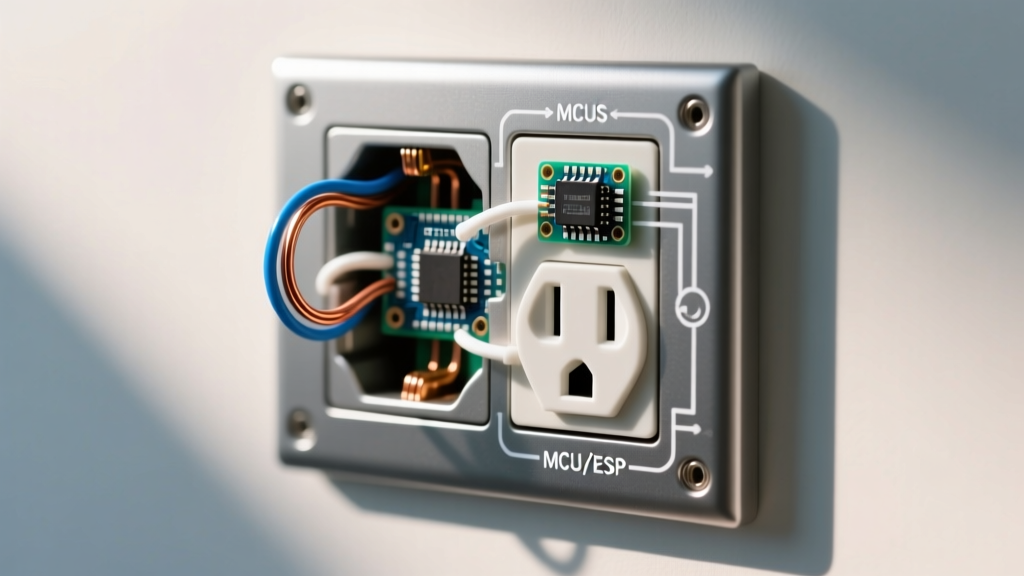
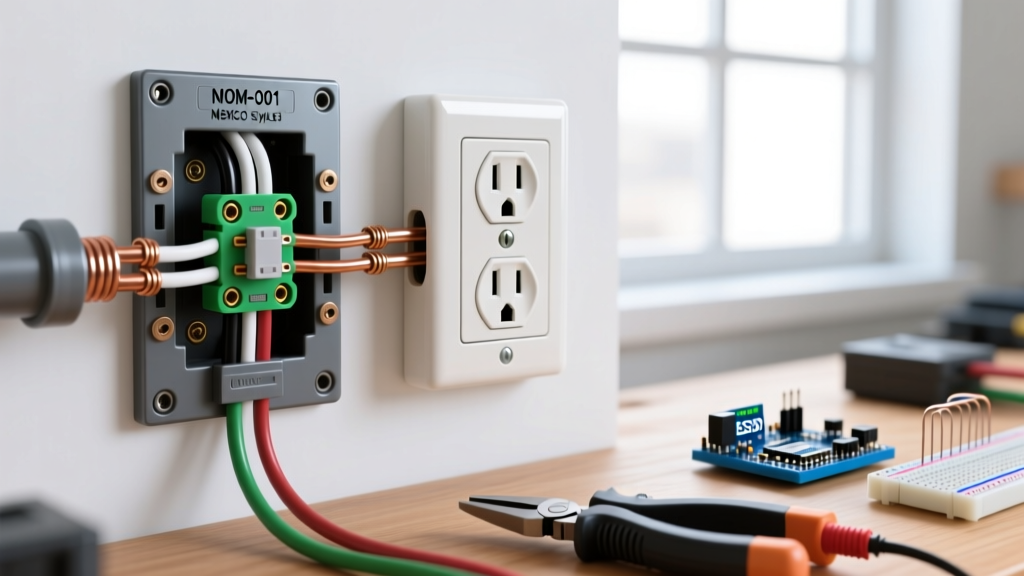
Mexican construction heavily utilizes a stamped metal or shallow PVC rectangular box known locally as a chalupa. While a standard US duplex receptacle (like the Leviton 5262-SW) will easily fit inside a chalupa, a modern US GFCI receptacle (like the Leviton GFNT2-W) is significantly deeper. If the chalupa is less than 2.5 inches deep, the GFCI's internal electronics will be crushed against the back of the box, creating a severe fire hazard and violating both NEC and NOM-001 box-fill calculations. If the box is too shallow, you must either chisel out the masonry to install a deeper PVC old-work box or use a surface-mounted extender ring.
Step 2: Power Down and Verify with a Multimeter
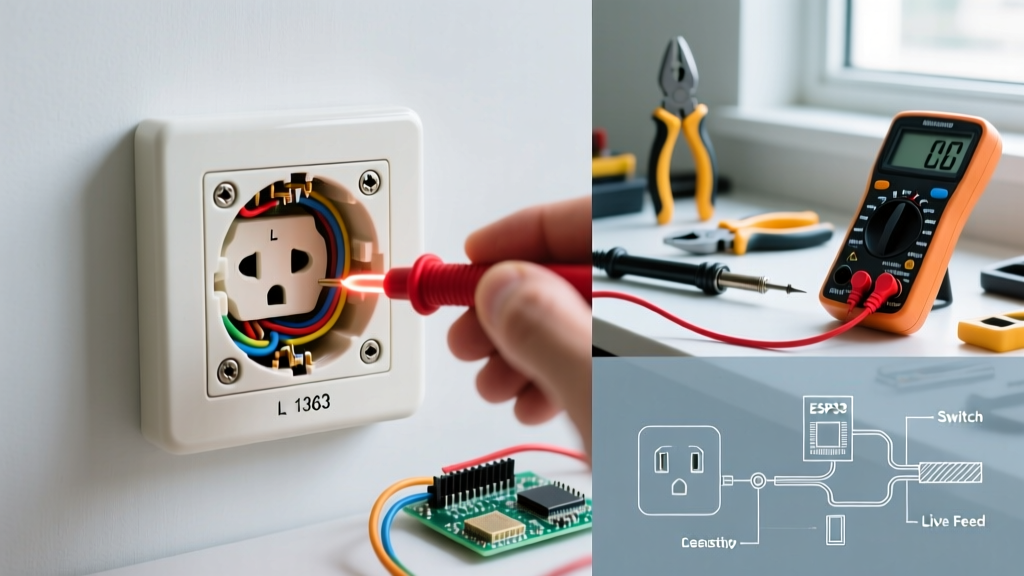
Locate the main service panel (often labeled Centro de Carga in Mexico). Turn off the corresponding breaker (pastilla). Because Mexican branch circuits are sometimes mislabeled or grouped differently than in the US, insert your non-contact voltage tester into the top and bottom slots of the existing outlet. Once the tester reads zero, use your multimeter to measure Line-to-Neutral and Line-to-Ground to confirm the circuit is completely de-energized.
Step 3: Map the Wiring (NOM-001 Color Codes)
Under the latest 2026 NOM-001-SEDE guidelines, wire colors mirror the US NEC: Black or Red for Line (Fase), White for Neutral (Neutro), and Green or Bare Copper for Equipment Ground (Tierra). However, if you are working on an older property in areas like San Miguel de Allende or Lake Chapala, you may encounter arbitrary colors (e.g., blue or green used as a hot wire). Always use a multimeter to identify the hot conductor before disconnecting the old outlet. Tag the verified Line wire with black electrical tape if the original color is misleading.
Step 4: Address the Grounding Reality (The GFCI Workaround)
Many older Mexican homes lack a true Equipment Grounding Conductor (EGC) at the receptacle level, relying instead on metallic conduit (which often has poor continuity due to loose set-screws) or simply leaving the ground lug empty. According to NFPA 70 (NEC) Section 406.4(D), which NOM-001 largely adopts, if you are replacing an ungrounded 2-prong outlet with a 3-prong NEMA 5-15R, you must protect it with a GFCI. Install a GFCI receptacle, connect only the Line and Neutral wires, leave the Ground terminal empty, and apply the included 'No Equipment Ground' sticker to the faceplate. This provides life-saving shock protection without requiring you to tear open the walls to run a new ground wire.
Step 5: Terminate and Mount the Receptacle
Strip exactly 3/4 inch of insulation from your 12 AWG or 14 AWG wires. Wrap the bare copper clockwise around the brass (Line) and silver (Neutral) terminal screws. Tighten to 14 in-lbs using your torque screwdriver. Do not use the 'backstab' push-in terminals, as the softer copper alloys sometimes found in Mexican hardware stores can deform and cause high-resistance connections over time.
When mounting the US receptacle yoke (strap) to the Mexican chalupa, you may find that the US 6-32 mounting screws do not thread into the metric M4 holes of a stamped metal box. Do not force them, as you will strip the threads. Instead, use the machine screws provided with the receptacle, or swap to a high-quality US-standard wall plate (like a Leviton PJ82-W Decora plate) which features a wider opening to hide any gaps between the US yoke and the Mexican box edges.
Troubleshooting Common Installation Failures
The GFCI Keeps Tripping: In Mexico, it is common for DIYers to accidentally bond the Neutral and Ground wires at a sub-panel or downstream receptacle. A GFCI monitors the current differential between Line and Neutral. If Neutral and Ground are touching anywhere downstream, return current will split, causing the GFCI to trip immediately. Isolate the Neutral from the Ground at all downstream boxes.
Receptacle Fits Crooked in the Wall: Mexican masonry openings around the chalupa are often uneven. If the receptacle rocks when you plug in a cord, loosen the mounting screws slightly, use a pair of needle-nose pliers to bend the yoke ears to match the wall angle, and install a thick foam leveling gasket behind the strap before tightening it back down.
Frequently Asked Questions
Can I use a 125V rated US GFCI on Mexico's 127V grid?
Yes. While Mexico's nominal voltage is 127V, UL-listed US GFCIs (tested under UL 943 standards) are designed to handle continuous voltage fluctuations of +10% or more. A 127V grid will frequently measure between 122V and 129V at the receptacle, which is well within the safe operating tolerance of modern 125V/250V rated devices like the Leviton GFNT2-W.
Do I need a special adapter for US plugs in Mexico?
No. As confirmed by the International Electrotechnical Commission (IEC), Mexico uses the exact same NEMA 1-15 and NEMA 5-15 plug configurations as the United States. Your US plugs will fit natively into Mexican receptacles without any physical or electrical adapters.
What size breaker is used for standard outlets in Mexico?
Just like in the US, standard 15-amp and 20-amp branch circuits are the norm. However, Mexican electrical panels frequently use DIN-rail mounted breakers (such as Schneider Electric Square D QO or Siemens equivalents) rather than the bolt-on or plug-in styles common in older US load centers. Ensure you purchase the correct breaker type for your specific Centro de Carga brand when upgrading a circuit.