
Navigating Maryland's Electrical Code & Permitting
When planning an electrical outlet installation in Maryland, understanding the intersection of the National Electrical Code (NEC) and state-specific amendments is critical. Maryland jurisdictions, from Montgomery County to Baltimore City, strictly enforce the latest NEC adoptions (typically the 2020 or 2023 editions depending on your exact county). Unlike some states that allow unpermitted DIY electrical work, Maryland requires homeowners to pull permits for new receptacle circuits and pass both rough-in and final inspections.
Before purchasing a single wire nut, verify your local jurisdiction's rules. For example, the Montgomery County Department of Permitting Services mandates that homeowners must occupy the home as their primary residence to perform their own electrical work, and all work must be inspected. Failing to use code-compliant materials or skipping the torque requirements can result in failed inspections, fines, or severe fire hazards.
The 2026 Maryland Outlet Installation Toolkit
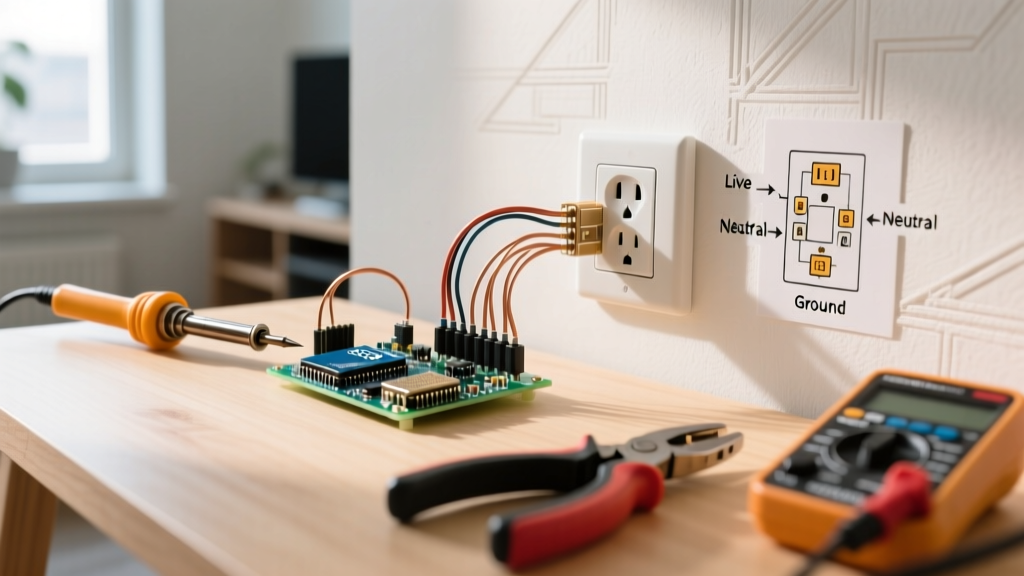
Maryland electrical inspectors are notoriously thorough. To pass a final inspection in 2026, your toolkit must go beyond basic screwdrivers and pliers. Here are the exact, professional-grade tools required for a compliant installation.
Diagnostic & Safety Gear
- Fluke 2AC-II VoltAlert Non-Contact Voltage Tester: Rated for CAT IV environments, this is non-negotiable for verifying that the breaker is truly off before opening an existing junction box. Maryland inspectors will watch to see if you test for voltage before and after working.
- Klein Tools RT100 Receptacle Tester: Essential for verifying correct wiring polarity and ground presence at the final inspection. The RT100 also tests GFCI trip functionality, which is required for all wet-area receptacles in MD.
Precision Hand Tools
- Klein Tools 11063W Katapult Wire Stripper: Designed specifically for 12 and 14 AWG solid copper wire. Nicking the copper conductor with standard pliers creates a resistive hotspot that can fail an MD thermal scan or cause a long-term fire. The Katapult ensures a clean, flush strip exactly 3/4 of an inch long.
- Klein Tools 7412 Torque Screwdriver: This is the most overlooked tool by DIYers. Under NEC Section 110.14(D), all terminal lugs on receptacles and breakers must be tightened to the manufacturer's specified torque (usually 14-16 inch-pounds for standard 15A/20A receptacles). Maryland inspectors frequently carry their own torque testers and will fail installations that are under- or over-tightened.
- Milwaukee 48-22-0012 Comfort Grip Screwdrivers: Insulated to 1000V, providing an extra layer of safety when working in crowded, multi-gang boxes where live wires may be present in adjacent circuits.
Code-Compliant Materials for Maryland Homes
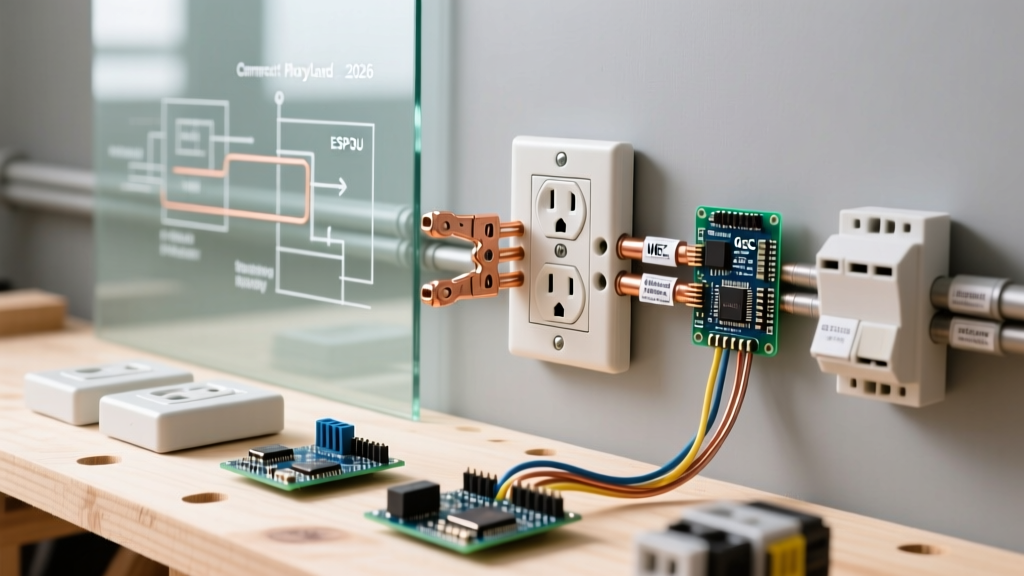
The materials you select must meet both national safety standards and local Maryland amendments. In 2026, standard receptacles are no longer acceptable in most new installations or circuit extensions.
Wiring & Junction Boxes
For any new 20-amp circuit (required in kitchens, bathrooms, and garages), you must use Southwire 12/2 NM-B (Romex) with a bare copper ground. For 15-amp lighting or bedroom circuits, 14/2 NM-B is acceptable, though many MD electricians standardize on 12 AWG to minimize voltage drop and future-proof the home.
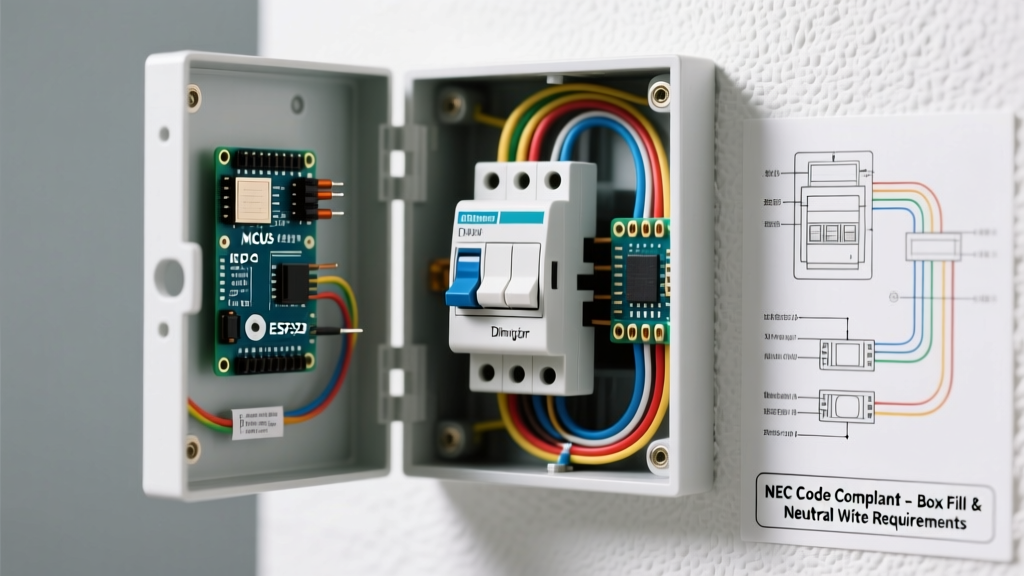
Because modern code requires bulky safety devices, standard shallow junction boxes will fail NEC Article 314.16 box-fill calculations. You must use deep boxes. The Carlon B618R-UPC Single Gang Deep Box provides 22.5 cubic inches of space, comfortably accommodating the thick wire folds and large bodies of modern safety receptacles.
Receptacles: AFCI, GFCI, and TR Mandates
Maryland strictly enforces the use of Tamper-Resistant (TR) receptacles in all residential living spaces to prevent childhood electrocution, a standard heavily supported by the Consumer Product Safety Commission (CPSC). Furthermore, Ground Fault Circuit Interrupter (GFCI) and Arc Fault Circuit Interrupter (AFCI) protections are mandatory.
- Leviton AGFTR2-2 (20A Dual Function AFCI/GFCI): If your main panel lacks AFCI breakers, you must install dual-function receptacles at the first outlet in the circuit for living rooms, bedrooms, and kitchens. This device protects against both parallel/series arcing and ground faults.
- Eaton TRGF20W (20A Tamper-Resistant GFCI): Required for all wet locations, including kitchen countertops, bathrooms, unfinished basements, and exterior MD porches.
- Ideal 34-084 Twister Wire Connectors: These specific wire nuts feature a built-in wire stripper and a square-wire spring that bites into the copper, ensuring a connection that won't vibrate loose over time—a common failure point in older Maryland homes with shifting foundations.
2026 Material & Tool Cost Matrix
| Category | Specific Item / Model | 2026 Est. Cost | MD Code / Inspection Relevance |
|---|---|---|---|
| Wire | Southwire 12/2 NM-B (250ft) | $135.00 | Required for 20A kitchen/bath circuits. |
| Box | Carlon B618R-UPC (22.5 cu in) | $2.15 / ea | Meets NEC 314.16 box-fill for large GFCI bodies. |
| Receptacle | Leviton AGFTR2-2 (Dual Function) | $38.00 / ea | Satisfies NEC 210.12 (AFCI) & 210.8 (GFCI). |
| Tool | Klein 7412 Torque Screwdriver | $115.00 | Mandatory for NEC 110.14(D) compliance. |
| Connector | Ideal 34-084 Twister (Purple) | $0.25 / ea | UL listed for 12 AWG solid copper pigtails. |
Step-by-Step Material Prep & Wiring Execution
Having the right materials is only half the battle. Proper execution is what separates a passed inspection from a failed one in Maryland.
- Strip and Prep: Use the Klein 11063W to strip exactly 3/4 inch of insulation from the black, white, and ground wires. Do not score the copper.
- Pigtail the Ground: Never daisy-chain the ground wire through the receptacle's green screw. Use an Ideal Twister wire nut to connect the incoming ground, the outgoing ground, and a 6-inch bare copper pigtail. Connect the pigtail to the receptacle's green ground screw.
- Terminate the Hots and Neutrals: Insert the stripped black (hot) and white (neutral) wires into the back-wire clamp holes of the Leviton or Eaton receptacle. Back-wiring is preferred over side-wiring (shepherd hooks) in Maryland because it provides a larger surface area for electrical contact and reduces arcing risks.
- Apply Calibrated Torque: Using the Klein 7412 torque screwdriver set to the manufacturer's specification (usually 14 in-lbs), tighten the terminal screws until the tool clicks. Pro-Tip: Use a silver paint pen to draw a line across the screw head and the terminal plate. Inspectors look for this 'torque mark' as visual proof of compliance.
- Fold and Secure: Carefully fold the wires into the 22.5 cu in Carlon box, pushing the ground wires to the back, the neutrals to the middle, and the hots to the front. Secure the receptacle with the included mounting screws.
Maryland Inspector's Note: According to the National Fire Protection Association (NFPA), improper torque and loose connections are leading causes of residential electrical fires. Maryland county inspectors will physically tug on wires and check torque marks during the final walkthrough. Do not skip the torque screwdriver step.
The Maryland Final Inspection Checklist
Before calling your local county permitting office for the final inspection, verify your installation against this checklist:
- Faceplates: Are all plates installed, unbroken, and sitting flush against the drywall? (NEC 380.9)
- GFCI/AFCI Testing: Did you press the 'TEST' button on every new safety receptacle to ensure it trips and resets correctly?
- Box Fill: Is the box overcrowded? If you added more than two cables to a standard box, you likely violated box fill rules.
- Labeling: Did you update your main electrical service panel directory to accurately reflect the new outlet circuit?
By utilizing professional-grade diagnostic tools, adhering strictly to NEC box-fill and torque requirements, and understanding Maryland's specific permitting landscape, your 2026 electrical outlet installation will be safe, durable, and fully code-compliant.