
The Case for Upgrading Your Outlet Enclosures
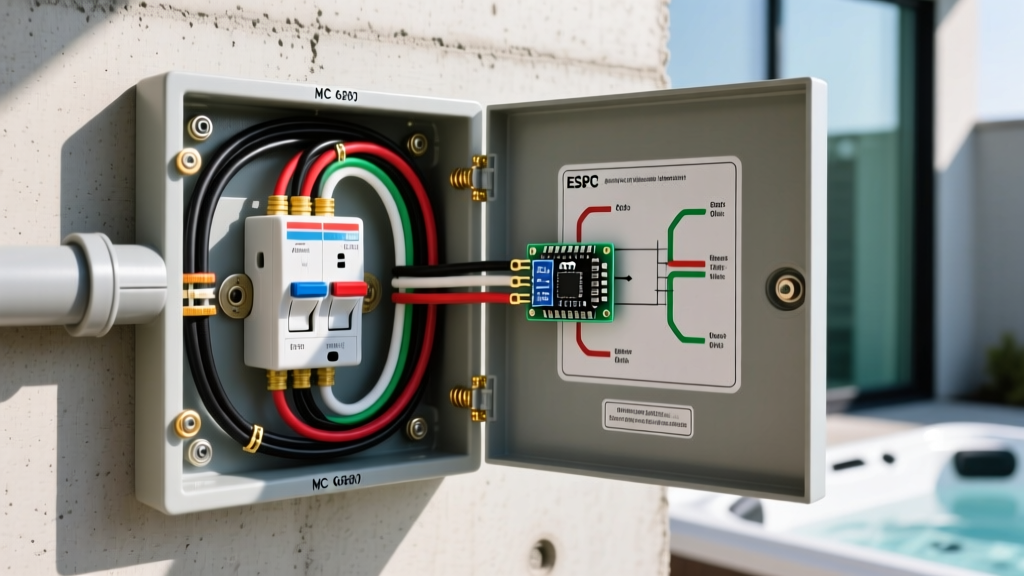
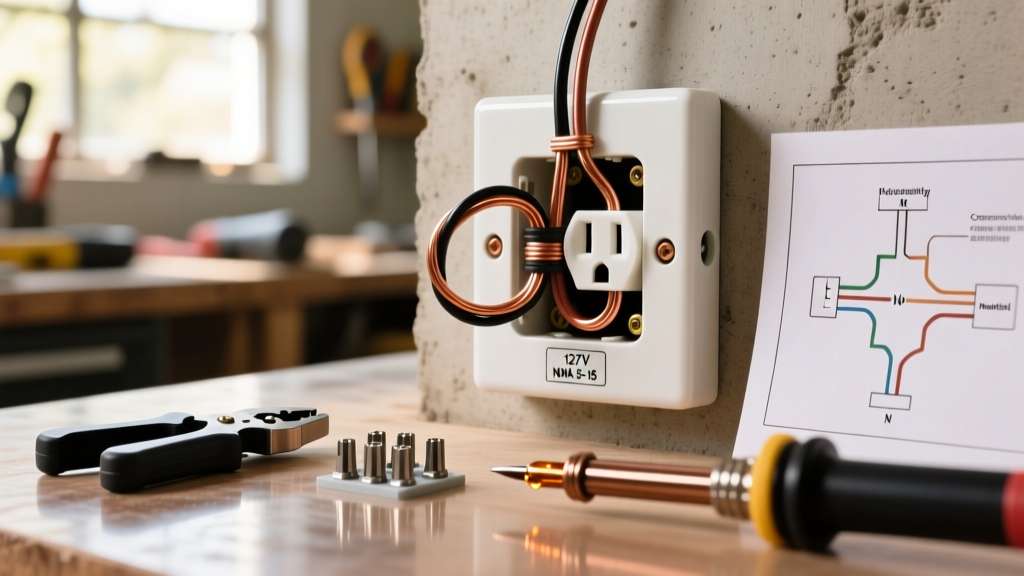
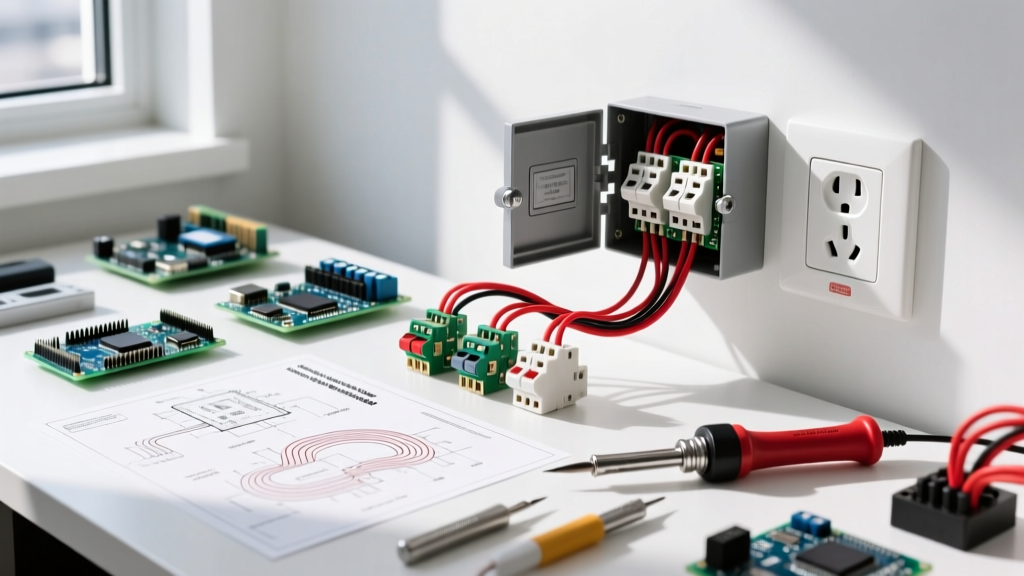
Whether you are managing a short-term rental, securing outdoor power tools at a job site, or childproofing a residential living space, leaving standard receptacles exposed is a liability. Upgrading to a dedicated lock box for electrical outlet configurations bridges the gap between basic weatherproofing and active security. In 2026, the market has evolved beyond flimsy plastic covers, offering UV-stabilized polycarbonates, die-cast aluminum security enclosures, and mechanical plug-locks that integrate seamlessly with modern smart-home devices.
This upgrade guide dissects the technical specifications, National Electrical Code (NEC) compliance requirements, and real-world installation parameters you need to select the correct enclosure for your specific use case.
Categorizing Lock Boxes: Security vs. Child Safety
When searching for an outlet lock box, buyers often conflate two entirely different product categories. Understanding the distinction is critical for both safety and code compliance.
- Outdoor Security & Weatherproof Enclosures: Designed to protect outdoor receptacles from rain, debris, and unauthorized use. These enclosures feature hinged or sliding doors with integrated padlock hasps. They must meet specific NEMA (National Electrical Manufacturers Association) ratings for environmental resistance.
- Indoor Child Safety Plug Locks: Designed to prevent toddlers from unplugging critical appliances (like refrigerators or medical equipment) or inserting foreign objects into the slots. These fit over the plug head and lock into the receptacle faceplate.
- Smart Plug / Timer Lockouts: Deep-dome enclosures designed to house bulky Wi-Fi smart plugs or mechanical timers, preventing unauthorized tampering with automation schedules in Airbnbs or commercial spaces.
Enclosure Specifications & Comparison Matrix
Below is a technical comparison of the primary lock box types available on the market, detailing their environmental ratings, materials, and average retail pricing.
| Enclosure Type | Primary Material | NEMA / IP Rating | Locking Mechanism | Avg. Cost (2026) |
|---|---|---|---|---|
| Standard Weatherproof Security | UV-Polycarbonate | NEMA Type 3R (Rainproof) | Padlock Hasp (Brass/Steel) | $18 - $28 |
| Heavy-Duty Commercial | Die-Cast Aluminum | NEMA Type 4 (Watertight) | Recessed Cylinder Lock | $45 - $75 |
| Deep-Dome Smart Plug Box | ABS Plastic / Poly | NEMA Type 3R | Padlock Hasp / Latch | $25 - $40 |
| Indoor Child Safety Lock | Impact-Resistant Nylon | Indoor Only (N/A) | Swivel Key / Push-Button | $8 - $15 (Multi-pack) |
For a comprehensive breakdown of environmental enclosure standards, refer to the UL (Underwriters Laboratories) Guide to Enclosure Types, which details the exact testing parameters for NEMA and IP ratings.
Top-Rated Models and Real-World Pricing
1. Taymac WL100 Weatherproof Receptacle Cover (Best Overall Security)
The Taymac WL100 remains the industry standard for residential outdoor upgrades. Constructed from heavy-duty polycarbonate, it offers 2-3/4 inches of internal depth, making it suitable for most standard smart plugs. The integrated hasp accommodates standard padlocks up to 5/16 inch in shackle diameter. Price: ~$24. Failure Point: The foam gasket can compress over 3-5 years, requiring replacement to maintain the Type 3R rating.
2. PlugLock Mechanical Outlet Lock (Best for Indoor Appliance Security)
Unlike traditional boxes that mount to the wall, the PlugLock is a patent-pending device that plugs directly into the receptacle and locks over the inserted plug. It is ideal for securing sump pumps, freezers, or indoor server racks where wall-mounted enclosures are impractical. Price: ~$39 per unit.
3. Safety 1st Swivel Childproof Lock (Best for Toddler Safety)
For indoor childproofing, the Safety 1st Swivel allows plugs to be inserted and then locks the swivel cover over the plug head. It accommodates both 2-prong and 3-prong standard plugs. According to the U.S. Consumer Product Safety Commission (CPSC), securing accessible outlets and cords is a primary defense against pediatric electrical shock and strangulation hazards. Price: ~$9 for a 2-pack.
Step-by-Step Installation: Outdoor Security Enclosures
Upgrading from a standard bubble cover to a locking security enclosure requires precision to maintain the integrity of your exterior weather barrier. Follow this workflow for a single-gang or double-gang outdoor receptacle.
- Power Isolation: Turn off the circuit breaker supplying the outdoor receptacle. Verify zero voltage using a non-contact voltage tester (NCVT) and a multimeter at the terminals.
- Remove Existing Cover: Unscrew the 6-32 or 8-32 mounting screws holding the current weatherproof cover. Carefully pull the cover away to expose the receptacle and wiring box.
- Inspect the Caulk Line: Scrape away old, brittle silicone or acrylic latex caulk from the siding and the existing mounting flange. Moisture trapped behind old caulk is the leading cause of wood rot around outdoor boxes.
- Apply Fresh Sealant: Run a continuous bead of 100% silicone exterior sealant (e.g., GE Silicone II) along the top and sides of the new lock box flange. Pro-Tip: Leave the bottom edge uncaulked to allow any internal condensation to weep out, a requirement for proper NEMA Type 3R installation.
- Mount and Wire: Feed the receptacle through the new enclosure. Secure the box using the provided stainless steel mounting screws. If mounting to masonry or stucco, use lead anchors or Tapcon screws.
- Gasket Alignment: Ensure the neoprene or foam gasket is seated evenly between the cover and the base before tightening the hinge screws. Over-tightening can warp polycarbonate, breaking the weather seal.
Navigating NEC Compliance and Accessibility Codes
When installing a lock box for an electrical outlet, you must navigate the National Electrical Code (NEC) definitions of accessibility. This is where many DIYers and even some contractors make critical errors.
Expert Insight: The NEC defines 'Readily Accessible' as capable of being reached quickly for operation, renewal, or inspections without requiring those to whom ready access is requisite to climb over or remove obstacles. Locking an indoor GFCI receptacle inside a keyed box violates this code if the key is not immediately available on-site.
According to the National Fire Protection Association (NFPA), which publishes the NEC, outdoor receptacles must be GFCI protected and readily accessible. However, the NEC allows for outdoor enclosures to be locked for security purposes, provided the enclosure is designed to be opened without destroying the box (e.g., using a padlock or keyed cylinder).
The Edge Case: If you are upgrading an outdoor outlet that powers a critical appliance (like a pond pump or exterior freezer), and you lock the GFCI inside a padlock box, a tripped breaker will require the user to fetch a key to reset it. While legally permissible outdoors, it is a functional nuisance. For these scenarios, upgrade to a GFCI breaker at the main panel and use a standard non-GFCI receptacle inside the lock box, eliminating the need to open the padlocked enclosure for resets.
Troubleshooting Common Failure Modes
UV Degradation and Plastic Brittleness
Cheap ABS plastic enclosures purchased from unverified online marketplaces often lack UV inhibitors. Within 18 to 24 months of direct sun exposure, the polycarbonate chains break down, causing the hasp to snap when a padlock is forced. Solution: Only purchase enclosures explicitly labeled as 'UV-Stabilized Polycarbonate' or upgrade to powder-coated die-cast aluminum for south-facing or west-facing installations.
Smart Plug Clearance Issues
Modern Wi-Fi smart plugs (like the Kasa EP25 or Wyze Plug Outdoor) have deep internal transformers. Standard flat weatherproof covers offer only 1.5 inches of clearance. When the smart plug is inserted, the cover cannot close, compromising the weather seal and allowing rain to short the device. Solution: Measure your smart plug's depth from the prongs to the back of the housing. Purchase a 'Deep Dome' or 'Extra Capacity' lock box that specifies at least 2.75 inches of internal clearance.
Padlock Corrosion and Seizure
Using a standard brass or steel padlock in a coastal or high-humidity environment will result in a seized shackle within one winter season. The lock box hasp will remain intact, but the lock itself will become immovable. Solution: Always pair your outdoor lock box with a marine-grade stainless steel padlock (e.g., Abus Marine Series) or a weatherproof combination lock featuring a Teflon-coated shackle.
Frequently Asked Questions
Can I install a lock box over an existing indoor wall outlet?
Yes, but indoor security boxes (often used in schools or workplaces to prevent phone charging or unauthorized appliance use) do not require weather gaskets. Ensure the box does not obstruct adjacent switches or outlets on a multi-gang plate.
Will a lock box interfere with my outdoor Wi-Fi signal?
Polycarbonate and ABS plastic lock boxes are entirely transparent to 2.4GHz and 5GHz Wi-Fi signals. However, if you upgrade to a heavy-duty die-cast aluminum enclosure, the metal will act as a Faraday cage, severely degrading the signal of any smart plug housed inside.
How do I replace a lost key for a built-in cylinder lock box?
Most commercial die-cast enclosures use standardized utility cylinder locks (often keyed alike across a brand's lineup). If the key is lost, a licensed locksmith can usually pick and re-key the small tubular or wafer tumbler lock in under 10 minutes without damaging the aluminum housing.