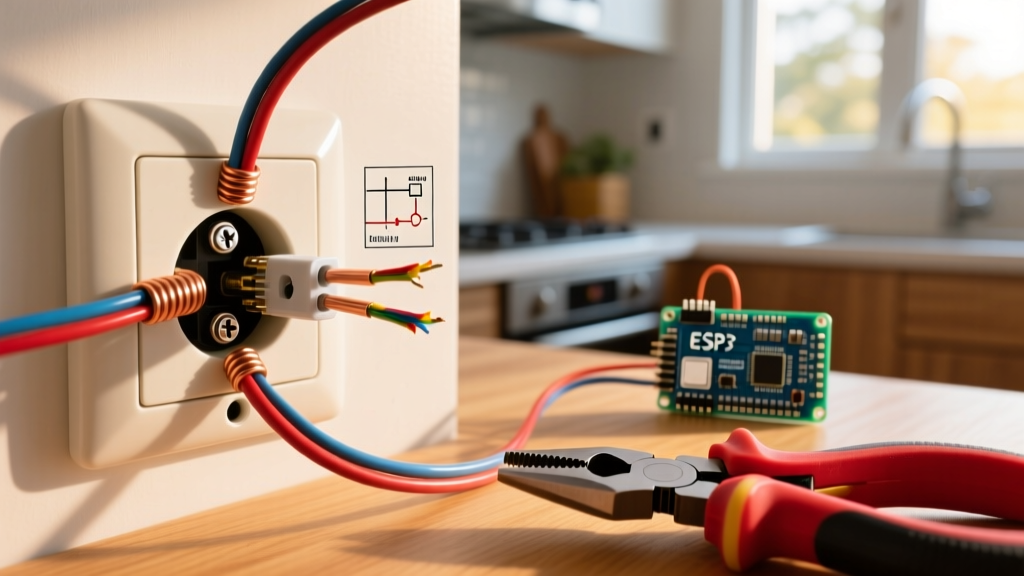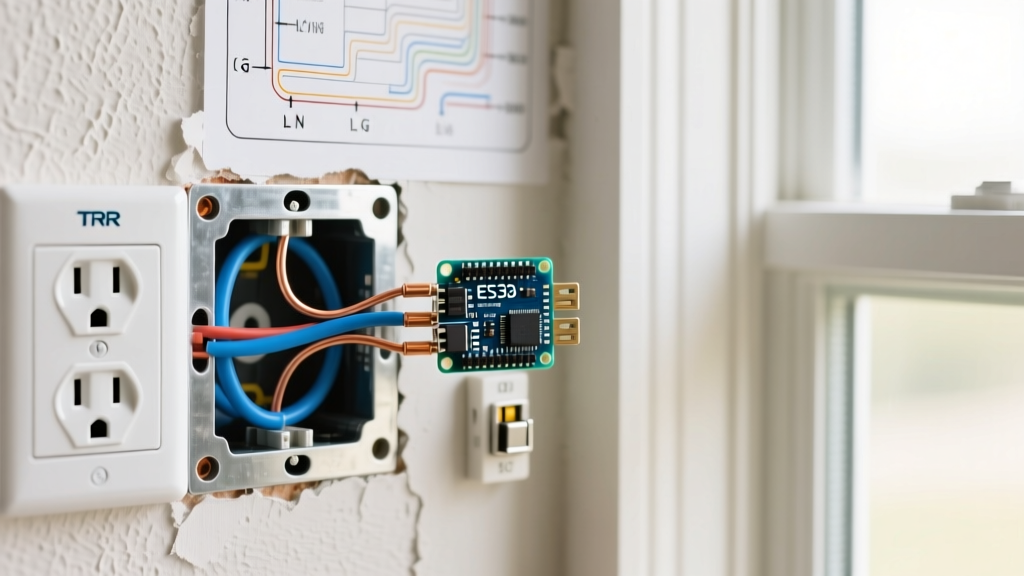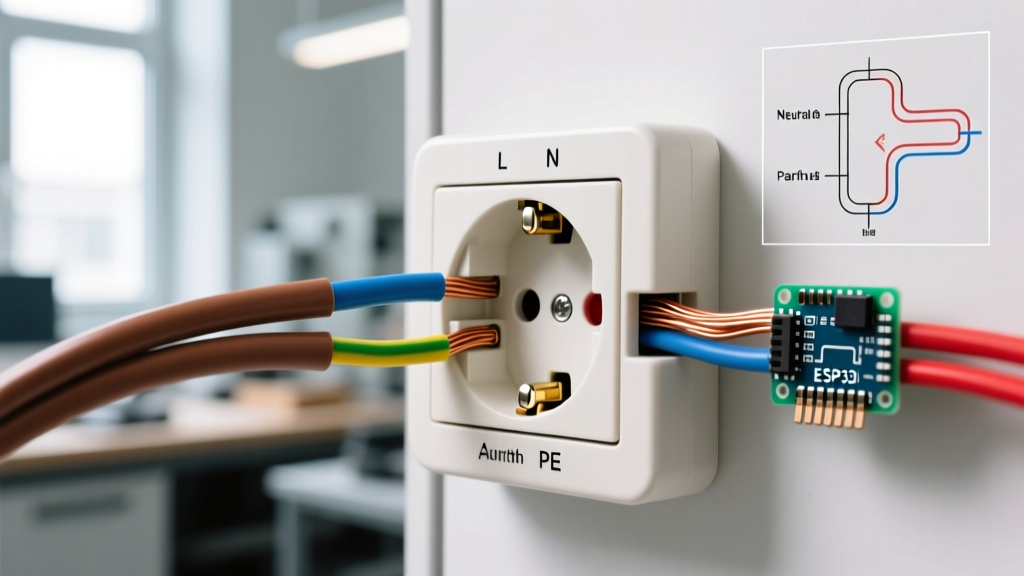

Understanding the 240V Electrical Outlet Adapter Ecosystem
As electric vehicle (EV) adoption accelerates in 2026, Level 2 home charging has transitioned from a luxury to a necessity. However, a common bottleneck arises when homeowners attempt to bridge older 3-prong dryer receptacles with modern 4-prong EV mobile connectors. This is where a heavy-duty electrical outlet adapter enters the picture. While plug-and-play adapter cords (such as a NEMA 10-30P to 14-50R pigtail) are widely available, using them without a properly installed and code-compliant base receptacle is a leading cause of thermal runaway and melted plug faces.
This guide details the step-by-step installation of a dedicated NEMA 14-50R base receptacle, ensuring your electrical outlet adapter cord operates within safe thermal limits, while strictly adhering to the latest National Electrical Code (NEC) mandates for continuous loads.
Tools, Materials, and 2026 Cost Breakdown
Before opening your main service panel, gather the precise materials required for a 50-amp continuous circuit. Do not substitute wire gauges or breaker types.
| Component | Specification | Est. Cost (2026) |
|---|---|---|
| Double-Pole Breaker | 50A GFCI (Square D HOM250GFI or equiv.) | $115 - $140 |
| Conductors | 6 AWG Copper THHN (Black, Red, White, Green) | $1.80 / ft |
| Receptacle | NEMA 14-50R (Leviton 279-S00) | $18 - $25 |
| Conduit & Fittings | 1-inch EMT or PVC with sweep elbows | $45 - $60 |
| Torque Screwdriver | Calibrated to 14 in-lbs (Crucial for NEC 110.14) | $35 - $50 |
Note: Total material costs for a standard 30-foot run typically range between $250 and $350, excluding permits and professional labor if you opt not to DIY the panel tie-in.
Critical Code Mandates: GFCI and Torque Requirements
NEC Article 625.54 & 110.14(D) Warning:
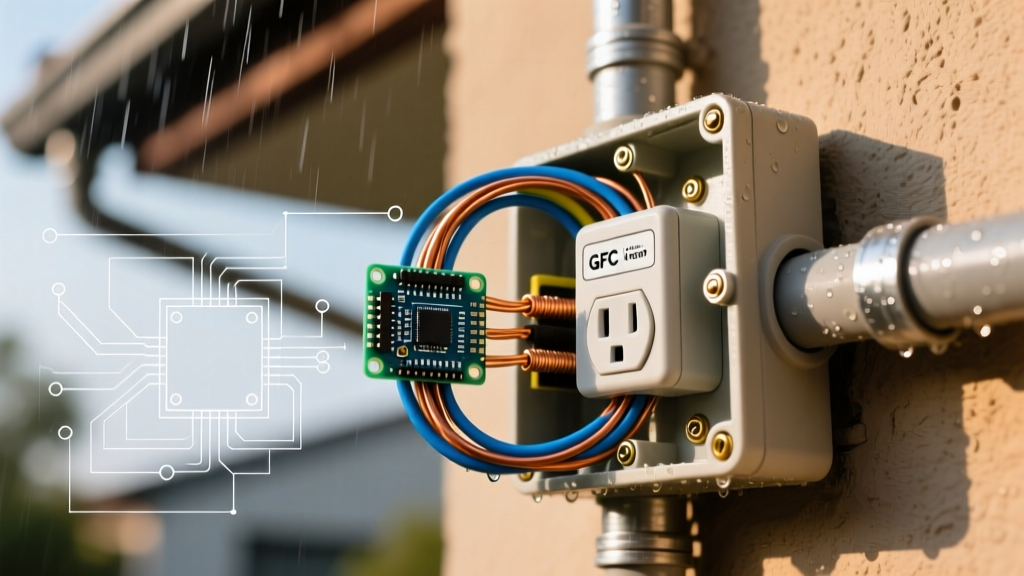
Under the current NEC framework, any 14-50R receptacle installed in a garage or outdoor location for EV charging must be protected by a Class A GFCI device. Furthermore, NEC 110.14(D) mandates that all terminal connections on circuits rated 100A or less must be torqued to the manufacturer's specified values using a calibrated tool. Hand-tightening is no longer code-compliant and will fail inspection. Always verify current local amendments via the NFPA NEC guidelines.
Step-by-Step Installation: NEMA 14-50R Base Receptacle
Step 1: Panel Prep and GFCI Breaker Installation
- De-energize the Panel: Turn off the main service disconnect. Verify zero voltage at the bus bars using a CAT III multimeter.
- Install the 50A GFCI Breaker: Snap the 50A double-pole GFCI breaker into the designated 240V slot. Connect the neutral pigtail from the breaker directly to the panel's neutral bar. Do not share neutral bars with grounding bars in a main panel, but ensure they are bonded.
- Land the Conductors: Strip exactly 3/4 inch of insulation from the 6 AWG black and red THHN wires. Land them on the breaker's hot terminals and torque to the manufacturer's specification (typically 35-40 in-lbs for 6 AWG on standard Square D breakers).
Step 2: Pulling Wire and Conduit Routing
Route your 1-inch conduit from the panel to the garage wall where the EV will park. The U.S. Department of Energy recommends placing the receptacle 18 to 24 inches above the floor to prevent physical damage and water ingress. Pull the four 6 AWG THHN wires (Black, Red, White, Bare Copper) through the conduit using a fiberglass fish tape. Apply wire pulling lubricant to prevent insulation scoring on sweep elbows.
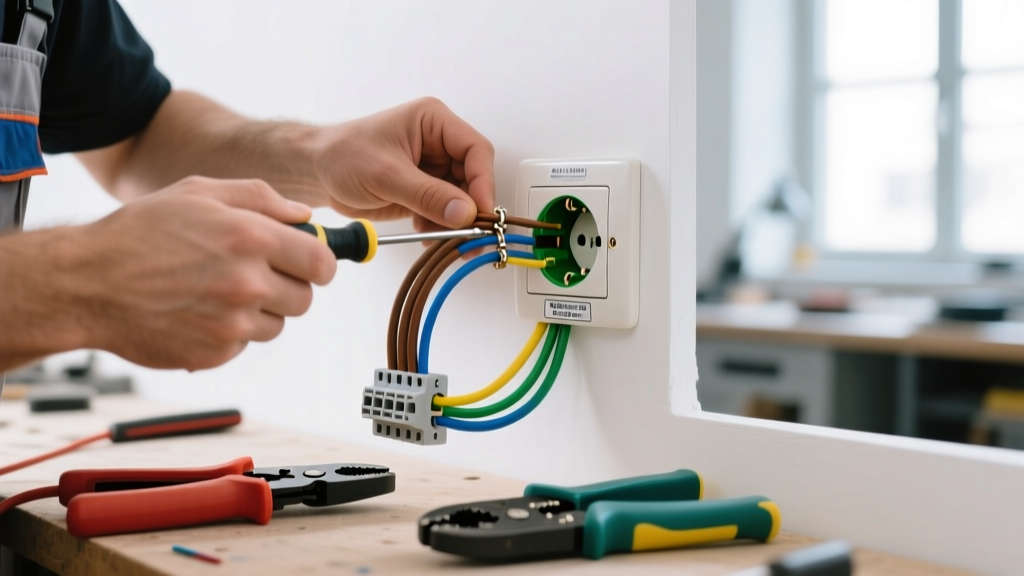
Step 3: Terminating the 14-50R Receptacle
This is where most DIY failures occur. The Leviton 279-S00 requires precise termination to handle 40 amps of continuous EV charging load without overheating.
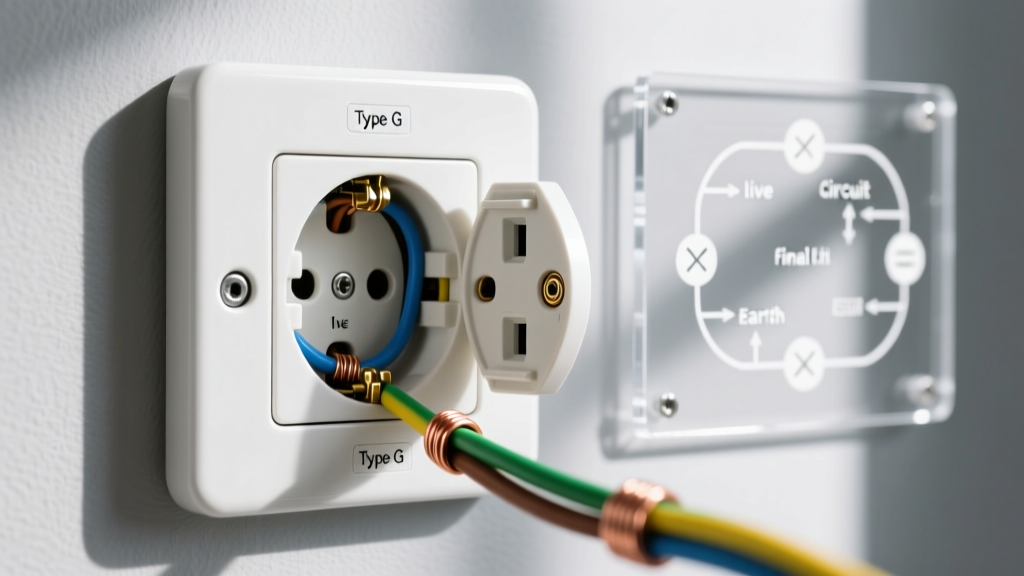
- Ground (Green/Bottom): Land the bare copper wire. Torque to 14 in-lbs.
- Neutral (White/Top): Land the white THHN wire. Torque to 14 in-lbs.
- Hot X & Y (Black & Red/Sides): Land the black and red wires on the brass hot terminals. Torque to 14 in-lbs.
Pro-Tip: Use a digital torque screwdriver. Over-torquing strips the brass threads, while under-torquing creates micro-arcing and high resistance, leading to melted adapter plugs.
Safely Integrating the Electrical Outlet Adapter
Once the 14-50R base receptacle is installed and tested, you can safely integrate your electrical outlet adapter. If your EV mobile connector features a 14-50 plug, simply insert it. However, if you are using a specialized adapter cord (e.g., adapting a 14-50R wall outlet to a 6-50P welder plug or an older EVSE), you must observe the 80% Continuous Load Rule.
A 50-amp circuit can only safely deliver 40 amps continuously (for 3 hours or more). If your electrical outlet adapter cord is rated for 30 amps (such as a 10-30 adapter pigtail mistakenly plugged into a 14-50R via a secondary adapter), you must manually derate your EVSE software to 24 amps. Failing to derate the EVSE will cause the adapter cord's internal wiring to overheat, bypassing the 50A wall breaker's trip curve and resulting in a fire hazard.
Troubleshooting Common Adapter Failures
| Symptom | Root Cause | Corrective Action |
|---|---|---|
| Adapter plug face is warm/hot to touch | Under-torqued terminal screws at the 14-50R base receptacle. | De-energize circuit and re-torque all 14-50R terminals to exactly 14 in-lbs. |
| EVSE halts charging with 'Ground Fault' error | Neutral and Ground bonded at the receptacle, or upstream GFCI tripping. | Ensure neutral (white) and ground (bare) are strictly isolated at the 14-50R. |
| Adapter cord melting at the prongs | EVSE drawing 40A through a 30A-rated adapter cord without software derating. | Access EVSE internal DIP switches or app settings to limit max draw to 24A. |
Expert FAQ
Can I use a standard travel electrical outlet adapter for my EV?
Absolutely not. Standard travel adapters are rated for 10A to 15A at 120V/240V and lack the thermal mass and heavy-duty contact tension required for Level 2 EV charging. Always use heavy-duty, UL-listed NEMA adapter pigtails specifically rated for EVSE continuous loads.
Do I need a permit to install the base receptacle for my adapter?
Yes. According to OSHA electrical safety standards and local AHJ (Authority Having Jurisdiction) requirements, any new 240V circuit installation requires a permit and inspection. This ensures your GFCI protection and wire gauges meet life-safety codes.
Why did my 50A breaker trip when using a 30A adapter cord?
If your EVSE is set to draw 40A, and you are using a 30A-rated electrical outlet adapter cord, the cord may experience severe voltage drop. This voltage drop causes the EVSE to pull higher amperage to compensate for the power deficit, eventually tripping the 50A GFCI breaker. Always match your EVSE software limits to the lowest-rated component in your charging chain.