
Understanding the Greece Electrical Outlet Type
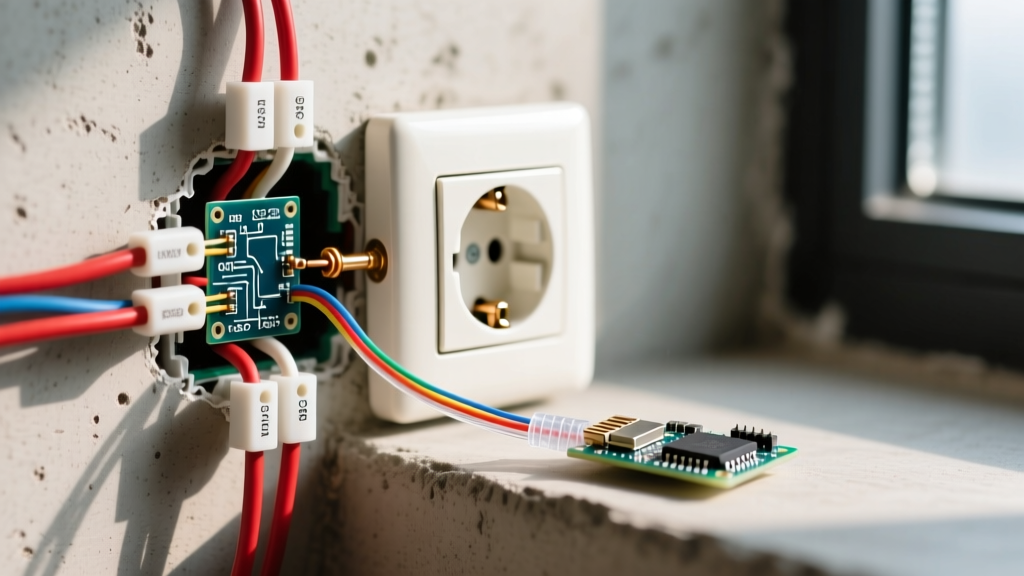
Whether you are renovating a historic apartment in Athens, upgrading a vacation villa in the Cyclades, or simply replacing a damaged wall socket, understanding the local electrical infrastructure is critical. The standard greece electrical outlet type for modern residential and commercial properties is the Type F socket, universally known as the 'Schuko' (Schutzkontakt) receptacle. Greece operates on a 230V supply voltage and 50Hz frequency, fully harmonized with the broader European Union electrical standards.
According to the IEC World Plugs guide, Type F (CEE 7/3) features two round pins for line and neutral, alongside two earthing clips on the sides of the socket. While you may still encounter the ungrounded Type C (Europlug) recesses in older, unrenovated Greek properties, modern installations strictly mandate the grounded Type F for all standard 16A power circuits to comply with Hellenic Standard ELOT HD 384.
| Feature | Type C (Europlug) | Type F (Schuko - Standard) |
|---|---|---|
| Grounding | No (Ungrounded) | Yes (Side Earth Clips) |
| Max Current | 2.5 Amps | 16 Amps |
| Pin Diameter | 4.0 mm | 4.8 mm |
| Common Use in Greece | Old lighting circuits, shaver sockets | General purpose wall outlets, appliances |
Tools and Materials for Greek Installations
Before beginning, ensure you have the correct materials. Greek hardware stores (like Leroy Merlin Greece or local electrical wholesalers) stock standard EU-compliant components. A high-quality Type F socket, such as the Legrand Valena Life (Ref: 770011) or Schneider Electric Unica, typically costs between €5.50 and €9.00.
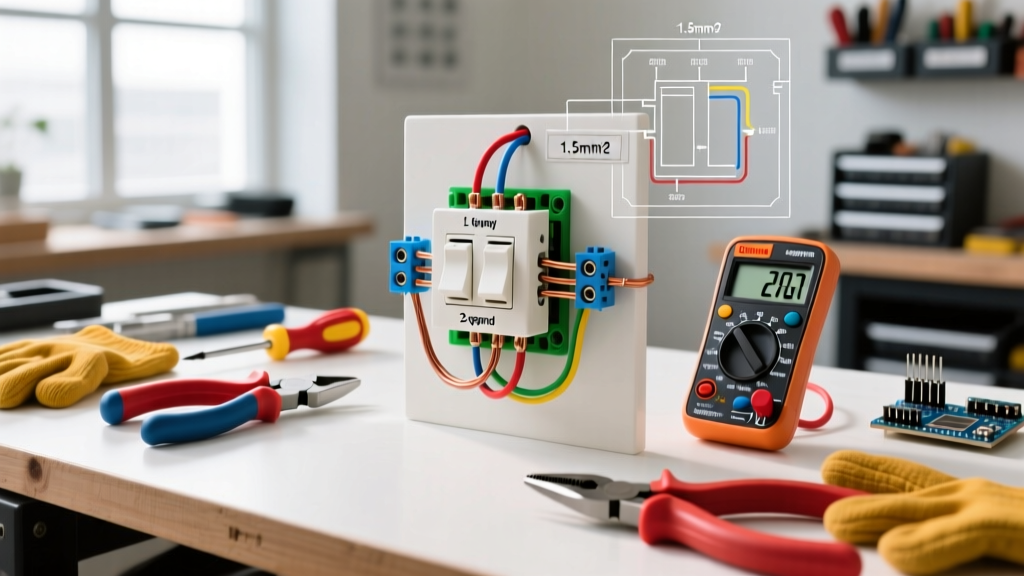
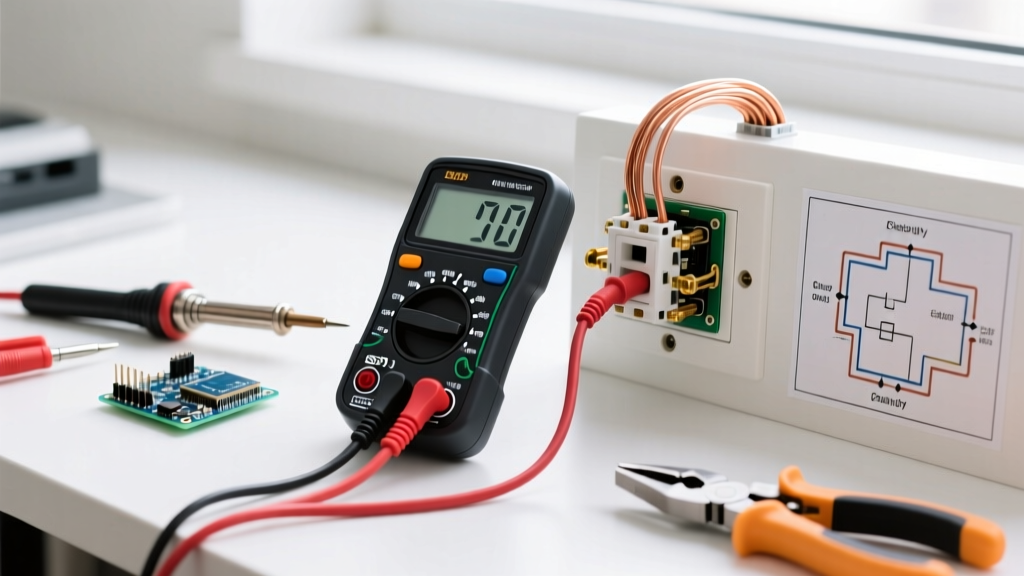
- Voltage Tester / Multimeter: Fluke 117 or a standard non-contact voltage tester.
- Wire Strippers: Calibrated for 2.5mm² solid copper wire (e.g., Knipex MultiStrip 10).
- Screwdrivers: Phillips #2 and a flathead/slotted (4.0mm) for terminal screws.
- Type F Schuko Socket: 16A, 250V rated with child protection shutters.
- 68mm Backbox Adapter: Only needed if replacing sockets in pre-1980s non-standard rectangular wall cavities.
Step-by-Step Installation Guide
Step 1: Isolate the Circuit and Verify
Locate your main distribution board (often branded with Hager, ABB, or Schneider Electric breakers in Greece). Identify the Miniature Circuit Breaker (MCB) controlling the room's socket ring or radial circuit. Greek MCBs are typically rated at 16A (C16) for standard socket circuits wired with 2.5mm² cable. Switch the breaker to the OFF position. Use your non-contact voltage tester at the existing outlet to confirm the power is completely dead before touching any wires.
Step 2: Remove the Old Faceplate and Inspect the Backbox
Unscrew the central retaining screw or carefully pry off the faceplate using a flathead screwdriver wrapped in electrical tape to prevent scratching the wall. Modern Greek properties use standard 68mm diameter flush-mounted backboxes embedded in the brick or drywall. If you are working in an older Athenian apartment built before the 1980s, you may find the wires emerging directly from the plaster without a backbox. In this case, you must install a surface-mounted adapter ring or carefully chisel and embed a modern 68mm backbox to ensure the new Type F socket sits flush and secure.
Step 3: Prepare and Terminate the Wires
Greece follows the standard IEC/EU harmonized color code for electrical wiring. You will be working with 2.5mm² solid copper conductors:
- Brown: Line / Phase (L)
- Blue: Neutral (N)
- Green/Yellow: Protective Earth (PE)
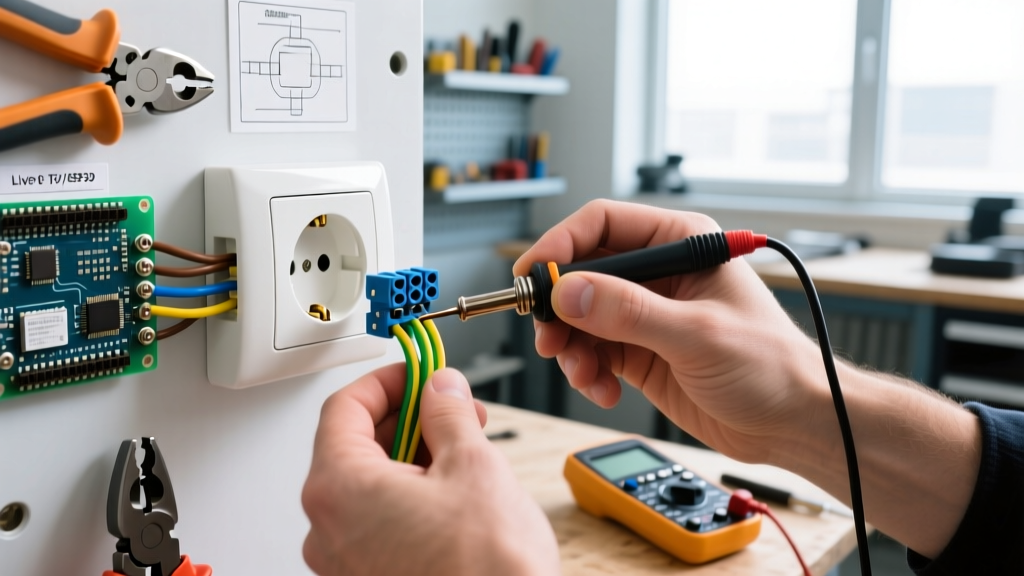
Strip exactly 12mm of insulation from the end of each wire. If your chosen Type F socket (like the Legrand Valena Life) features push-in automated terminals, simply insert the stripped wire until it clicks. If using traditional screw-clamp terminals, wrap the wire clockwise around the screw post and tighten to a torque of approximately 0.5 Nm. Ensure no bare copper is exposed outside the terminal block to prevent short circuits.
Expert Tip: While the Type F Schuko socket is physically unpolarized (meaning the plug can be inserted upside down), best practice dictated by the official Schuko organization and local Greek electricians is to wire the Brown (Line) to the right-hand terminal and Blue (Neutral) to the left when facing the socket, ensuring consistency across the property.
Step 4: Mount and Secure the Socket
Carefully fold the wires into the backbox in a gentle 'Z' or 'U' shape to avoid pinching the insulation against the sharp edges of the metal or plastic box. Align the Type F faceplate over the 68mm opening. Use the two expansion screws provided with the socket to secure the mounting claws into the sides of the backbox. Alternatively, if your backbox has pre-drilled M3.5 screw holes at 60mm spacing, use the direct fixing screws for a more rigid hold, which is highly recommended for heavy-duty kitchen appliances.
Step 5: Final Testing
Restore power at the distribution board. Use a dedicated socket tester (with RCD trip functionality if your circuit is protected by a 30mA Residual Current Device, as mandated by ELOT HD 384 for all general-use sockets in Greece). The tester should show two green lights, indicating correct wiring and a solid earth connection.
Common Edge Cases in Older Greek Properties
Missing Earth Wire: In properties built prior to 1975, it is common to find only two wires (Brown/Black and Blue/Grey) in the wall, with no Green/Yellow earth wire. Do not install a Type F Schuko socket without a ground connection. If no earth is available, you must either run a new 3-core cable from the distribution board or, as a temporary safety measure permitted under specific legacy clauses, install a Type C ungrounded socket, though upgrading the circuit is the only code-compliant permanent solution.
Aluminum Wiring: Some budget constructions from the late 1970s utilized aluminum wiring. Standard brass terminals on modern Type F sockets can suffer from galvanic corrosion when connected directly to aluminum. You must use specialized bi-metallic connectors or apply an antioxidant compound before terminating.
Frequently Asked Questions
Can I install a UK Type G or US Type B outlet in my Greek home?
While physically possible to wire a US or UK socket using adapters, it is highly discouraged and violates local ELOT safety codes. The Greek grid supplies 230V/50Hz. A US Type B socket would deliver 230V to devices expecting 120V, causing immediate catastrophic failure and fire risk. Always stick to the native Greece electrical outlet type (Type F).
Are outdoor outlets in Greece different?
Outdoor installations in Greece require the same Type F Schuko pin configuration, but the socket must be housed in an IP55 or IP66-rated weatherproof enclosure with a spring-loaded flap cover to protect against moisture and salt air, especially in coastal regions like Crete or the Aegean islands.