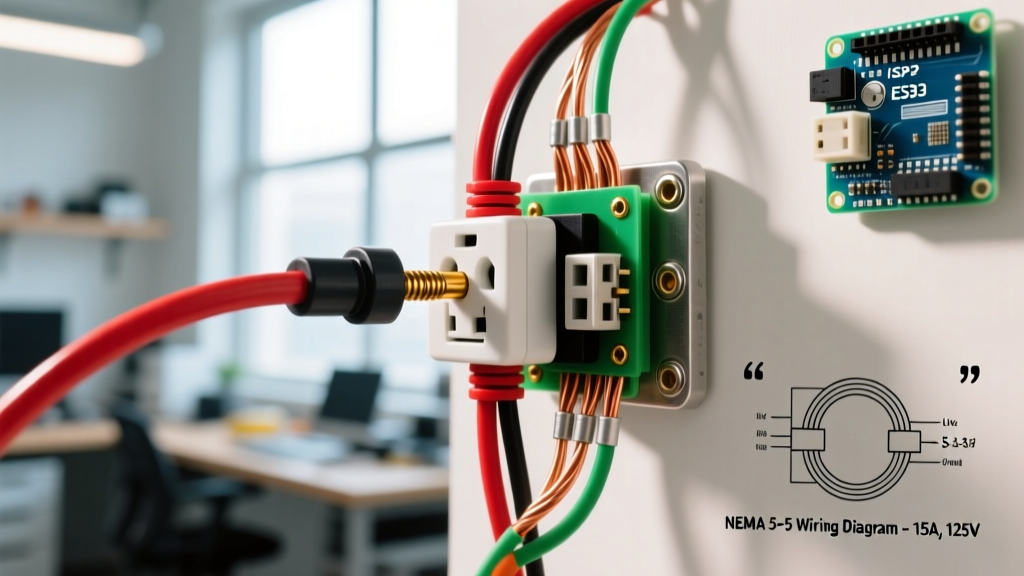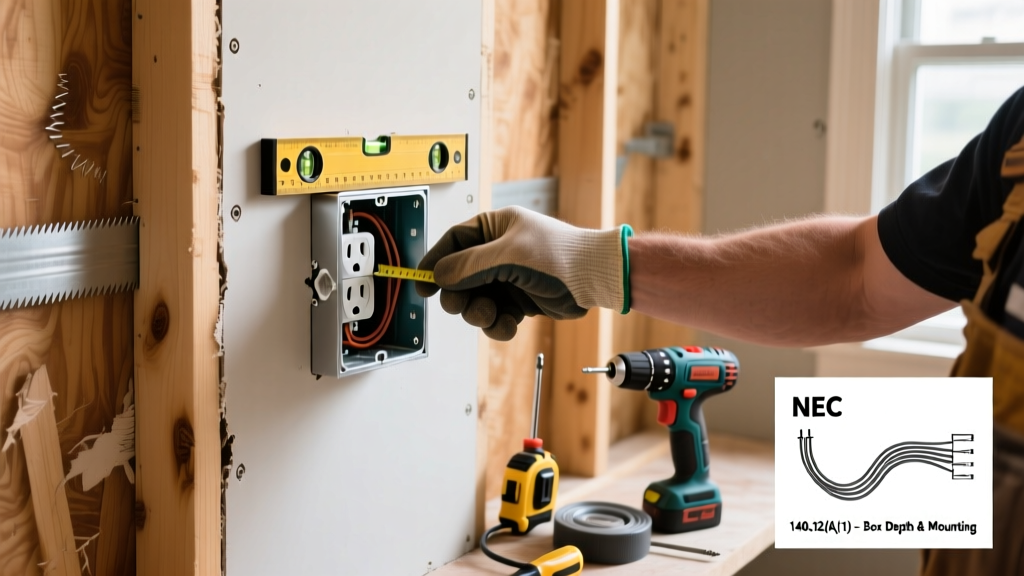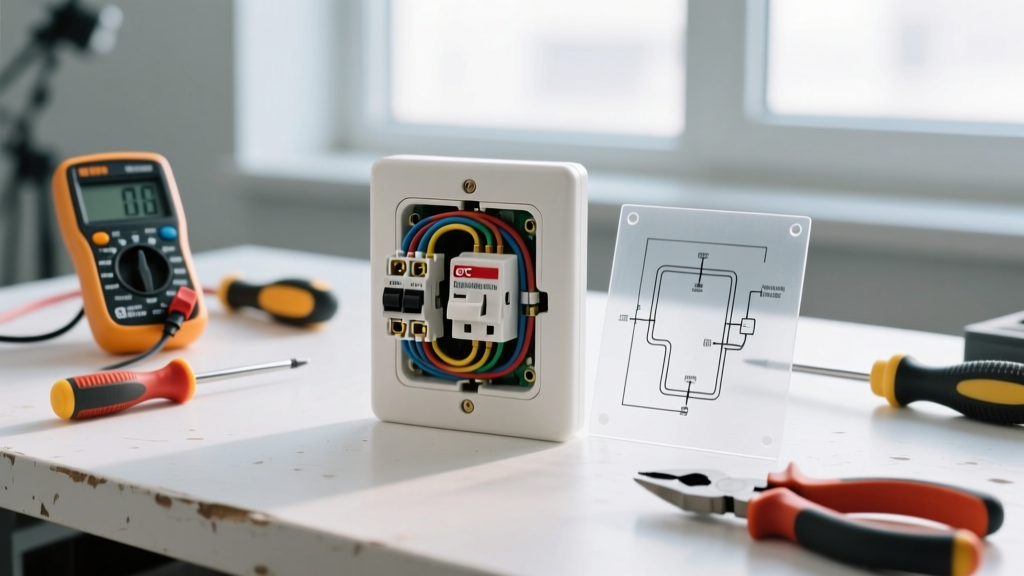

The Core Toolkit for Outlet Resetting & Diagnosis
Knowing how to reset an electrical outlet usually starts with pushing a button on a GFCI (Ground Fault Circuit Interrupter) or resetting a tripped breaker. However, when an outlet refuses to reset, trips immediately, or feels dead, the task shifts from a simple button-push to a diagnostic procedure. As a DIYer or professional electrician, approaching this task with the right tools and materials is critical for safety and code compliance.
Before attempting any physical reset or teardown, you must verify the circuit's status and identify potential wiring faults. Below is the essential toolkit required for diagnosing, resetting, and ultimately replacing faulty receptacles in 2026.
| Tool Category | Recommended Model | Est. Price | Primary Application |
|---|---|---|---|
| Non-Contact Voltage Tester (NCVT) | Fluke 1AC-II VoltAlert | $32.00 | Verifying power-off status before removing faceplates. |
| GFCI Receptacle Tester | Klein Tools RT250 | $38.00 | Simulating ground faults and reading wiring topology. |
| Multi-Bit Screwdriver | Milwaukee 48-22-2210 (11-in-1) | $24.00 | Removing faceplates and terminal screws without stripping. |
| Torque Screwdriver | CDI 2-10 in-lb Dial | $135.00 | Ensuring NEC 110.14(D) compliant terminal tightness. |
| Wire Strippers | Klein Tools 11055 (10-20 AWG) | $26.00 | Prepping 14 AWG and 12 AWG solid copper conductors. |
Step-by-Step: How to Reset an Electrical Outlet Safely
A standard GFCI outlet features two buttons in the center: 'TEST' and 'RESET'. If a ground fault occurs (such as a hairdryer falling into a sink), the internal solenoid trips, cutting power to the face of the receptacle and any downstream outlets wired to its 'LOAD' terminals.
- Clear the Circuit: Unplug all devices from the tripped GFCI and any downstream outlets. A faulty appliance can cause immediate re-tripping.
- Perform an NCVT Sweep: Use your Fluke 1AC-II to scan the face of the outlet. Even if tripped, the 'LINE' side terminals inside the box remain energized. This step confirms the presence of upstream voltage.
- Apply Firm Pressure: Press the 'RESET' button firmly. You must hear and feel a distinct, mechanical 'click'. If the button feels mushy or springs back immediately without clicking, the internal solenoid has likely failed.
- Verify with a Receptacle Tester: Plug in the Klein Tools RT250. The display should indicate 'CORRECT'. If it shows 'Open Ground' or 'Hot/Neutral Reverse', the reset was successful, but the wiring is dangerously flawed and requires immediate teardown.
Expert Insight: If the reset button will not stay depressed, do not force it with a tool. Modern Class A GFCIs are designed to lock out permanently if the internal sensing coil is damaged or if the line/load wires were reversed during initial installation.
When Resetting Fails: Materials for GFCI Replacement
If your outlet fails to reset, the internal electronics have reached end-of-life (typically 10-15 years for solid-state GFCIs). You will need to replace the receptacle. Sourcing the correct materials ensures your repair meets current 2026 National Electrical Code (NEC) standards.
Essential Replacement Materials
- Tamper-Resistant GFCI Receptacle: Leviton Decora 15 Amp (Model R52-08599-00W). Priced around $18, this model features automatic self-testing and tamper-resistant shutters, which are mandatory in all dwelling unit areas per NEC Article 406.12.
- Wire Connectors: Ideal 34 Yellow Wire-Nuts (for 12 AWG to 14 AWG pigtails). Avoid push-in connectors for GFCI load-side splices; mechanical twist-on or crimp connectors provide superior vibration resistance.
- Electrical Tape: 3M Super 33+ Vinyl Tape. Use this to wrap the sides of the new GFCI, covering the exposed terminal screws to prevent accidental grounding against the metal electrical box.
- Weather-Resistant (WR) Enclosure: If the outlet is outdoors, a standard GFCI is insufficient. You must use a WR-rated receptacle (e.g., Leviton GFWT1-W) paired with an extra-duty while-in-use bubble cover.
Troubleshooting Matrix: Outlet Reset Failure Modes
When learning how to reset an electrical outlet, you will inevitably encounter edge cases where the reset fails due to external circuit conditions. Use this matrix to diagnose complex failures.
| Symptom | Root Cause | Tool/Material Solution |
|---|---|---|
| Button clicks, but trips instantly under load. | Shared neutral on a Multi-Wire Branch Circuit (MWBC) causing neutral current imbalance. | Use a digital multimeter to measure neutral current; separate the circuits or install a 2-pole AFCI/GFCI breaker. |
| Button will not physically depress. | Line and Load wires reversed; internal lockout engaged. | Remove receptacle; use NCVT to identify the true 'LINE' (always hot) wire and reconnect properly. |
| Resets, but downstream outlets remain dead. | Downstream wires connected to 'LINE' instead of 'LOAD' terminals, or a broken daisy-chain splice. | Verify wiring against the Leviton schematic; re-terminate downstream cables to the yellow LOAD tape terminals. |
| Nuisance tripping with no load connected. | Induced voltage from long parallel cable runs or a failing downstream appliance with capacitive leakage. | Isolate downstream loads one by one; check for pinched cable insulation using a megohmmeter. |
Advanced Edge Cases: AFCI vs. GFCI Diagnostics
It is crucial to distinguish between GFCI and AFCI (Arc Fault Circuit Interrupter) protection. While GFCIs protect against ground faults (shock hazards), AFCIs protect against parallel and series arcing (fire hazards). In modern 2026 residential builds, you will frequently encounter Dual Function (DF) receptacles that combine both technologies.
If a DF receptacle trips, the LED indicator will flash a specific sequence to tell you why it tripped. For example, on the Leviton AGFTR1 Dual Function receptacle, a red flash indicates a ground fault, while a green/red alternating flash indicates an arc fault. Attempting to reset an arc-fault trip without investigating the upstream wiring for loose connections or damaged insulation is a severe fire risk.
Code Compliance & Safety Standards
According to the U.S. Consumer Product Safety Commission (CPSC), GFCIs prevent over two-thirds of the approximately 300 electrocutions that still occur annually in and around the home. Furthermore, the National Fire Protection Association (NFPA) emphasizes that regular testing of these devices is mandatory for life safety.
When replacing materials, always adhere to NEC 110.14(D), which requires terminals to be tightened to the manufacturer's specified torque. For a standard 15A Leviton GFCI, this is typically 14 in-lbs. Relying on 'hand-tight' guesses leads to thermal expansion and eventual arc faults at the terminal block.
Frequently Asked Questions
Why does my GFCI outlet trip when it rains?
This indicates moisture intrusion in an outdoor receptacle or a downstream exterior light fixture. The water creates a conductive path to ground, triggering the 5-milliamp trip threshold. Inspect the weatherproof gasket and ensure the while-in-use cover is sealed with exterior-grade silicone.
Can I replace a standard outlet with a GFCI to fix a tripping breaker?
No. If your main breaker is tripping, the issue is an overcurrent (short circuit or overload), not a ground fault. Installing a GFCI receptacle will not stop a short circuit and may result in a destroyed receptacle if a dead short occurs.
How often should I physically test the outlet?
Manufacturers and the CPSC recommend pressing the 'TEST' and 'RESET' buttons monthly. Modern self-testing GFCIs perform internal diagnostics every 3 seconds, but manual verification of the mechanical solenoid remains a best practice.