
The Anatomy of Outlet Screws: Terminals, Mounts, and Grounds
When electricians and advanced DIYers ask, 'what size screw electrical outlet terminals use,' the answer depends entirely on which part of the receptacle you are securing. A standard NEMA 5-15R or 5-20R duplex receptacle features three distinct categories of screws: terminal screws for wire termination, mounting screws for securing the yoke to the electrical box, and grounding screws for bonding. Using the wrong thread pitch or length is not just a code violation; it is a primary cause of high-resistance connections, thermal arcing, and premature device failure.
In 2026, with stricter enforcement of National Electrical Code (NEC) torque requirements and the widespread adoption of spec-grade and hospital-grade receptacles, understanding the exact metallurgy and thread specifications of these fasteners is critical. This guide breaks down the precise screw sizes, torque values, and common wiring scenarios you will encounter in the field.
Quick Reference: Electrical Outlet Screw Sizes
| Screw Type | Thread Size | Standard Length | Torque Spec | Primary Application |
|---|---|---|---|---|
| Terminal (Hot/Neutral) | #10-32 UNC | Captive (Fixed) | 12–14 in-lbs | Securing 14-10 AWG copper conductors |
| Mounting (Yoke to Box) | #6-32 UNC | 1/2" or 3/4" | Hand-tight (approx. 2-4 in-lbs) | Securing device strap to plaster ears |
| Grounding (Device) | #10-32 UNC | Captive (Fixed) | 12–14 in-lbs | Terminating bare/green ground wire |
| Grounding (Metal Box) | #10-32 UNC | 3/8" or 1/2" | Hand-tight | Bonding pigtail to tapped box hole |
Terminal Screws (Brass and Silver): The #10-32 Standard
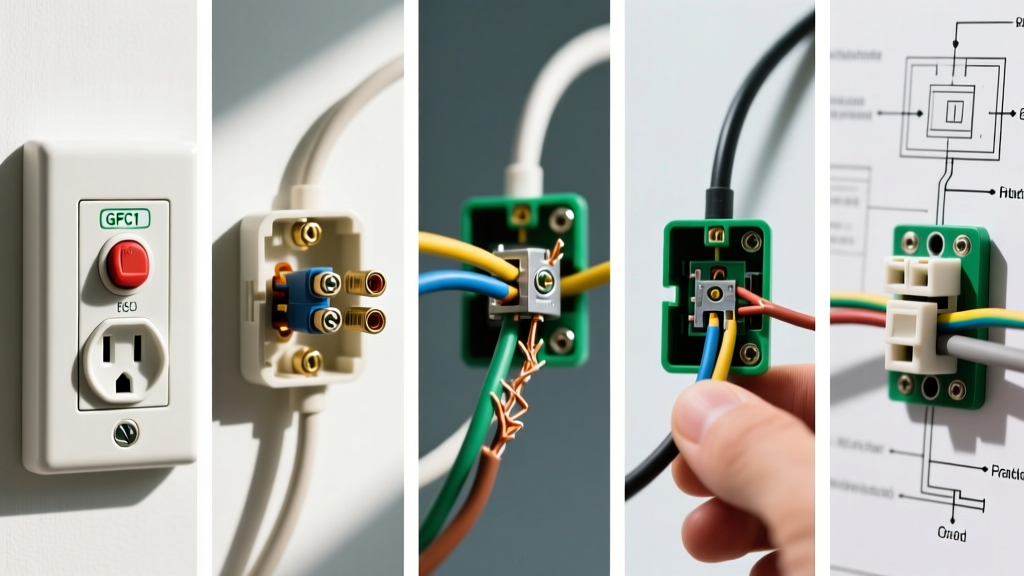
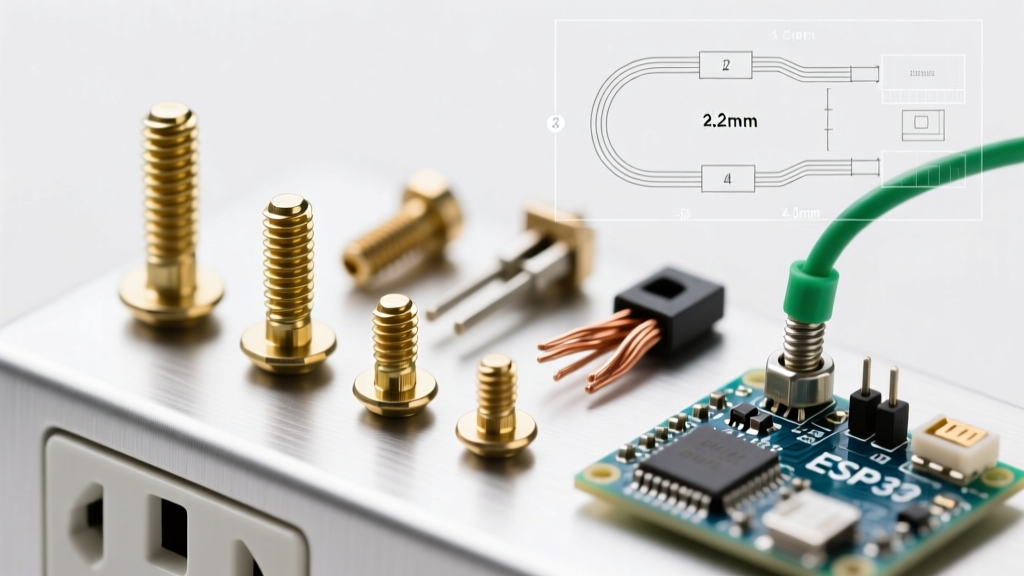
The brass (hot) and silver (neutral) terminal screws on virtually all modern 15A and 20A receptacles—including industry staples like the Leviton 5320-W and Hubbell 5262—utilize a #10-32 UNC (Unified National Coarse) thread. This specific thread pitch is engineered to bite securely into the terminal plate and apply even clamping force across the wire loop without stripping the internal yoke threads.
The 2026 Torque Mandate
According to the National Fire Protection Association (NFPA), NEC Section 110.14(D) mandates that all electrical connections must be torqued to the manufacturer's specified values using a listed torque tool. For standard #10-32 terminal screws on 15A and 20A receptacles, the manufacturer specification is almost universally 12 to 14 inch-pounds (in-lbs).
Expert Warning: Do not confuse inch-pounds with foot-pounds. 14 in-lbs is roughly 1.16 ft-lbs. Using a standard 1/4-inch drive torque wrench set to 14 ft-lbs will instantly snap the #10-32 screw head off or destroy the receptacle's internal threading.
Screw Drive Types
Modern terminal screws rarely use a simple slotted head. To prevent cam-out during high-torque termination, manufacturers use combination drives:
- Phillips/Slotted (Combo): Accepts both #2 Phillips and standard flathead drivers.
- ECX (Square/Slotted): Common on Leviton ProGrade devices. Requires an ECX #1 or #2 bit, which features a square center with slotted wings to grip the screw head tightly under torque.
- Robertson (Square): Found on some commercial-grade Hubbell and Pass & Seymour devices, requiring a #2 square bit.
Mounting Screws: Securing the Yoke to the Box
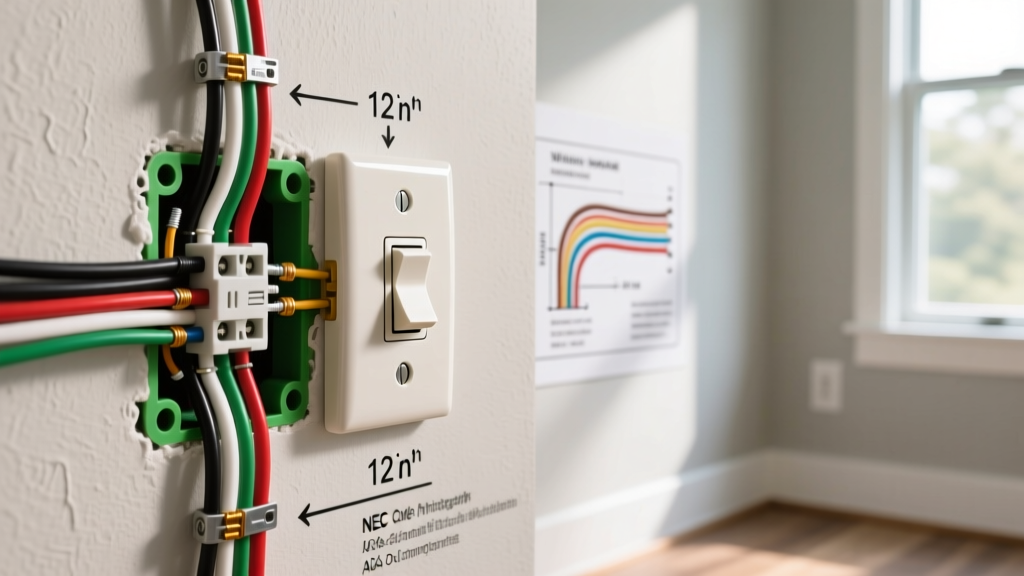
While terminal screws handle electrical current, mounting screws handle mechanical stress. The screws used to attach the receptacle yoke (the metal strap) to the electrical box are #6-32 UNC.
Length Variations by Box Type
- 1/2-Inch Length: The standard for mounting devices to single-gang plastic boxes, standard metal mud rings, and drywall rings where the box edge is flush with the finished wall.
- 3/4-Inch Length: Required when mounting to deep plaster rings, tile extension rings, or when the electrical box is set slightly back from the finished wall surface.
- 1-Inch+ Length: Used in specialized scenarios, such as mounting through thick acoustic tiles or deep masonry extensions.
The Drywall Screw Hazard
A frequent and dangerous mistake in residential wiring is using coarse-thread drywall screws or sheet-metal screws to mount an outlet. Drywall screws have a completely different thread pitch and are made of brittle, hardened steel. Under the mechanical stress of plugging and unplugging devices, drywall screws can snap. Furthermore, they will strip the soft aluminum or steel threads of a metal box's mounting ears, ruining the box for future use. Always use machine screws with a #6-32 thread.
Grounding Screws: The Green #10-32
The green grounding screw located on the bottom of the receptacle yoke is also a #10-32 screw. It is designed to terminate a 14, 12, or 10 AWG bare copper or green insulated grounding conductor.
When working with metal electrical boxes, you must also bond the box itself to the grounding system. Standard metal boxes (like 4x4 square boxes or single-gang metallic device boxes) feature a pre-tapped hole specifically for grounding. This tapped hole is also #10-32. Using a #10-32 green grounding screw ensures a solid, code-compliant mechanical and electrical bond between the grounding pigtail and the metal enclosure, satisfying OSHA Electrical Safety guidelines and NEC 250.148.
Common Wiring Scenarios & Failure Modes
Scenario 1: Stripped Terminal Threads from Cross-Threading
The Problem: An installer loses the captive terminal screw and attempts to replace it with a random #8-32 or #10-24 screw from a hardware bin. Forcing a mismatched thread pitch into the yoke destroys the internal threading.
The Fix: Never replace a lost terminal screw with a generic hardware store screw. The receptacle must be replaced, or you must source an exact OEM replacement screw kit from the manufacturer (e.g., Leviton technical support or authorized distributors). The internal plate nut is engineered specifically for the #10-32 pitch and the specific clamping geometry of that device.
Scenario 2: The 'Floating' Receptacle
The Problem: Using 1/2-inch mounting screws on a box that is recessed 3/8-inch behind the drywall. The screws barely catch the box ears, leaving the receptacle loose. Over time, the mechanical force of pulling a plug out of the outlet causes the yoke to bend, stressing the terminal connections and potentially exposing live parts.
The Fix: Use 3/4-inch or 1-inch #6-32 mounting screws, and install nylon receptacle spacers (shims) behind the yoke ears to provide rigid mechanical support against the drywall.
Scenario 3: Back-Stabbing vs. Screw Termination
While many 15A receptacles feature push-in (back-stab) terminals, professional electricians universally avoid them. Push-in terminals rely on a small internal spring clip that can loosen over time due to thermal cycling. The #10-32 side-wire terminal screws, when properly torqued to 14 in-lbs and wrapped clockwise in a shepherd's hook loop, provide a vastly superior, permanent connection that will not degrade over decades of use.
Essential Tools for Outlet Screw Termination
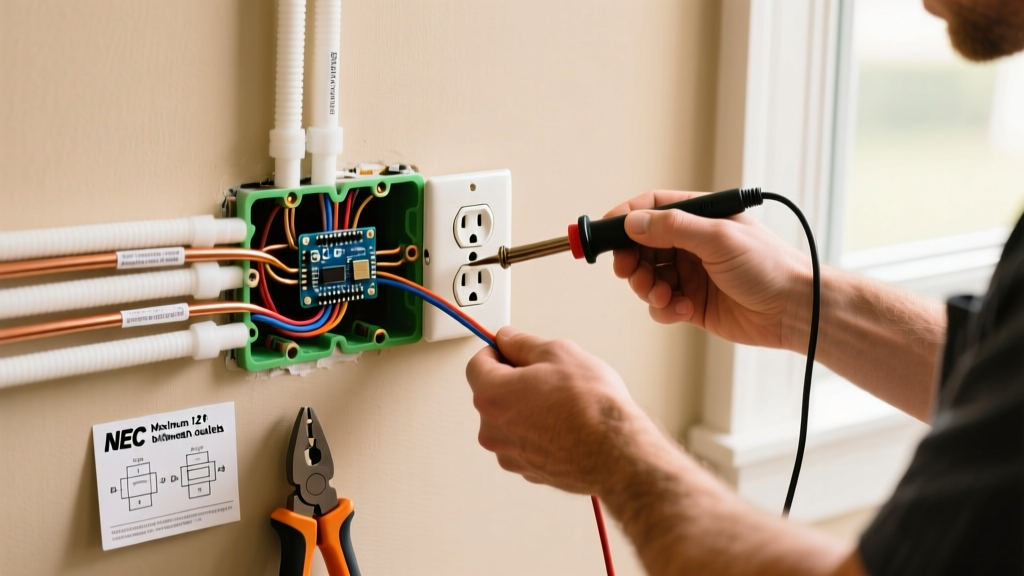
To ensure compliance and safety in 2026, your tool pouch must include a dedicated torque screwdriver. Standard multi-bit screwdrivers cannot measure clamping force.
- Klein Tools 7055: A highly popular, insulated torque screwdriver that adjusts from 10 to 50 in-lbs. Perfect for dialing in the exact 12-14 in-lbs required for #10-32 terminal screws.
- Wiha 64506 Insulated TorqueVario: A premium European-engineered option that provides distinct tactile and audible clicks when the target torque is reached, preventing over-tightening.
- ECX #2 Bit: Essential for Leviton and Eaton receptacles to prevent cam-out and damage to the screw head during high-torque applications.
Frequently Asked Questions
Can I use a #8-32 screw to mount an outlet to a plastic box?
No. Plastic electrical boxes have molded threads designed exclusively for #6-32 screws. A #8-32 screw is thicker and will either fail to enter the hole or crack the plastic boss entirely, compromising the box's structural integrity and UL listing.
Why are the terminal screws on my 20A outlet brass colored?
On all standard NEMA receptacles, brass-colored screws indicate the 'Hot' connection (typically the black wire), while silver-colored screws indicate the 'Neutral' connection (the white wire). The green screw is always 'Ground'. This color-coding is standardized across manufacturers to prevent reverse polarity wiring.
What if the mounting ear on my metal box is stripped?
If the #6-32 threaded ear on a metal box is stripped, do not force a larger screw into it. Instead, use a 'box repair clip' (often called a Madison clip or ear extender) that grips the outside of the box and provides a new, clean threaded hole for your #6-32 mounting screw.