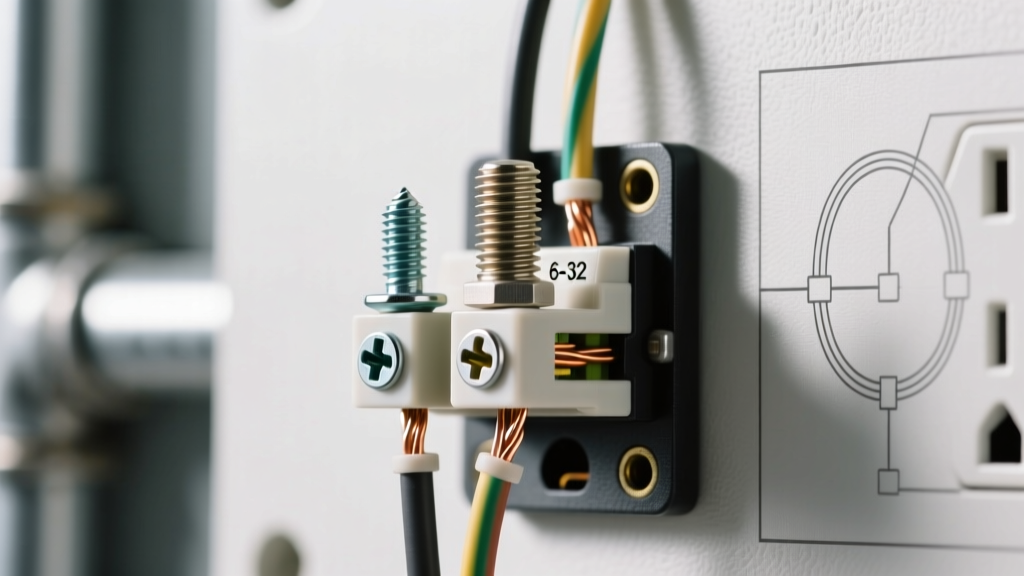

Introduction to Hot Tub Electrical Safety and Code Compliance
Installing a backyard spa is one of the most rewarding home upgrades you can undertake, but the electrical requirements are incredibly strict. Water and electricity are a lethal combination, which is why the National Electrical Code (NEC) mandates rigorous Ground Fault Circuit Interrupter (GFCI) protection for all spa equipment. If you are a DIYer looking to understand the 50 amp gfci breaker for hot tub wiring diagram, you are in the right place. This beginner installation tutorial will walk you through the exact components, wiring pathways, and code requirements needed to power your spa safely in 2026.
CRITICAL SAFETY WARNING: Working inside a main electrical panel exposes you to lethal voltage. Even with the main breaker turned off, the utility service lugs remain live. Furthermore, local jurisdictions almost universally require a licensed electrician to pull permits and perform final inspections for Article 680 (Swimming Pools, Spas, and Hot Tubs) installations. Use this guide to understand the system, but consult a professional before making terminal connections.
Decoding the 50 Amp GFCI Breaker for Hot Tub Wiring Diagram
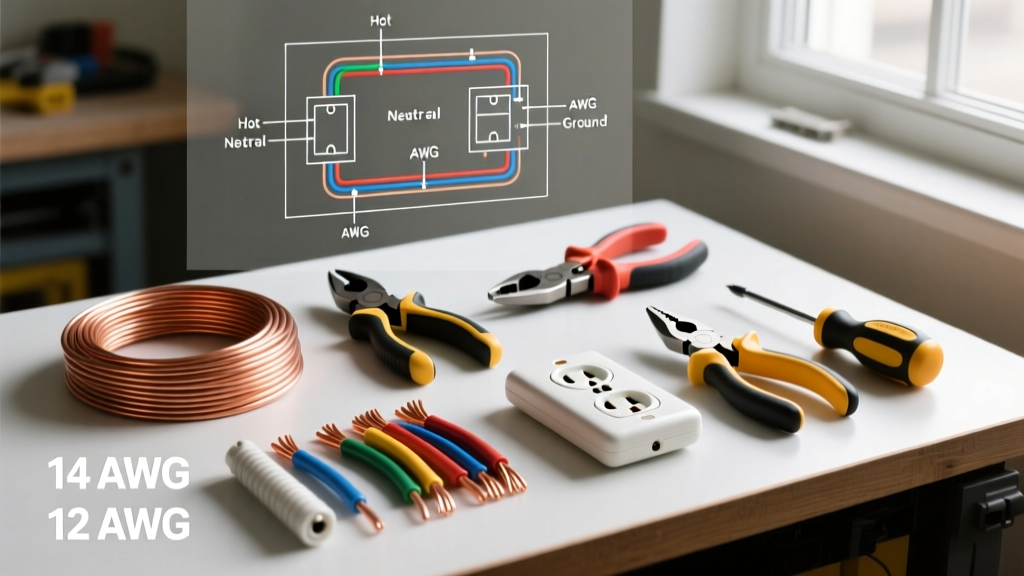
Modern hot tubs require a dedicated 240-volt, 50-amp circuit. The wiring diagram for this setup revolves around a 4-wire feeder system. Older 3-wire setups (two hots and a ground, with no dedicated neutral) are obsolete, dangerous, and strictly prohibited by current NEC standards.
The 4-Wire Configuration
- Two Hot Wires (Black and Red): Each carries 120 volts, combining to provide the 240 volts required by the spa's heater and pump.
- One Neutral Wire (White): Provides the return path for 120-volt components like the spa light, ozone generator, or control board.
- One Ground Wire (Green or Bare Copper): Provides a safe path for fault currents to trip the breaker.
The core of this diagram is the 2-pole 50A GFCI breaker itself. Unlike standard breakers, a GFCI breaker features a coiled white or yellow pigtail wire. This pigtail must connect directly to the main panel's neutral bar. It provides the breaker's internal logic board with a 120V reference and a path to monitor the current differential between the hot and neutral conductors. If the GFCI detects a leakage as small as 4 to 6 milliamps, it trips the circuit in milliseconds, preventing electrocution.
Essential Tools and Materials (2026 Pricing & Specifications)
Before pulling any wire, ensure you have the correct materials. Undersized wire or incorrect breaker types will result in failed inspections and severe fire hazards. Below is a breakdown of the required components and estimated 2026 retail costs.
| Component | Specification / Recommended Model | Estimated Cost (2026) |
|---|---|---|
| 50A 2-Pole GFCI Breaker | Square D HOM250GFICP (Homeline) or Siemens Q250GFI | $125 - $180 |
| Feeder Wire | #6 AWG THHN/THWN Copper (Stranded) | $1.80 - $2.50 / ft |
| Conduit | 1-inch Schedule 40 PVC & Sweeps | $45 - $75 (total run) |
| Outdoor Spa Disconnect | 50A Non-Fused Disconnect with GFCI (if required locally) | $60 - $110 |
| Torque Screwdriver | Wiha or Klein Tools (Inch-pound rated) | $80 - $140 |
| Digital Multimeter | Fluke 117 or Klein MM700 (CAT III/IV rated) | $60 - $200 |
Step-by-Step Installation Tutorial
Follow these steps to execute the wiring diagram safely and accurately. Always verify your local amendments to the NEC, as some municipalities require the outdoor disconnect to also feature GFCI protection, while others only require it at the main panel.
Step 1: Panel Capacity Assessment and Power Down
Before purchasing materials, open your main service panel and verify you have 100 amps of spare capacity. A 50-amp hot tub draw on an already maxed-out 100-amp residential service will cause main breaker trips. Once verified, turn off the main breaker. Use a non-contact voltage tester and a multimeter to confirm the bus bars are dead (excluding the main service lugs, which remain live).
Step 2: Mounting the Outdoor Spa Disconnect
Per NEC Article 680.12, an emergency shutoff switch must be installed within sight of the spa, but at least 5 feet away from the water's edge. Mount a weatherproof outdoor disconnect box on a post or exterior wall. Do not place it where a user would have to step in water to reach it.
Step 3: Wiring the 50 Amp GFCI Breaker in the Main Panel
- Snap the 50A GFCI breaker into the two adjacent slots on the 240V bus bar.
- Connect the breaker's coiled white pigtail to an available terminal on the panel's neutral bar. Never connect this pigtail to the ground bar.
- Strip 1/2 inch of insulation from your #6 AWG white neutral wire and connect it to the breaker's designated 'Neutral' or 'Load Neutral' terminal.
- Connect the black and red hot wires to the two brass load terminals on the breaker.
- Use a torque screwdriver to tighten the terminals to the manufacturer's specification (typically 35 to 45 inch-pounds for #6 wire). Loose connections cause arcing and fires.
Step 4: Routing the Feeder Cable
Run four individual #6 AWG THHN/THWN wires (Black, Red, White, Green) through 1-inch PVC conduit. The conduit must be buried at least 18 inches deep in the trench, as specified by NEC Table 300.5 for residential branch circuits. Use PVC sweep elbows where the conduit exits the ground to prevent water pooling and wire abrasion. Ensure the green ground wire is continuous and unspliced from the main panel to the spa control box.
Step 5: Wiring the Spa Control Box
At the spa's internal control box, connect the red and black wires to the main 240V lugs, the white wire to the neutral bar, and the green wire to the equipment grounding bar. Ensure the spa's internal bonding jumper is intact.
Equipotential Bonding: The Hidden Code Requirement
Many beginners focus solely on the 50 amp gfci breaker for hot tub wiring diagram and completely miss the equipotential bonding grid. Bonding is different from grounding. While grounding provides a path for fault current to trip the breaker, bonding connects all metallic components together to eliminate voltage gradients.
You must run a solid, bare #8 AWG copper wire to bond the following components together:
- All metal parts of the spa equipment (pump motor, heater housing, control box).
- The metal reinforcing mesh of the concrete pad (if applicable).
- Any metal railings, ladders, or fencing within 5 feet of the spa.
- The spa's metallic shell or structural frame.
According to the National Fire Protection Association (NFPA 70), failure to install this bonding grid is the most common reason hot tub installations fail municipal electrical inspections.
Common Wiring Mistakes and Troubleshooting
If your newly installed GFCI breaker trips immediately upon resetting, you have a wiring fault. Here are the most common failure modes:
1. Shared or Crossed Neutrals
The neutral wire for the hot tub must be dedicated. If the white neutral wire from the spa touches a ground wire anywhere downstream of the GFCI breaker, the breaker will sense an imbalance and trip. Keep neutrals and grounds strictly separated in the outdoor disconnect and spa control box.
2. Incorrect Pigtail Routing
If the GFCI breaker's pigtail is not connected to the neutral bar, or if it is connected to the wrong phase's neutral bar in a split-bus panel, the internal logic board will not receive power, and the breaker will not reset.
3. Moisture in the Conduit
If water infiltrates the PVC conduit and wicks into the spa control box, it will cause a micro-leakage to ground. The Electrical Safety Foundation International (ESFI) notes that GFCIs are highly sensitive to moisture-induced leakage. Ensure all conduit joints are glued and use silicone sealant on exterior conduit penetrations.
NEC Article 680 Compliance Checklist
Before calling your local inspector for a final sign-off, verify your installation against this 2026 NEC compliance checklist:
- GFCI Protection: All 15A and 20A, 125V receptacles located within 10 feet of the hot tub must be GFCI protected.
- Clearance Distances: No overhead electrical wiring may pass over the spa or within 10 feet horizontally of the water's edge.
- Disconnect Visibility: The emergency shutoff must be readily accessible and within direct line of sight of the spa.
- Bonding Grid: The #8 AWG solid copper bonding wire must be attached to the equipment grounding terminal inside the spa control panel.
For further reading on preventing electrical hazards in wet environments, review the Consumer Product Safety Commission (CPSC) electrical safety guidelines. By strictly following the 50 amp gfci breaker for hot tub wiring diagram and respecting the boundaries of the NEC, you ensure your backyard oasis remains both luxurious and entirely safe for your family.