
Understanding NEC Requirements for Outdoor Receptacles
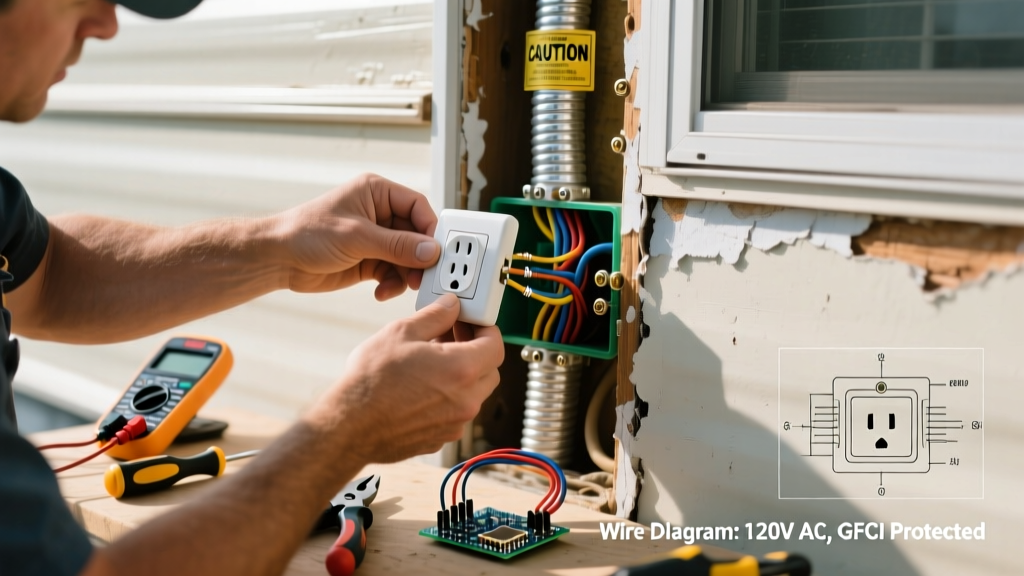
Installing exterior power sources is one of the most heavily regulated areas in residential and commercial electrical work. When evaluating an electrical outlet box, outdoor environments demand strict adherence to the National Electrical Code (NEC) to prevent moisture intrusion, arc faults, and electrocution hazards. According to the National Fire Protection Association (NFPA), outdoor receptacles fall under stringent wet and damp location classifications that dictate everything from the enclosure material to the specific type of cover plate required.
Under NEC Article 406.9, all 15-amp and 20-amp, 125-volt and 250-volt receptacles installed outdoors must have Ground-Fault Circuit-Interrupter (GFCI) protection. Furthermore, the code explicitly distinguishes between 'damp' locations (areas protected from direct weather but subject to moisture, like under deep overhangs) and 'wet' locations (areas exposed to direct weather, rain, and snow). For any wet location installation, the NEC mandates the use of 'extra-duty' weatherproof enclosures, a critical update that phased out standard flat covers for active outdoor use.
Material Showdown: Metallic vs. Non-Metallic Outdoor Boxes
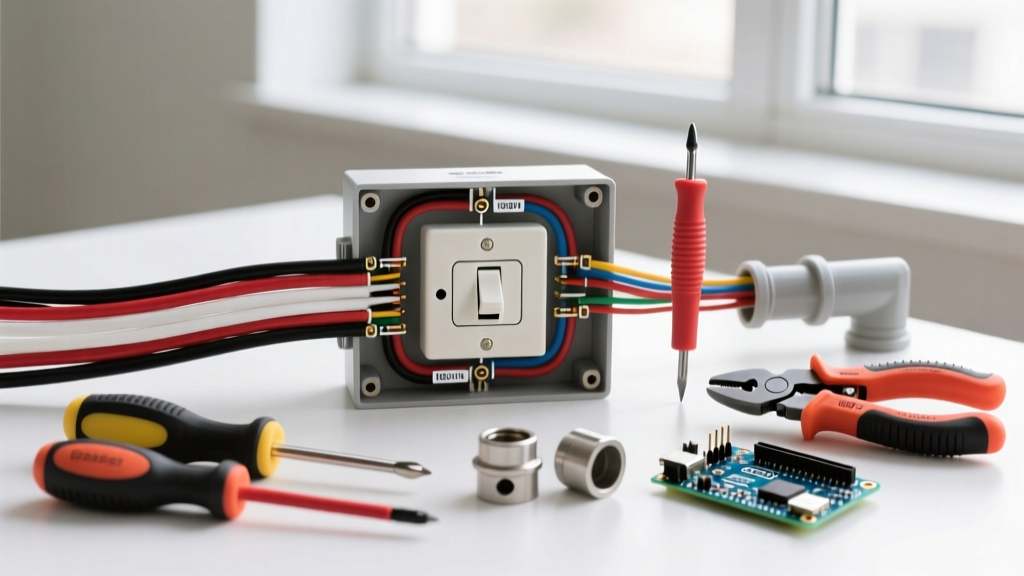
Selecting the right enclosure material is the first physical step in your installation. The choice impacts durability, grounding continuity, and resistance to UV degradation and physical impact. Below is a comparison of the most common outdoor box materials used by professionals in 2026.
| Material Type | Popular Model / Brand | Avg. Cost | Best Application | Pros & Cons |
|---|---|---|---|---|
| Die-Cast Aluminum | Hubbell Bell PDB553100GY (2-Gang) | $28 - $35 | Surface mount on masonry, brick, or rigid metal conduit (RMC). | Pros: Superior impact resistance, inherent grounding path. Cons: Requires dielectric grease on threads to prevent galvanic corrosion when paired with dissimilar metals. |
| PVC / Non-Metallic | TayMac ML500 (1-Gang) or Carlon E989R | $10 - $16 | Vinyl siding mounts, PVC conduit runs, coastal/salt-air environments. | Pros: Immune to rust and galvanic corrosion, lightweight. Cons: Requires a separate grounding pigtail to the box, can become brittle under extreme UV exposure over a decade. |
| Polycarbonate Siding Box | Arlington Industries 808 (Non-Metallic Siding Box) | $18 - $24 | Lap siding integration without cutting deep into wall cavities. | Pros: Designed to contour to siding, built-in flange for waterproofing. Cons: Limited internal cubic inch capacity (usually 16-18 cu in), restricting wire fill. |
The 'Extra-Duty' Cover Mandate and WR Receptacles
A common and dangerous misconception is that a standard 'while-in-use' bubble cover is sufficient for all outdoor applications. NEC Article 406.9(B)(1) requires that receptacles in wet locations be enclosed in weatherproof enclosures that are 'extra-duty.' These covers are specifically tested to withstand a 5-pound impact and must remain weatherproof even when a plug is inserted and the cover is closed.
Expert Insight: Look for the 'Extra-Duty' stamp or a UL listing mark specifically denoting compliance with the extra-duty standard on the cover packaging. Brands like TayMac (e.g., MM550C 1-Gang Extra-Duty Cover, ~$22) and Hubbell (PDB753100, ~$38) dominate this space. Never use a standard flat flip-cover in a wet location; it is an immediate code violation and a severe shock hazard.
Equally important is the receptacle itself. Standard indoor duplex receptacles will quickly corrode outdoors due to condensation and temperature cycling. You must use a Weather-Resistant (WR) rated receptacle. These devices feature UV-stabilized face plastics, nickel-plated brass terminal screws, and corrosion-resistant stainless steel mounting straps. The Leviton 5262-W (Standard WR Duplex, ~$8) and the Leviton GFNT2-W (Self-Test GFCI WR, ~$24) are industry standards that meet these rigorous material requirements.
Step-by-Step Installation & Sealing Protocol
Proper sealing is where most DIY installations fail, leading to water ingress and tripped GFCI breakers. Follow this protocol to ensure a watertight seal:
- Conduit Entry and Hubs: If using metallic conduit, never simply thread it into the box without a sealing locknut. Use a Myers hub (conduit hub) with a neoprene gasket to seal the entry point. For PVC, use solvent-welded threaded adapters and apply a bead of 100% silicone sealant (e.g., GE Silicone II) at the joint.
- Mounting Surface Preparation: Before securing the box to the exterior wall, apply a continuous bead of exterior-grade polyurethane sealant (like Sikaflex) to the back flange of the box. This prevents capillary action from drawing water behind the enclosure.
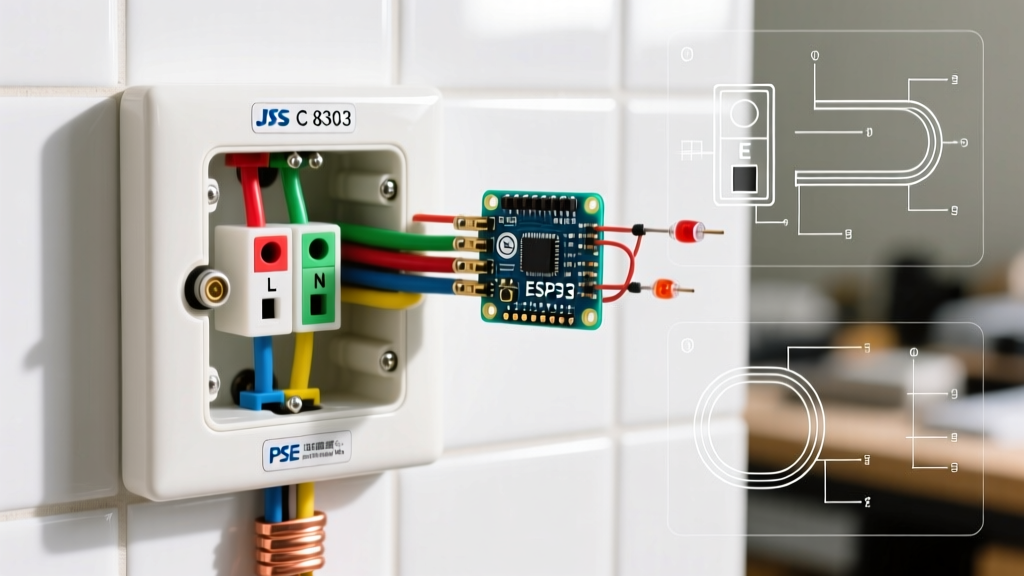
- Wire Fill and Splicing: Ensure your box has adequate cubic inch capacity. A standard 12 AWG wire requires 2.25 cubic inches of space per conductor. If you are splicing wires to feed downstream devices, use WAGO 221 lever-nuts or silicone-filled gel caps for wire nuts to add a secondary moisture barrier.
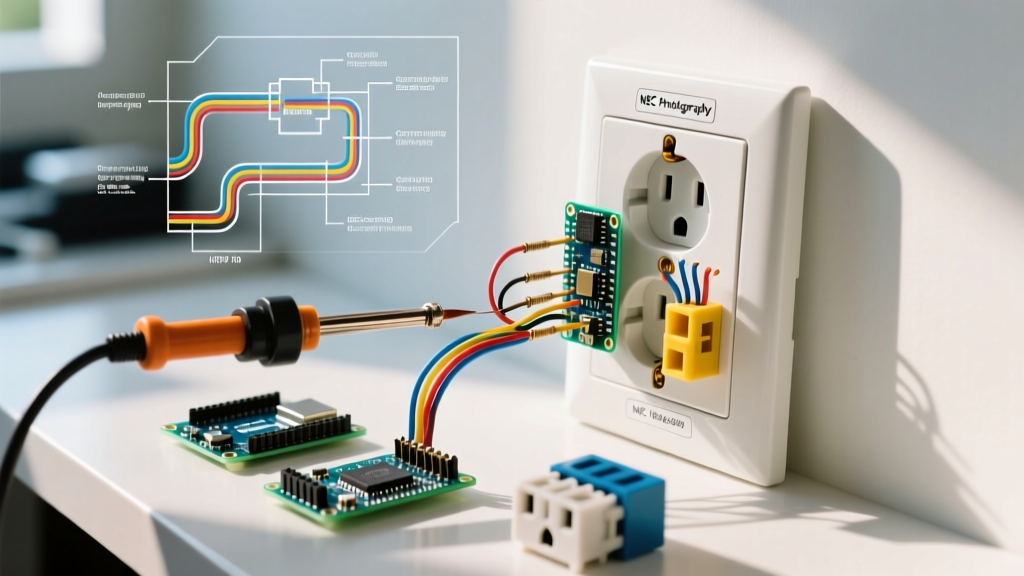
- Terminal Torque: The OSHA Wiring Design and Protection Standards and NEC 110.14(D) require terminals to be tightened to the manufacturer's specified torque. Use a calibrated torque screwdriver (e.g., Klein Tools 32500 series) set to 12-14 in-lbs for 12 AWG copper. Loose connections cause arcing and heat, which degrades the weatherproof gaskets over time.
- Gasket Placement: Ensure the foam or neoprene gasket provided with the extra-duty cover sits perfectly flush against the mounting surface and the receptacle yoke. Do not over-torque the cover mounting screws, as this can warp the polycarbonate cover and break the gasket seal.
- The Drip Loop: Any flexible cord or conduit entering the outdoor box must have a 'drip loop'—a U-shaped dip in the line below the entry point. This ensures that rainwater runs down the cord and drips off the bottom of the loop rather than tracking directly into the conduit or box hub.
Common Code Violations to Avoid
According to data from the Electrical Safety Foundation International (ESFI), outdoor electrical failures are a leading cause of residential shock incidents. Avoid these frequent violations:
- Missing GFCI Protection: Even hardwired outdoor equipment like certain HVAC disconnects or landscape lighting transformers often require GFCI protection under the latest NEC revisions. Always verify local amendments.
- Using Indoor Caulk: Painter's acrylic latex caulk will shrink, crack, and fail within one season of UV and freeze-thaw cycles. Only use 100% silicone or polyurethane exterior sealants.
- Omitting the Grounding Pigtail: Non-metallic boxes do not conduct electricity. If you are using a PVC box, you must run a bare copper or green THWN grounding pigtail from the grounding bus directly to the green grounding screw on the WR receptacle.
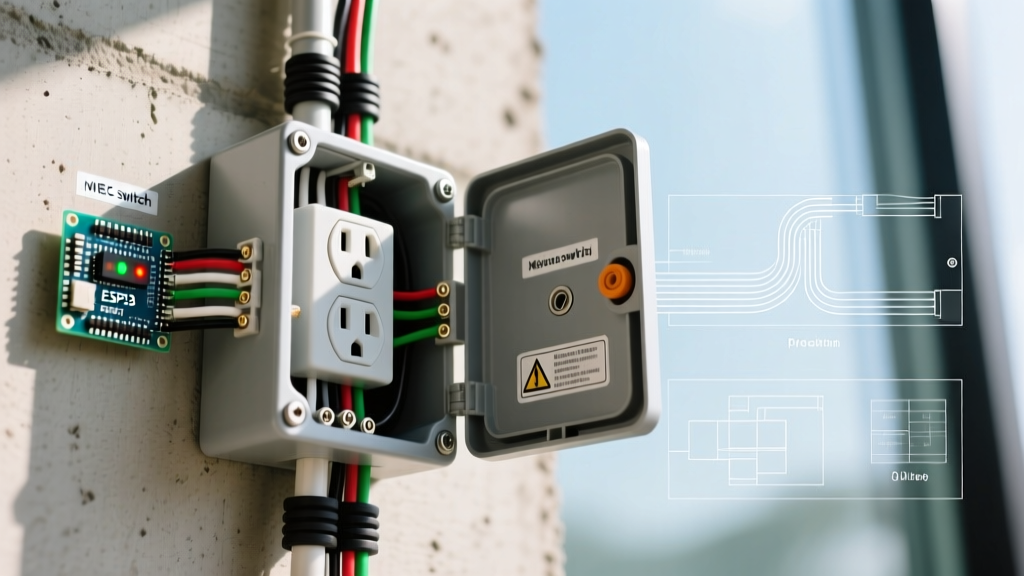
- Bottom Hub Knockouts Left Open: If you punch a knockout hole in the bottom of a die-cast box and do not use it, you must seal it with a threaded metal closure plug and a neoprene sealing ring. Leaving it open invites insect nests and direct water intrusion.
Frequently Asked Questions (FAQ)
Can I install an outdoor outlet box directly into a wooden post?
Yes, but you must use a weatherproof box with integral mounting flanges. If routing conduit through the center of the wooden post, ensure the conduit extends slightly past the wood surface and uses a sealing hub where it enters the box to prevent wood rot from trapping moisture against the metal or PVC enclosure.
Do I need a GFCI breaker if the outdoor receptacle is already a GFCI type?
No. The NEC requires GFCI protection, which can be achieved either at the circuit breaker panel (GFCI breaker) or at the point of use (GFCI receptacle). Using both is redundant and can lead to 'nuisance tripping' due to cumulative capacitive leakage currents, making troubleshooting difficult.
How often should I test my outdoor GFCI receptacles?
While modern self-testing GFCIs (like the Leviton GFNT2 series) perform internal diagnostics every 3 seconds to verify ground-fault protection, you should still manually press the 'TEST' and 'RESET' buttons on all outdoor units at least once every six months—ideally at the change of seasons—to ensure the physical mechanical contacts have not seized due to environmental exposure.