
Decoding the Holland Electrical Outlet Standard
When US-based woodworkers, metal fabricators, and audiophiles search for a Holland electrical outlet, they are rarely looking for a standard American duplex receptacle. In the international electrical community, the 'Holland' standard refers to the CEE 7/3 Type F 'Schuko' receptacle, which is the dominant wall outlet standard in the Netherlands (Holland), Germany, and most of continental Europe.
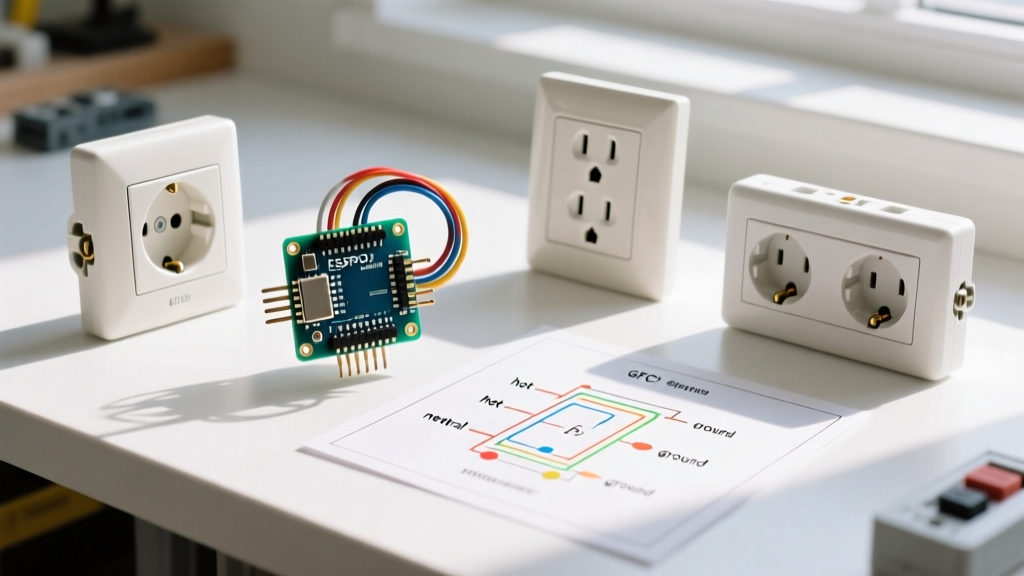
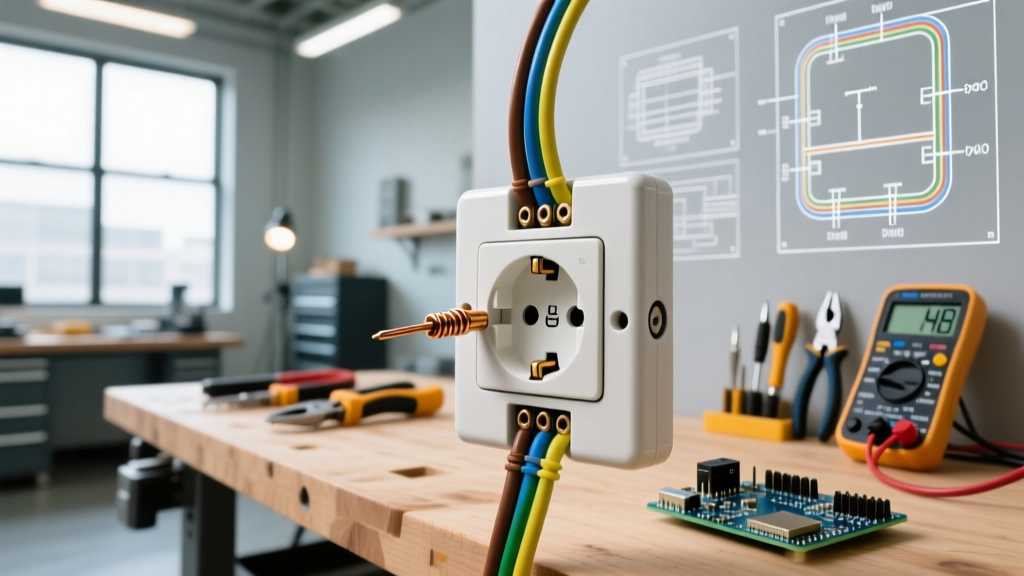
Unlike the US NEMA 5-15 (120V) or NEMA 6-15 (240V) configurations, the Type F Schuko outlet features a circular recess with two 4.8mm pin holes and two metal grounding clips on the top and bottom edges. For DIYers importing high-end 230V European machinery—such as Festool dust extractors, Felder woodworking equipment, or European welding inverters—installing a Holland-style Type F outlet in a US workshop is a highly practical, albeit technically complex, wiring scenario.
The US-to-Euro Workshop Wiring Scenario
The most common scenario requiring a Type F installation in North America involves adapting a US 240V split-phase circuit to accept a European 230V plug. Fortunately, the voltage differential is well within the tolerance of modern European equipment. According to the IEC world plugs standards, European 230V systems operate with a +10% / -6% tolerance. This means a European appliance rated for 230V is engineered to safely handle up to 253V. A standard US residential 240V circuit (which typically measures between 236V and 244V at the panel) falls perfectly within this safe operating window.
⚠️ The 50Hz vs. 60Hz Motor Trap
While voltage is compatible, frequency is not. The Netherlands operates on a 50Hz grid, while the US operates on 60Hz. If your imported equipment uses an induction motor (common in table saws, lathes, and air compressors), the motor will run 20% faster on US 60Hz power. A Euro-spec 1450 RPM motor will spin at roughly 1740 RPM in the US. This can alter torque curves, cause premature bearing wear, or push cutting blades past their safe maximum RPM. Universal (brushed) motors and inverter-driven (VFD) tools, however, are generally unaffected by the frequency shift.
Pinout and Wiring Matrix
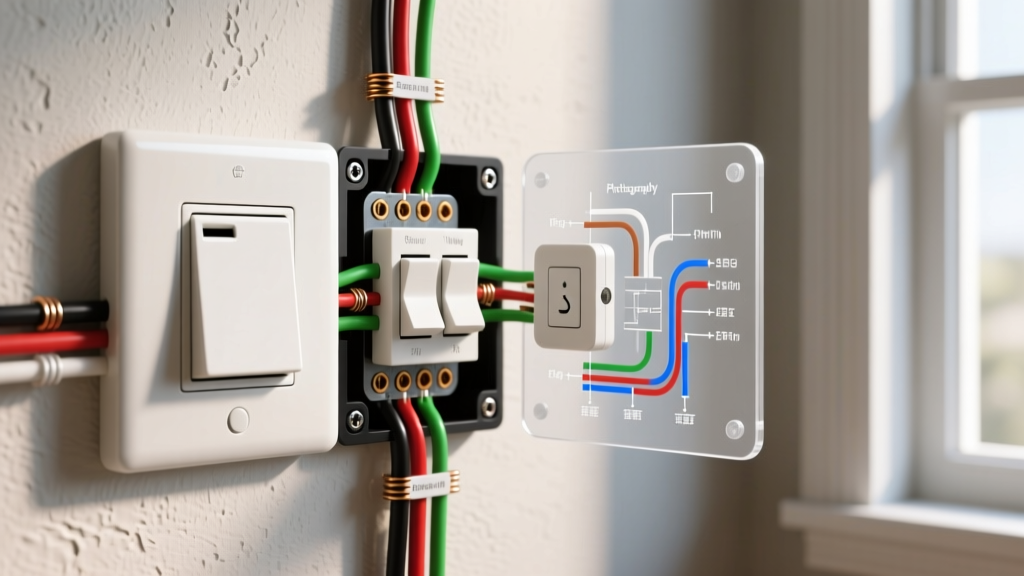
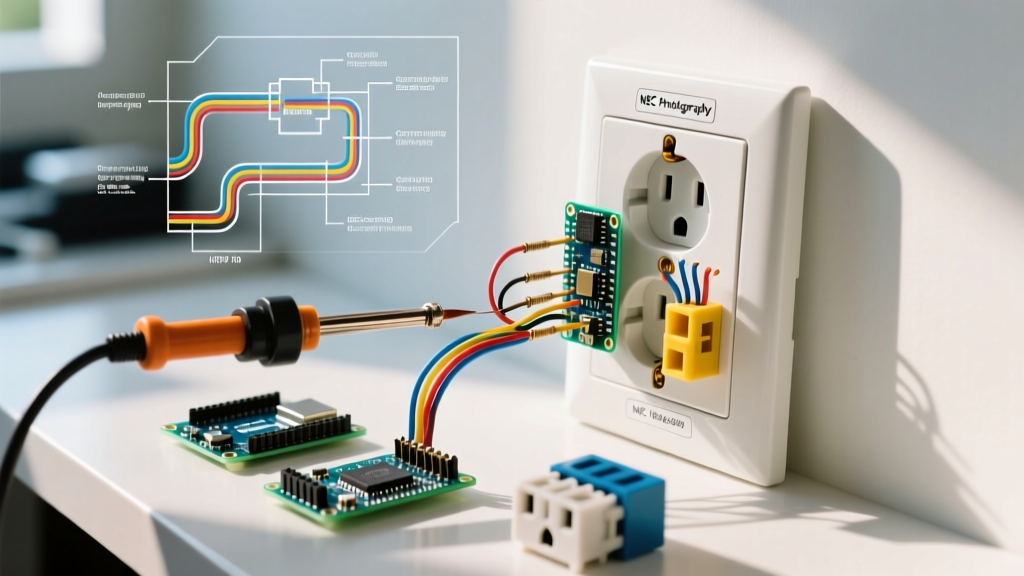
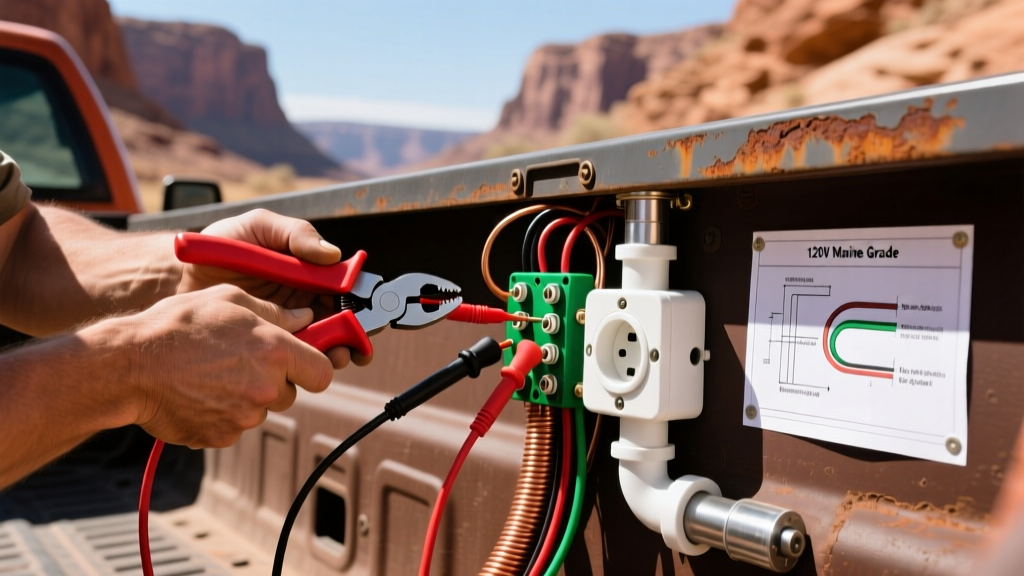
Wiring a Holland electrical outlet in the US requires mapping a US 2-pole 240V circuit to the unpolarized Type F Schuko terminals. Because Schuko receptacles are unpolarized, Line and Neutral are interchangeable regarding the physical plug orientation, but both US conductors are technically 'hot' relative to ground.
| US NEMA 6-15/6-20 Circuit | Wire Color (US NM-B) | Type F Schuko Terminal | Function in Euro Appliance |
|---|---|---|---|
| Hot 1 (Phase A) | Black | Pin 1 (Left) | Line (L) |
| Hot 2 (Phase B) | White (Re-identified) | Pin 2 (Right) | Neutral (N) / Line 2 |
| Equipment Ground | Bare Copper / Green | Top/Bottom Metal Clips | Protective Earth (PE) |
The Backbox Dilemma: Round vs. Square
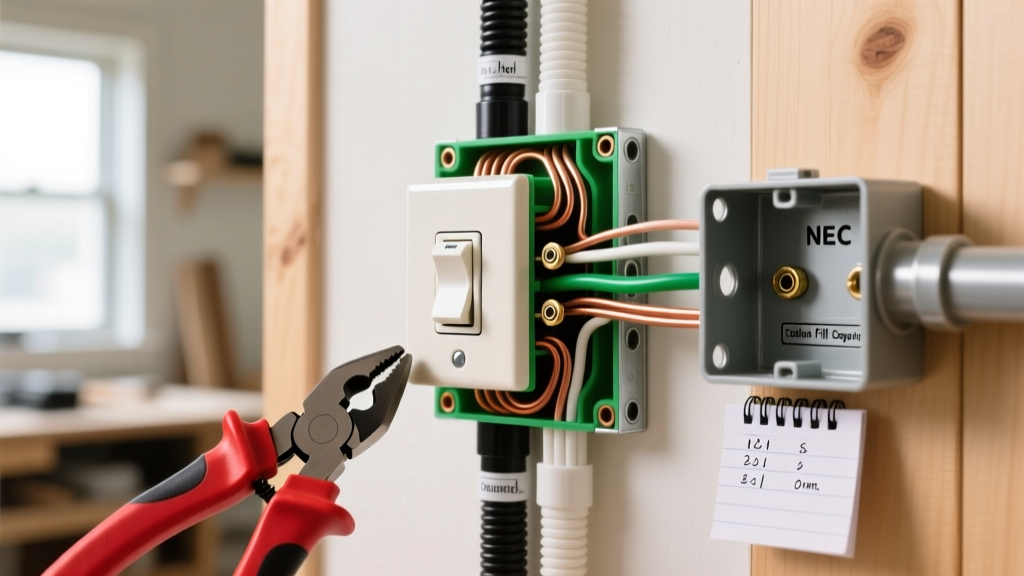
The most frustrating hurdle for DIYers installing a Holland electrical outlet is the physical mounting hardware. US electrical boxes are square or rectangular (single-gang, double-gang, or 4-inch square). European Type F receptacles are designed to mount into 68mm round flush-mount backboxes (such as the Kaiser 1555-00), utilizing a completely different screw spacing and faceplate geometry.
You cannot simply screw a Legrand or Schneider Electric Schuko receptacle into a standard US single-gang mud ring. To solve this, you have two options:
- Option A (Surface Mount): Use a 68mm round surface-mount enclosure. This is ideal for workshop walls where you can run EMT conduit directly into the back of the round box.
- Option B (Flush Mount Adapter): Install a standard US 4-inch square box in the wall, then use a specialized 'Euro-to-US' adapter plaster ring. These adapters feature a 4-inch square flange that mounts to the US box, with a 68mm round protrusion that accepts the Schuko receptacle. As of 2026, specialized importers like Euroutlet or custom 3D-printed UL-rated adapters are the standard workaround for high-end workshop builds.
Step-by-Step Installation Guide
- Breaker Selection: Install a 2-pole breaker in your main panel. For a 16A Euro appliance, use a 20A 2-pole breaker (e.g., Eaton BR220 or Square D HOM220) with 12/2 NM-B cable. For heavier 3000W+ dust collectors, use a 30A breaker with 10/2 NM-B.
- Re-identify the White Wire: NEC 200.7(C)(2) strictly mandates that if you use a standard 2-wire cable (Black, White, Bare) for a 240V circuit where both conductors are hot, the white wire must be permanently re-identified at both ends using black or red electrical tape or heat shrink. This warns future electricians that the white wire is carrying 120V to ground.
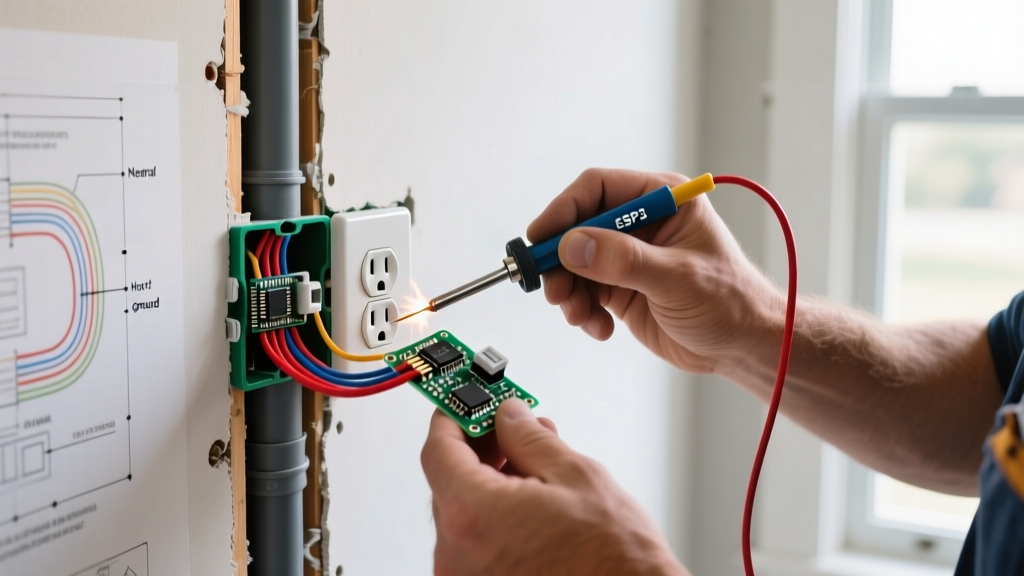
- Terminate the Ground First: Connect the bare copper ground wire to the central ground screw on the Type F receptacle. This screw is internally bonded to the top and bottom metal grounding clips. Ensure the clips are facing exactly top and bottom (or perfectly horizontal, depending on the specific brand's orientation design) to mate with the Euro plug.
- Connect the Hots: Connect the Black wire to one pin terminal, and the re-identified White wire to the other. Because Type F is unpolarized, left/right orientation does not matter.
- Torque Verification: Use a micro-torque screwdriver to tighten the terminal screws to the manufacturer's specification (typically 0.5 to 0.8 Nm for European receptacles). Loose connections on 240V high-draw loads will cause arcing and thermal failure.
The GFCI Complication on 240V Euro Circuits
Under the latest NEC cycles, GFCI protection is increasingly mandated in workshops and garages. However, protecting a Holland electrical outlet in the US presents a unique engineering conflict.
Standard US 240V GFCI breakers (like those used for hot tubs or NEMA 14-50 ranges) require a dedicated neutral wire to power the breaker's internal electronics and monitor the current imbalance. A pure 240V Type F Schuko circuit has no neutral—it only has two hots and a ground. If you wire a standard US 240V GFCI breaker without a neutral, it will either fail to power its internal logic board or trip immediately.
The Solution: You must source a specialized 'pure 240V' 2-pole GFCI breaker that does not require a neutral connection, or rely on the equipment-level leakage protection built into many high-end European tools (often in the form of an integrated PRCD switch on the power cord). Always consult the NFPA National Electrical Code regarding specific GFCI exemptions for dedicated 240V equipment receptacles in your local jurisdiction.
Sourcing Authentic Type F Receptacles
Do not attempt to buy generic, unbranded Schuko outlets from overseas marketplaces for high-draw workshop equipment. Counterfeit receptacles often use undersized brass contacts that overheat under continuous 16A loads. Stick to premium European manufacturers that export to the US market:
- Legrand Mosaic Series (e.g., Model 077141): Features high-tension phosphor bronze contacts and a robust ceramic or high-grade thermoplastic core. Expect to pay between $22 and $35 USD per unit through specialized electrical importers.
- Schneider Electric Merten System M: Offers excellent durability and precise grounding clip tension, ensuring a tight fit with heavy Euro power cords. Pricing generally ranges from $18 to $28 USD.
'When adapting international receptacles for use on North American split-phase systems, the integrity of the equipment grounding conductor and the simultaneous disconnection of all ungrounded conductors via a common-trip breaker are non-negotiable safety mandates.' — Industry best practices derived from World Standards Type F specifications and NEC Article 210.
Final Safety Verification
Before plugging in your imported 230V machinery, use a multimeter to verify the voltage across Pin 1 and Pin 2 (should read ~240V) and from each pin to the grounding clips (should read ~120V). Once verified, your Holland electrical outlet is ready to safely power your European equipment, bridging the gap between continental engineering and North American workshop infrastructure.