
Understanding the Ghana Electrical Outlet Plug Standard
Ghana’s electrical infrastructure operates on a 230V supply voltage and 50Hz frequency, utilizing the British-style BS 1363 standard (commonly known as Type G) for its receptacles and plugs. When undertaking an upgrade or replacement of a Ghana electrical outlet plug system, it is critical to recognize that this standard is not merely a physical shape; it is a comprehensive safety ecosystem. The BS 1363 standard mandates fused plugs, insulated live and neutral pins, and earth-pin-operated safety shutters on the receptacle.
According to the International Electrotechnical Commission (IEC), Type G plugs feature three rectangular pins arranged in a triangular pattern. The top pin is the earth (ground) connection, which is physically longer than the bottom two pins (Live and Neutral). This deliberate design ensures that the earth connection is made first and broken last, while simultaneously actuating the internal safety shutters of the socket to allow the live and neutral pins to enter. Bypassing or modifying this mechanism during a replacement is a severe violation of electrical safety codes.
When to Replace Your Type G Receptacles
Outlets in tropical climates like Ghana are subject to high humidity, temperature fluctuations, and occasional grid surges, all of which accelerate component degradation. Before purchasing replacement parts, evaluate your existing sockets against this diagnostic checklist:
- Thermal Discoloration: Brown or yellow scorch marks around the pin entry holes indicate high-resistance connections, often caused by loose terminal screws or overloaded circuits.
- Shutter Failure: If a plug can be inserted without the earth pin engaging first, or if the internal plastic shutters are visible and broken, the socket must be replaced immediately.
- Pin Grip Tension: Insert a standard 13A plug. If it slides in with zero resistance or falls out under the weight of its own cable, the internal brass phosphor-bronze contacts have lost their spring tension.
- Audible Arcing: A faint buzzing or crackling sound when a high-draw appliance (like an air conditioner or kettle) is switched on indicates micro-arcing inside the terminal block.
2026 Upgrade Matrix: Standard vs. Smart Type G Sockets
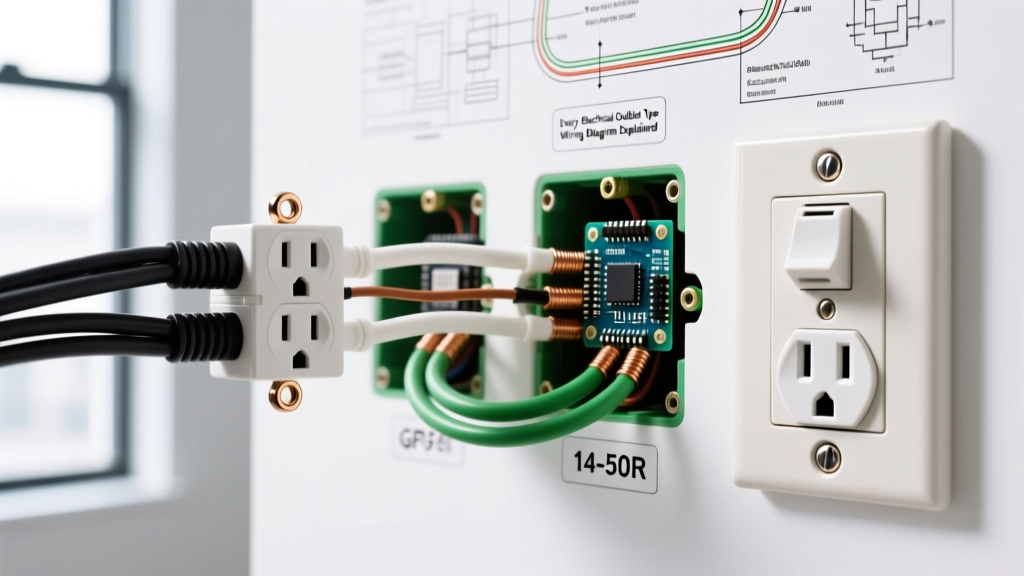
When upgrading your Ghana electrical outlet plug infrastructure, you are no longer limited to basic white plastic duplex sockets. Modern Type G receptacles offer integrated technology that can reduce wall-wart clutter and improve energy management. Below is a comparison of the most viable upgrade paths available in the West African market today.
| Socket Type | Key Features | Estimated Cost (GHS) | Best Application |
|---|---|---|---|
| Standard 13A Duplex (e.g., Schneider OptiLine) | Robust brass contacts, standard safety shutters, UV-resistant polycarbonate face. | 120 - 180 GHS | General purpose rooms, kitchens, heavy appliance zones. |
| 13A + Dual USB-A/C (e.g., Legrand Niloe) | Integrated 30W USB-C PD (Power Delivery) and 12W USB-A charging modules. | 350 - 480 GHS | Bedrooms, home offices, living room media consoles. |
| Smart Wi-Fi Energy Monitor Socket | Tuya/SmartLife compatible, real-time voltage/current monitoring, surge protection. | 250 - 350 GHS | Server racks, expensive entertainment systems, remote cabins. |
Note: When installing USB-integrated sockets, ensure the backbox depth is at least 35mm (preferably 45mm), as the internal power supply modules require significantly more space than standard mechanical switches.
Step-by-Step Replacement Procedure
Replacing a wall receptacle requires strict adherence to lockout/tagout procedures. Never work on a live circuit.
- Isolate the Circuit: Turn off the main distribution board (DB) breaker for the specific socket ring or radial circuit. Verify the absence of voltage using a CAT III rated digital multimeter or a non-contact voltage tester.
- Extract the Old Socket: Unscrew the two M3.5 faceplate screws. Gently pull the socket out of the wall backbox. Note the routing of the cables.
- Inspect the Conductors: Check for brittle insulation or heat damage. If the wire insulation is cracked up to the terminal, strip it back to fresh copper using a precision wire stripper.
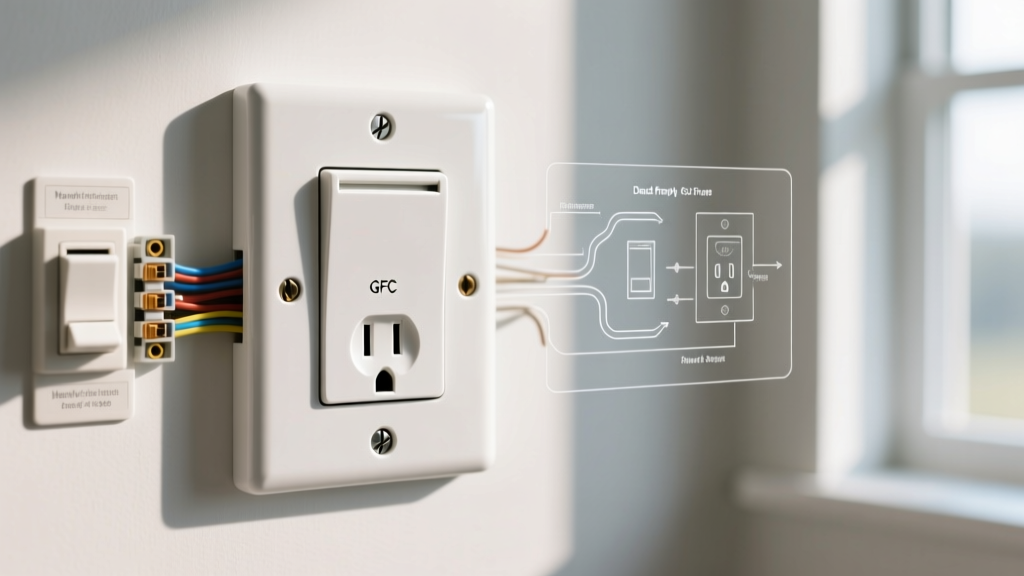
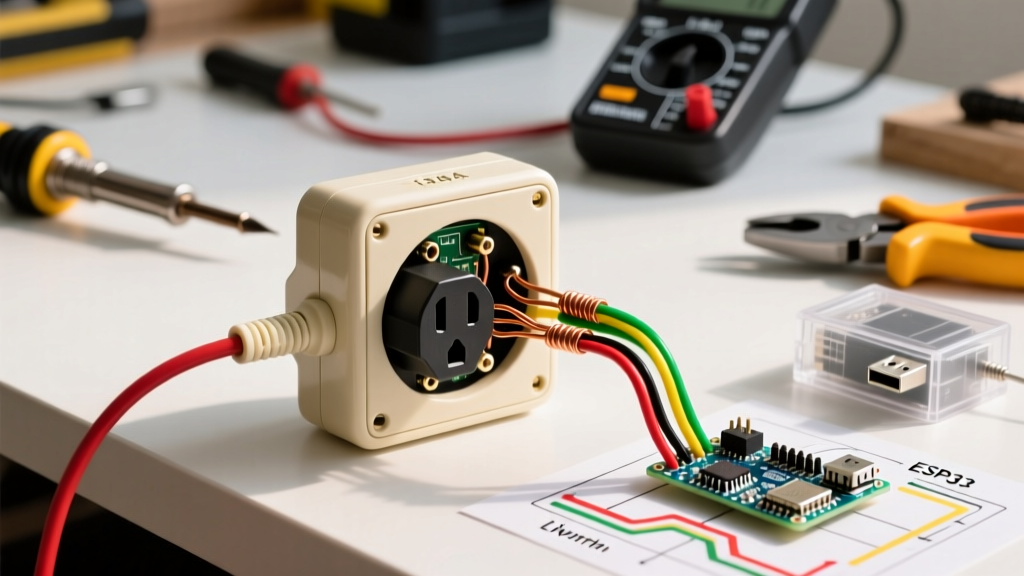
- Terminate the Wires: Connect the wires to the new BS 1363 socket. The terminal layout is universally marked: L (Live), N (Neutral), and E (Earth). Ensure no stray copper strands are protruding from the terminals, which could cause a short circuit.
- Apply Correct Torque: Tighten the terminal screws firmly. For premium brands like MK Electric or Legrand, the recommended torque for 2.5mm² solid copper conductors is typically between 1.5 Nm and 2.0 Nm. Over-tightening will shear the screw; under-tightening will cause a fire hazard.
- Secure and Test: Push the wires neatly into the backbox, mount the faceplate, and restore power. Test the socket with a dedicated BS 1363 receptacle tester to verify correct polarity and earth continuity.
Handling Legacy Wiring Colors in Older Ghanaian Homes
A major edge case when upgrading outlets in Ghana is encountering pre-2006 wiring. While modern installations follow the IEC 60446 harmonized colors (Brown for Live, Blue for Neutral, Green/Yellow for Earth), older properties may still utilize the legacy British color code:
- Red: Live (Connect to 'L' terminal)
- Black: Neutral (Connect to 'N' terminal)
- Green: Earth (Connect to 'E' terminal)
Always test the wires with a multimeter before disconnecting the old socket, as previous DIYers may have wired them incorrectly. If you are extending a circuit that mixes old and new colors, you must use appropriate ferrules or heat-shrink tubing to mark the old black neutral wire with blue sleeving to prevent future confusion.
The Counterfeit Threat: Sourcing Authentic Components
The proliferation of counterfeit electrical accessories in regional markets is a severe safety risk. Fake BS 1363 plugs and sockets often lack internal safety shutters, use hollow pins that overheat, and omit the mandatory internal fuse in the plug top. Electrical Safety First highlights that counterfeit sockets frequently fail thermal endurance tests, melting under standard 13A loads.
Expert Tip: To verify a genuine BS 1363 socket, look for the raised 'ASTA' or 'BSI' kite mark molded directly into the polycarbonate backplate, not just printed on the cardboard packaging. Furthermore, genuine sockets will have a distinct, heavy feel due to the thick brass internal busbars, whereas fakes feel exceptionally light and use thin, stamped tin-plated steel contacts.
For reliable upgrades, source your components from authorized distributors of Schneider Electric, Legrand, or MK Electric in Accra and Kumasi, rather than unverified open-market stalls. Expect to pay a premium for genuine articles, but the cost is negligible compared to the risk of an electrical fire.
Frequently Asked Questions
Can I use a Schuko (Type F) or Europlug (Type C) socket in Ghana?
No. While you can physically wire a European-style socket to Ghana's 230V grid, it is highly discouraged and violates local building codes. Type C and F plugs lack the integrated fusing found in the BS 1363 system. Because Ghana's ring final circuits are often protected by 32A breakers, an unfused plug attached to a faulty appliance could draw up to 32A before the breaker trips, easily melting the appliance's flex cable and starting a fire.
What size fuse should I use in the replacement plug tops?
The BS 1363 system requires the fuse to be matched to the appliance's flexible cable, not the appliance's power draw. However, as a general rule: use a 3A fuse for lighting, routers, and small electronics (up to 700W), and a 13A fuse for heating appliances, kettles, irons, and microwaves (700W to 3100W). Never use a 13A fuse for a device with a thin, figure-8 cable.
Do I need to upgrade my backboxes when replacing the sockets?
If your current backboxes are standard 25mm deep metal or PVC boxes, they are sufficient for standard 13A duplex sockets. However, if you are upgrading to the modern USB-integrated or Smart Wi-Fi sockets mentioned in our matrix, you will likely need to chisel out the wall and install deeper 35mm or 45mm backboxes to accommodate the bulky internal PCBs and heat sinks.