
The Anatomy of a Trip Electrical Outlet: GFCI vs. AFCI
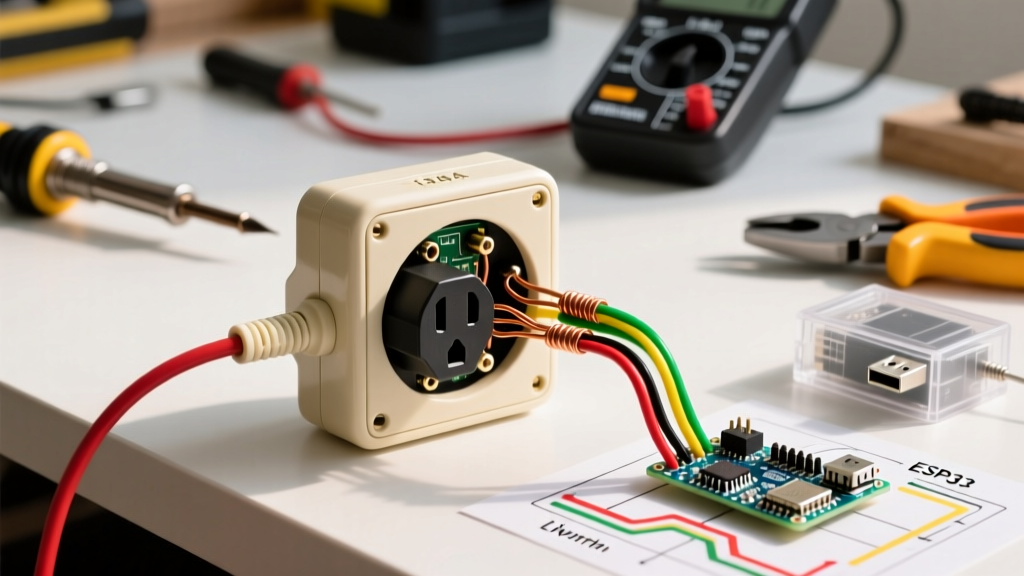
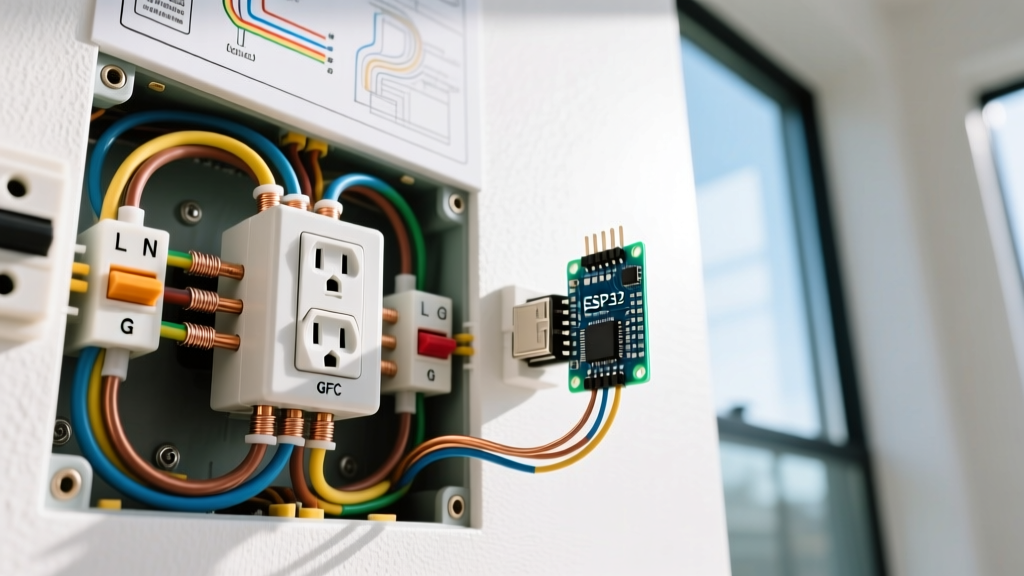
When a trip electrical outlet interrupts your power, it is rarely a random inconvenience; it is a critical safety mechanism actively preventing electrocution or an electrical fire. In modern residential wiring, the phrase 'trip electrical outlet' almost exclusively refers to Ground Fault Circuit Interrupter (GFCI) or Arc Fault Circuit Interrupter (AFCI) receptacles. Unlike standard duplex receptacles, these devices contain internal microprocessors that monitor current imbalances or arcing signatures, cutting power in milliseconds when a fault is detected.
As we navigate the 2026 electrical landscape, local jurisdictions are strictly enforcing the expanded requirements of the 2023 National Electrical Code (NEC), which dramatically increased the footprint of required GFCI and AFCI protection. Understanding why your outlet trips—and how to differentiate between a nuisance trip and a legitimate life-saving intervention—is essential for any DIYer or homeowner.
Understanding NEC Compliance Requirements
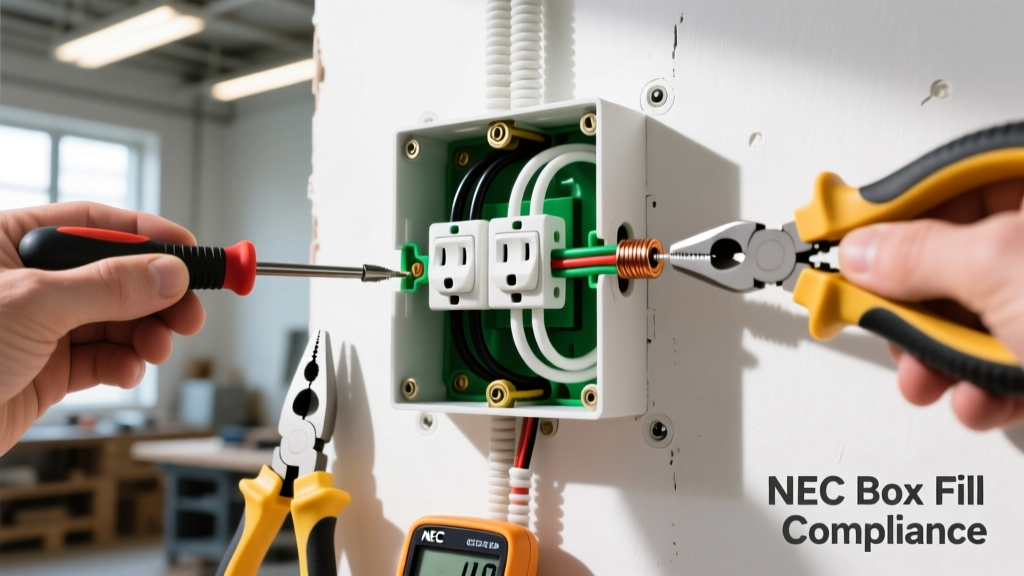
According to National Fire Protection Association (NFPA) guidelines, NEC Article 210.8 mandates GFCI protection for all 125-volt through 250-volt receptacles in specific damp or high-risk locations. As of the latest code cycles enforced in 2026, this includes kitchens, bathrooms, garages, crawl spaces, unfinished basements, boathouses, and outdoor areas.
Furthermore, NEC Article 210.12 requires AFCI protection in nearly all living spaces, including bedrooms, living rooms, and hallways. Dual-function receptacles (combining AFCI and GFCI) are now common in areas like laundry rooms or utility sinks where both shock and arc-fault risks overlap. If your outlet trips repeatedly, it is either doing its job against a real hazard, or the internal circuitry has reached the end of its 10-to-15-year operational lifespan.
Top 5 Reasons Your Outlet Keeps Tripping (Diagnostic Guide)
Before replacing a perfectly good $20 receptacle, you must isolate the root cause. Here are the five most common failure modes that cause a trip electrical outlet, ranked from most to least frequent.
1. Line and Load Reversal
The most common DIY wiring error is swapping the 'LINE' (incoming power) and 'LOAD' (downstream protection) terminals. Older GFCI models would still function locally but fail to protect downstream outlets. However, modern smart GFCIs, such as the Leviton GFNT2-W SmartlockPro (retailing around $18.50), feature a patented reset lockout mechanism. If wired backward, the reset button will physically refuse to engage, or it will trip immediately upon reset. Always use a non-contact voltage tester to verify the incoming hot wire before connecting to the brass LINE terminal.
2. Neutral-to-Ground Faults
A GFCI operates by comparing the current on the hot wire to the current on the neutral wire. If the difference exceeds 5 milliamps (0.005 amps), it trips. A neutral-to-ground fault occurs when a bare copper ground wire accidentally touches the white neutral wire in a downstream junction box or at a device terminal. This creates a parallel path for neutral current to return to the panel via the ground wire, causing an immediate imbalance and an instant trip.
3. Multi-Wire Branch Circuit (MWBC) Shared Neutrals
If your home was wired in the 1980s or 1990s, you may have an MWBC, where two hot wires (on opposite phases) share a single neutral wire. If you install a standard GFCI on an MWBC without pigtailing the neutral correctly, the GFCI will see the return current from the second hot wire as a ground fault and trip instantly. The fix requires pigtailing the neutral in the junction box or upgrading to a 2-pole GFCI breaker in the main panel.
4. Moisture Ingress and Environmental Degradation
Outdoor receptacles are highly susceptible to weather. If the weatherproof cover (such as a Taymac ML500 extra-duty while-in-use cover) is cracked, or the foam gasket has degraded, humidity can bridge the internal terminals. According to the Electrical Safety Foundation International (ESFI), moisture-induced tripping is a leading cause of outdoor electrical failures. If the outlet trips only during rain or high humidity, the enclosure must be replaced, and the receptacle should be swapped for a weather-resistant (WR) rated model.
5. End-of-Life Internal Failure
GFCIs contain metal-oxide varistors (MOVs) and sensing coils that degrade over time, especially in areas with frequent power surges or lightning strikes. Most manufacturers rate their GFCIs for 10 to 15 years of service. If your home was built or renovated between 2008 and 2012, your GFCIs are likely expiring. When a Leviton or Eaton GFCI reaches end-of-life, it will either refuse to reset or trip under normal, minimal loads.
Diagnostic Matrix: Nuisance Tripping vs. Legitimate Faults
Use the following matrix to interpret the behavior of your trip electrical outlet and determine the appropriate corrective action.
| Trip Symptom | Probable Cause | Required Action |
|---|---|---|
| Trips instantly upon plugging in any device | Appliance ground fault or internal short | Test appliance on a non-GFCI circuit; discard if faulty. |
| Trips randomly with no load attached | End-of-life GFCI or moisture ingress | Inspect weather seal; replace GFCI receptacle. |
| Trips only when a specific downstream switch is flipped | Neutral-to-ground fault in downstream box | Open downstream boxes; separate neutral and ground wires. |
| Reset button will not stay depressed | Line/Load reversal or no incoming power | Verify incoming voltage; correct Line/Load termination. |
| Trips when a high-draw appliance (vacuum) starts | Loose neutral connection or voltage sag | Tighten all neutral terminal screws to 12 in-lbs torque. |
Step-by-Step Replacement & Wiring Guide
If diagnostics confirm the receptacle has failed, follow this procedure to safely replace it. For this guide, we will use the Eaton TR2GF15A 15-Amp Tamper-Resistant GFCI (approx. $16.00), a code-compliant, commercial-grade unit.
- De-energize the Circuit: Turn off the corresponding breaker at the main panel. Verify the power is dead using a Klein Tools RT250 GFCI Receptacle Tester ($35.00). Never rely solely on a non-contact voltage tick-tracer for final verification.
- Extract and Inspect: Remove the faceplate and unscrew the receptacle. Pull it out gently to inspect the wire insulation. If the insulation is brittle or cracked, strip back to fresh copper.
- Identify Line vs. Load: If there are two sets of cables (two blacks, two whites, two grounds), one is Line (power from panel) and one is Load (power to downstream outlets). Cap the Load wires temporarily, turn the breaker on, and carefully test which black wire is hot. Turn the breaker back off.
- Terminate the Wires: Connect the incoming hot (black) to the brass LINE screw, and the incoming neutral (white) to the silver LINE screw. Loop the wire clockwise around the screw and tighten to the manufacturer's torque specification (usually 12-14 in-lbs). Use the back-wire clamp plates rather than the side screws for a more secure, vibration-resistant connection.
- Grounding: Connect the bare copper or green wire to the green grounding screw. If the box is metal, you must also run a grounding pigtail from the box to the receptacle ground.
- Test and Verify: Push the receptacle into the box, ensuring no bare ground wires touch the silver or brass terminals. Secure with 6-32 machine screws. Restore power and press the 'TEST' button. The outlet should click and trip. Press 'RESET' to restore power.
Safety Callouts: When to Call a Licensed Electrician
While replacing a single GFCI is well within the capabilities of an advanced DIYer, certain scenarios require a licensed professional to ensure compliance with local codes and to prevent catastrophic hazards.
'Attempting to troubleshoot a shared neutral on a multi-wire branch circuit without a thorough understanding of panel phasing can result in severe arc flashes or overloaded neutral conductors, which are a leading cause of concealed electrical fires.' — U.S. Consumer Product Safety Commission (CPSC)
You must hire an electrician if:
- The breaker trips simultaneously with the GFCI: This indicates a hard short circuit (hot-to-ground or hot-to-neutral) that requires tracing the entire branch circuit.
- You discover aluminum wiring: Homes wired in the 1960s and 70s with aluminum branch circuits require special CO/ALR rated devices and antioxidant paste. Standard copper-rated GFCIs will loosen over time and cause a fire.
- The outlet lacks a ground wire: While the NEC allows replacing a 2-prong ungrounded outlet with a GFCI (labeled 'No Equipment Ground'), doing so requires strict adherence to labeling codes and an understanding of downstream limitations.
Final Thoughts on Outlet Safety
A trip electrical outlet is your home's first line of defense against lethal shock hazards and electrical fires. By understanding the underlying mechanics of GFCI and AFCI technology, adhering to current NEC mandates, and methodically diagnosing the root cause of the trip, you can maintain a safe, code-compliant electrical system. Always prioritize torque-specific terminations, use weather-resistant enclosures for damp locations, and replace aging receptacles proactively before their internal sensors fail.