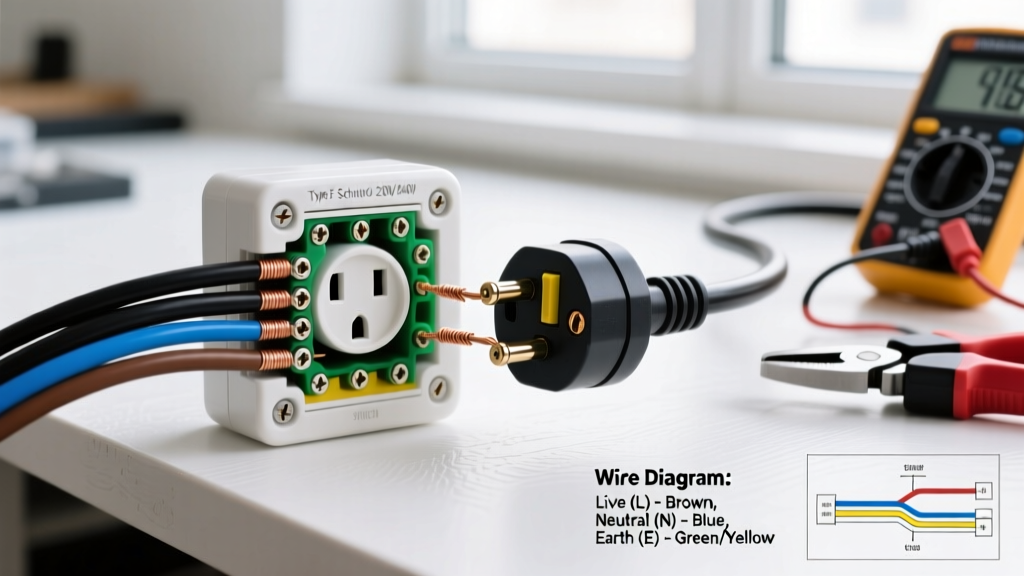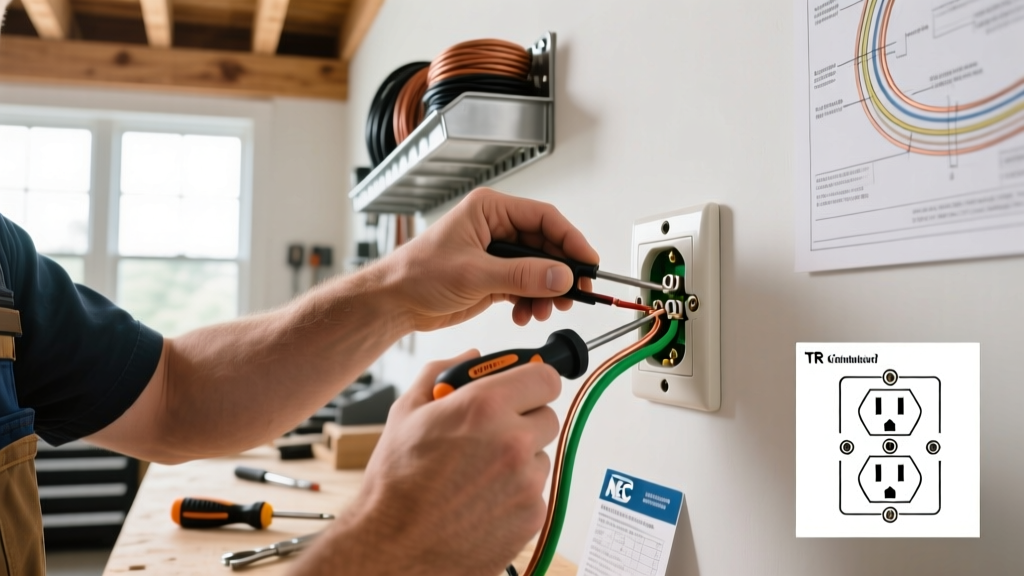

When homeowners and junior DIYers search for a fake electrical outlet, they are usually referring to one of two very different things: non-functional "dummy" receptacles installed for aesthetic symmetry or hidden safes, or counterfeit "knockoff" receptacles bearing forged safety marks. As of 2026, the proliferation of ultra-cheap, non-UL-listed electrical components on third-party online marketplaces has made the latter a severe fire hazard. Meanwhile, the improper installation of the former remains a frequent violation of the National Electrical Code (NEC).
Whether you are dealing with a decoy wall box or a suspiciously light 15A receptacle, understanding the safety and code compliance implications is critical. This guide breaks down the hazards, NEC mandates, and actionable steps to ensure your wiring is safe, legal, and up to code.
The Two Faces of a "Fake" Electrical Outlet
In the electrical trade, the term "fake outlet" generally falls into two distinct categories, each carrying unique risks:
- Counterfeit Receptacles: Knockoff NEMA 5-15R devices manufactured with substandard materials and stamped with fraudulent UL or ETL certification marks.
- Decoy / Dummy Outlets: Non-functional faceplates or unpowered receptacles installed to hide wall safes, balance room symmetry, or deceive home inspectors.
Both scenarios intersect directly with NEC enforcement, fire safety, and liability. Let's examine the specific code violations and physical hazards associated with each.
Counterfeit Receptacles: The Lethal Imposters
Counterfeit electrical devices are a massive blind spot for budget-conscious renovators. These "fake" outlets are often sold in bulk online at a fraction of the cost of commercial-grade receptacles. However, they fail to meet the rigorous UL 498 standard for safety and performance.
Specific Failure Modes of Fake Receptacles
- Thermal Meltdown: Authentic receptacles (like the Leviton 5320-WMP or Hubbell HBL5262) use high-impact polycarbonate thermoplastic that resists arcing and high heat. Counterfeits use cheap ABS or polystyrene, which can melt and ignite when subjected to a continuous 15A load.
- Contact Wiper Fatigue: The internal brass wipers on a fake outlet are often thin, low-grade stamped metal. After just a few plug insertions, they lose their spring tension, resulting in a loose connection. Loose connections create high-resistance arcs, the leading cause of residential electrical fires.
- Bypassed Tamper-Resistant (TR) Shutters: NEC Article 406.12 mandates TR receptacles in most residential areas. Counterfeits often feature fake shutters—flimsy plastic flaps that do not interlock properly, allowing a child to easily insert a single object into the hot slot.
"The use of counterfeit electrical products bypasses decades of safety engineering. A forged UL mark on a receptacle doesn't just violate code; it introduces an uncalculated thermal risk into the home's branch circuit."
— Electrical Safety Foundation International (ESFI) Guidelines
Dummy and Decoy Outlets: NEC Box & Wiring Violations
Installing a "dummy" outlet to cover an abandoned junction box or to conceal a biometric wall safe might seem like a clever DIY hack, but it frequently violates several NEC articles regarding box accessibility and wiring methods.
NEC Article 314.29: Boxes Must Be Accessible
If you have an abandoned circuit or a junction box hidden behind drywall, you cannot simply slap a fake, non-functional receptacle faceplate over it to disguise it. NEC Article 314.29 strictly requires that all junction, pull, and outlet boxes remain accessible without removing any part of the building structure or finish. If a hidden safe is bolted over a junction box, that box is no longer accessible, rendering the installation illegal.
NEC Article 110.12: Mechanical Execution of Work
Electricians and inspectors use NEC 110.12 to cite "neat and workmanlike" installations. Wiring a dummy outlet with loose, uncapped pigtails pushed into the back of a drywall cavity—even if the outlet itself isn't connected to a breaker—is a severe shock and short-circuit hazard if the circuit is ever accidentally re-energized. Abandoned wires must be completely removed, or properly capped and secured within a code-compliant, accessible box.
The "Bootleg Ground": Faking the Safety Test
Another dangerous interpretation of a "fake outlet" is a receptacle with a bootleg ground. This occurs when a handyman or unethical flipper installs a 3-prong receptacle on an older 2-wire (ungrounded) circuit and places a copper jumper wire between the neutral (silver) terminal and the ground (green) terminal.
Why is this lethal? A standard 3-light receptacle tester will read this as "Wired Correctly" because it completes the circuit between hot and ground. However, if a neutral wire ever becomes disconnected upstream, the metal chassis of any plugged-in appliance (like a microwave or toaster) will instantly become energized at 120V, posing a fatal shock hazard. NEC Article 250.148 and 406.4(D) strictly forbid this practice. The legal remedy for an ungrounded box is to install a GFCI receptacle and label it "No Equipment Ground."
Comparison Matrix: Authentic vs. Counterfeit 15A Receptacles
When sourcing materials in 2026, use this matrix to identify fake electrical outlets before they make it onto your branch circuits.
| Feature | Authentic (e.g., Leviton / Hubbell) | Counterfeit / "Fake" Receptacle |
|---|---|---|
| Face Material | High-impact Polycarbonate (thermoplastic) | Cheap ABS or Polystyrene (melts easily) |
| Contact Wipers | Thick brass/copper alloy, high spring tension | Thin stamped metal, loses grip after 5 insertions |
| TR Shutters | Robust, interlocking dual-shutter mechanism | Flimsy, easily bypassed by a paperclip |
| Device Weight | ~80 to 95 grams | ~35 to 45 grams |
| Markings & Torque | Deeply embossed UL/ETL, clear wire gauges & torque specs | Faded, misspelled, or missing torque specifications |
| Yoke / Strap | Rigid steel or brass, resists bending during mounting | Flimsy, bends easily when tightening drywall screws |
Step-by-Step Verification & Remediation Guide
Protect your home and ensure code compliance by following this verification protocol when auditing your outlets.
Step 1: Visual and Physical Inspection
Remove the receptacle from the wall (with the breaker OFF). Check the weight and the yoke. Look for the UL or ETL mark. Authentic marks are deeply molded into the plastic or stamped clearly into the metal yoke. If the mark looks like a cheap ink stamp or is misspelled (e.g., "UL Listed" without the actual UL logo circle), discard it immediately.
Step 2: Torque Verification
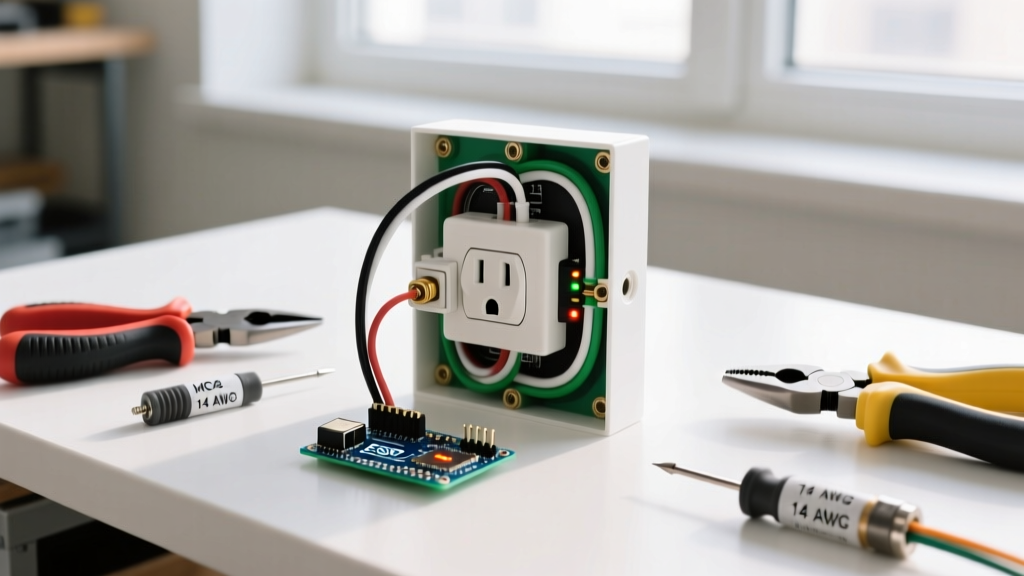
NEC 110.14(D) requires that terminals be tightened to the manufacturer's specified torque. Counterfeit outlets rarely provide these specs. For authentic commercial-grade 15A receptacles, use a torque screwdriver (such as the Klein Tools 69050 or Wiha 408) set to the manufacturer's specification (typically 14 in-lbs for 14 AWG wire). If the terminal strips or deforms at proper torque, the device is a fake and must be replaced.
Step 3: Audit for Bootleg Grounds
Do not rely solely on a cheap 3-light tester. Use a digital multimeter to measure the voltage between the Hot and Ground, and Neutral and Ground. If you suspect a bootleg ground on an older home, remove the receptacle and visually inspect for a jumper wire between the silver and green screws. If found, replace the standard receptacle with a GFCI (like the Leviton 8280-W) and apply the included "No Equipment Ground" sticker to remain NEC compliant.
Frequently Asked Questions (FAQ)
Can I install a dummy outlet just for wall symmetry?
Yes, but only if it is installed over a proper, accessible junction box with all internal wires safely capped with wire nuts and secured. You cannot bury a junction box behind drywall or a permanently mounted piece of furniture just to make a fake outlet look flush.
Are smart outlet adapters a "fake" outlet?
No. Smart plugs and Wi-Fi enabled receptacles (like the Leviton DW15R) are legitimate, UL-listed devices provided they are installed according to their specific NEC requirements and load ratings.
How do I report counterfeit electrical goods?
If you discover fake electrical outlets with forged UL marks, you should report them to the Consumer Product Safety Commission (CPSC) and directly to UL's anti-counterfeiting team to help remove these fire hazards from the market.
Final Thoughts on Electrical Authenticity
Whether you are navigating the installation of a hidden wall safe or sourcing bulk receptacles for a whole-home rewire, the concept of a "fake electrical outlet" should serve as a massive red flag. The NEC exists to protect life and property from the exact failure modes that counterfeit and improperly abandoned devices introduce. Always buy from authorized electrical distributors, verify your torque settings, and never compromise on the physical accessibility of your junction boxes.