
The Short Answer: Yes, But With Severe Electrical Limits
When new EV owners ask, "can you plug an electric car into a regular outlet?", the simple answer is yes. Every electric vehicle sold in North America comes with a Level 1 charging cable equipped with a standard NEMA 5-15P plug, designed to fit into a common 120-volt household receptacle. However, from an electrical wiring and circuit capacity perspective, treating a standard wall outlet as a dedicated EV charging station introduces significant limitations, severe charging bottlenecks, and potential fire hazards if the underlying wiring is not up to code.
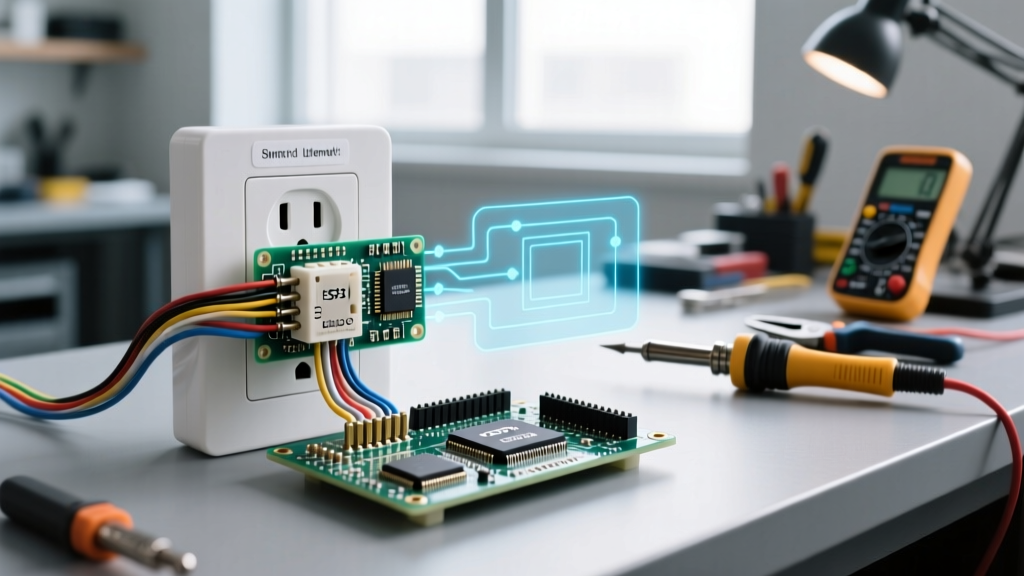
This wiring diagram reference breaks down the electrical anatomy of a standard 120V outlet, explains the National Electrical Code (NEC) limitations for continuous loads, and details why upgrading to a 240V circuit is the standard recommendation for EV ownership.
Wiring Diagram Reference: Inside the Standard NEMA 5-15R
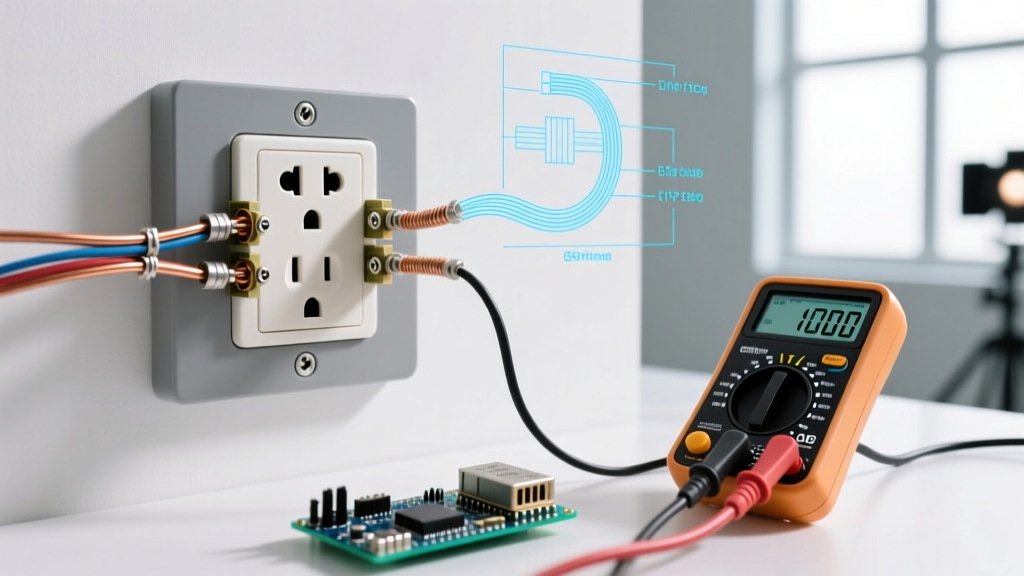
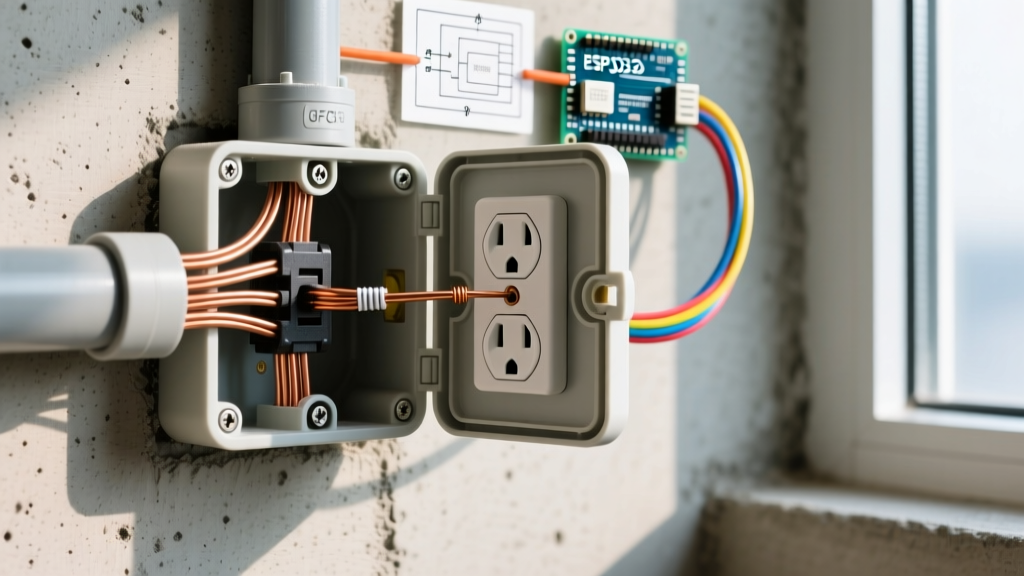
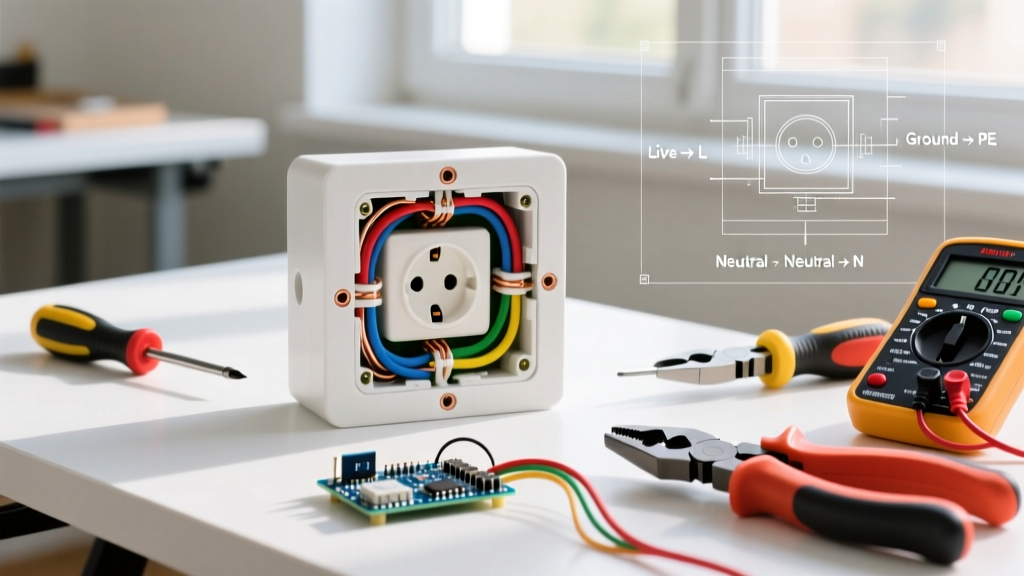
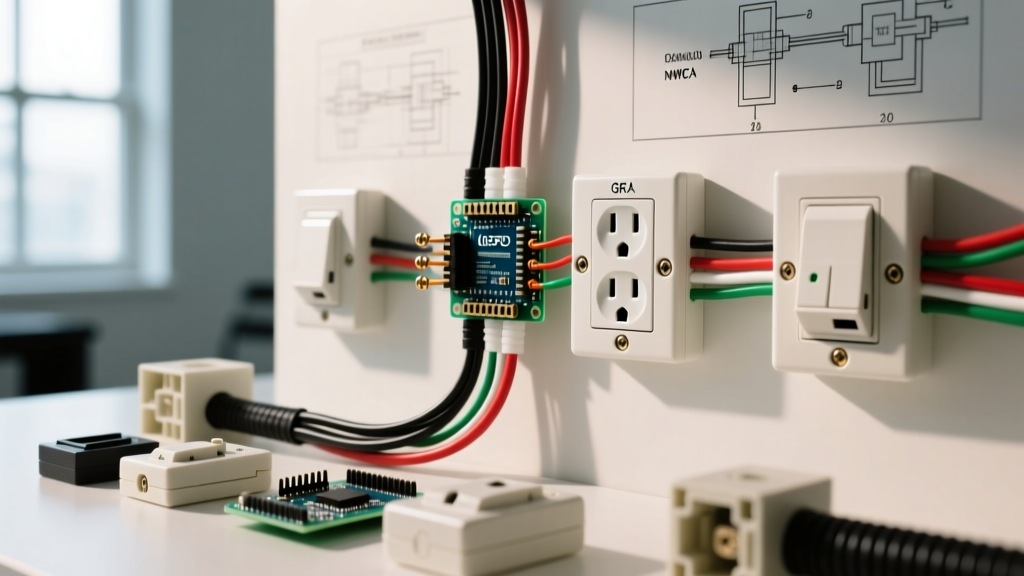
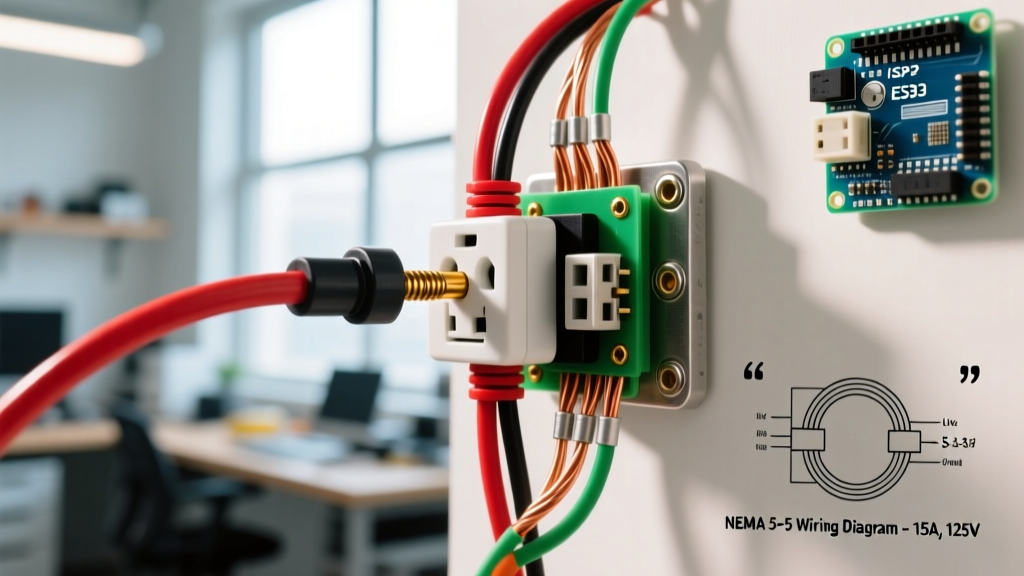
A standard household outlet, technically known as a NEMA 5-15R receptacle, is wired on a 120-volt, single-phase branch circuit. The wiring diagram for this circuit consists of three primary conductors:
- Hot (Black): Carries 120V of alternating current from a 15-amp single-pole breaker in the main service panel.
- Neutral (White): Completes the circuit, returning current to the panel's neutral bus bar.
- Ground (Bare Copper or Green): Provides a safe path for fault currents, bonding the receptacle's metal yoke to the grounding electrode system.
In modern residential construction, this circuit is typically wired using 14 AWG (American Wire Gauge) copper wire. While 14 AWG is rated for 15 amps, it is the absolute minimum gauge permitted by the NEC for a 15-amp breaker. When you plug an electric car into this outlet, you are asking a circuit originally designed for intermittent loads (like a vacuum cleaner or a lamp) to sustain a maximum electrical draw for 10 to 40 hours continuously.
The NEC 80% Continuous Load Rule
The most critical factor in EV charging wiring is the NEC definition of a continuous load. According to NEC Article 210.20(A), a continuous load is any load where the maximum current is expected to continue for three hours or more. EV charging easily exceeds this threshold.
The 80% Rule: For continuous loads, the branch circuit rating must be at least 125% of the continuous load. Conversely, you can only draw 80% of a breaker's rated capacity continuously.
Therefore, on a standard 15-amp NEMA 5-15R circuit, the maximum continuous draw is 12 amps (15A x 0.80). Most Level 1 EVSE (Electric Vehicle Supply Equipment) cables are hard-coded to draw exactly 12 amps to comply with this code and prevent tripping standard residential breakers.
The Mathematical Reality of Level 1 Charging Speeds
Drawing 12 amps at 120 volts yields a maximum power output of 1.44 kilowatts (kW). To understand what this means for your vehicle, we must factor in charging efficiency (typically around 85% to 90% due to onboard charger heat loss and battery management system overhead). This leaves roughly 1.2 kW to 1.3 kW of actual energy entering the battery pack per hour.
According to the Alternative Fuels Data Center, Level 1 charging adds roughly 3 to 5 miles of range per hour of charging. Here is how that translates to real-world charging times for popular 2026 EV models:
| Vehicle Model (2026) | Battery Capacity | Time to Charge 10% to 80% (Level 1 @ 1.44kW) | Range Added Per Hour |
|---|---|---|---|
| Tesla Model 3 RWD | 60 kWh | ~32 Hours | ~4.5 Miles |
| Ford F-150 Lightning Ext. | 131 kWh | ~68 Hours | ~2.5 Miles |
| Chevrolet Equinox EV | 85 kWh | ~45 Hours | ~3.8 Miles |
| Hyundai Ioniq 5 | 77.4 kWh | ~41 Hours | ~4.0 Miles |
Why Regular Outlets Melt: Thermal Failure Modes
The National Fire Protection Association (NFPA) notes that while EV charging is inherently safe, the degradation of legacy residential wiring poses a distinct fire risk. When a NEMA 5-15R outlet melts or catches fire during EV charging, it is rarely the fault of the car or the charger. It is almost always a failure of the receptacle's physical connections.
1. Backstabbed Push-In Connections
Many electricians and DIYers wire standard outlets using the "backstab" push-in terminals on the rear of the receptacle rather than wrapping the wire around the side screw terminals. Backstab connections rely on a tiny spring-steel clip to maintain contact with the 14 AWG wire. Under a continuous 12-amp load for 20+ hours, the electrical resistance at this micro-connection generates significant heat (following the formula Heat = I²R). Over time, this thermal cycling loosens the spring, increases resistance further, and ultimately melts the plastic polycarbonate housing of the outlet.
2. Aluminum Branch Wiring
Homes built between 1965 and 1973 often feature aluminum branch circuit wiring. Aluminum has a higher coefficient of thermal expansion than copper and is prone to oxidation. If an EV is plugged into an aluminum-wired 15-amp circuit without specialized CO/ALR rated receptacles and antioxidant paste, the continuous thermal expansion and contraction will loosen the terminal screws, leading to arcing and catastrophic thermal failure.
3. Shared Circuit Overloads
A standard 15-amp bedroom or garage circuit often powers multiple outlets and overhead lights. If your EV is drawing a continuous 12 amps, and a spouse turns on a 10-amp space heater or a 7-amp shop vacuum on the same branch circuit, the cumulative draw exceeds the 15-amp breaker threshold, causing nuisance tripping or, in the case of a degraded breaker, overheating the bus bar in the main panel.
Comparison Matrix: NEMA 5-15R vs. NEMA 14-50R
To achieve practical charging speeds, the industry standard is to install a Level 2 charger on a 240-volt circuit. The most common receptacle for this is the NEMA 14-50R, originally designed for electric ranges and RV hookups. Below is a wiring and performance comparison:
| Specification | NEMA 5-15R (Standard Outlet) | NEMA 14-50R (EV / Range Outlet) |
|---|---|---|
| Voltage | 120V (Single Phase) | 240V (Split Phase) |
| Breaker Size | 15 Amp (Single Pole) | 50 Amp (Double Pole) |
| Continuous Draw (80%) | 12 Amps | 40 Amps |
| Max Power Output | 1.44 kW | 9.6 kW |
| Required Wire Gauge | 14 AWG Copper | 6 AWG Copper or 4 AWG Aluminum |
| Wiring Conductors | 3 (Hot, Neutral, Ground) | 4 (Hot 1, Hot 2, Neutral, Ground) |
| Avg. Range Added/Hour | 3 - 5 Miles | 30 - 44 Miles |
Upgrading Your Panel: The Dedicated 240V Circuit
If you determine that Level 1 charging is insufficient for your daily commute, upgrading to a dedicated 240V circuit is mandatory. According to Tesla's Home Charging Installation guidelines and general electrical best practices, a NEMA 14-50R installation requires specific wiring parameters to ensure safety and code compliance.
Wiring Diagram Specs for a 50-Amp EV Circuit
- Breaker: A 50-amp, double-pole breaker installed in the main service panel, utilizing two adjacent slots to pull 120V from each of the two main service legs, yielding 240V.
- Conductors: 6 AWG copper wire (THHN/THWN-2) run through conduit, or 4 AWG aluminum wire (SER cable). The cable must contain four wires: two hots (Black and Red), one neutral (White), and one ground (Bare/Green).
- Receptacle Orientation: The NEMA 14-50R should be mounted with the ground pin facing up. This prevents dust or debris from falling into the slot and bridging the hot terminals if the plug is partially dislodged.
- Torque Specifications: All terminal screws on the breaker and receptacle must be tightened to the manufacturer's specified inch-pound torque using a calibrated torque screwdriver. Loose lugs are the primary cause of thermal failures in high-amperage 240V circuits.
Final Verdict: Is a Regular Outlet Enough?
You can plug an electric car into a regular outlet, and it serves as an excellent emergency backup or a viable solution for plug-in hybrid electric vehicles (PHEVs) with small 15 kWh battery packs. However, for fully electric vehicles with 60 kWh to 130 kWh batteries, relying on a NEMA 5-15R wiring diagram is an exercise in frustration and a potential thermal hazard if the outlet is old, backstabbed, or on a shared circuit. For true EV ownership, investing $800 to $2,500 in a professional 240V NEMA 14-50R or hardwired wall connector installation is not just a luxury—it is an electrical necessity.